The night sky is growing roughly 10% brighter each year, leaving about 80% of people under light-polluted skies. Travel to protected areas — like 2.5 million acres of Oregon outback — reveals stars and the Milky Way many city dwellers rarely see. Light pollution harms wildlife, disrupts plant–pollinator timing and disturbs human circadian rhythms. Practical fixes — shielded, warmer lights, sensible brightness rules and zoning — can preserve darkness, though satellites and large orbital projects pose new challenges.
We're Losing the Night: The Sky Is About 10% Brighter Each Year
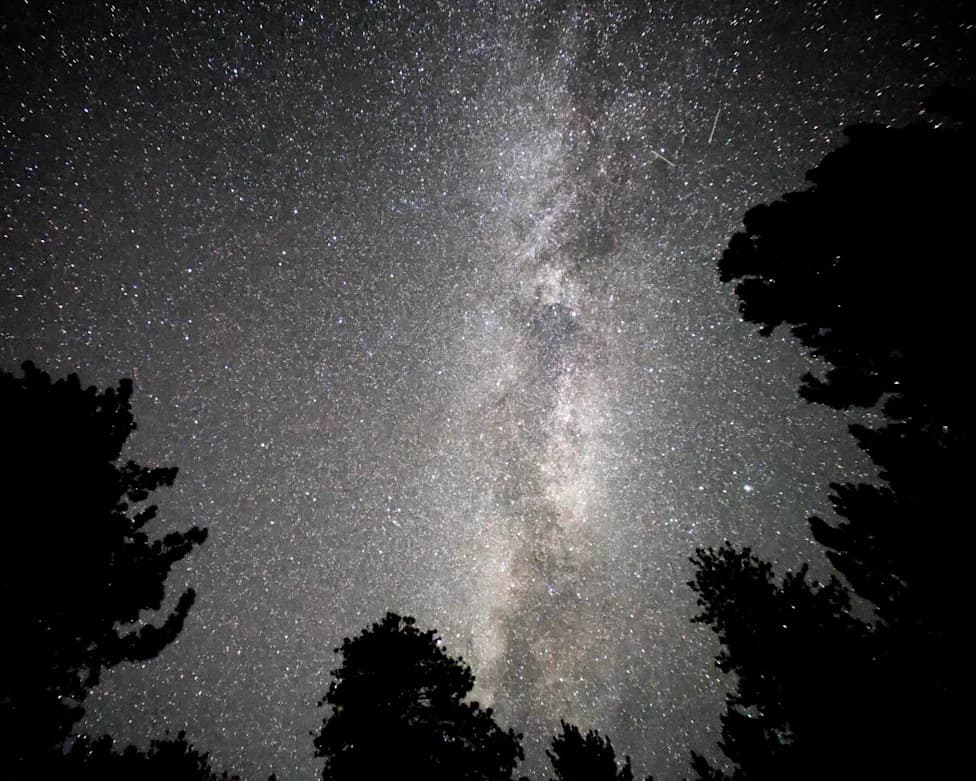
The Milky Way is seen in the western night sky near Mount Pinos, California, in 2026.Photograph: Raul Roa/Los Angeles Times via Getty Images
Every night I can switch off the lamp in my room, but I cannot shut out the glare from walkway and parking-lot lights that slips through my curtains. Living in Portland, where streets, porches and parking areas are constantly lit, I had forgotten what true darkness feels like.
I was eager to travel to a residency in southeast Oregon — part of the International Dark Sky Places network — where roughly 2.5 million acres of outback offer night skies largely free from artificial light. I invited fellow residents to join me for stargazing. Thirty minutes after sunset we crossed tall grass onto a dry lakebed, set our headlamps to red to preserve night vision, spread blankets and looked up.
Venus glowed near the hills, Vega shone overhead, and, at first, satellites traced steady, artificial paths across the sky. As the night deepened, constellations — Ursa Major and Minor, Cygnus and Cassiopeia — emerged, and finally the Milky Way rose as a luminous band. We fell quiet. For many of us, the experience was a reminder of how small we feel beneath an unspoiled sky.
How Bright Is the Night?
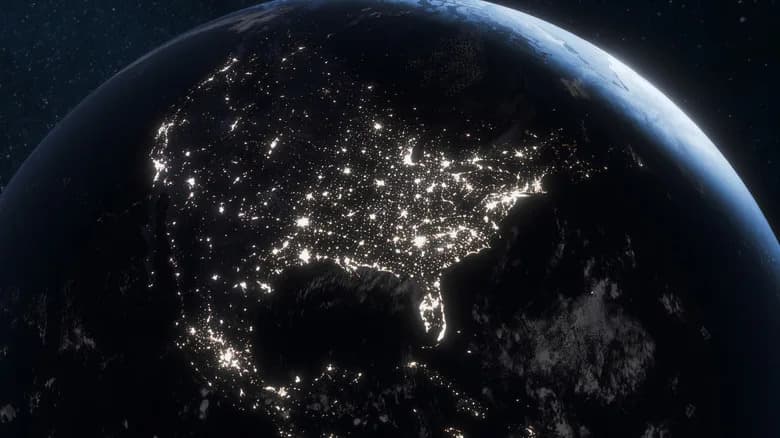
Researchers estimate the night sky is becoming about 10% brighter each year, and roughly 80% of the global population now live beneath skies affected by light pollution. That growing glow — called skyglow — is caused primarily by streetlights, illuminated buildings, parking lots and sports facilities left on overnight, but new sources are adding to the problem.
Why Darkness Matters
Darkness is more than a backdrop for stargazing. Night is a habitat: many animals use moonlight and starlight to navigate, feed and mate. Artificial light can disorient baby sea turtles, lure moths away from feeding, disrupt firefly and frog courtship displays, and mislead migrating birds. Plants and pollinators can lose synchrony, altering when flowers bloom and when pollinators are active. For humans, excess nighttime light can disturb circadian rhythms, impair sleep and affect long-term health.
New Threats From Above
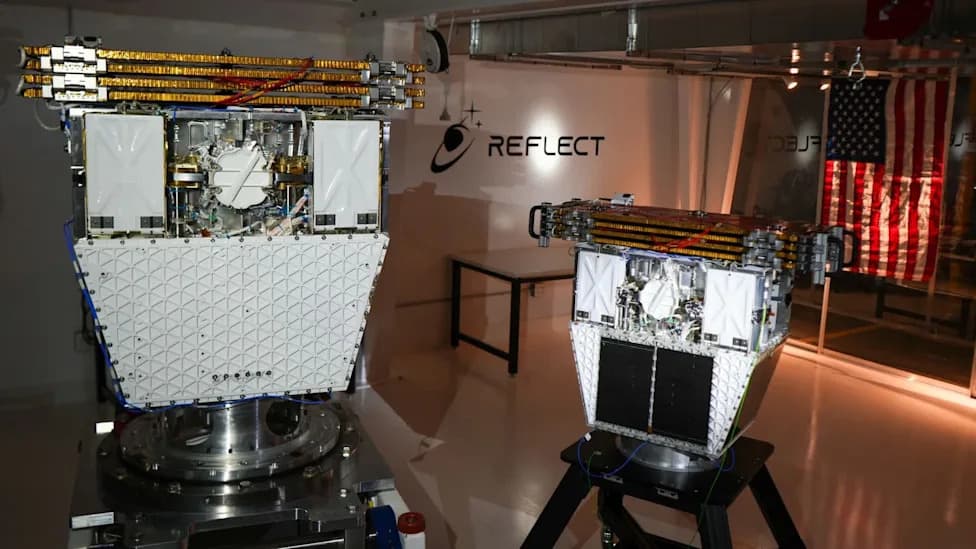
Even in designated Dark Sky areas, an increasing number of satellites and proposed orbital projects are mixing with the stars. Large constellations of satellites can create new sources of skyglow and streaks across otherwise dark skies. Proposals for satellites that would illuminate swaths of Earth on demand raise further concerns about nighttime ecology and the right to darkness. Current launch and orbiting activities are not always subject to environmental review that considers impacts on life on Earth.
Solutions That Work
Protecting darkness does not mean turning off all outdoor lights. Practical, evidence-based steps include:
- Using properly shielded fixtures so light points downward and does not scatter into the sky;
- Choosing warmer (lower color temperature) lighting rather than harsh white or blue-rich LEDs;
- Using only the brightness necessary and avoiding excessive fixtures (one well-placed light instead of three);
- Enacting and enforcing local rules on where lights point, how bright they may be and when they should be off;
- Considering the cumulative effects of satellites and advocating for environmental review of large orbital projects.
Some communities already show it can be done. Flagstaff, Arizona, adopted outdoor lighting rules in 1958 and became the first recognized Dark Sky City in 2001, with regulations addressing fixture type, brightness and direction. Other towns and states are following: New York State has considered a Dark Skies Protection Act to limit harmful outdoor lighting.
Darkness is becoming a scarce resource, but it can be reclaimed. Reasoned lighting policies and simple design changes could restore more stars to the night, let more creatures complete their natural routines, and give people everywhere a reason to look up again — no matter where they live.
Help us improve.