Many communities are limiting bright streetlighting to pursue official dark-sky recognition, prioritizing both public safety and protection of the night environment. DarkSky International, founded in Arizona more than 30 years ago and active in over 20 countries, designates dark-sky places and certifies low-glare lighting—but it does not itself ban local lighting. Practical measures include motion-activated, amber, shielded and timed fixtures. These steps protect wildlife, support astronomy and can enhance tourism and quality of life.
Why Cities Are Dimming Streetlights To Earn 'Dark Sky' Status

Alones Creative/Getty Images
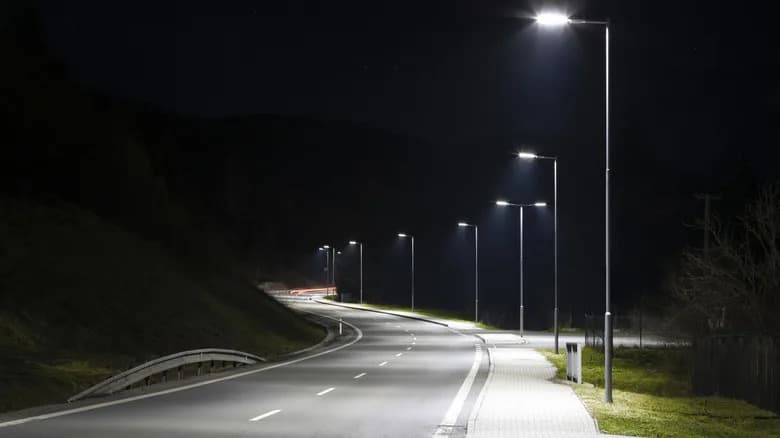
Electric streetlights became widespread in major U.S. cities in the early 1910s and remain essential public-safety tools, improving visibility for drivers and pedestrians, deterring crime and supporting local businesses. Yet an increasing number of communities are intentionally limiting excessive nighttime lighting to pursue official "dark sky" recognition.
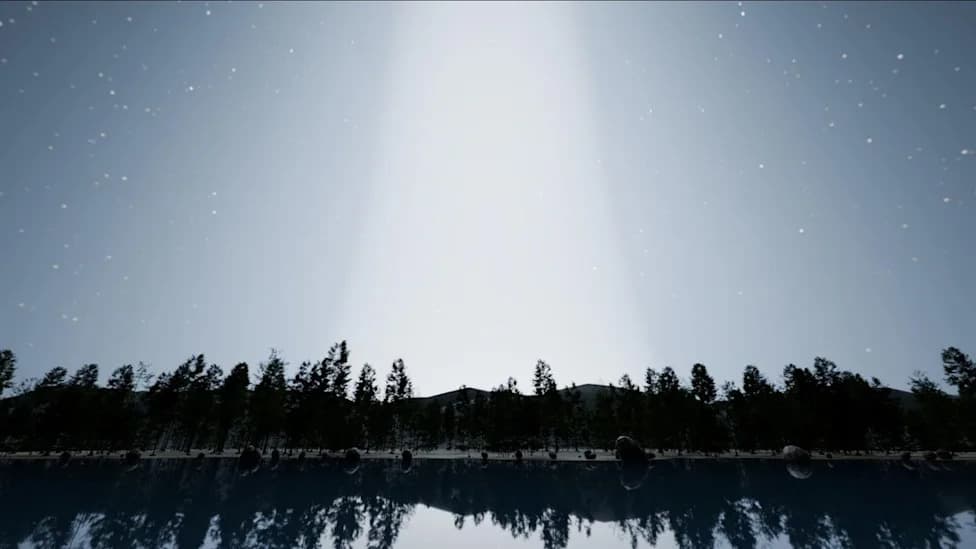
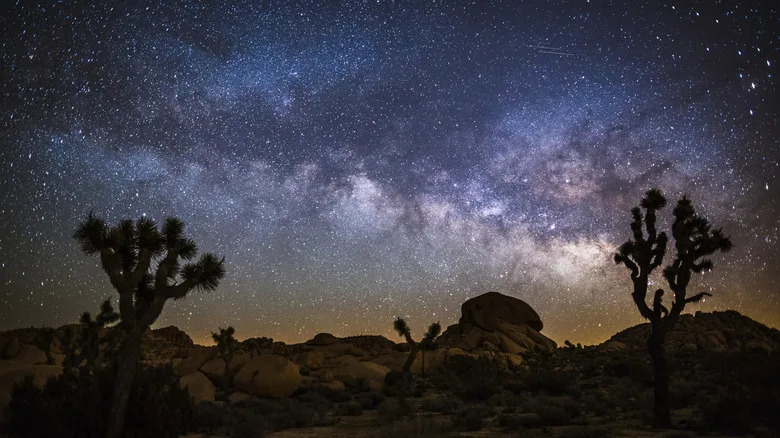
Dark sky designations seek to reduce skyglow so people—and wildlife—can again see the stars. These efforts are not about eliminating safety lighting but about using better, more targeted fixtures and policies that balance public safety with environmental, cultural and scientific goals.
What Is DarkSky International?
DarkSky International began more than 30 years ago as a small Arizona nonprofit and has expanded to work in 20+ countries. The organization designates International Dark Sky Places and certifies lighting products, designs and installations that minimize unnecessary skyglow. While DarkSky International helps communities adopt best practices, it does not itself enact local bans; those decisions are made by municipal or regional governments.
Practical Ways Cities Cut Light Pollution
To qualify for dark-sky recognition, towns often need to eliminate or retrofit wasteful lighting. Common, practical approaches include:
Schroptschop/Getty Images
- Motion-Activated Lighting—provides light only when needed.
- Amber-Hued Lamps—reduce blue-rich light that scatters in the atmosphere.
- Shielded or Full Cutoff Fixtures—direct light downward and limit skyglow.
- Timers and Dimming—reduce illumination during low-traffic hours.
Environmental, Scientific And Economic Benefits
Light pollution has concrete ecological consequences. For example, hatchling sea turtles use natural moonlight to find the ocean; artificial beachfront lighting can disorient them and cause mass mortality. Bright urban lighting also interferes with astronomical research and space observation.
Beyond protecting wildlife and science, dark-sky designation can boost local tourism and residents' quality of life by preserving night views and promoting outdoor recreation tied to stargazing.
History And Examples
One of the earliest local efforts took place in Flagstaff, Arizona, where commercial advertising searchlights were banned in 1958 because they created skyglow and hampered telescope observations. Since then, a range of municipalities—from small rural towns to suburbs near observatories—have adopted regulations and design standards to protect night skies while maintaining safe, effective lighting.
Responsible Lighting, Not Blanket Bans
Advocates emphasize responsible outdoor lighting: solutions that let people see safely at night while conserving energy, minimizing harm to wildlife and preserving the stars. With modern fixtures and thoughtful policies, cities can keep streets safe and still restore darker, healthier nightscapes.
Help us improve.