The average brightness of the night sky rose by 9.6% per year from 2011–2022, a rate that would double artificial skyglow roughly every eight years. About 80% of people now live under light-polluted skies that hide the Milky Way. Skyglow—driven by LEDs, signs and sports lighting—harms wildlife, alters plant behavior and disrupts human circadian rhythms. Satellite constellations, including Starlink's >11,000 satellites, add a new challenge for stargazing and astronomy. Practical measures like shielded fixtures, warmer LEDs and local lighting rules can reduce skyglow without sacrificing safety.
Our Night Sky Is Growing Nearly 10% Brighter Each Year — Why It Matters
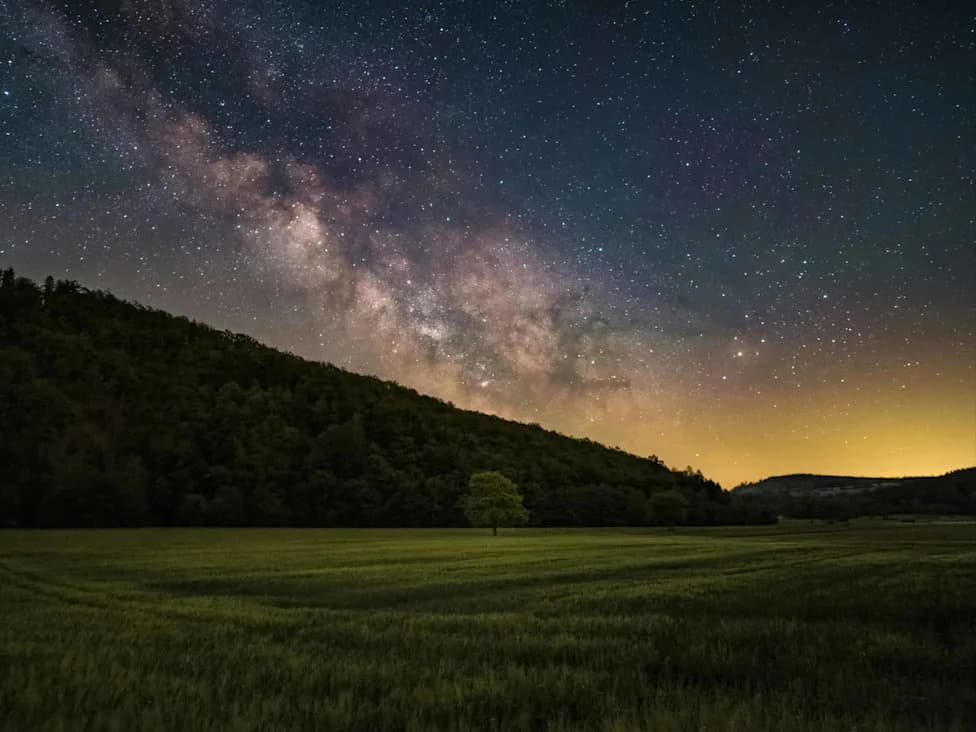
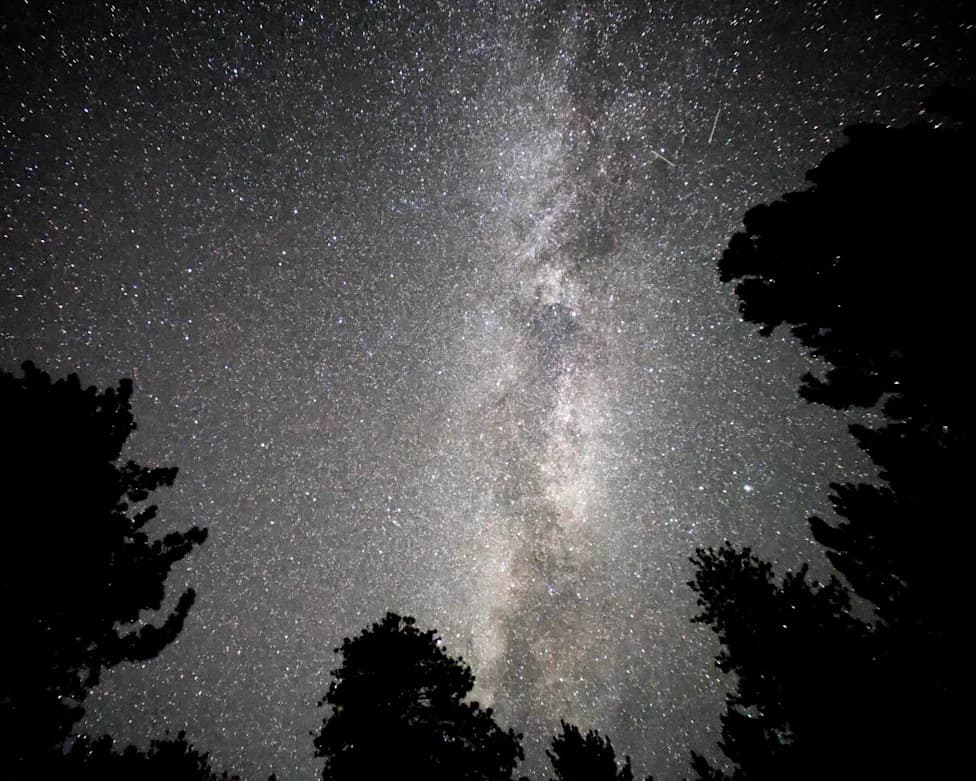
Light pollution is creating a bright haze over cities, making faint stars increasingly difficult to see | ©Image Credit: Unsplash / Evgeni Tcherkasski
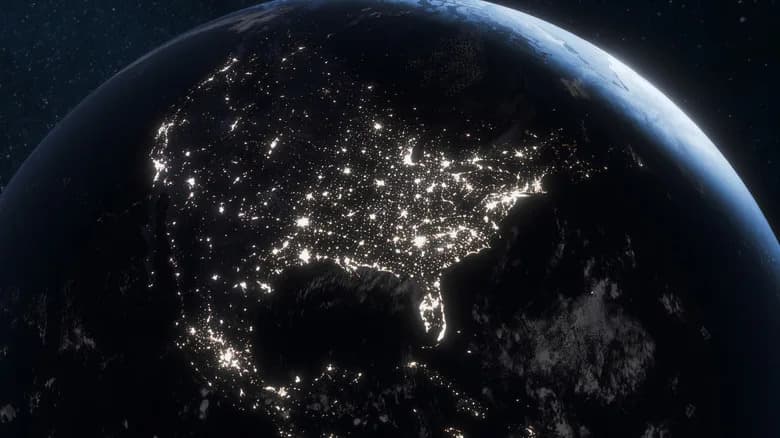
Almost gone are the nights when looking up meant seeing a sky full of stars. A recent study found that the overall brightness of the night sky increased by an average of 9.6% per year from 2011 through 2022. At that pace, artificial skyglow would roughly double every eight years, and today about 80% of people worldwide live under light-polluted skies where the Milky Way is effectively invisible.
What’s Causing the Brightening?
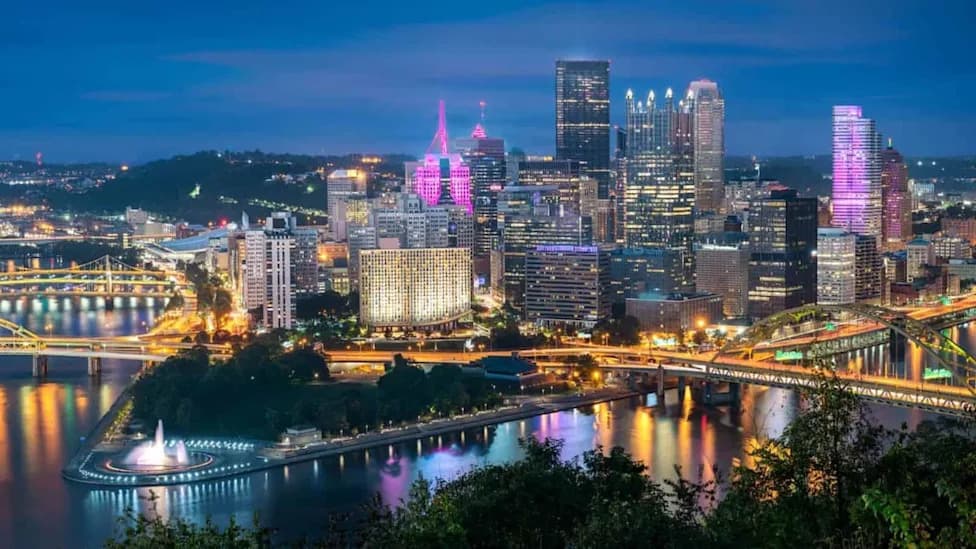
The problem is no longer limited to downtown streetlights. Widespread adoption of LED streetlights, plus bright parking-lot lighting, illuminated building facades, sports-field floodlights and large outdoor signs, has reshaped nighttime environments. These sources contribute to skyglow: artificial light that scatters in the atmosphere and forms a luminous veil that drowns out faint stars.
Real Consequences for Wildlife and Plants
Skyglow and other forms of artificial nighttime lighting are more than an aesthetic issue. They disrupt ecosystems in measurable ways. For example:
- Baby sea turtles can mistake artificial beachfront lights for the moonlit ocean and head toward roads or parking lots instead of the sea.
- Moths and other nocturnal insects often become trapped circling lights, which can reduce pollination and destabilize local food webs.
- Migratory birds can be disoriented by brightly lit urban areas, increasing collision risk and altering migration patterns.
- Research links nighttime lighting to changes in plant–pollinator interactions and to shifts in the timing of flowering for some tree species.
Human Health and Science Impacts
Humans are part of the same biological web. Exposure to artificial light at night can interfere with circadian rhythms—the internal clocks that regulate sleep, hormone production and many other bodily functions. For astronomers and amateur stargazers, increasing sky brightness and another growing problem—satellites—are making observations harder.
Satellites: A New Layer of Brightness
The rising number of commercial satellites has made bright, moving objects increasingly common in night-sky observations. One operator, Starlink, has deployed more than 11,000 satellites, and planned constellations can interfere with scientific measurements and alter the visual character of the heavens. There are even proposals for satellites that would reflect sunlight down to Earth to provide illumination at night, which would further complicate the night sky.
Practical Solutions That Preserve Safety
Communities do not have to choose between safety and dark skies. Flagstaff, Arizona, has regulated outdoor lighting since 1958 and became the first officially recognized Dark Sky City in 2001. Its rules limit how much light is used, the colour temperatures allowed and the direction fixtures may shine.
Practical, widely applicable measures include:
- Using warmer-colour LEDs (lower kelvin ratings) to reduce blue-rich light that scatters more easily.
- Installing fully shielded fixtures that direct light downward and prevent upward spill.
- Reducing unnecessary lighting, dimming where possible, and using timers or motion sensors.
- Adopting local lighting codes that specify allowable brightness, colour temperature and shielding.
These steps can significantly reduce skyglow while maintaining nighttime safety. However, local policies have limited influence on satellites in orbit, which require national and international coordination.
What You Can Do
Individuals can help by choosing shielded outdoor fixtures, switching to warmer bulbs, turning off nonessential lights at night and supporting local dark-sky initiatives or legislation. Collective action—at municipal, state and international levels—will be needed to address both ground-based light pollution and the growing satellite footprint.
Sources: The Guardian; Root Nation. Original reporting summarized for an English-language audience.
Help us improve.