Emma's son Bert spent 16 weeks in intensive care after contracting sepsis as a newborn and could not be fed at the breast. In response, Emma has donated more than 90 pints of breast milk to the Human Milk Bank at Birmingham Women's Hospital and hopes to reach 100 pints by Bert's first birthday. The Midlands' only milk bank supplied around 1,900 pints last year and is appealing for more donors; donated milk is screened, pasteurised and used to support premature and sick infants while families establish their own supply.
Why I'm Donating 100 Pints Of My Breast Milk — A Mother's Mission To Help Premature Babies
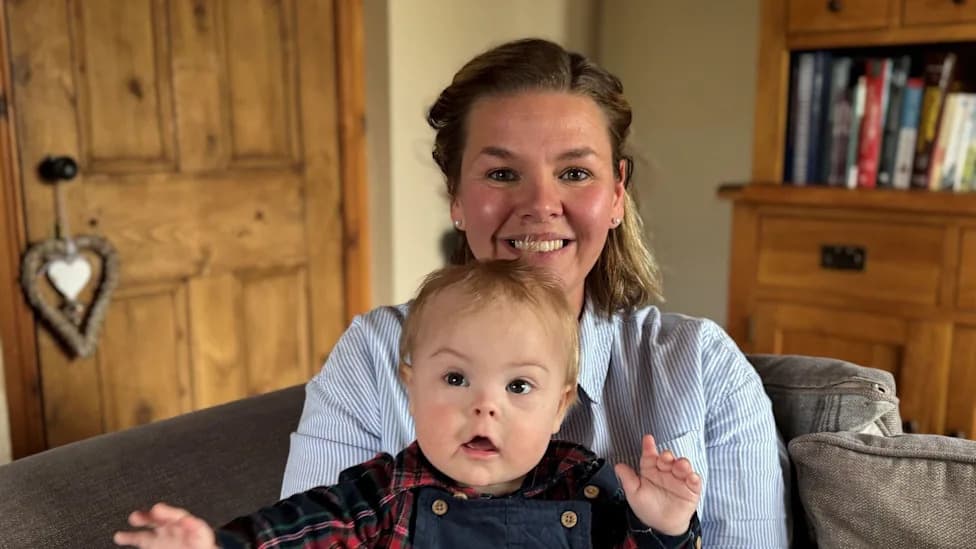
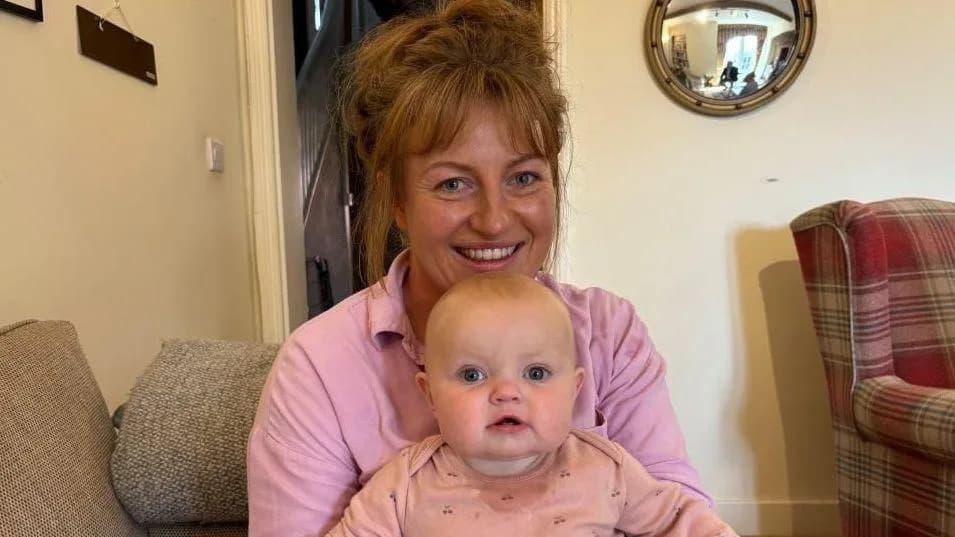
Emma said donating her breast milk had been "such a worthwhile thing to do" [BBC]
Emma's son Bert was born in November 2025 at the Princess Royal Hospital in Telford with Down's syndrome and oesophageal atresia, a congenital condition that prevents food from reaching the stomach.
When Bert developed sepsis at three weeks old he spent 16 weeks in intensive care at Birmingham Children's Hospital and was nil by mouth, unable to feed at the breast. Faced with the emotional and practical challenges of that time, Emma decided to donate any surplus milk to other neonatal families.
"I sat there thinking I'm going to have a lot of milk to give away. I saw a number of mothers that really struggled to express milk. I thought, let's donate mine to other neonatal babies," she said. To date Emma has donated more than 90 pints to the Human Milk Bank at Birmingham Women's Hospital and hopes to reach 100 pints by Bert's first birthday in November — a way of "giving something back" to the NHS, which she describes as "absolutely phenomenal."
The Human Milk Bank
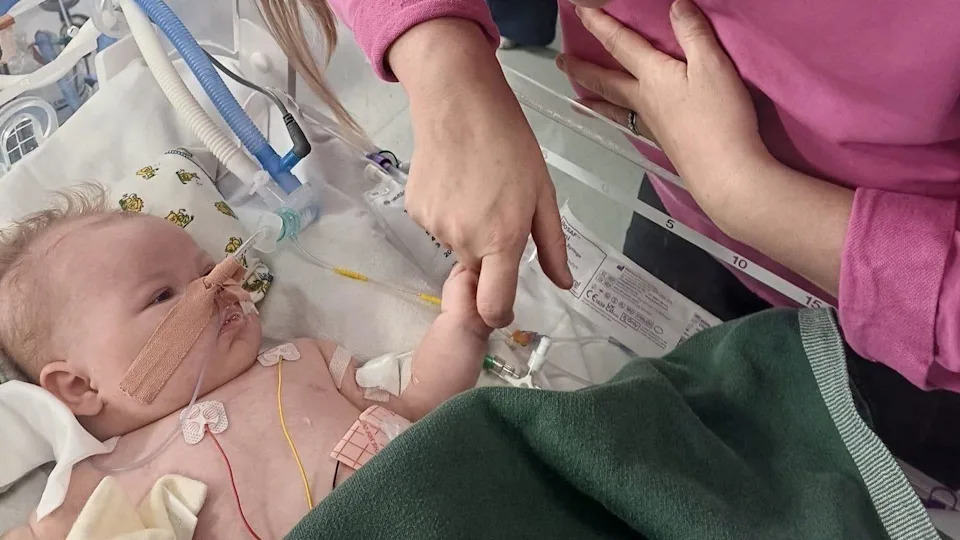
Bert was nil by mouth while he was in intensive care, meaning Emma was unable to breast feed [Family]
The Human Milk Bank at Birmingham Women's Hospital is the only centre of its kind in the Midlands. Last year it supplied around 1,900 pints of donor milk to premature and unwell infants across the region whose mothers were unable to breastfeed. The service recently marked its 75th anniversary and is urging mothers with babies under one year old to consider donating if they have excess milk — demand often outstrips supply.
How Donations Work
Potential donors undergo screening that includes a blood test and a lifestyle questionnaire to make sure donated milk is safe for vulnerable newborns. Emma expresses using a pump for about half an hour at a time, up to four times a day; she decants milk into storage bags, freezes it and arranges collection by the Blood Bikes charity, which delivers it to Birmingham.
Donated milk is checked on arrival, pasteurised and stored at the Human Milk Bank until required by hospitals and neonatal units.
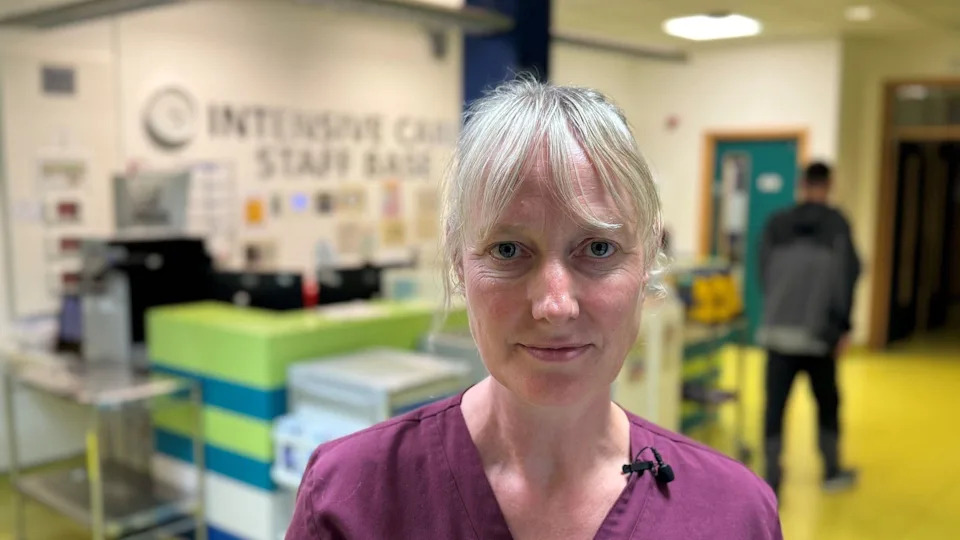
Consultant Neonatologist Dr Gemma Holder said donor milk gives mothers who cannot breastfeed the time and space to allow their own supply to come in [BBC]
Why Donor Milk Matters
Dr Gemma Holder, a consultant neonatologist at Birmingham Women's Hospital, explains that donor milk not only provides essential nutrition for premature and sick babies, but also gives families time and space for their own supply to establish. Many parents cannot express their own milk immediately — because they live far away, have other commitments, or are themselves unwell — and stress can inhibit lactation. "We think of donor milk as a medicine," said Donna Hearnden, the milk bank manager. "It can absolutely help to save lives."
Public Health Guidance
NHS England recommends exclusive breast milk for the first six months of life where possible; exclusive breastfeeding or expressed breast milk reduces the risk of infections, diarrhoea, sudden infant death syndrome (SIDS), childhood obesity and even some long-term cardiovascular risks.
A Personal Commitment
Emma, who works as a senior lecturer specialising in dairy cow production and lives near Oswestry in Shropshire, says she feels privileged to help tiny babies and other parents who face situations like hers. "Knowing I can help other mothers, parents and tiny babies who were in our situation is a real privilege," she said.
If you have breast milk to spare and a baby under one year old, consider contacting your local milk bank — your donation could give another family time, space and a vital start.
Help us improve.