Menna Hulme from north Shropshire is the first woman in Europe to enrol in a Keele University trial testing a Group B Streptococcus (GBS) vaccine during pregnancy. GBS early-onset disease affects about 1 in 1,750 babies in the UK and is linked to roughly one infant death per week. Hulme received the vaccine at 34 weeks and later delivered a healthy daughter; researchers hope the vaccine can prevent infections, deaths and stillbirths, particularly in low- and middle-income countries.
First in Europe: Pregnant Woman Joins World-First Strep B Vaccine Trial to Protect Newborns
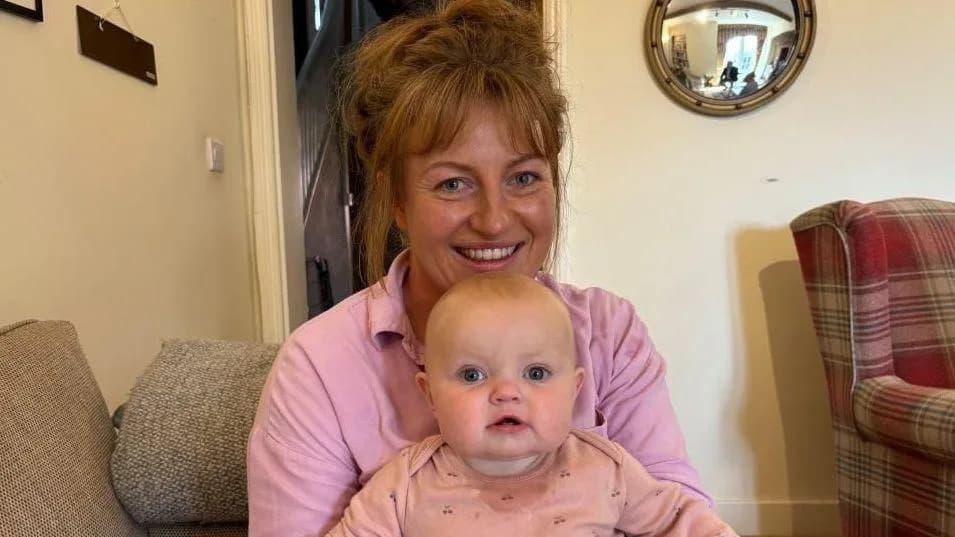
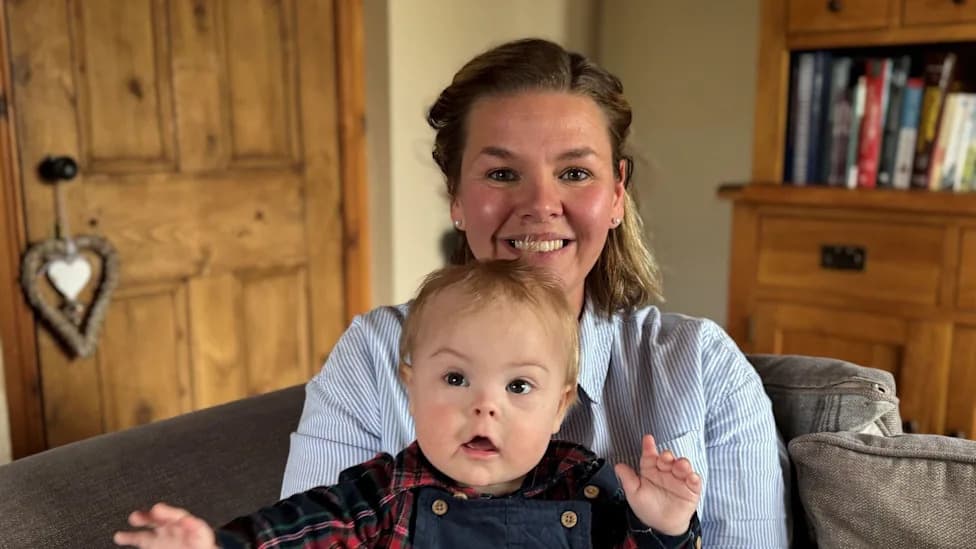
Menna gave birth to her third child after having an experimental Strep B vaccine [Charlie Stubbs / BBC]
Menna Hulme, a mother from English Frankton in north Shropshire, has become the first woman in Europe to enrol in a Keele University-led trial testing a vaccine against Group B Streptococcus (GBS) in pregnancy. Hulme received the trial vaccine at 34 weeks and later gave birth to a healthy daughter in January.
Why the Trial Matters
Group B Streptococcus (GBS) can be passed from mother to baby during birth and, in its early-onset form, is estimated to affect about 1 in 1,750 babies in the UK. GBS is linked to roughly one infant death per week in the UK. Current prevention relies on giving intravenous antibiotics during labour to women known to carry the bacteria; there is no routine national antenatal vaccine for GBS.
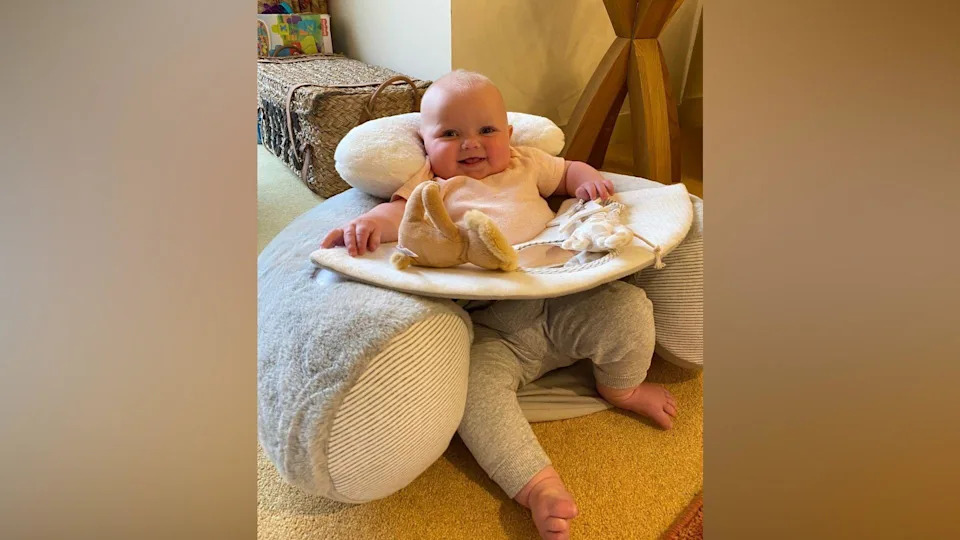
Her third child did not have any health complications when she was born [Family]
Hulme's Experience and Decision
During her first pregnancy, Hulme learned she carried GBS after a urine test and a later swab. She said the diagnosis felt daunting early in pregnancy and that receiving IV antibiotics in labour — while not her preference — felt like the safest option at the time.
'There is no routine screening for it as such. From my experience it was just by chance that it was picked up,' Hulme said. 'I was reassured that it was as safe as can be for me, so with my experience and knowing what it can do, it just made sense for us to take part.'
About the Trial
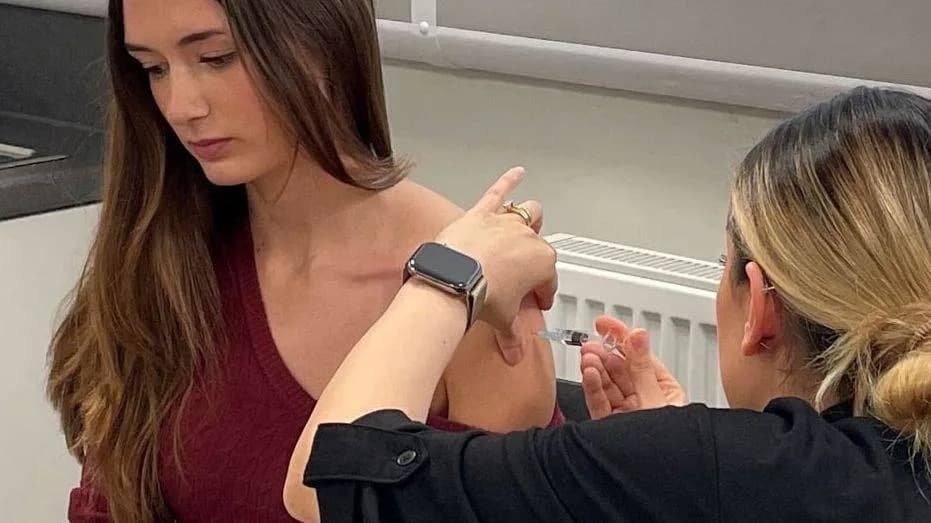
The trial is led by Professor Will Parry-Smith at Keele University. Researchers are testing whether vaccinating pregnant women can prevent babies from acquiring GBS at birth and reduce infections, deaths and stillbirths. Hulme received the vaccine at the Princess Royal Hospital in Telford when she was 34 weeks pregnant.
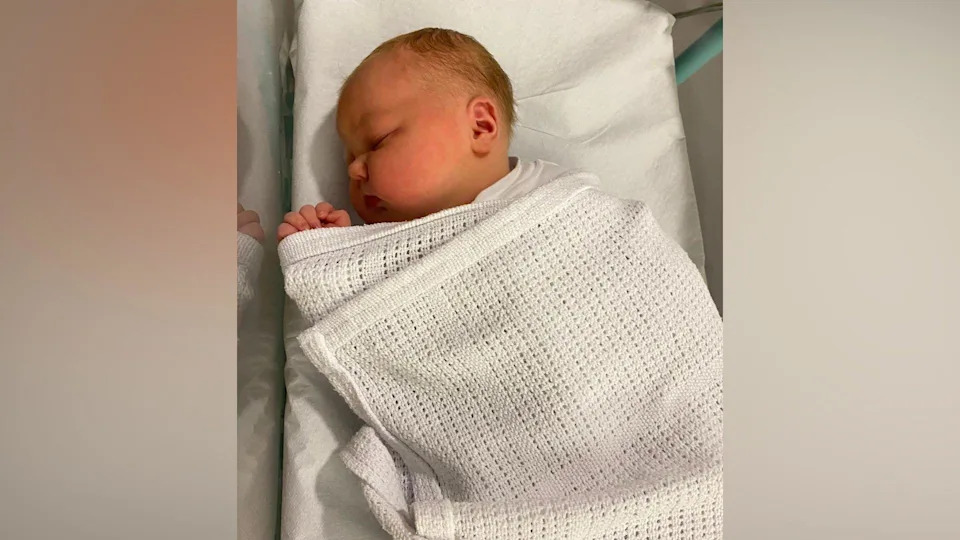
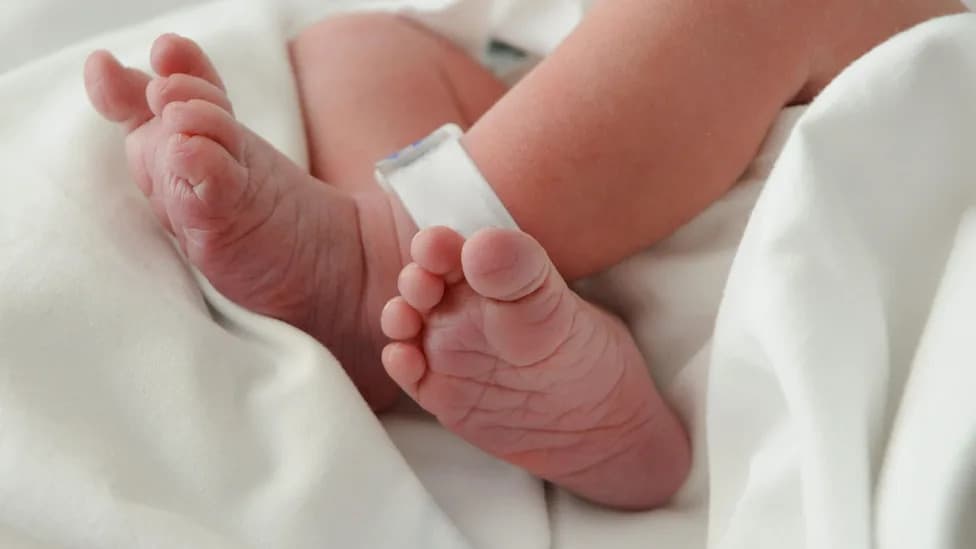
Her daughter was born in January at 9lbs 6 ounces (4.25kg) [Family]
Local Impact and Global Potential
According to the National Institute for Health and Care Research (NIHR), Shrewsbury and Telford Hospitals NHS Trust deliver around 4,000 babies a year from mothers who carry GBS, with more than 60,000 such deliveries across the wider West Midlands. The research team is now inviting more pregnant women to join the trial.
'People in Shropshire are very keen to take part in vaccine studies,' Professor Parry-Smith said. 'Volunteers often take part to help drive care for future pregnant mothers and families. A vaccine could be particularly important in low- and middle-income countries, where preventing infection is far more achievable than treating sick babies with limited resources.'
Outcome
Hulme's daughter was born in January weighing 9lbs 6oz (4.25kg) and experienced no health complications. Researchers hope the trial will help produce a safe, widely available vaccine that reduces GBS-related illness, deaths and stillbirths worldwide.
What This Means: The trial represents an important step toward preventive care for newborns that could shift the approach from treating infections to preventing them—especially in settings with limited healthcare resources.
Help us improve.