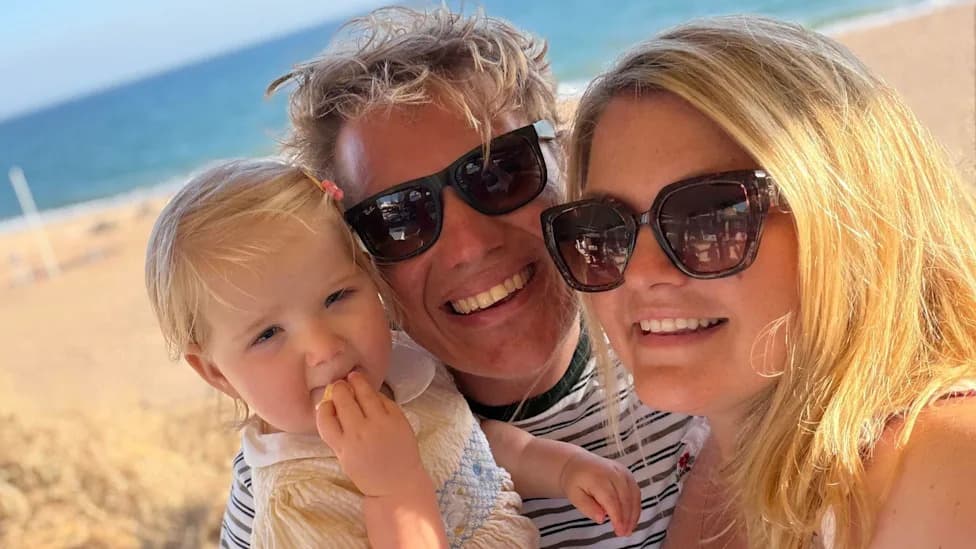
A Bath family say a chatbot helped them identify a very rare genetic disorder in their 19‑month‑old daughter — and they are now fundraising to support research while medical experts warn about relying on AI for diagnosis.
How AI Helped
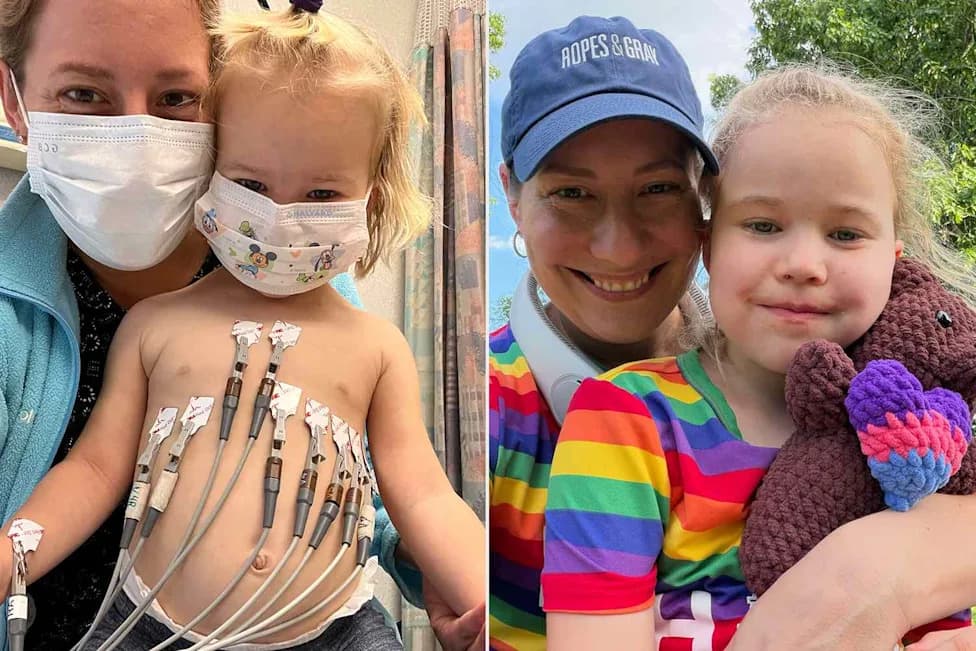
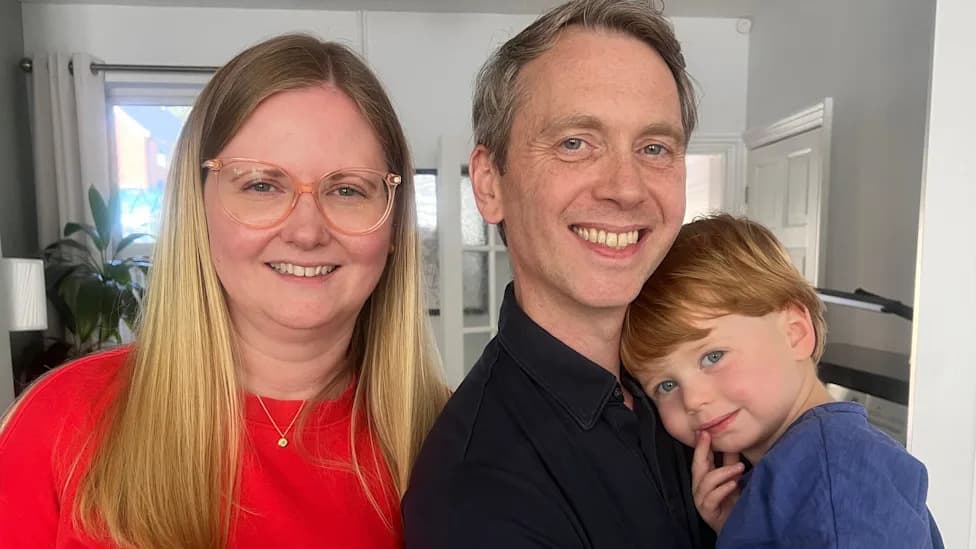
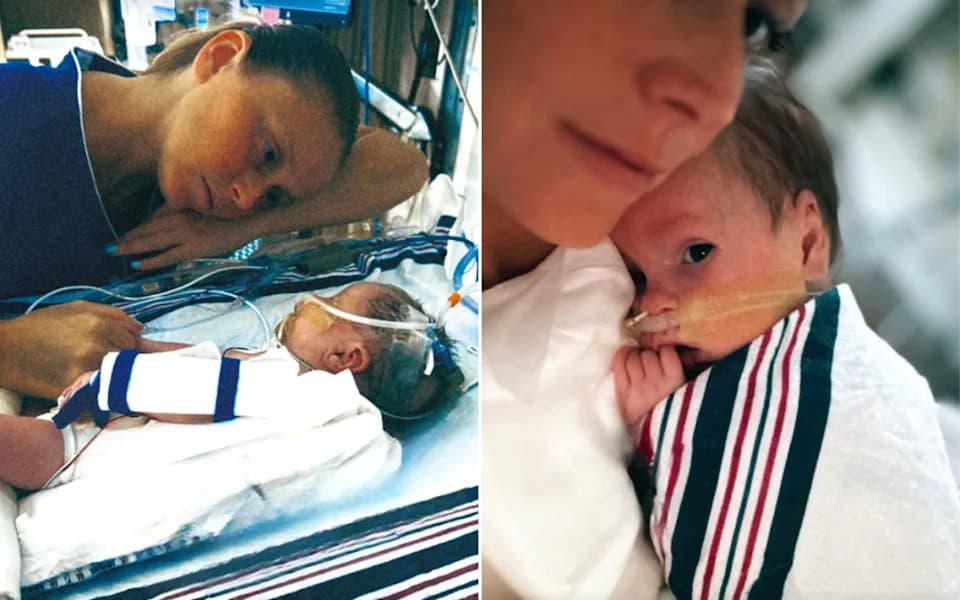
Lily underwent heart surgery at four months old for an unexplained cardiac problem. In January, clinical tests confirmed she has Multisystemic Smooth Muscle Dysfunction Syndrome (MSMDS). Her mother, Rosie, says she entered Lily’s symptoms into ChatGPT and the tool suggested MSMDS as a possible match. When the family mentioned the possibility to clinicians, "some of them had never heard of it; others said it is so rare it's very unlikely," Rosie recalled.
Expert Warnings
"While we welcome AI's potential to improve outcomes for families, we'd also urge caution," said Nick Meade, chief executive of Genetic Alliance UK. "Machine learning models learn mainly from whatever appears most often in their training data — and rare conditions are precisely the cases most likely to be missed or misrepresented."
Dr Rebecca Payne, co‑author of a University of Oxford study on AI in medicine and a practising GP, told the BBC: "Despite all the hype, AI just isn't ready to take on the role of the physician. Patients need to be aware that asking a large language model about their symptoms can be dangerous, giving wrong diagnoses and failing to recognise when urgent help is needed."
About MSMDS
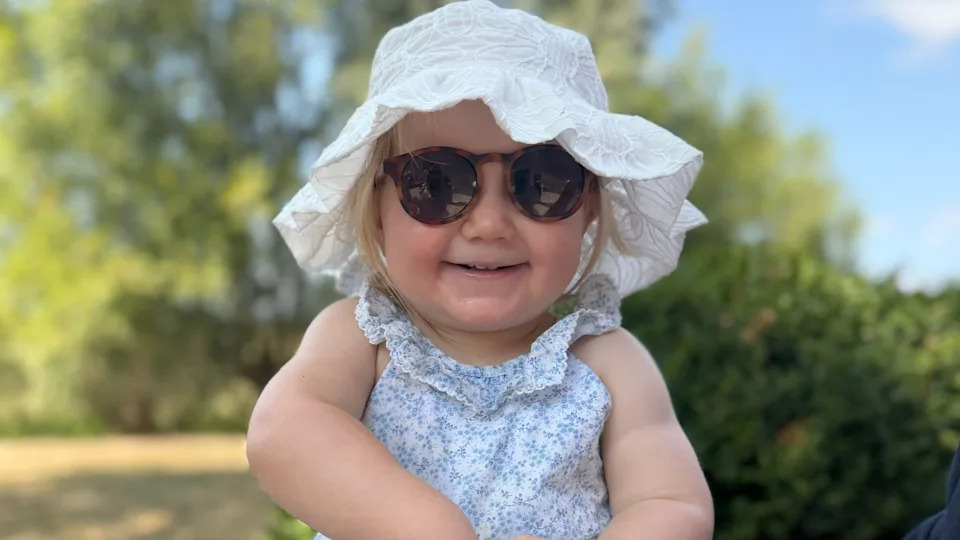
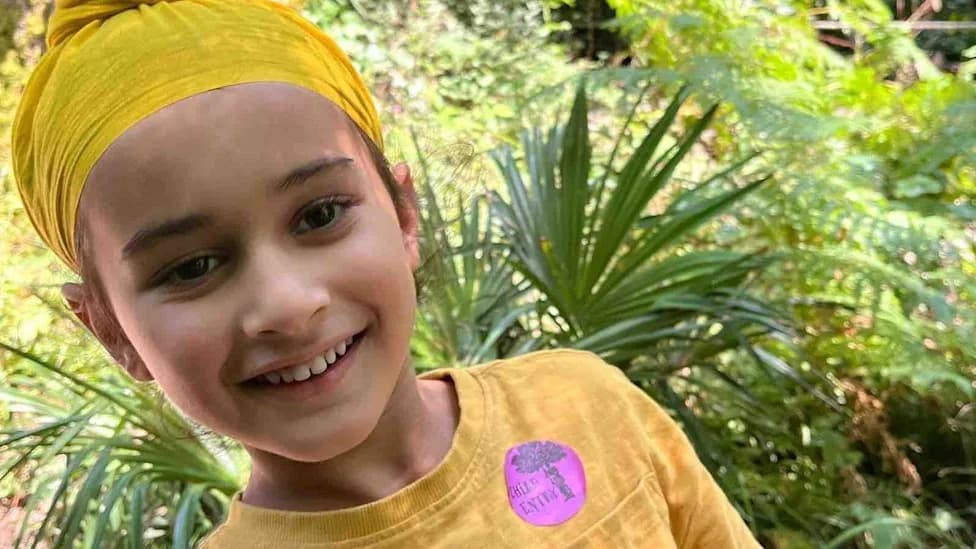
MSMDS is caused by a specific mutation in the ACTA2 gene and can affect multiple organs, including the heart and kidneys. In Lily’s case, in addition to cardiac issues, Rosie noticed her daughter’s pupils were persistently dilated; Lily now wears sunglasses outdoors. Worldwide, around 70 people are known to have MSMDS, and the condition has been recorded in about six people in the UK.
Lily is one of only 70 people worldwide to have Multisystemic Smooth Muscle Dysfunction Syndrome [Family handout]
Care, Research And Fundraising
Lily is under the care of specialists at Great Ormond Street Hospital and Bristol Royal Hospital for Children; the BBC contacted both hospitals but had not received a reply at the time of publication. Rosie and her partner Jonny have launched ACTA2 Alliance UK to raise money for research and to help build data about the condition.
The family say international research led from Boston is exploring potential treatments and a cure, while UK researchers are pursuing other promising approaches. They are currently aiming to raise £30,000 to fund a proof‑of‑concept study. This week the family held a "move‑a‑thon," asking supporters to log every mile they walk, dance, swim or run to help cover the roughly 3,300‑mile distance from Bath to Boston.
"We feel we are on a bit of a ticking time bomb because it is a progressive condition. We're on a journey to find a cure, and we're funding vital medical research that could lead to that," said Lily’s grandfather, Andy.
What This Means
Lily’s case highlights both the potential usefulness of AI tools to flag rare possibilities and the limitations of current large language models for medical decision‑making. Experts recommend using AI only as a starting point and always seeking specialist medical advice and genetic confirmation for rare diagnoses.