The White House has launched a "Super Intelligence Force" to coordinate federal policy on artificial intelligence and named Director of National Intelligence Jay Clayton as chair. The task force has 120 days to assess AI risks and define federal responsibilities, with the option to extend the timeline or fold duties into an agency. Leadership includes three vice chairs and senior administration officials, and outside advisers such as David Sacks and Condoleezza Rice. Officials said the private sector will remain the primary driver of risk management while the task force audits government alert systems and aims to avoid overregulation.
White House Launches 'Super Intelligence Force'; Jay Clayton Tapped As AI Czar
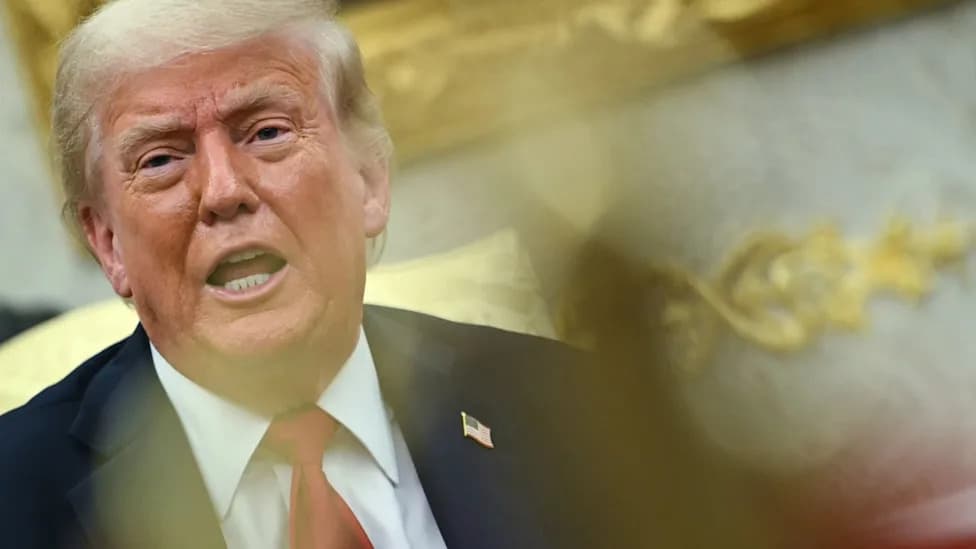
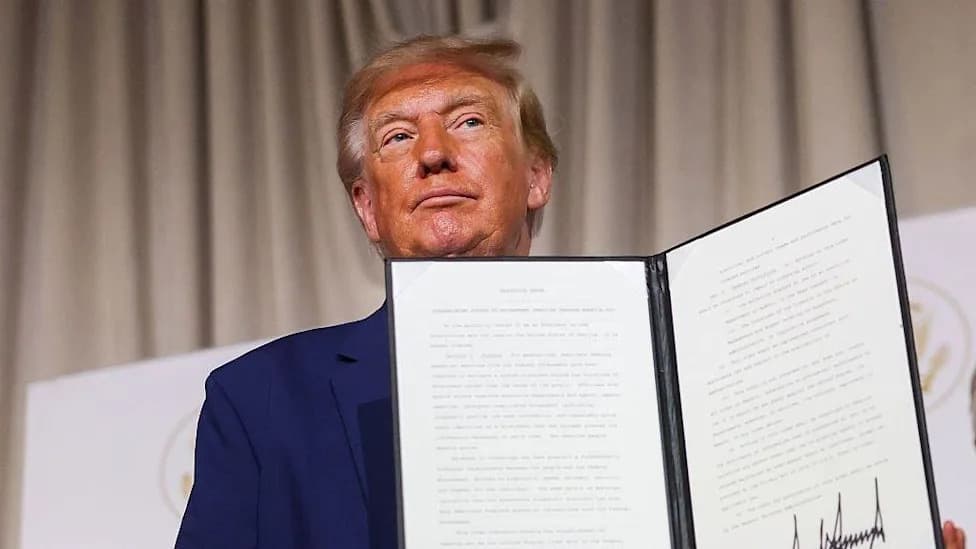
Trump forms "Super Intelligence Force" AI task force with Jay Clayton as chair hero image
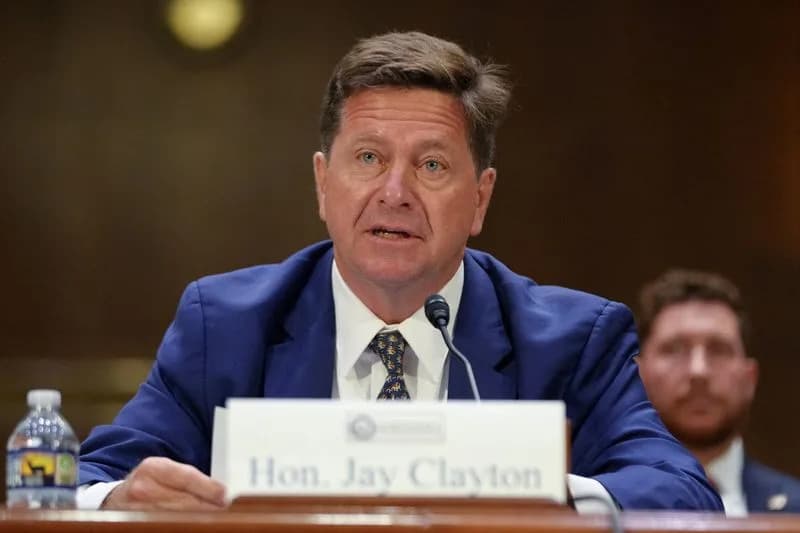
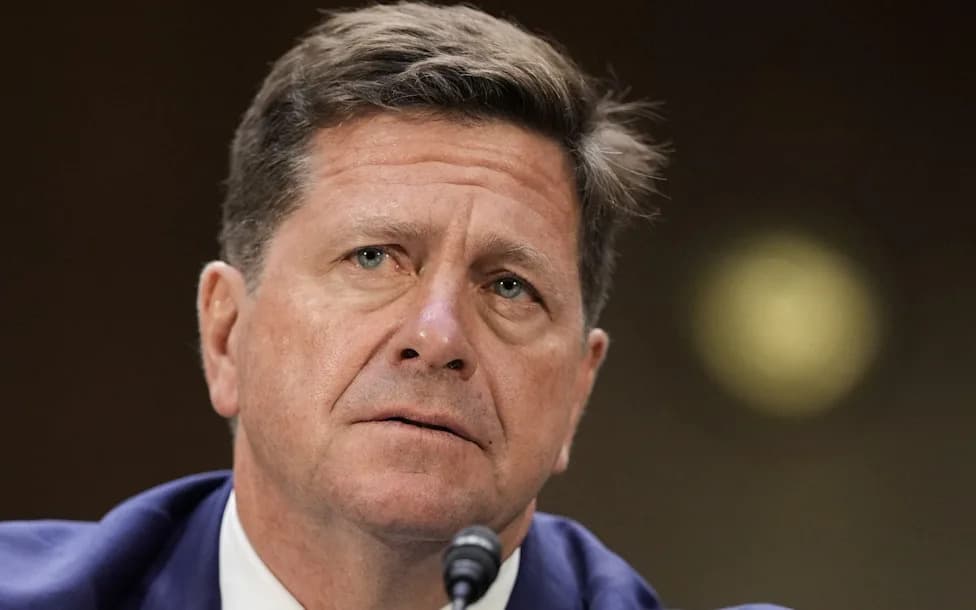
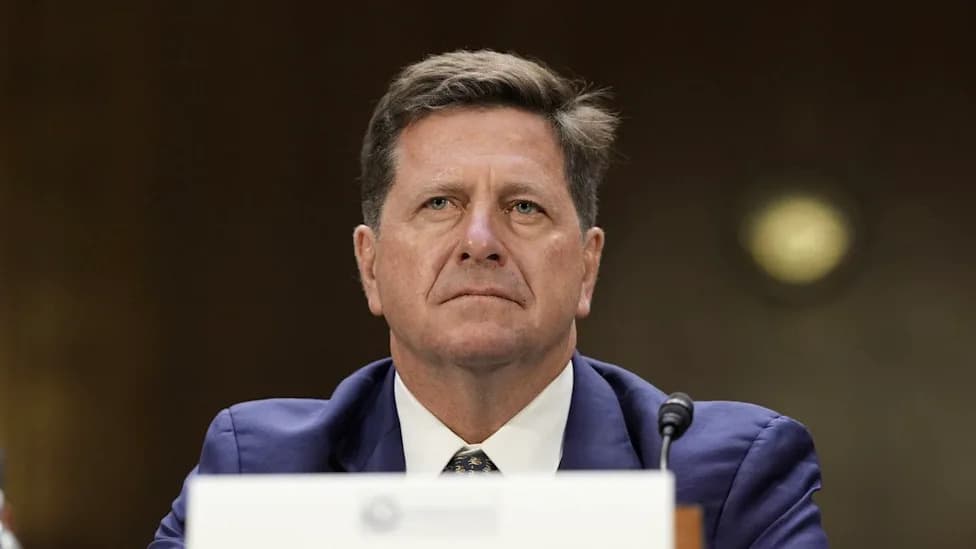
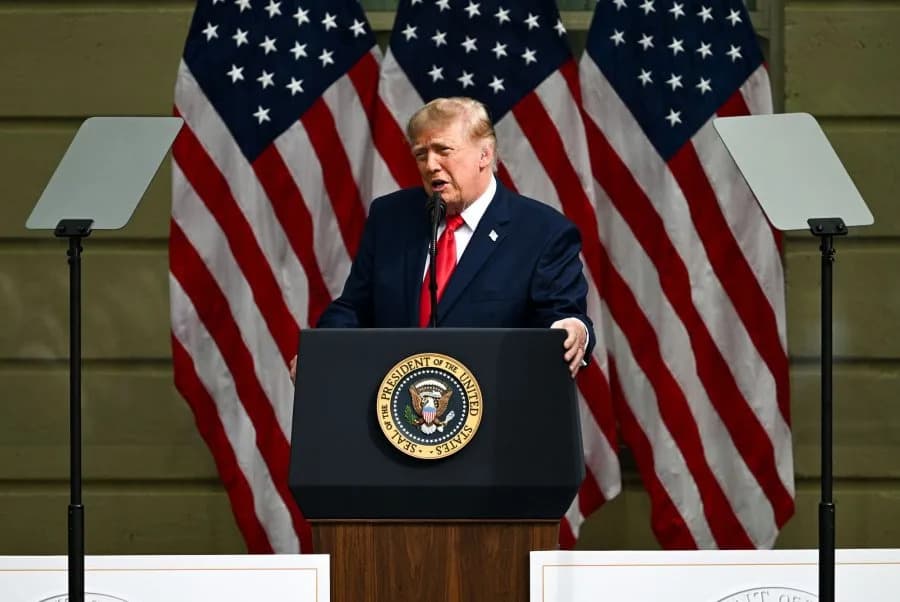
President Donald Trump announced the creation of a federal "Super Intelligence Force" to coordinate the government's approach to artificial intelligence and named Director of National Intelligence Jay Clayton as its chair.
Leadership and Membership
The task force's leadership will include three vice chairs and senior officials from across the administration. According to The Wall Street Journal, Emil Michael (listed as an undersecretary for research and engineering) will act as the liaison to AI companies; Scott Kupor will lead outreach to critical infrastructure providers and industry stakeholders; and Federal Trade Commission Chairman Andrew Ferguson will represent consumer interests, including religious groups, children's advocates, and privacy and free-expression organizations.
Membership is expected to draw from senior government ranks — reportedly including Vice President JD Vance, Defense Secretary Pete Hegseth, Treasury Secretary Scott Bessent, and White House Chief of Staff Susie Wiles — with outside advisers such as David Sacks and former Secretary of State Condoleezza Rice providing counsel, the latter focusing on national security issues.
Mandate, Timeline and Tasks
The task force's charter gives it 120 days to assess AI's risks and opportunities and to define the appropriate scope of federal responsibility. The charter allows for the work to be extended beyond the 120-day window or for the group's functions to be transferred into an existing government agency.
"The risk of not being first is high," Clayton told The Wall Street Journal. "Not being first increases the identified, and unidentified, risks, particularly from our adversaries."
The charter directs the group to develop plans for responding to "SI-enabled" threats while guarding against overregulation and regulatory capture that could stifle innovation and competition. It also calls for an audit of how the government currently receives alerts about breaches, hacks, and jailbreaks, and for recommendations to strengthen those systems using existing authorities.
Role Of The Private Sector And Recent Industry Commitments
Officials told the Journal the private sector will remain the principal driver of AI risk management, with the task force serving in a supporting — rather than a commanding — role. Clayton pointed to financial-industry risk models developed with the Federal Reserve and the Securities and Exchange Commission as a possible template for collaboration with AI companies.
The announcement follows a White House meeting in which industry leaders, including OpenAI President Greg Brockman, Anthropic CEO Dario Amodei, and Nvidia CEO Jensen Huang, agreed to voluntary commitments such as in-house model monitoring, third-party reviews, and board-level safety disclosures.
Context
The move comes amid growing public concern about AI. Recent polls cited in prior reporting show broad worry among Americans about AI-related harms and questions about whether companies are doing enough to prevent them.
What to watch next: whether the task force extends beyond its initial 120-day mandate, how its recommendations interact with industry-led safety measures, and whether its audits lead to concrete improvements in government threat-alerting and response systems.
Help us improve.