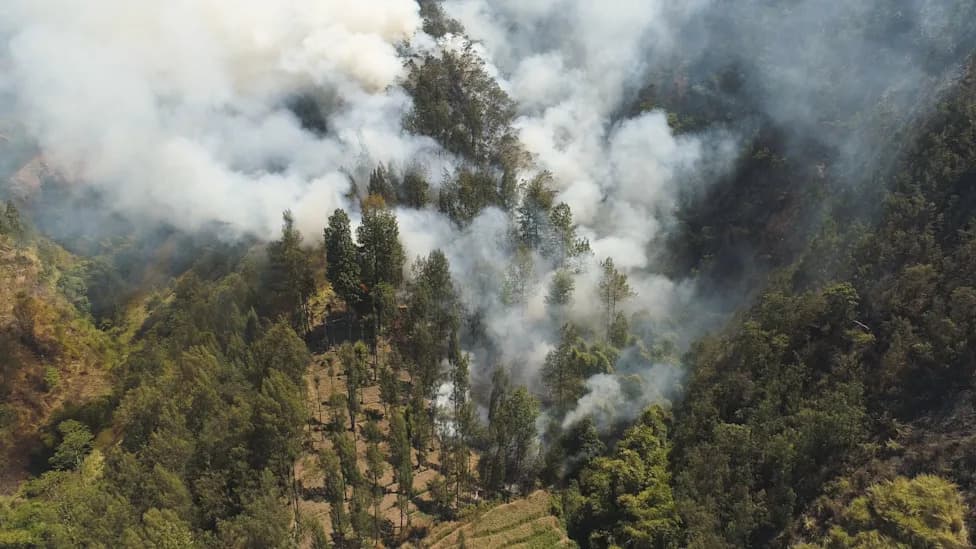
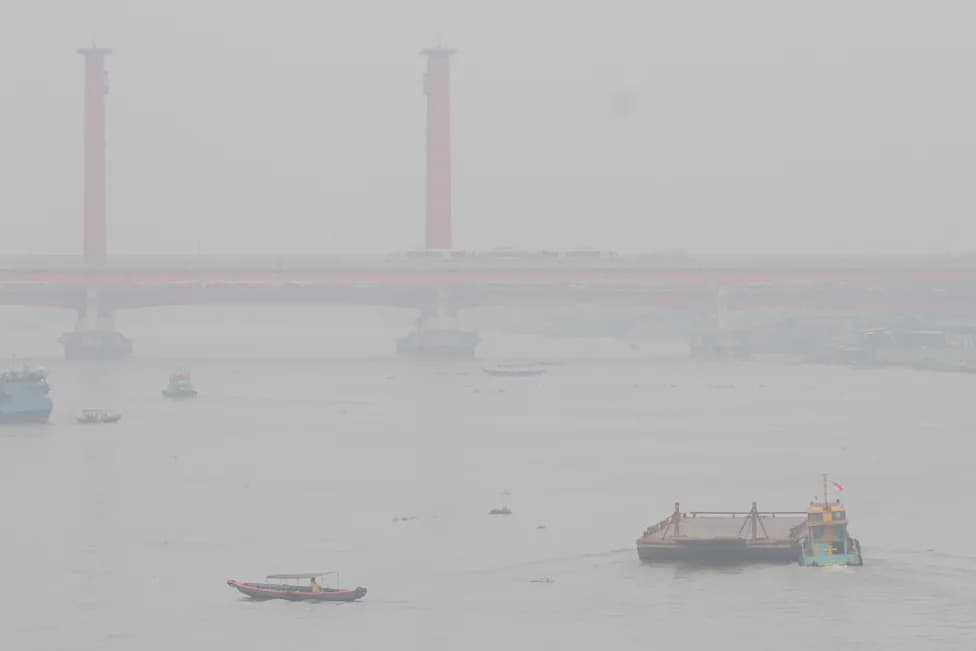
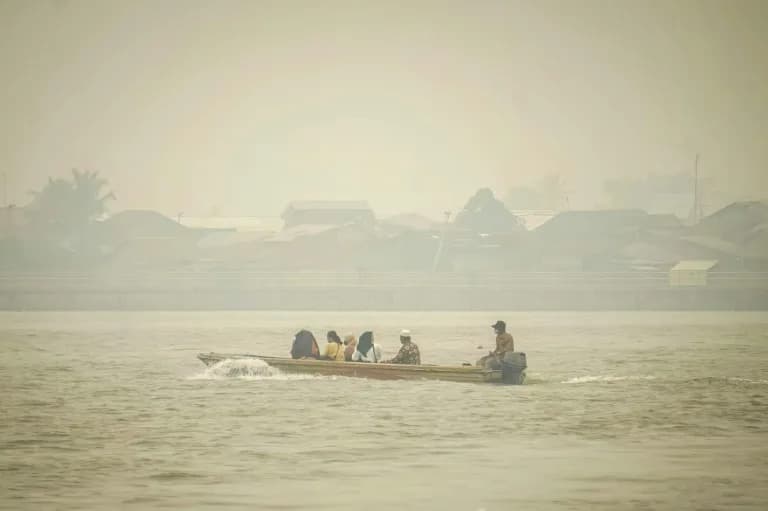
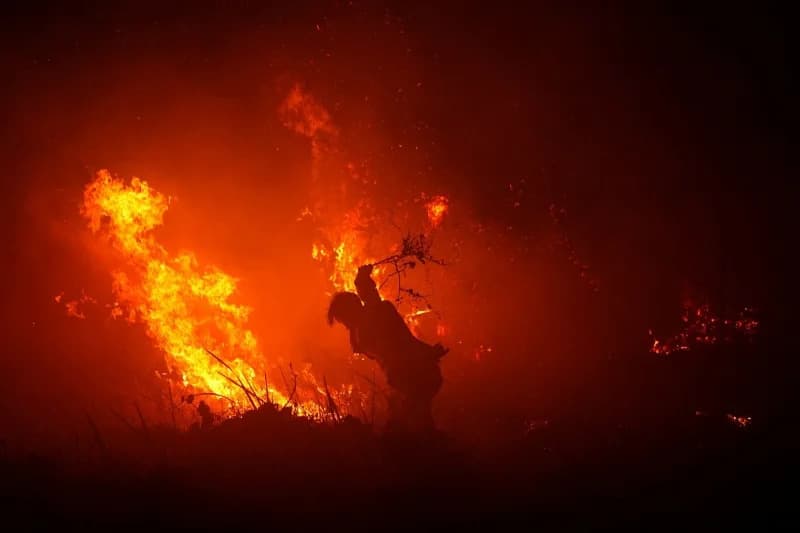
Environmental groups say a drop in detected hotspots does not mean Indonesia's wildfire crisis is over, because peatland fires can smoulder underground and re‑ignite. Pantau Gambut estimates about 16 million of Indonesia's 24 million hectares of peatland are now more fire‑prone, and only 3% of peatland damaged from 2015–2019 has been restored. The Forestry Ministry says it remains on high alert as hazardous haze pushes Palembang’s air quality to extreme levels.
Drop In Hotspots Won't End Crisis: Peat Fires Still Threaten Indonesia
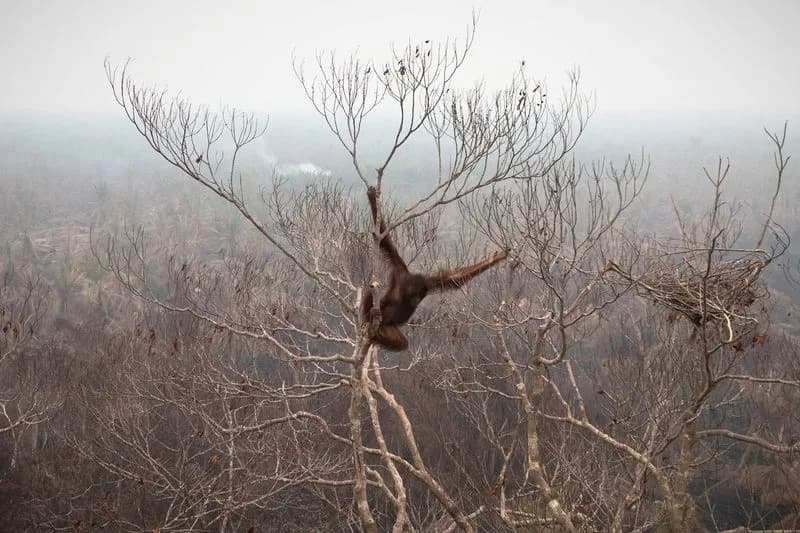
A drone view of an orangutan hanging on a tree inside a High Conservation Value (HCV) concession area of a palm-oil plantation affected by wildfires, before being rescued in Laman Satong village, Ketapang regency, West Kalimantan province, Indonesia, September 30, 2026. REUTERS/Victor Fidelis Sentosa
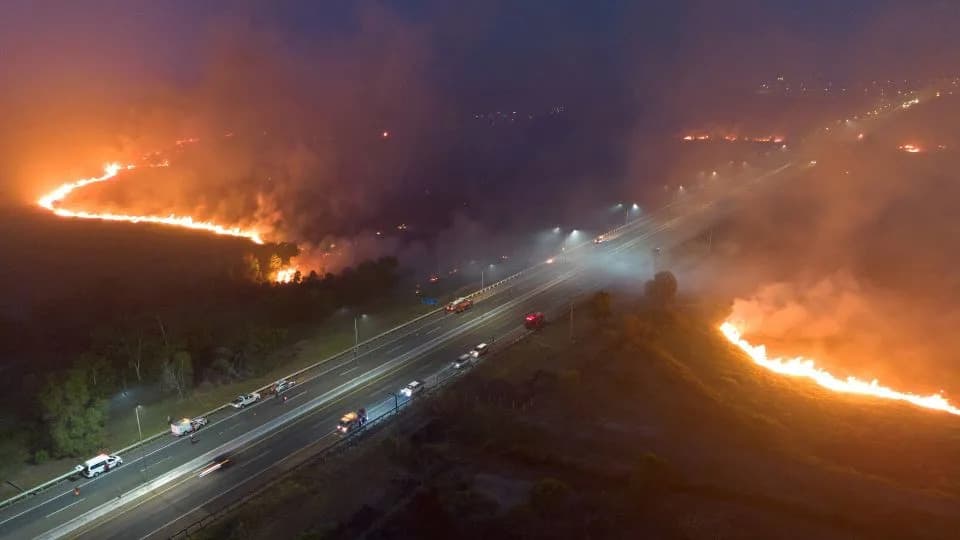
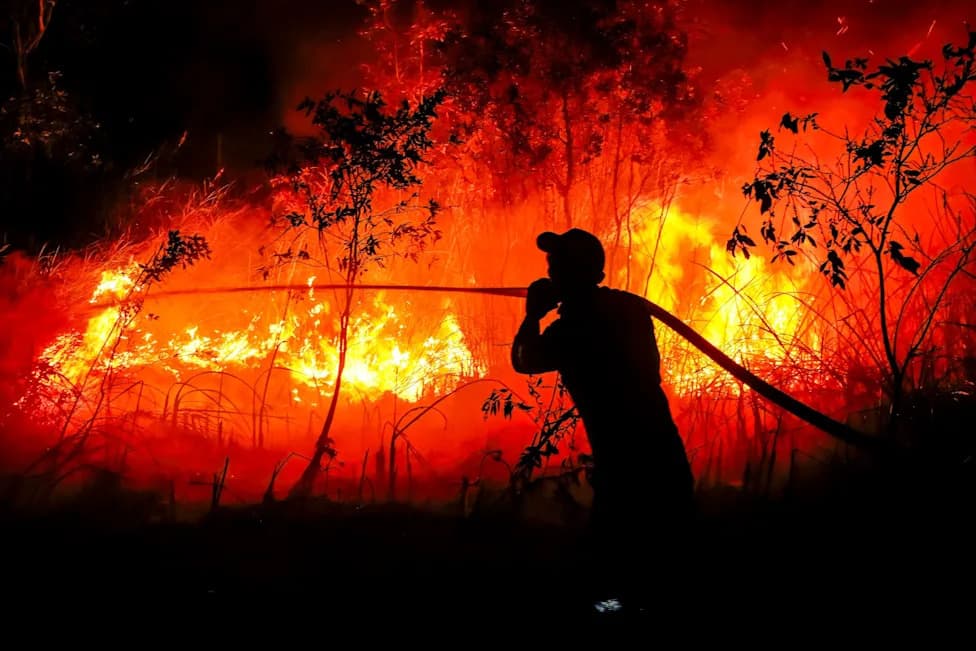
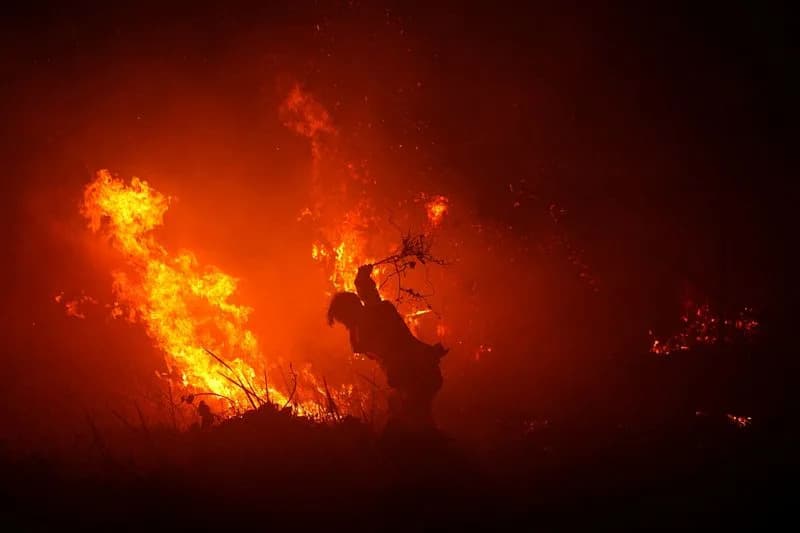
Environmental groups have urged the Indonesian government to remain on high alert for wildfires despite a recent fall in recorded hotspots, warning that peatland fires — which can smoulder underground for long periods — still pose a serious danger amid prolonged hot, dry conditions.
Current Situation
The archipelago is experiencing its most severe wildfire season in 11 years, a situation experts link in part to a "super El Niño" event that has raised temperatures and dried vegetation nationwide. Fires and resulting haze have driven a spike in respiratory illnesses across Indonesia and sent hazardous smoke over neighbouring Malaysia and Singapore.
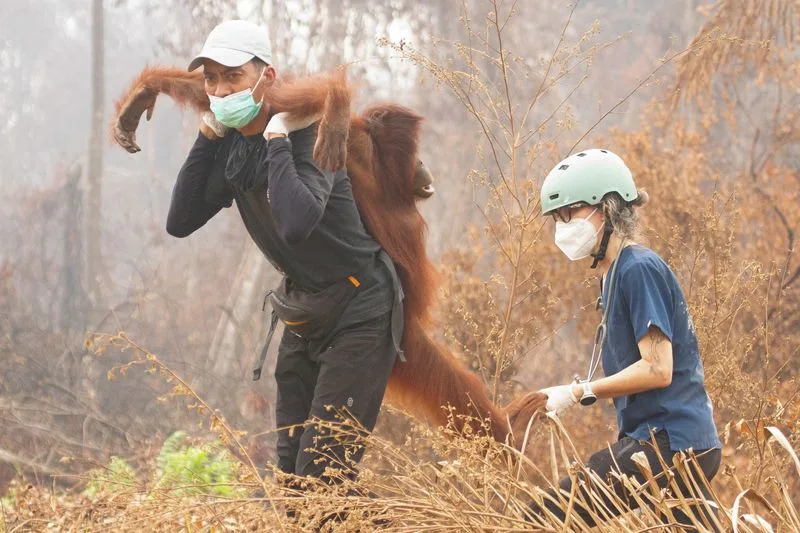
A rescuer and a veterinarian with wildlife foundation Yayasan Inisiasi Alam Rehabilitasi Indonesia (YIARI) carry an orangutan after being rescued by, at a High Conservation Value (HCV) concession area of a palm-oil plantation that affected by wildfires, in Laman Satong village, Ketapang regency, West Kalimantan province, Indonesia, September 30, 2026. REUTERS/Victor Fidelis Sentosa
Why Peat Fires Are Different
Indonesia’s Forestry Ministry reported that detected hotspots nearly halved between Friday and Saturday, but campaigners cautioned that falling hotspot counts alone are not a reliable sign of progress.
"A reduction in hotspots should not be cited by the government as a key indicator of success, given that the characteristics of peatland fires differ from those of fires on mineral soil," said Putra Saptian, a campaigner with peatland protection group Pantau Gambut.
Peat fires can burn through underground organic layers, producing persistent smouldering that allows blazes to re-emerge even after surface flames appear to be controlled. Pantau Gambut estimates that of roughly 24 million hectares of Indonesia's peatland, about 16 million hectares have been made more fire-prone due to ecosystem damage such as deforestation and lowered water tables.
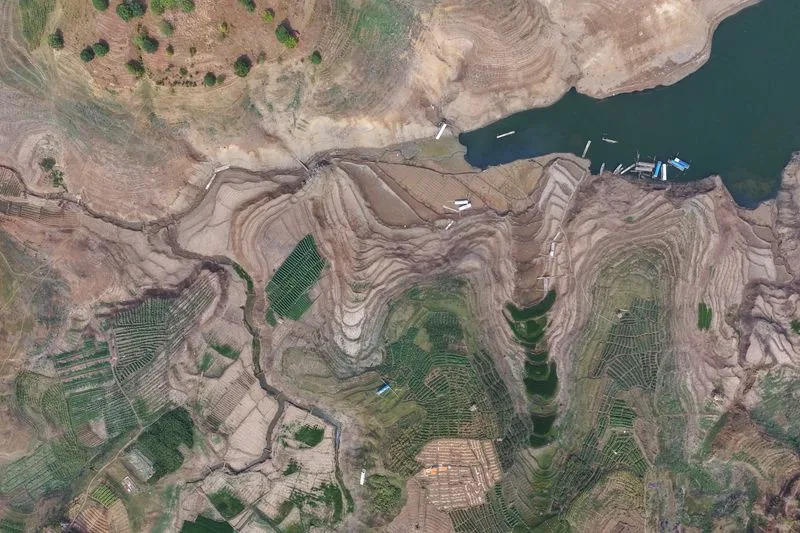
A drone view shows areas exposed from Jatigede Reservoir as water levels recede amid drought during the dry season in Sumedang Regency, West Java province, Indonesia, October 1, 2026. REUTERS/Claudio Pramana
Restoration, Response, And Local Impact
The group’s analysis covering 2015–2019 found only about 3% of peatland areas damaged by fire in that period have been restored to forest, prompting calls for stronger and faster government action. Last month, President Prabowo Subianto announced a new Peatland and Mangrove Restoration Agency to coordinate rehabilitation efforts across vulnerable landscapes.
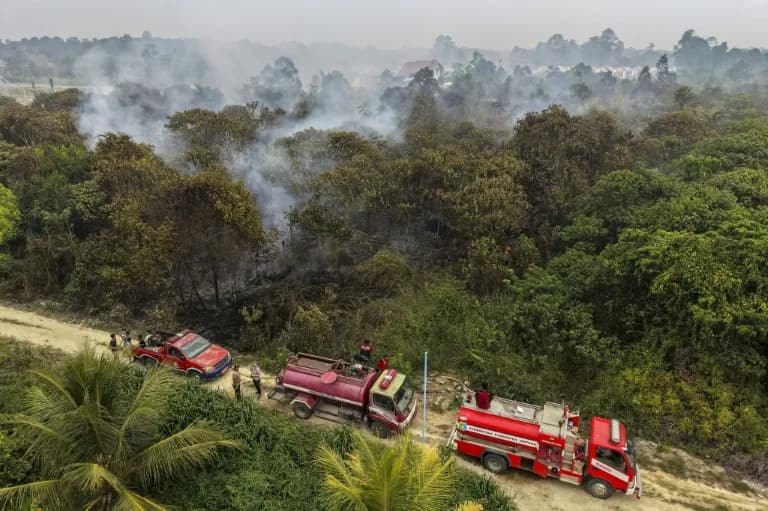
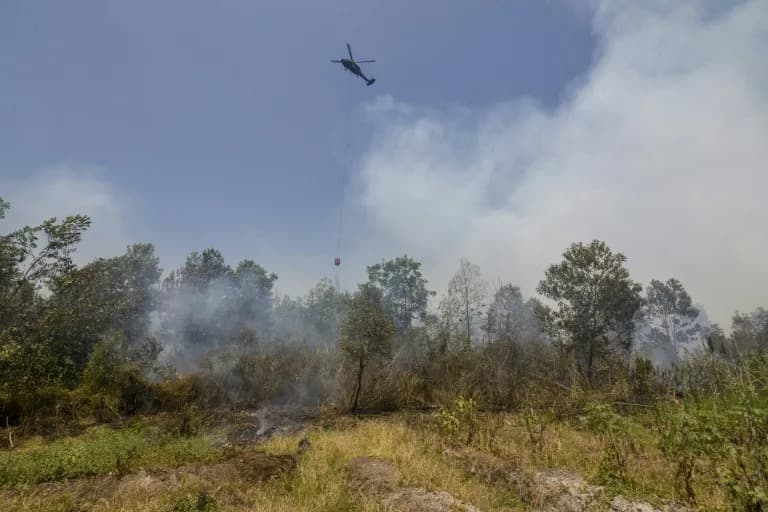
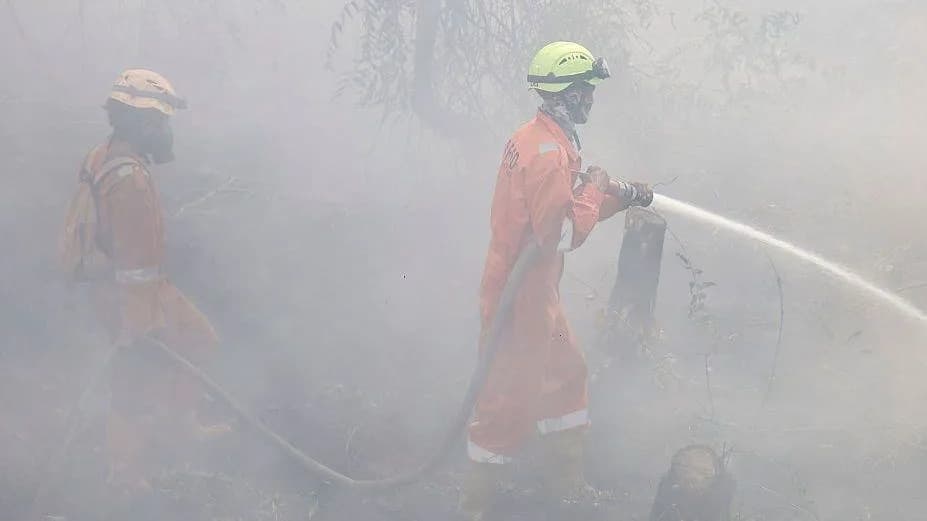
The Forestry Ministry said it remains on high alert and will continue containment efforts, with special focus on peat fires because they are notoriously difficult to extinguish.
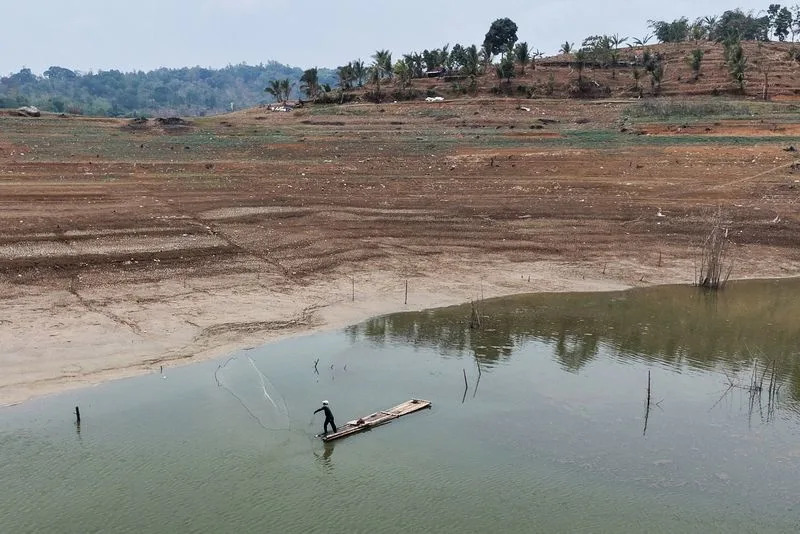
A drone view shows a fisherman casting his net at Jatigede Reservoir as water levels recede amid drought during the dry season in Sumedang Regency, West Java province, Indonesia, October 1, 2026. REUTERS/Claudio Pramana
"Dust is clinging to our clothes: imagine what that would do to our lungs," said Kartika Lestari, an environmental campaigner in Palembang, where haze from peat fires turned the sky yellowish and air pollution reached dangerously high levels.
Authorities reported the air pollution index in Palembang topped 1,000 on Monday — far above the 300 threshold classified as "hazardous" — creating immediate health risks for residents and first responders.
Calls For Accountability
International and local NGOs, including Greenpeace, have urged the government to investigate and pursue companies linked to land clearing and fires, including some firms based in Malaysia that operate in Indonesia. Malaysia’s Natural Resources and Environmental Sustainability Minister Arthur Joseph Kurup warned at a briefing that "the worst is yet to come," as hot, dry conditions are expected to persist into the new year.
Outlook: Authorities face the dual challenge of extinguishing ongoing blazes and accelerating peatland restoration to reduce the long-term risk of re-ignition. Sustained monitoring, enforcement against illegal burning and large-scale restoration will be critical to preventing future seasons of catastrophic haze.
Help us improve.