The Joseph Rowntree Foundation warns Scotland is likely to miss its legally binding child poverty targets without radical, well-funded reforms to local government, public services and taxation. The report finds one in five Scottish children lived in relative poverty on average from 2022–2025 and estimates 940,000 people (17% of the population) in relative poverty. JRF calls for income-based statutory targets, council funding reform and investment in jobs, childcare, social security and affordable housing.
Charity Warns Scotland Will Miss Child Poverty Targets — Calls for Radical, Funded Reforms
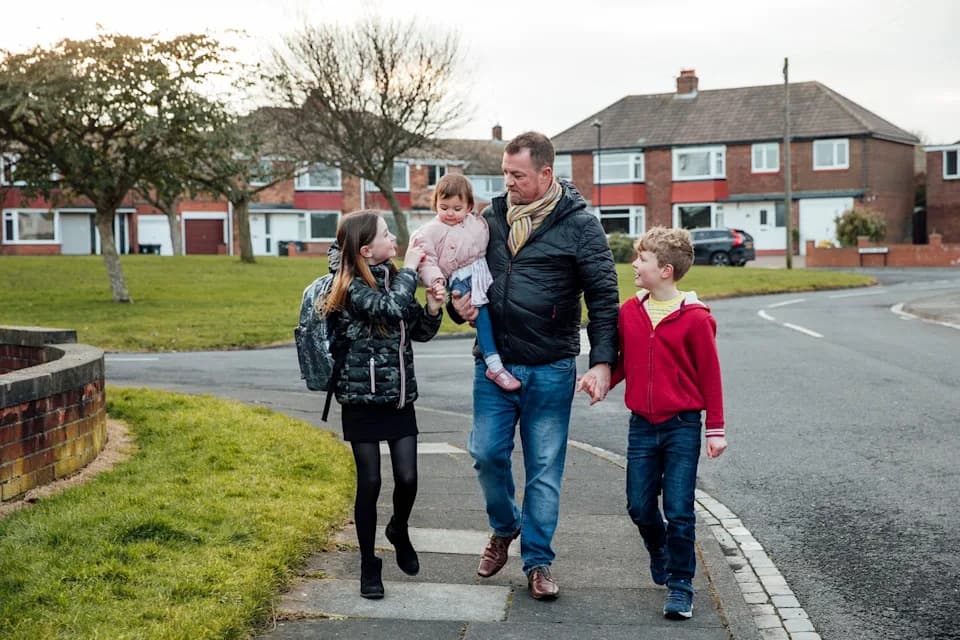
[Getty Images]
The Joseph Rowntree Foundation (JRF) warns that Scotland is on course to miss its legally binding child poverty targets "by a wide margin" unless ministers adopt far-reaching, properly funded reforms. The charity’s latest Poverty in Scotland report finds one in five children living in poverty and urges ministers to rewire local government, public services and the tax system to get the targets back on track.
Key Findings
JRF reports that relative child poverty in Scotland averaged 21% between 2022 and 2025, compared with a UK average of 28% for the same period. Relative poverty is defined as households with disposable income after housing costs below 60% of the UK median, adjusted for household size and composition.
Overall, JRF estimates 940,000 people in Scotland—about 17% of the population—were in relative poverty. The report also highlights that 11% of people live in deep poverty and 7% in very deep poverty. Children from ethnic minority families face the highest rates of relative poverty at 47%.
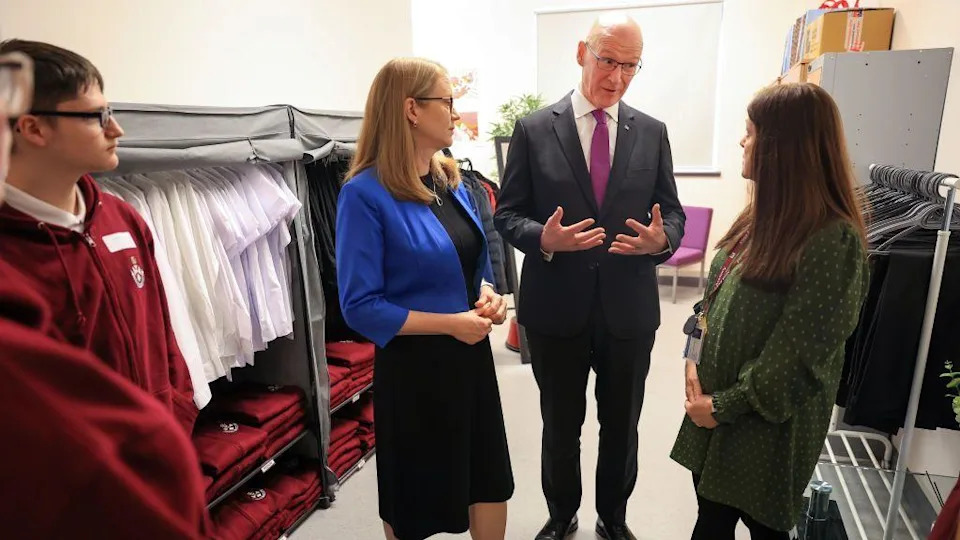
John Swinney and Shirley-Anne Somerville attend a uniform bank at a Scottish school [Getty Images]
Why Targets Are Being Missed
MSPs set four statutory poverty targets in 2017, including a goal to reduce the share of children in relative poverty to below 10% by 2030. JRF says current Scottish Government plans are insufficient to meet those goals. Contributing factors include the legacy of UK austerity, the cost-of-living crisis, and what the charity describes as a "dysfunctional relationship" between national and local government that undermines local efforts.
Scotland’s Social Justice and Housing Secretary, Shirley-Anne Somerville, is leading a review of the poverty reduction goals after interim targets were missed and changes to data collection made progress harder to assess. Both JRF and the Scottish Government say three-year averages are more informative than volatile single-year figures.
Government Response
The Scottish Government says its measures have made a difference: officials claim policies have kept 100,000 children out of poverty this year, and the Scottish Child Payment supports more than 320,000 children. Ministers also point to planned investments including expanded breakfast clubs, more than £40 million to improve transport and parental skills, and a broader package of around £3.5 billion in 2026–27 targeting poverty and the cost of living.
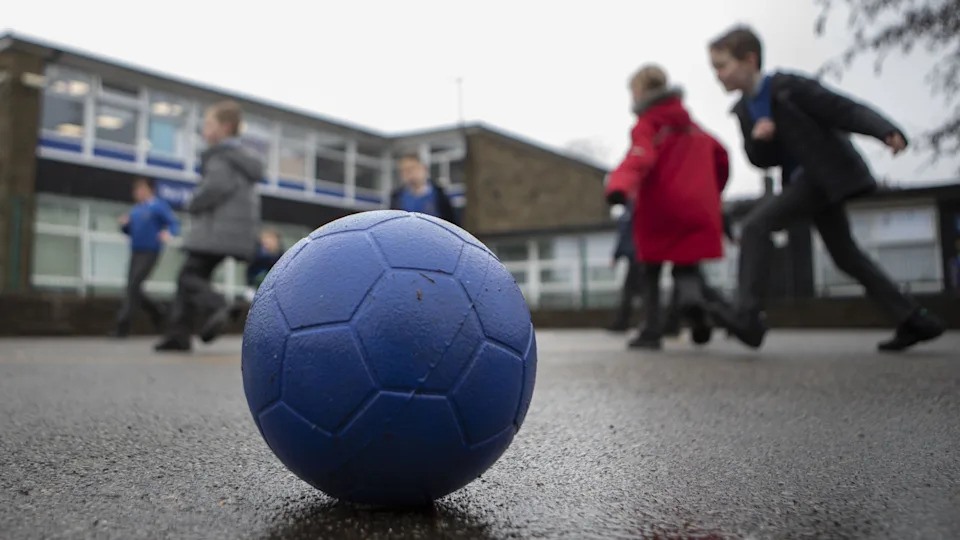
The Scottish government has a legal target to reduce the rate of child poverty below 18% by the end of the financial year [PA Media]
First Minister John Swinney has made eradicating child poverty a central priority, pledging from day one to make it a political focus. JRF, however, warns of an "increasing disconnect" between political rhetoric and the lived reality of families in poverty.
JRF Recommendations
To bring the targets back within reach, JRF calls for:
- Stretching, statutory, income-based poverty reduction targets with strong accountability;
- Investment in well-paid, flexible jobs especially in areas with poor local access to employment;
- Expanded access to high-quality, affordable childcare with hours that reflect the needs of low-income parents;
- Adequate social security payments, particularly for disabled people who face extra care costs;
- Maintenance and expansion of social and affordable housing;
- Reform of local government funding—tackling the regressive impact of council tax and ensuring multi-year, flexible funding to councils.
Local Government Role
JRF emphasises the critical role of Scotland’s 32 councils, arguing they must be "refitted" to play a fuller part in poverty reduction, working closely with the third sector. The report criticises the current funding model as "stretched to breaking point," noting that 61% of local government funding comes from the Scottish Government while council tax provides only around 17%.
Cosla, representing local authorities, said members took the report seriously but warned that councils are constrained by funding shortages and rising demand. Kelly Parry, Cosla’s resources spokesperson, urged that responsibility must come with the powers and fair, multi-year funding needed to deliver lasting change. Public polling for JRF by the Diffley Partnership found two-thirds of respondents believe their council is underfunded; the survey sampled 3,381 adults in Scotland between 22 and 26 June.
Additional Concerns
The report flags a record number of children in temporary housing and warns that reductions to some local services will make poverty reduction harder. It also describes the roll-out and funding for whole-family support as "wholly inadequate," even as the Scottish Government points to whole-family approaches as central to its public service reform plans.
JRF’s analysis is a clear call for bolder, better-funded action across national and local government to meet Scotland’s legal obligations on child poverty and improve outcomes for the most vulnerable families.
Help us improve.