The IPPR’s analysis reveals stark regional disparities in job opportunities for young people in the UK: some areas have as few as one vacancy for every 22 young adults. Rotherham ranks lowest with just 46 vacancies per 1,000 young people, while many of the best-performing areas are in southern England. The IPPR calls for a targeted, government-funded job programme, better access to apprenticeships and changes to Universal Credit to support young claimants. The government points to existing investments, including £2.5bn for youth measures and hiring incentives.
Mapped: UK Areas Where Young People Struggle Most To Find Work — One Town Has Just One Vacancy Per 22 Young Adults
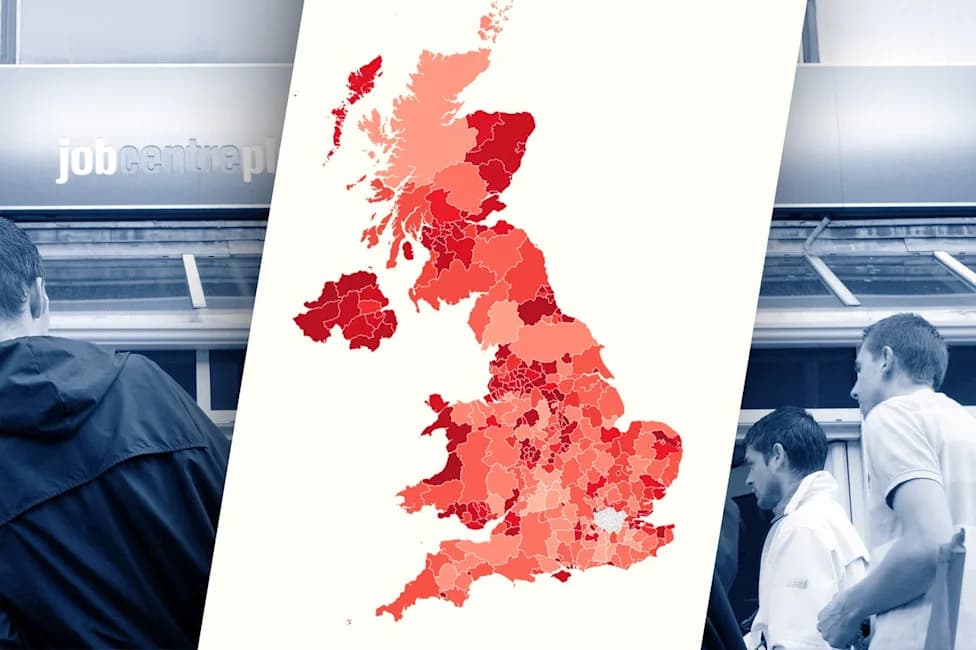
Mapped: Worst places in UK to be young and unemployed – as one town has just one vacancy per 22 young people
New analysis from the Institute for Public Policy Research (IPPR) exposes sharp regional differences in opportunities for young people across the UK, revealing some local areas have as few as one suitable vacancy for every 22 young adults.
The total number of young people not in education, employment or training (NEET) is close to one million, with the latest figures falling slightly from 1.01 million (April–June) to around 981,000.
Worst- and Best-Performing Areas
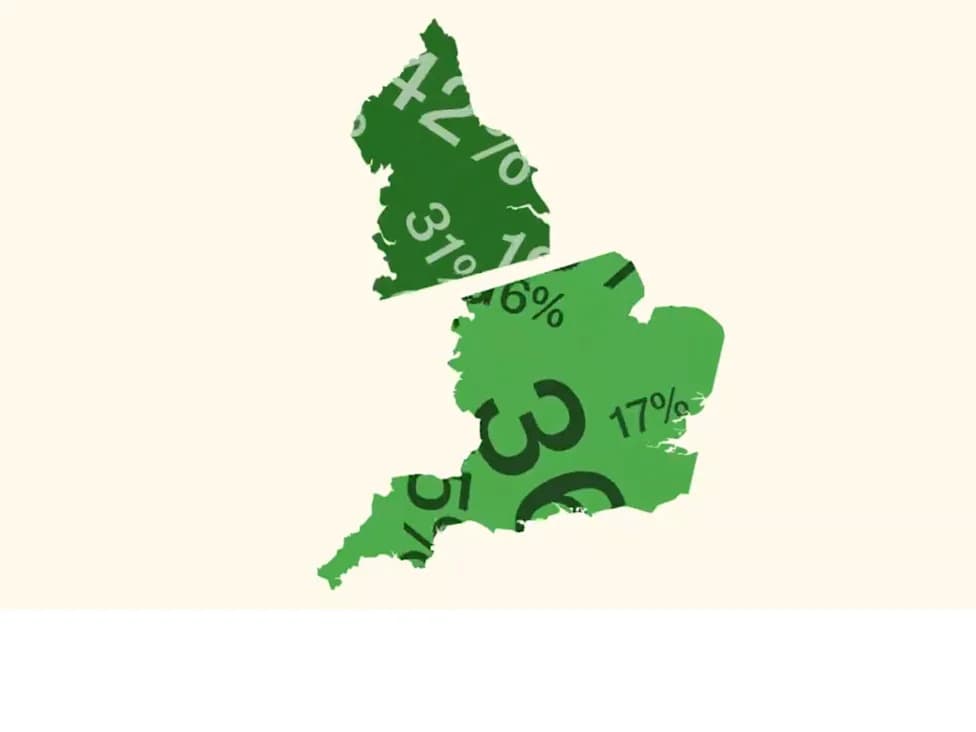
Rotherham in South Yorkshire ranks worst for suitable vacancies, with just 46 vacancies per 1,000 young people — about 58% below the UK average. Other low-scoring areas include East Renfrewshire in Scotland (53% below), Broxtowe in the East Midlands (47% below) and Newcastle-under-Lyme in the West Midlands (47% below).
Of the 20 local authorities with the fewest suitable vacancies per young adult, the East and West Midlands account for the greatest share (four each), followed by parts of the East of England, Scotland and Yorkshire. Notably, none of the lowest-ranked areas are in southern England.
Conversely, 14 of the 20 local authorities with the highest number of suitable vacancies are in southern England. The Cotswolds leads at 165% above the national average, followed by Woking (151% above), Gloucester (139% above), Tonbridge (137% above) and Horsham (129% above).

Prime Minister Andy Burnham (PA) (PA Wire)
Why It Matters
Lord Jim Knight (former employment minister): “This dispels the myth that nearly a million young people are out of work because they lack aspiration. Young people in Rotherham are not six times less talented than those in the Cotswolds; they face six times fewer suitable vacancies.”
The IPPR warns that the scale and geography of the problem mean national totals hide deep local shortages of entry-level and age-appropriate roles — shortages that cannot be solved solely by urging young people to look for work.
Policy Proposals and Reactions
The IPPR calls for a targeted, government-funded job-creation scheme to deliver entry-level positions in places with the highest NEET rates. The think tank also urges a more consistent use of apprenticeships as a route into skilled work and recommends reforms to Universal Credit so young people receive a single rate irrespective of work capability, with protections for certain disabled claimants and the ability to retain allowances while undertaking education or training.
Alan Milburn’s forthcoming review into youth unemployment — due later this year — has already highlighted concerns that some young people on health-related benefits face a “perverse choice” where those benefits can offer higher income and lower risk than low-paid work. Several charities and campaigners have urged caution, warning against cuts to health-related benefits for young claimants.
A government spokesperson said: “Where you're from should never determine where you end up in life. The Milburn Review will lay the foundation for further youth employment reform, but thanks to our £2.5 billion investment we are already taking action, including reprioritising apprenticeships for young people and rolling out youth hubs to every community, helping us create one million work and training opportunities. We are also supporting businesses to back young talent by offering hiring incentives worth up to £8,000 and continuing the National Insurance exemptions for under 21s and apprentices under 25.”
Local Leadership And Vocational Routes
Local leaders and campaigners have stressed the importance of valuing vocational routes alongside academic pathways. For example, Andy Burnham, Mayor of Greater Manchester, has long argued for policy that treats vocational training and apprenticeships with the same status as university degrees — “the hard hat as much as the graduation cap.”
Without geographically targeted jobs and easier access to apprenticeships, the IPPR warns, young people in the most affected places risk long-term exclusion from the labour market, with both human and economic costs.
Help us improve.