The Joseph Rowntree Foundation and Loughborough University find many UK parents are more than £20,000 short of the income needed for a "decent" standard of living, mainly due to rising private rents and limited benefits. A lone parent on the national living wage reaches just 67% of the Minimum Income Standard, with around 340,000 single parents at or below that level. The report notes social housing shortages have pushed up minimum income needs and calls for policy action, including a rent cap, while market data shows rents continuing to rise.
Hundreds Of Thousands Of UK Parents Are Over £20,000 Short Of A 'Decent' Living, Report Finds
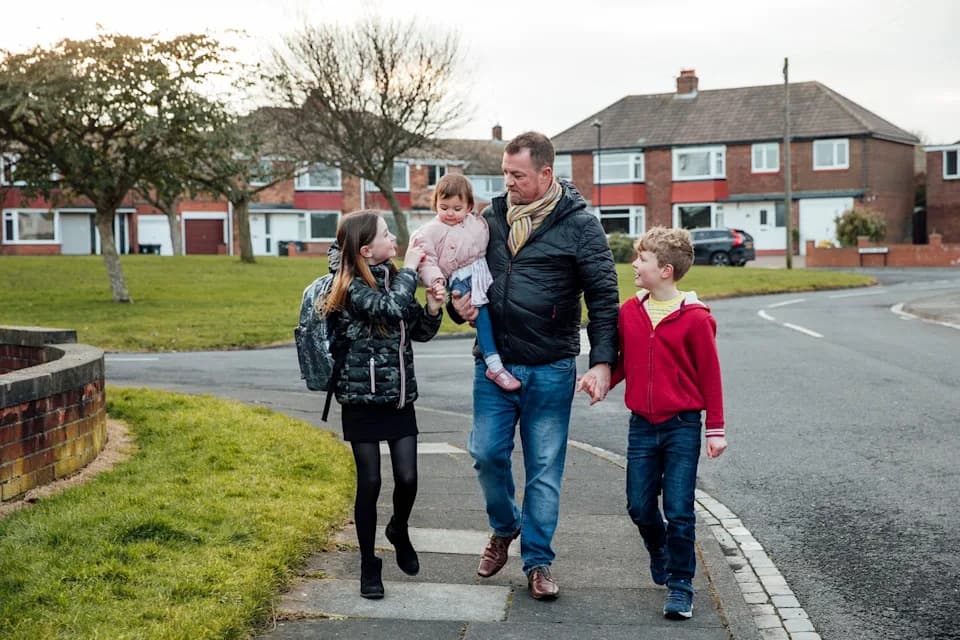
Hundreds of thousands of parents in the UK are over £20,000 below the annual income needed for a decent living standard, new research has warned (Getty/iStock)
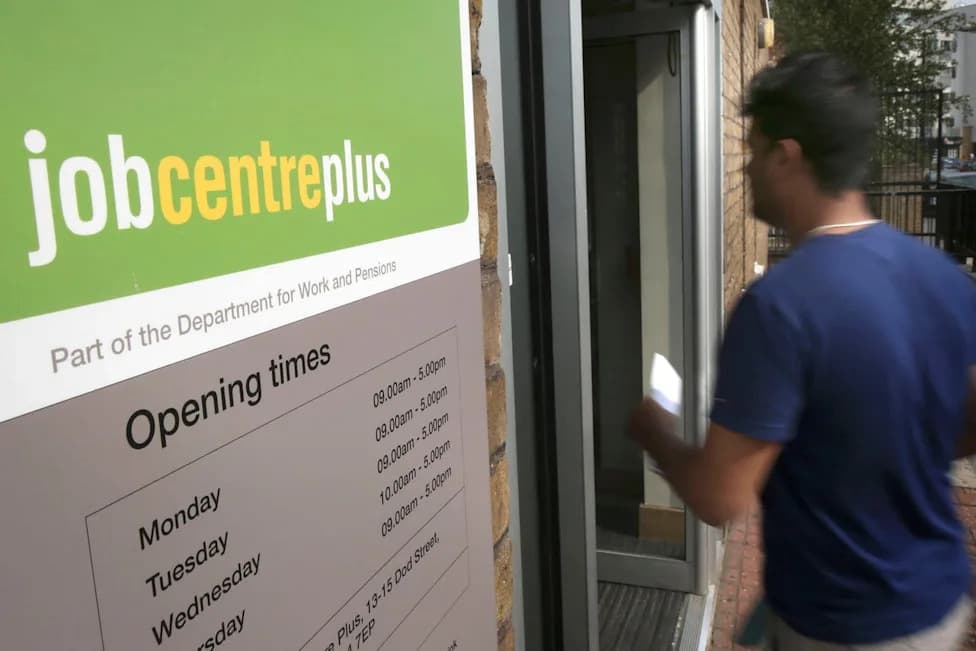
New analysis from the Joseph Rowntree Foundation (JRF), in partnership with Loughborough University, warns that hundreds of thousands of parents across the UK are living on incomes more than £20,000 below what researchers say is required for a "decent" standard of living.
Key Findings
Income Shortfalls: A lone parent with two children working full time on the national living wage typically reaches only 67% of the Minimum Income Standard, leaving an average shortfall of more than £22,000 a year. Around 340,000 single parents have incomes at or below this level. A couple with two children in which both adults work full time on the same wage reaches roughly 80% of the required threshold, a shortfall of about £15,000.
Benefits Do Not Cover Essentials: For households reliant on out-of-work benefits the picture is even bleaker: benefits cover just 24% of the Minimum Income Standard for households without children, 28% for couple parents and 36% for lone parents.
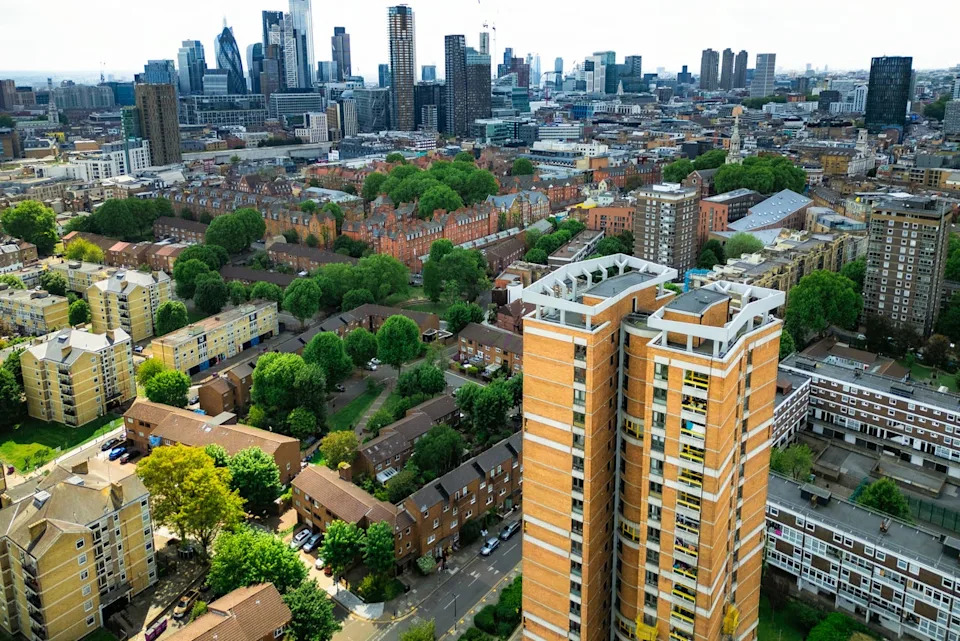
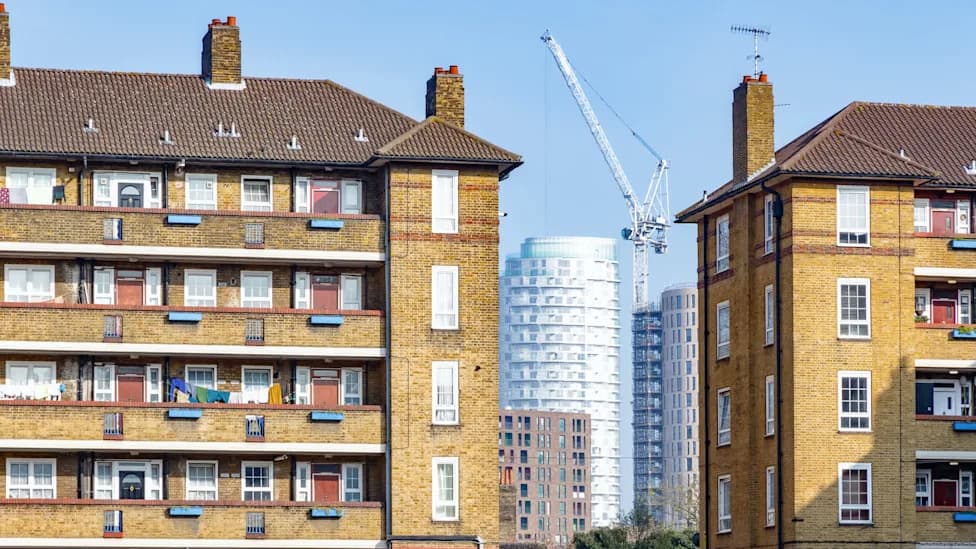
The JRF says that it has revised its figures in light of the UK's housing situation (Getty/iStock)
Housing Costs Drive The Gap: The JRF report has revised its benchmarks because social housing is no longer reliably available for many low-income households. Private rents are significantly higher, pushing up the income needed to meet the Minimum Income Standard. For example, a lone parent with two children would need about £67,000 a year in private rented accommodation versus £59,800 in social housing—an £8,000 difference. A single pensioner relying only on the state pension would need around £21,300 a year as a private renter, compared with £15,900 in social housing; the full state pension currently stands at £12,547 a year.
"We are no longer living in a world where privately rented homes are a temporary pit stop for young, single professionals," said Darren Baxter, JRF housing lead. "Eye-watering rents are denying people the stable foundation they need for a good life."
Policy Implications and Market Trends
The JRF uses these findings to argue for policy changes, including a rent cap to limit sharp rental increases—an approach the government has so far rejected. Market data from property website Zoopla shows average rents for new tenancies rose 2.6% in the year to July 2026, with forecasts of 4–5% increases by the end of the year, suggesting rental pressure on households is likely to continue.
What This Means: Rising private rents and constrained benefit levels mean many working parents, pensioners and other low-income households are unable to afford a standard of living that the public considers necessary to live with dignity. The report underlines a growing gap between living costs and incomes, with social housing shortages amplifying the problem.
Help us improve.