The Scottish government is consulting on a proposal to cap prices on up to 50 essential food items, a move ministers say would help households afford a healthy weekly shop. Farmers, represented by voices such as NFU Scotland's Jamie Wyllie, warn supermarkets may pass losses down the supply chain, squeezing producers who already operate on narrow margins. An impact assessment proposes softer options and flags legal hurdles, and a "fair food summit" will bring producers and retailers together to discuss the plan.
Scottish Food Price Cap Sparks Farmer Fears Over Cost Shifts to Producers
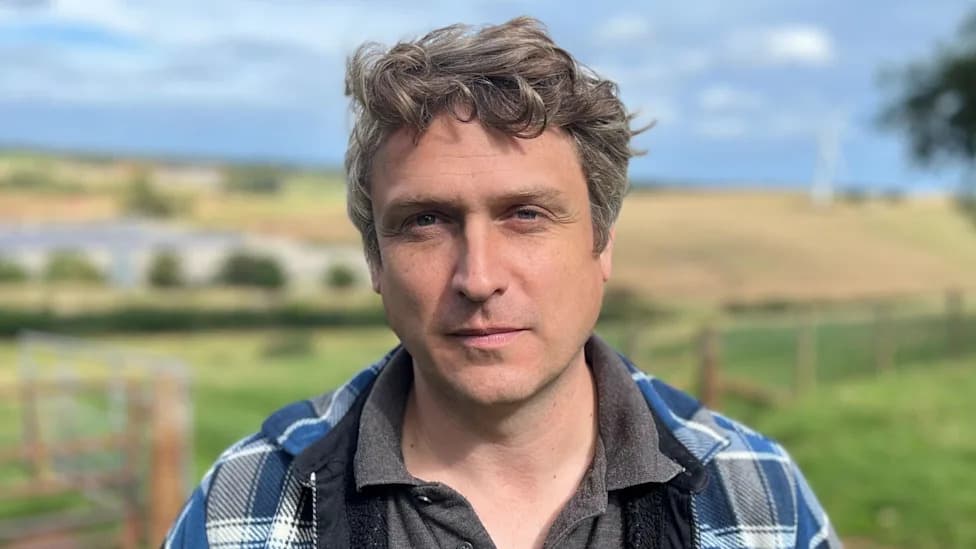
East Lothian farmer Jamie Wyllie is says price cap plans are giving him sleepless nights [BBC]
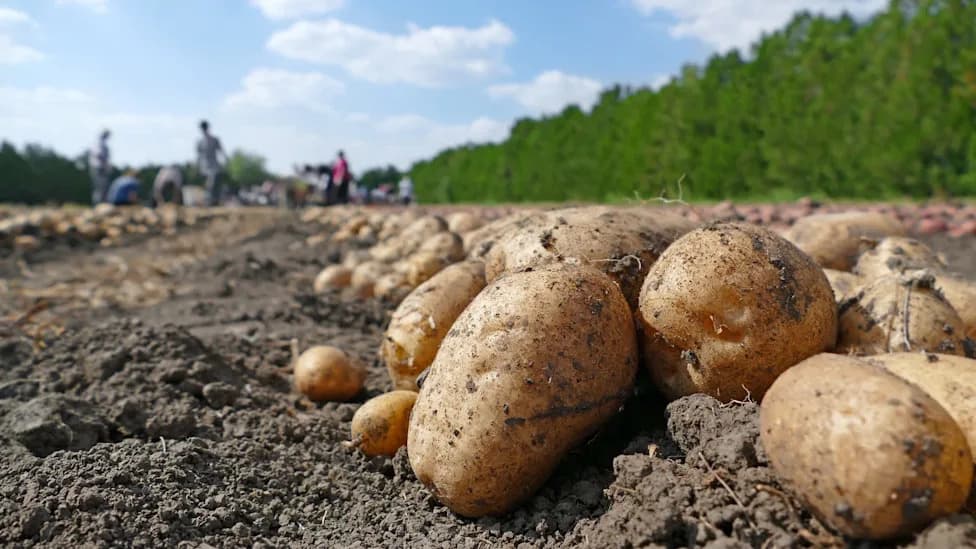
Jamie Wyllie, an office-holder with NFU Scotland who runs several farms in East Lothian producing pigs, sheep and crops for bread and cereal, says the Scottish government's proposal to cap prices on essential grocery items is keeping him awake at night. Wyllie warns that while ministers intend for large supermarkets to absorb the cost, losses could be pushed back through the supply chain and land on producers already operating on very thin margins.
What the Scottish Government Is Proposing
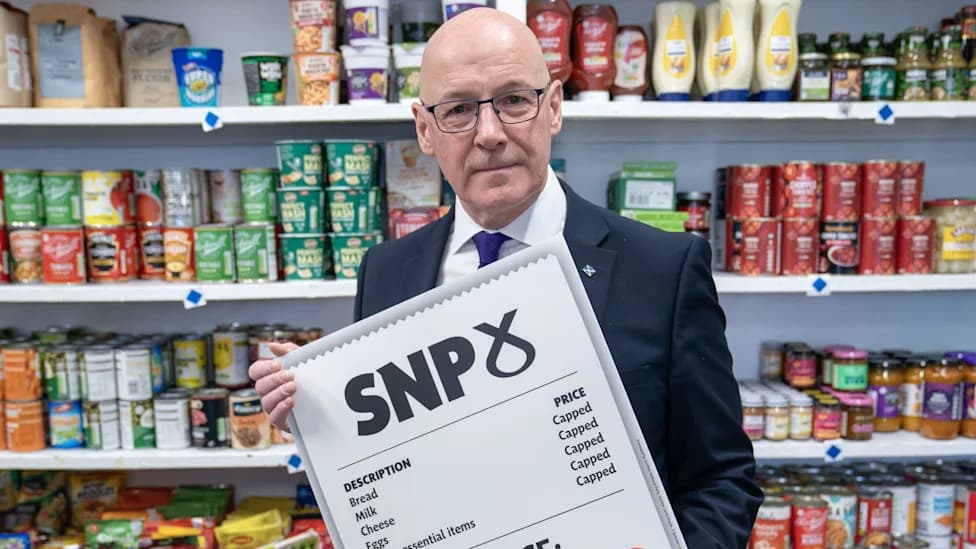
The consultation proposes a price cap on up to 50 essential items — examples mentioned by ministers include milk, eggs, cheese and rice. Large retailers would be required to offer at least one variety of each capped item at the set price, and if that product sold out they could be asked to provide a similar alternative at the same price.
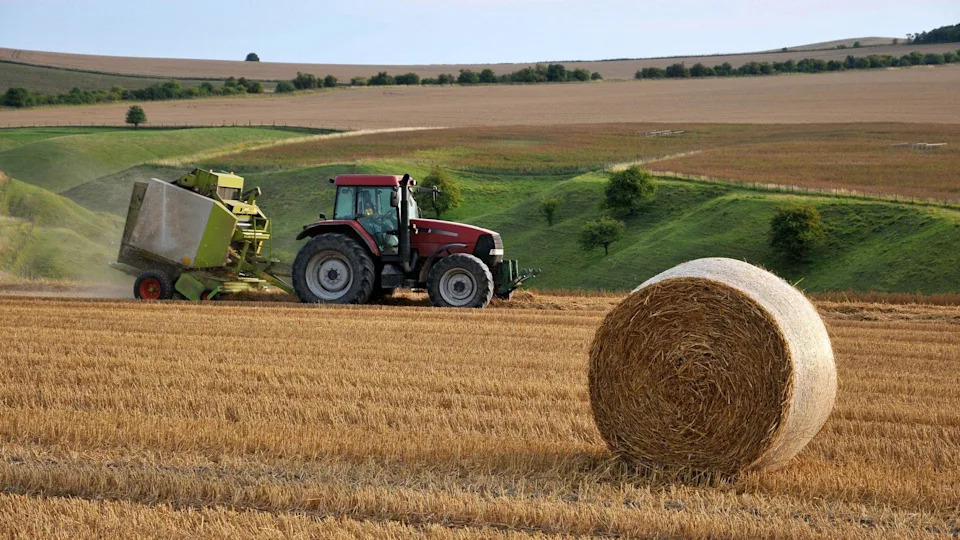
Wyllie said farmers are concerned about the impacts of the plans [Getty Images]
Why Ministers Back the Plan
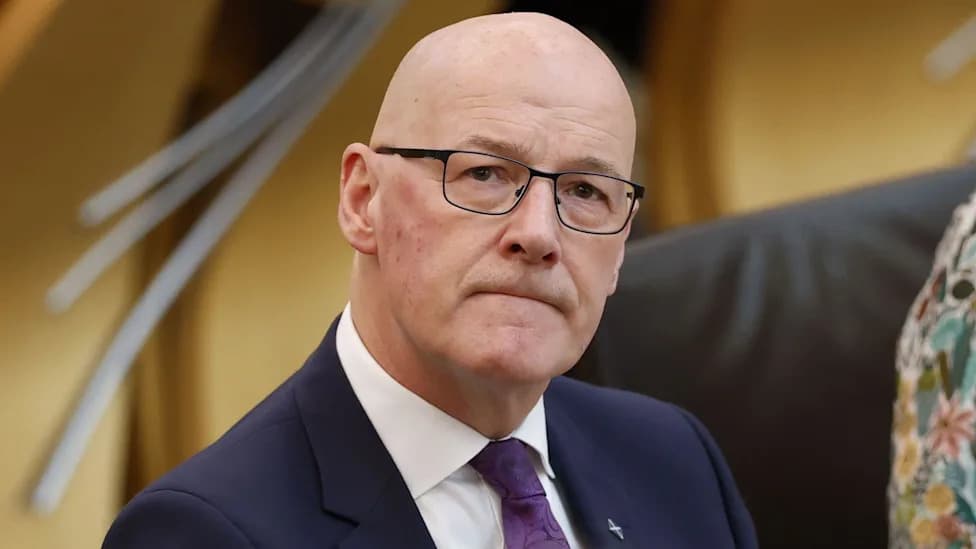
First Minister John Swinney frames the measure as a matter of public health and fairness: ensuring families can afford a healthy weekly shop amid rising living costs. Ministers say the policy aims to protect households struggling with food inflation by requiring the biggest supermarkets to shoulder the financial burden.
Farmers' Concerns
Wyllie and many producers worry supermarkets will not absorb losses indefinitely. "I struggle to see how, or why, they would swallow that cost," he told reporters. "They'll pass it down to us. We see it all the time." As small, independent producers at the end of the chain, family farms often lack the ability to absorb margin hits or pass higher costs on to others.
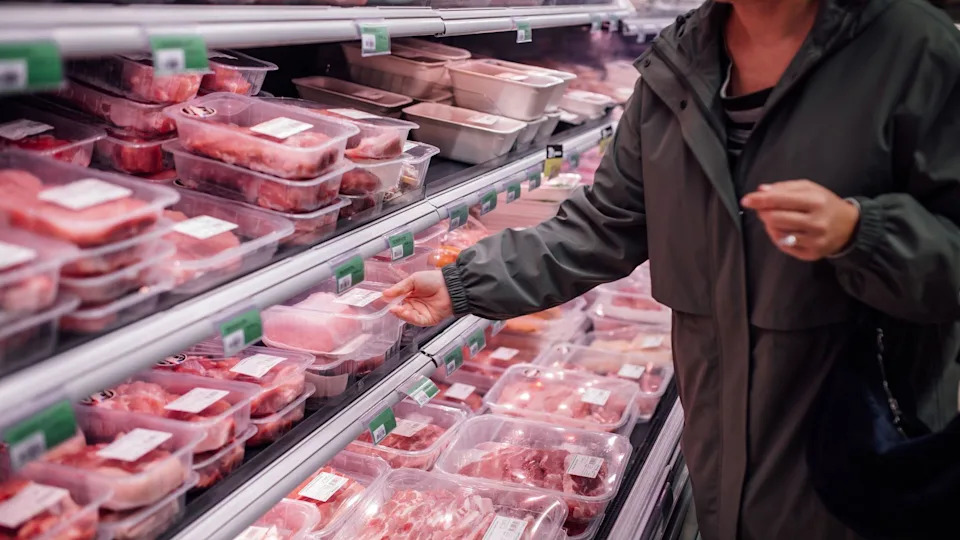
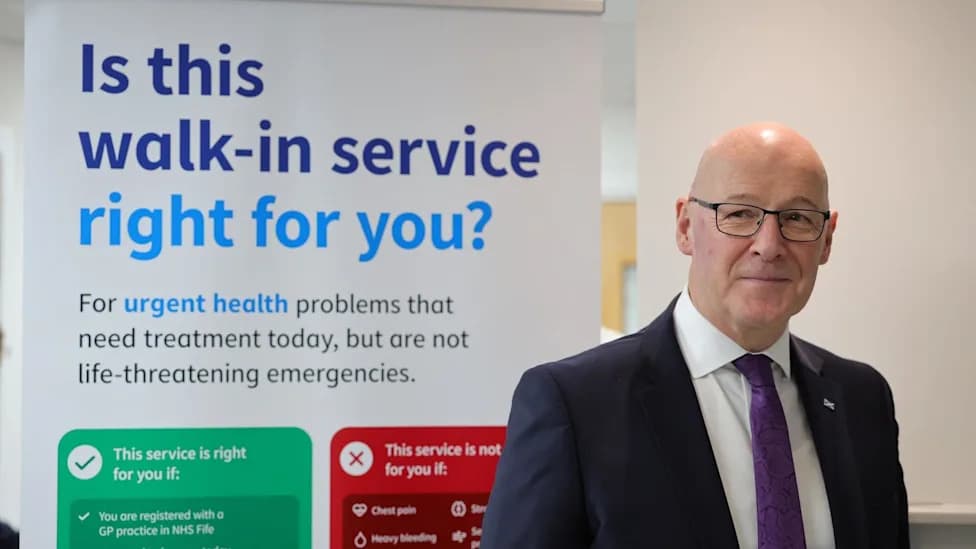
The government is set to hold a fair food summit on Tuesday [Getty Images]
"I'm the bottom of the food chain. I can't pass my costs on to anybody else," Wyllie said, noting his farm already faces rising expenses from national insurance increases, a planned UK-wide fertiliser tax, and energy costs that he says have doubled, including a standing electricity charge of about £1,500 per month.
Industry Pushback And Wider Reaction
Last week, 23 organisations wrote to First Minister John Swinney urging him to abandon the proposal, warning it could harm parts of the food supply chain. Retailers, producer groups and business organisations have expressed scepticism that both consumer price caps and producer protection can be achieved simultaneously without unintended consequences.
Options, Legal Questions And Next Steps
The government is hosting a "fair food summit" where Business Minister Tom Arthur will meet producer and retail representatives to discuss concerns. An impact assessment published by the Scottish government outlines softer options — for example, allowing prices to rise but at rates below overall food inflation — and flags potential legal and operational hurdles should ministers proceed.
Whatever emerges from the summit, ministers say they will continue to develop the policy. Producers like Wyllie, however, say convincing farmers that the plan will not erode already tight farm incomes will be a major challenge.
Help us improve.