Fiji used the UN pre‑COP meeting in Nadi to demand richer countries fund a just transition to renewables and scale up adaptation finance for the Pacific’s most vulnerable. A UN report cited at the talks said developing countries need $310–$365 billion for adaptation but received only $26 billion in 2023. Pacific leaders urged keeping the 1.5°C goal alive and highlighted the immediate threat of sea‑level rise, with Tuvalu already preparing possible relocation plans.
Fiji Demands ‘Just’ Climate Transition and Urgent Financing at Pre‑COP Talks
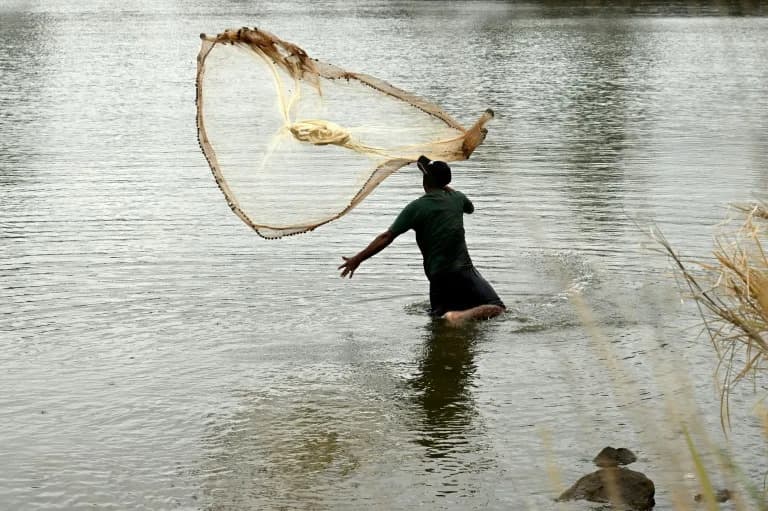
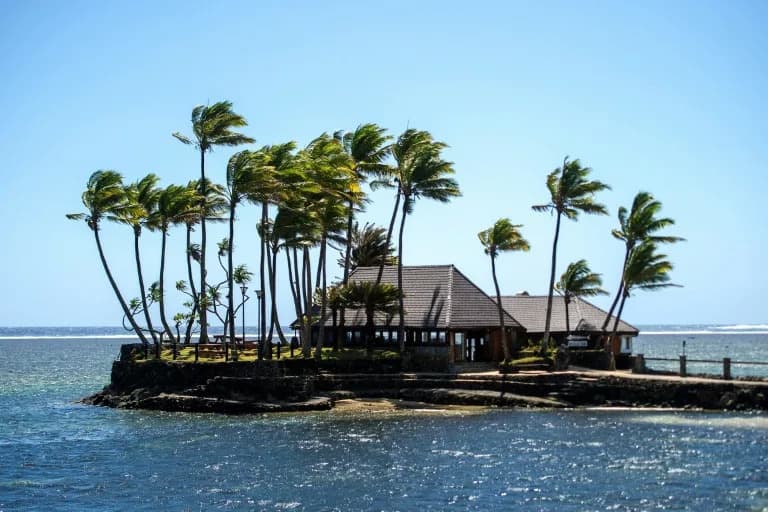
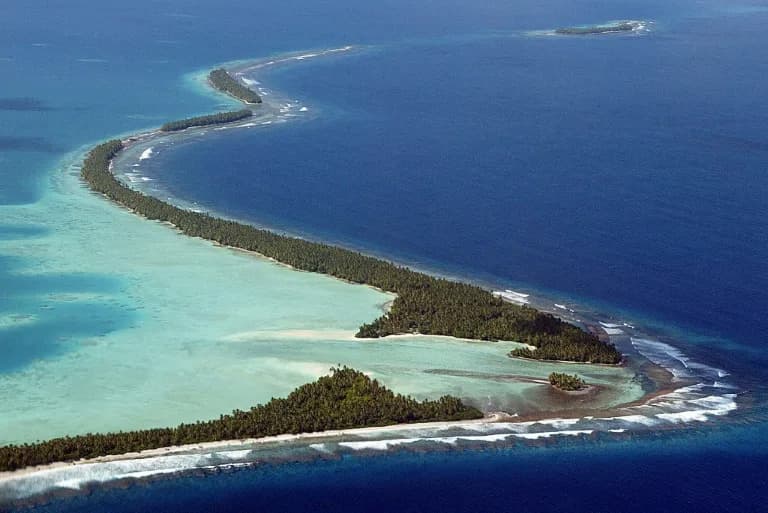
The South Pacific is among the most vulnerable regions in the world to global warming -- from rising sea waters jeapordising homes to increasing temperatures causing coral bleaching (SAEED KHAN)
Fiji on Monday urged wealthy nations to back a fair transition to renewable energy and to provide urgent financing for communities most exposed to climate impacts, as the UN pre‑COP meeting opened in Nadi. The week’s sessions, with events also in Tuvalu, aim to spotlight life on the climate frontline in the Pacific and to press global leaders ahead of the COP31 summit in Turkey.
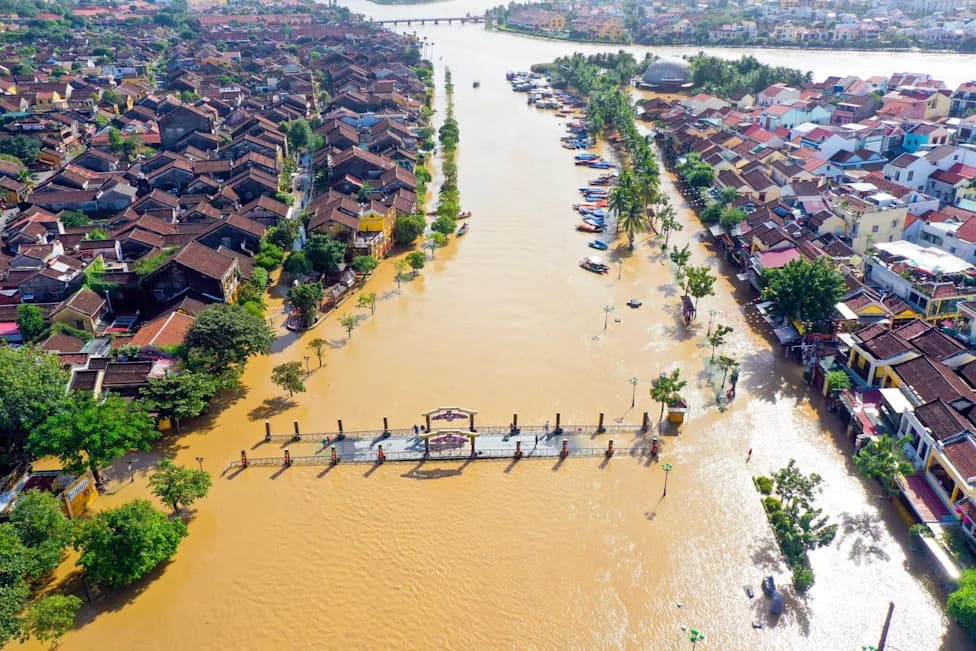
The South Pacific is among the world’s most climate‑vulnerable regions, facing threats from rising seas that jeopardise homes, increasingly warm waters that cause coral bleaching, and intensifying storms. Fiji’s climate minister, Lynda Tabuya, called for concrete commitments to a “just transition” and for targeted adaptation finance for nations that suffer the most.
Tabuya cited a UN report released in August estimating that developing countries need between $310 billion and $365 billion for adaptation — yet received only about $26 billion in adaptation finance in 2023. “We rely on and we appeal to countries to commit to climate finance, to commit to projects to help us to have a just transition away from fossil fuels,” she said.
Dialogue With Australia And Calls To Act
Australia, a major coal exporter and this year’s lead for the UN climate negotiations, has faced criticism for continuing fossil fuel expansions amid rising global demand. Tabuya described Monday’s talks with Australian climate minister Chris Bowen as “frank,” and stressed the need to find common ground even where disagreements remain.
“There will be things that we disagree on, but we can agree to disagree,” Tabuya said, urging pragmatic engagement between Pacific states and developed nations.
Keeping 1.5°C Alive
Pacific leaders pressed to preserve the 1.5°C warming limit and to highlight the oceans’ vulnerabilities. Bowen said keeping the 1.5°C goal alive represents hope for low‑lying island states such as Tuvalu and Kiribati and argued that fossil fuel exporting nations can still bring constructive contributions to the talks.
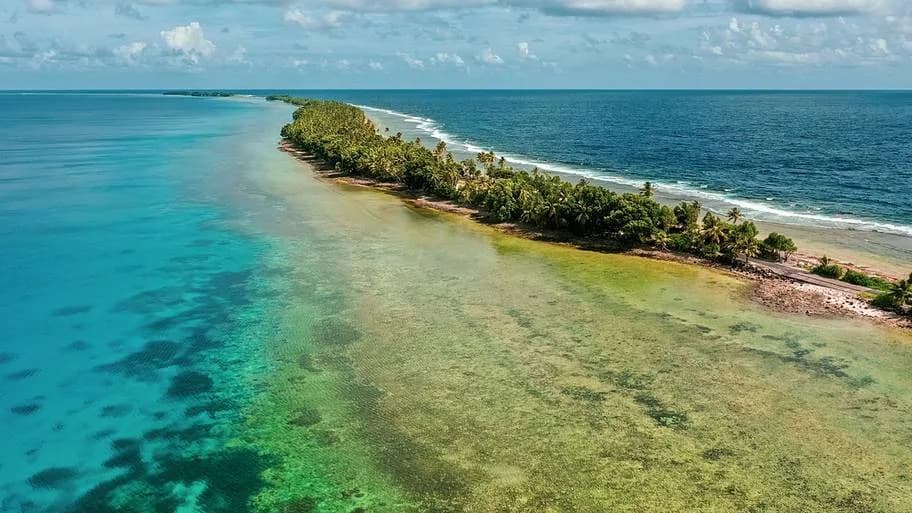
The UN report warns that sea levels are rising at a record rate due to warming oceans and glacier melt, projecting up to 1.2 billion people could be displaced globally by 2050. It also found that Pacific island countries are experiencing sea level rise at roughly twice the global average.
Tuvalu Visit And Urgent Appeal
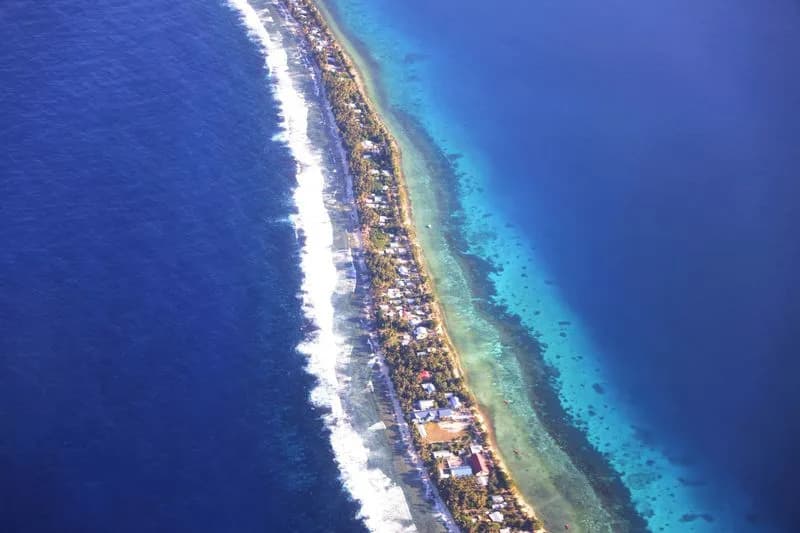
Organisers have promoted the pre‑COP as an opportunity to bring the world to the Pacific, although the guest list is smaller than hoped. Delegates will travel to Tuvalu for a one‑day visit, where officials are already planning possible relocations should the nation become uninhabitable. Bowen confirmed that 14 leaders, mostly from Pacific countries, will take part in the visit.
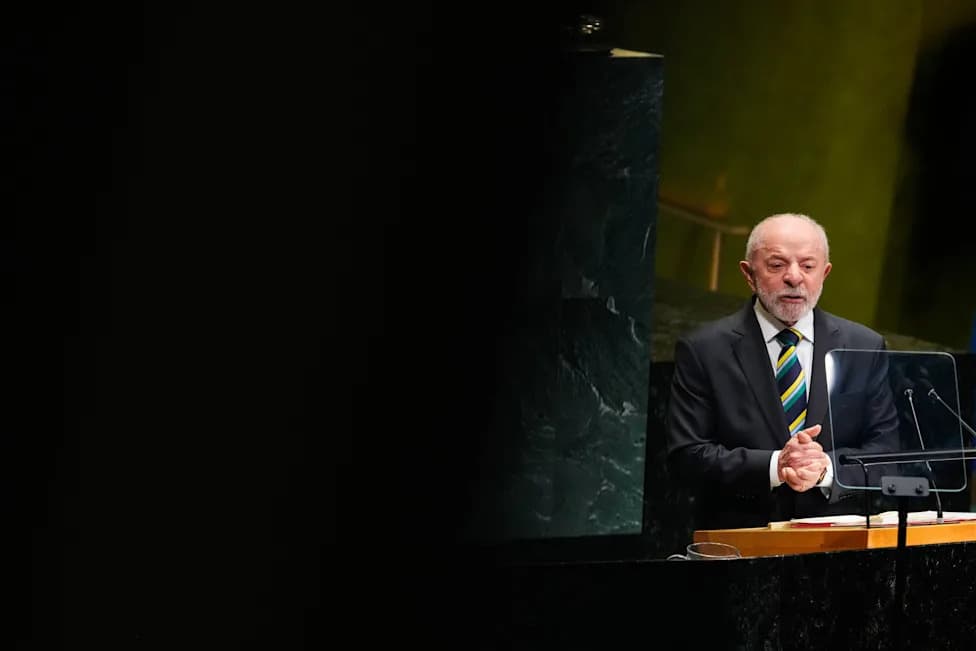
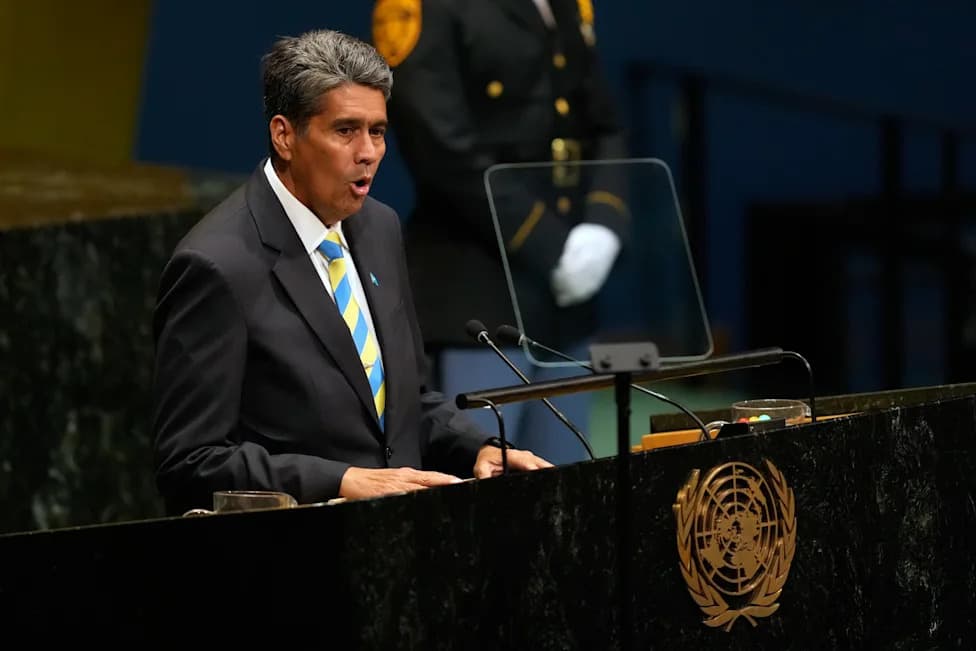
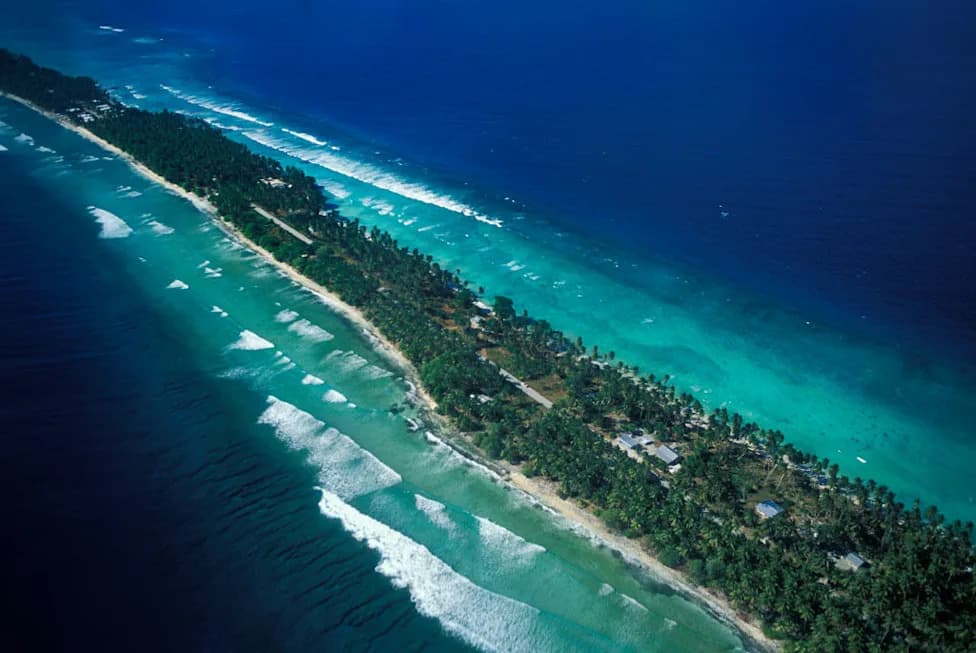
“Sea‑level rise is not a future threat, it is a present reality,” Tuvalu Prime Minister Feleti Teo told the UN General Assembly. Funafuti, Tuvalu’s capital, has a highest elevation of roughly two metres (6.6 feet) above sea level — a stark reminder of the urgency for collective action.
What’s next: Delegates hope the pre‑COP will sharpen international focus on adaptation finance, a commitment to a just energy transition, and concrete measures to protect small island and coastal communities ahead of COP31 in Turkey.
Help us improve.