The Supreme Court’s new term gives Justices Clarence Thomas (78) and Samuel Alito (76) renewed chances to shape major legal questions on guns, religion in public schools and voting rules. High-profile arguments this term include a Colorado preschool case (Nov. 3), consolidated challenges to AR-15 and semiautomatic bans (Dec. 2) and an Arizona proof-of-citizenship voting challenge (Dec. 8). Legal scholars say the two justices are positioned to build on key precedents they helped establish, including Bruen and Dobbs.
New Supreme Court Term Hands Justices Thomas And Alito Fresh Chances To Shape US Law
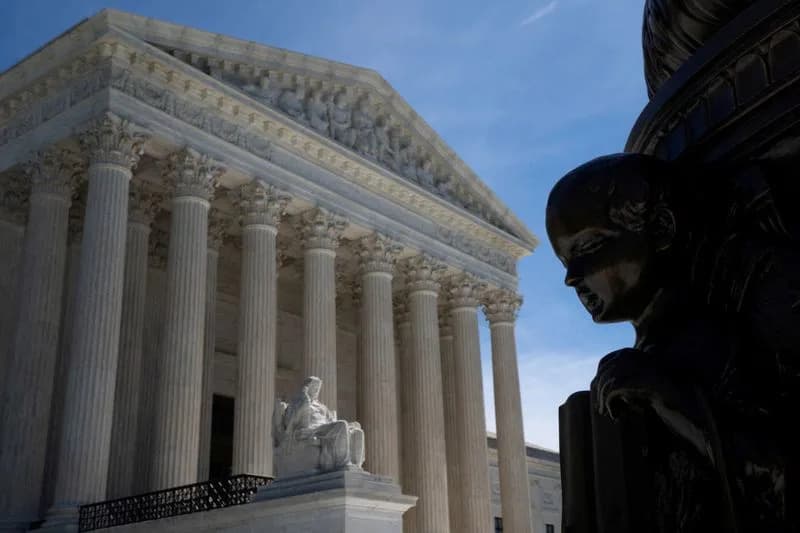
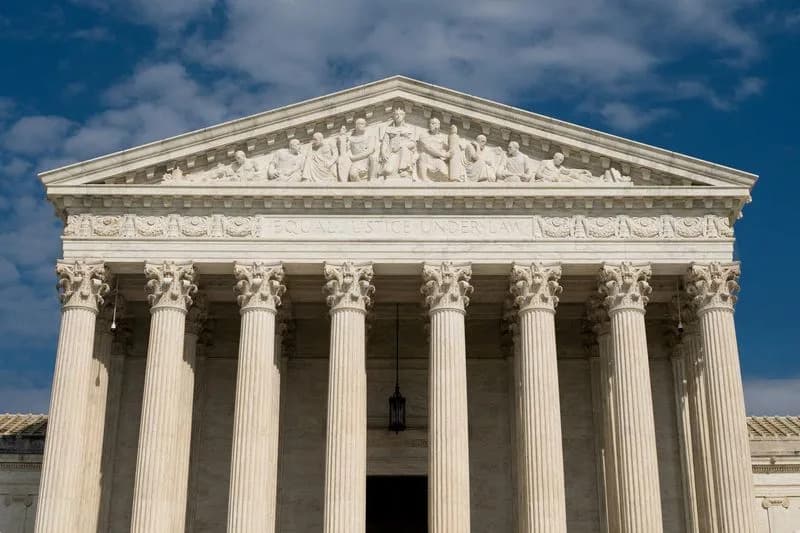
FILE PHOTO: A view of the US Supreme Court in Washington, DC, US, September 25, 2026. REUTERS/Nathan Howard/File Photo
The U.S. Supreme Court's new term, beginning Monday, hands two of its eldest conservative justices—Clarence Thomas and Samuel Alito—renewed opportunities to influence major legal battles over guns, religion in public schools and voting rules.
Thomas, 78, who joined the Court in 1991, is now the second-longest-serving justice in U.S. history. Alito, 76, has served since 2006. Once frequent dissenters, both have risen in influence as the Court shifted right following a 6-3 conservative majority that took shape in 2020.
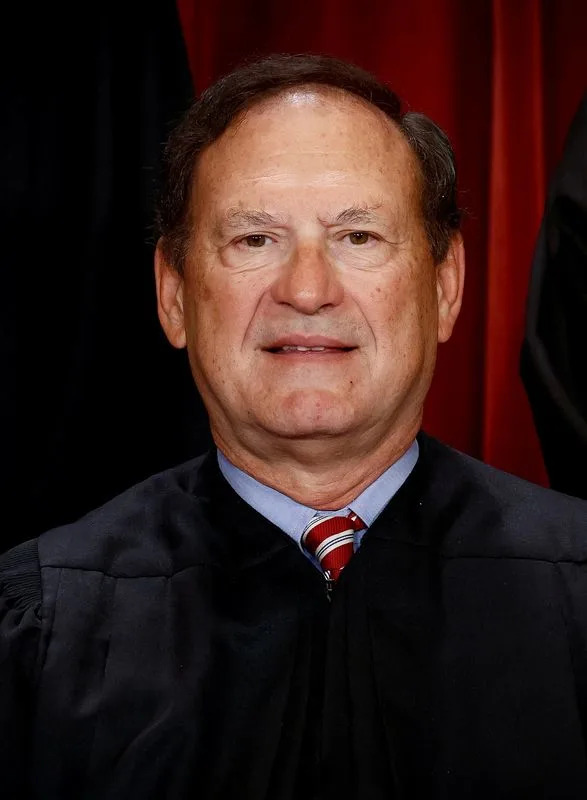
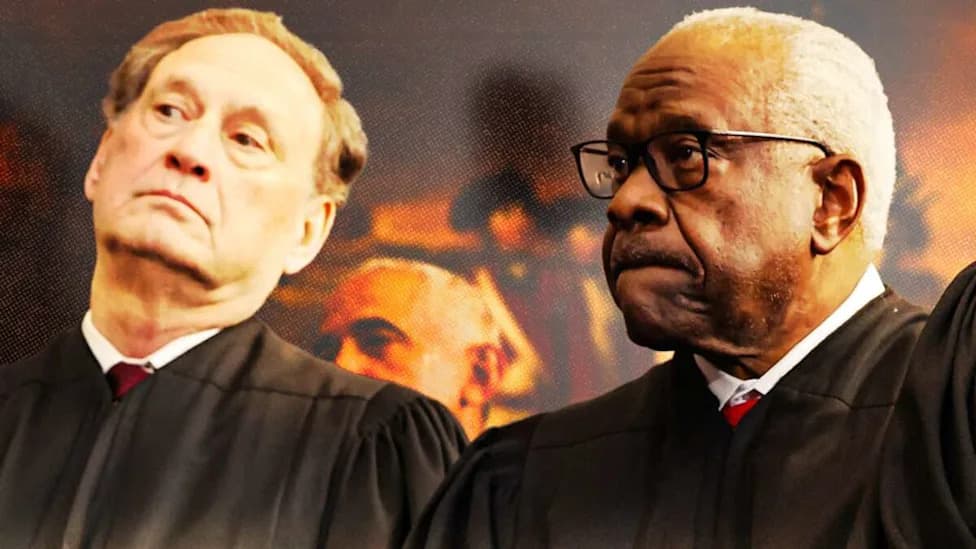
FILE PHOTO: U.S. Supreme Court Associate Justice Samuel A. Alito Jr. poses during a group portrait at the Supreme Court in Washington, U.S., October 7, 2022. REUTERS/Evelyn Hockstein/File Photo
Key Cases This Term
The docket includes several high-profile disputes that could reshape legal precedents:
- Nov. 3: Arguments in a challenge to a Colorado law requiring taxpayer-funded preschools to enroll children of same-sex couples, a case at the intersection of religious freedom and LGBT protections.
- Early Term: Consideration of whether a Texas law requiring public schools to display the Ten Commandments comports with the Constitution’s Establishment Clause (this matter may reach the Court during the term).
- Dec. 2: Consolidated challenges to state bans on AR-15s and other semiautomatic rifles — a major test of the Court’s post-Bruen approach to Second Amendment cases.
- Dec. 8: A challenge to Arizona’s requirement that people registering to vote provide proof of citizenship, a measure critics say could discourage registration among groups that tend to favor Democrats.
What’s At Stake
Legal scholars say these cases give Thomas and Alito chances to expand on influential rulings they helped secure. Justice Thomas authored the 2022 Bruen decision, which requires that gun regulations be judged against the nation's historical tradition of firearm regulation. Justice Alito wrote the Dobbs opinion that overruled Roe v. Wade and has been a leading voice for expanding religious-liberty protections.
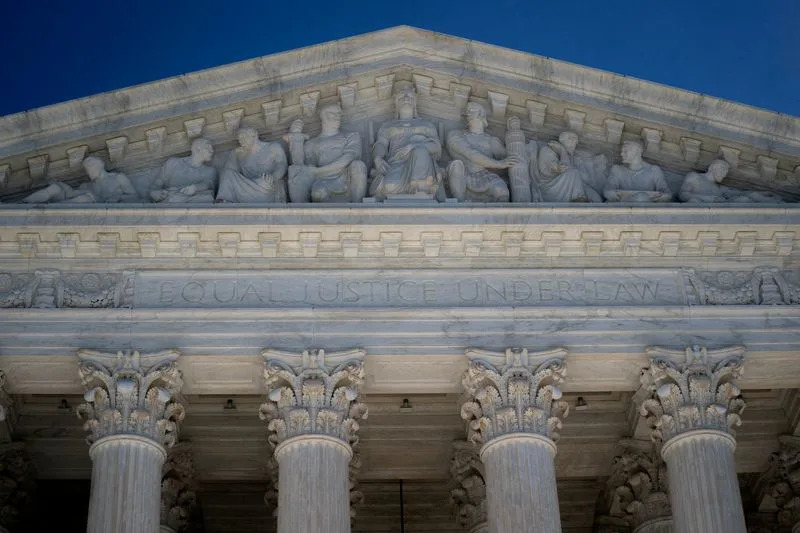
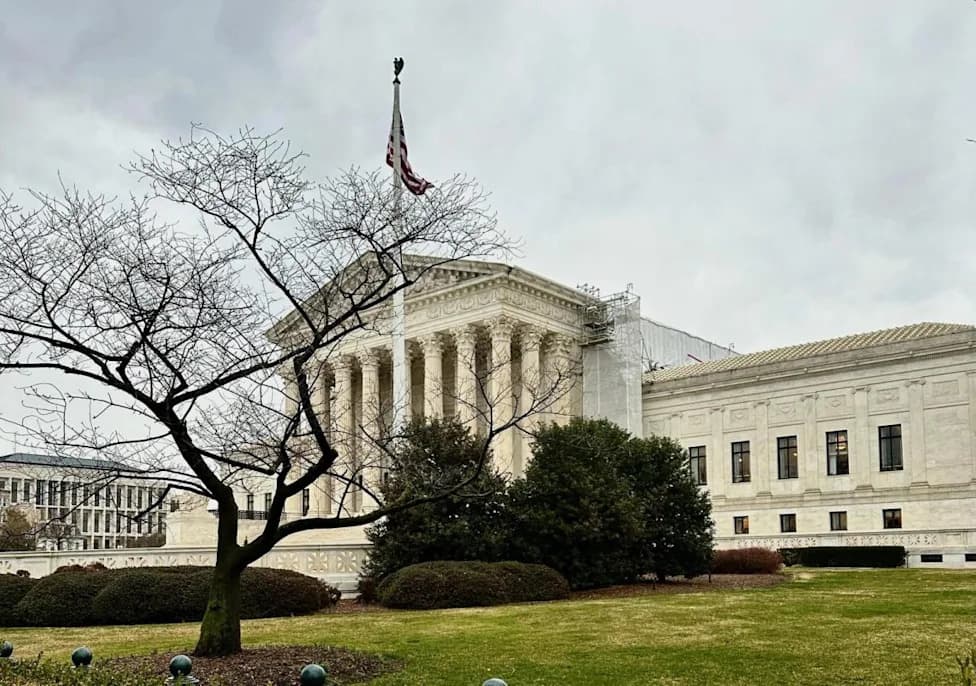
FILE PHOTO: A view of the US Supreme Court in Washington, DC, US, September 25, 2026. REUTERS/Nathan Howard/File Photo
“They have been waiting for a long time to be in the position,” said Kevin McMahon, a political science professor at Trinity College. “So why leave?”
Both justices were among the most reliable votes for the Trump administration on cases involving broad claims of presidential authority, and both continue to draw praise from Republican leaders. Alito has pushed back on suggestions he is a partisan loyalist, saying he votes according to how he believes each case should be decided.
Retirement Speculation And Institutional Stakes
Speculation about possible vacancies has intensified as Thomas and Alito approach the modern average retirement age for justices (around 80). If either retired, a future Republican president could nominate a younger conservative to hold a lifetime seat for decades; conversely, a Democratic-controlled Senate could try to block such a nominee. For now, Alito has said he will serve another term, and Thomas has given no public indication he plans to step down.
The coming term may therefore cement further conservative changes to precedent on guns, religion and voting — or, depending on how the justices align, could reveal fractures within the conservative bloc itself.
(Reporting by Jan Wolfe; edited for clarity and flow.)
Help us improve.