The article argues that long‑standing Republican procedural tactics — staffing loyalists in administrative roles and exploiting timing rules — have opened pathways for more overt attempts to weaken U.S. elections. In Missouri, Secretary of State Denny Hoskins delayed petition certification to try to lock in a gerrymander, but the state Supreme Court halted the map and preserved a referendum. The piece also highlights national developments: a last‑minute Defense Department directive on election protection, a Texas registration portal glitch affecting ~200,000 applications, a federal court blocking FEMA‑funding coercion, and a California order to return ~650,000 seized ballots.
Old‑School Republican Maneuvers Helped Enable Trump's Push To Weaken American Democracy

This piece examines how decades of quiet, procedural Republican tactics — placing loyalists in administrative posts and exploiting technical rules — have created openings that Donald Trump and his allies seek to expand to undermine U.S. elections.
Missouri: Administrative Delay, Legal Pushback
Missouri Secretary of State Denny Hoskins used a timing rule in the state constitution to delay certification of a citizen petition challenging a newly drawn legislative map. By postponing the determination of whether the petition had the required signatures, he ensured the primaries would be run under the contested gerrymander — a move intended to strengthen the argument that the general election should use that same map.
Hoskins' maneuver was not theatrical; it was procedural: the kind of low‑visibility leverage that can entrench partisan advantage when party loyalists occupy gatekeeper roles. But Missouri’s state Supreme Court intervened, preserving the referendum route and freezing the new map until voters can decide in November. That state ruling withstood federal court pressure, sidelining Missouri Republicans even as other GOP‑led states redrew maps to seize additional House seats.
Federal And State Examples: A Pattern Emerges
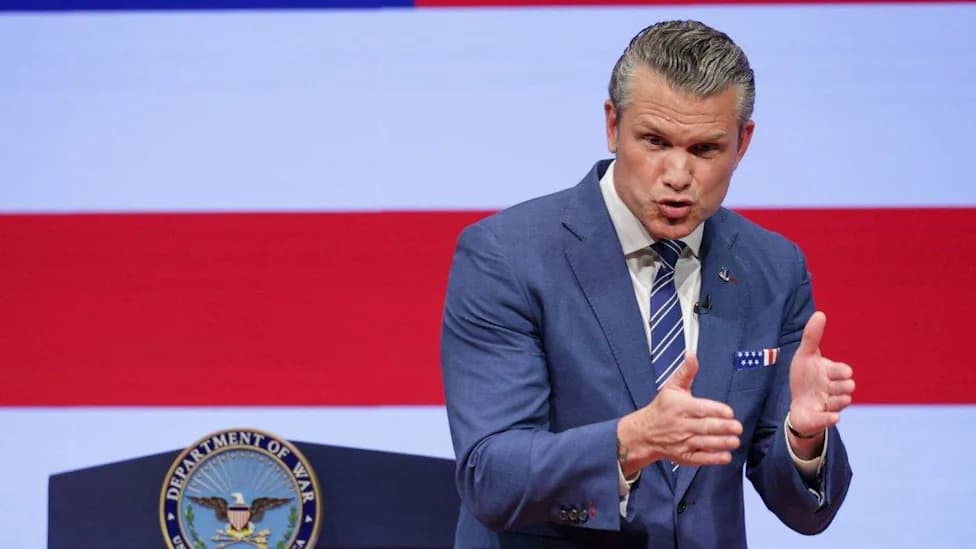
Defense Department: Defense Secretary Pete Hegseth issued a last‑minute directive asking the military to help protect U.S. elections from foreign interference. Much of the work he cited reflected longstanding missions inside federal agencies — and the order came after the administration had dismantled some election‑security offices inside agencies that previously worked on foreign interference.
Texas Registration Glitch: A technical failure at the Texas Department of Public Safety affected roughly 200,000 voter registration applications. Because Texas lacks universal online voter registration, many residents rely on the DPS portal; the outage added a heavy administrative burden for election officials during a critical period.
Federal Coercion Blocked: U.S. District Judge Amir Ali blocked the administration’s attempt to condition FEMA counterterrorism funding on states’ adoption of certain election‑security measures, finding it implausible that FEMA’s mission extends to micromanaging election administration. The ruling highlights the constitutional reality that states administer federal elections and resists federal overreach by funding threats.
California Ballot Seizure: The California Supreme Court ordered Riverside County Sheriff Chad Bianco to return about 650,000 ballots he seized after a November 2025 special election that empowered Democrats to pass a retaliatory gerrymander. Bianco, a vocal MAGA ally with ties to far‑right movements, had taken the ballots while running in the Republican primary for governor; the seizure drew widespread criticism and legal rebuke.
Prosecutions And Personnel: Efforts to punish election officials who investigated former President Trump have struggled. High‑profile prosecutors and personnel associated with aggressive election probes have encountered obstacles, including questions about qualifications and security clearances.
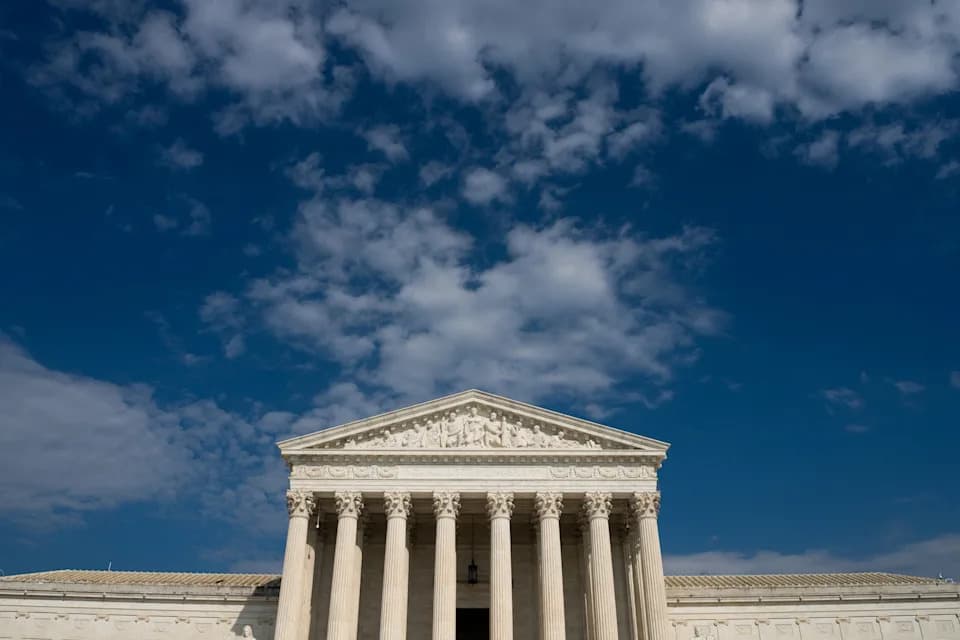
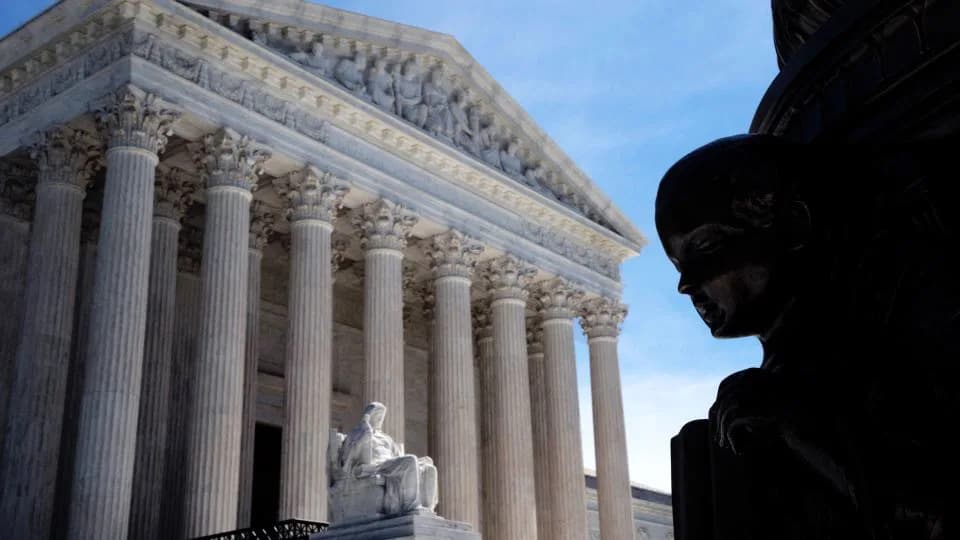
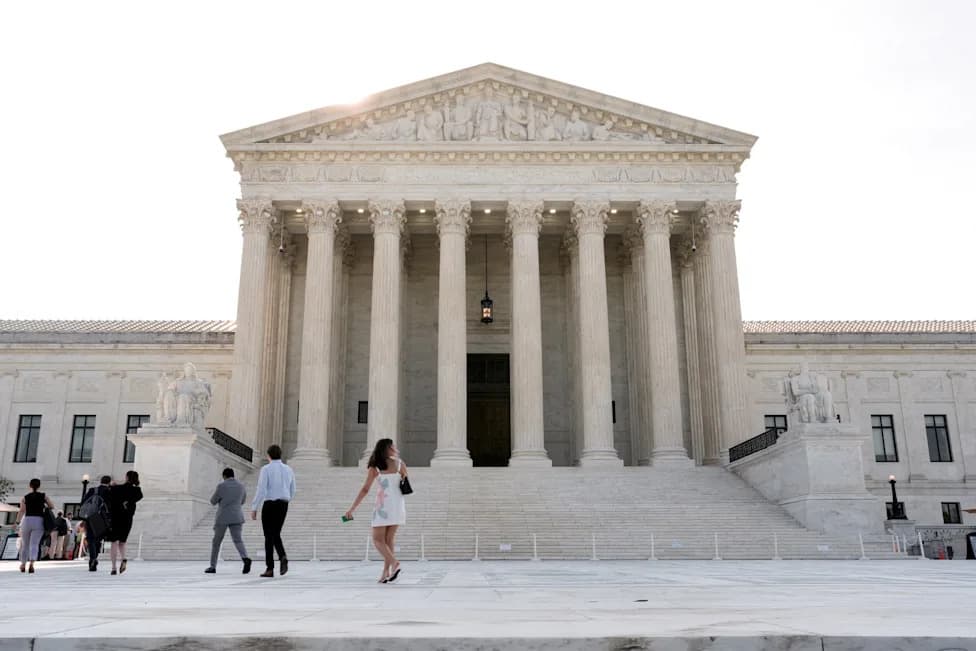
Voter Verification And Purges: The Supreme Court (over liberal dissents) appears poised to allow an expanded citizenship‑verification system that states could use to flag potential noncitizen registrations. Court documents show the system has produced wrongful flags and outdated matches. Although a pre‑election pause now limits systematic purges, the decision could reverberate in future cycles.
What This Pattern Means
These incidents illustrate a two‑track strategy: visible, aggressive assaults on institutions and quieter, administrative engineering that reshapes the rules of participation over time. Both can suppress turnout and shift political power.
On a lighter note, Michigan candidate Abdul El‑Sayed released a playful social media clip riffing on a popular Tim Robinson hotdog meme — a brief diversion amid a fraught electoral environment.
Takeaway: The risk to democratic processes is cumulative: procedural power grabs, underfunded systems, and technical failures combine with overt partisan pressure to create persistent vulnerabilities. Robust judicial safeguards and transparent administration remain essential bulwarks.
Help us improve.