The National Rehabilitation Centre at Stanford Hall opened on 2 September as a new £105m, 70‑bed facility using robotic and sensor-based technologies to speed recovery for people with life-changing injuries. Patients receive personalised physical and psychological rehabilitation during stays of two weeks to three months. Early patients — including a motorcyclist and a patient with myositis and lupus — report significant mobility gains after therapy supported by gait sensors and a robotic 360° hoist. The NRC aims to become a national blueprint for intensive, early rehabilitation across the NHS.
Robotic Therapy Helps Patients Walk Again at New £105m National Rehabilitation Centre
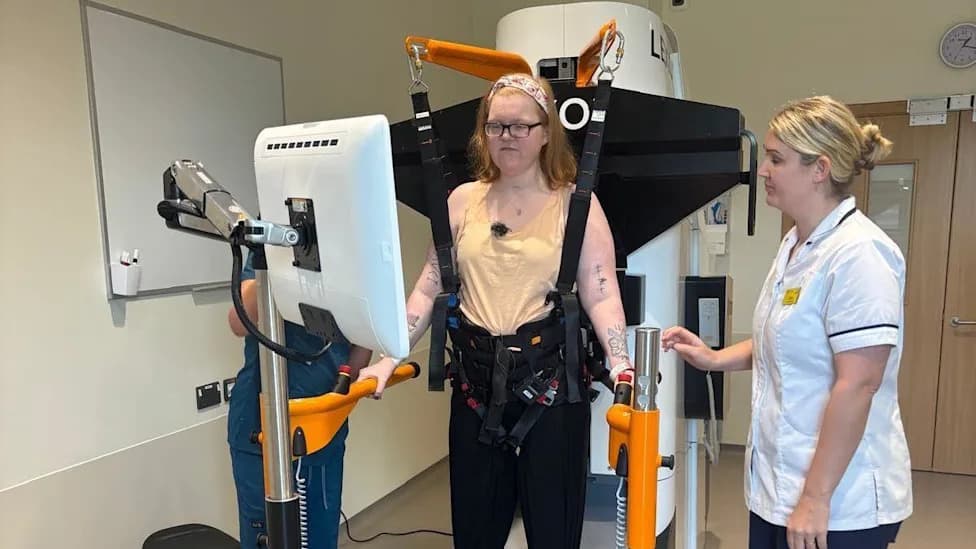
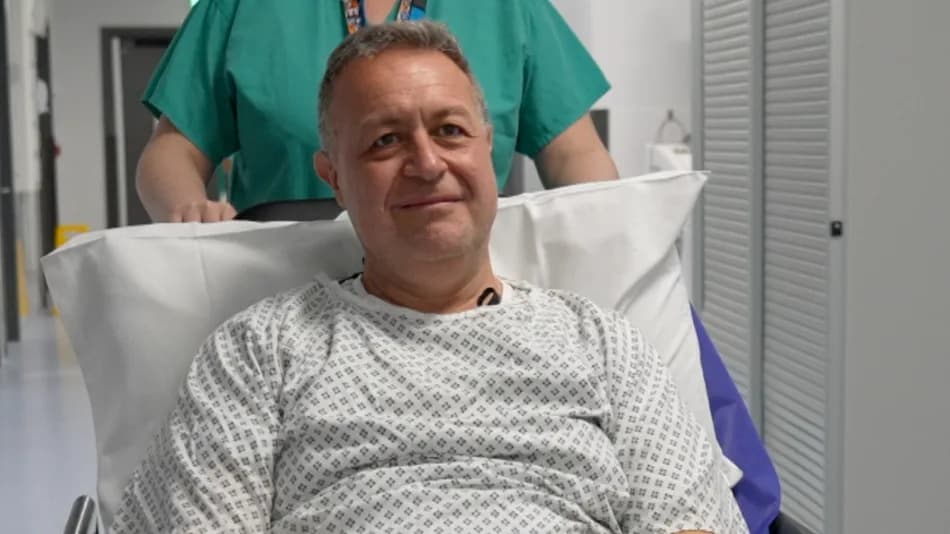
Nic Marsden has been using robotic technology at the National Rehabilitation Centre [BBC]
The newly opened National Rehabilitation Centre (NRC) at Stanford Hall in Nottinghamshire has begun using robotic and sensor-based technologies to accelerate recovery for people with life-changing injuries and illnesses. The £105m, 70‑bed facility — run by Nottingham University Hospitals NHS Trust (NUH) — opened on 2 September and offers intensive, early rehabilitation designed to restore mobility and independence.
The NRC combines physical rehabilitation with psychological support during stays that typically range from two weeks to three months. The centre shares its 365‑acre (147‑hectare) site with the Defence Medical Rehabilitation Centre (DMRC) and has been 15 years in the planning; health leaders say it is intended to become a blueprint for how rehabilitation is delivered across the NHS.
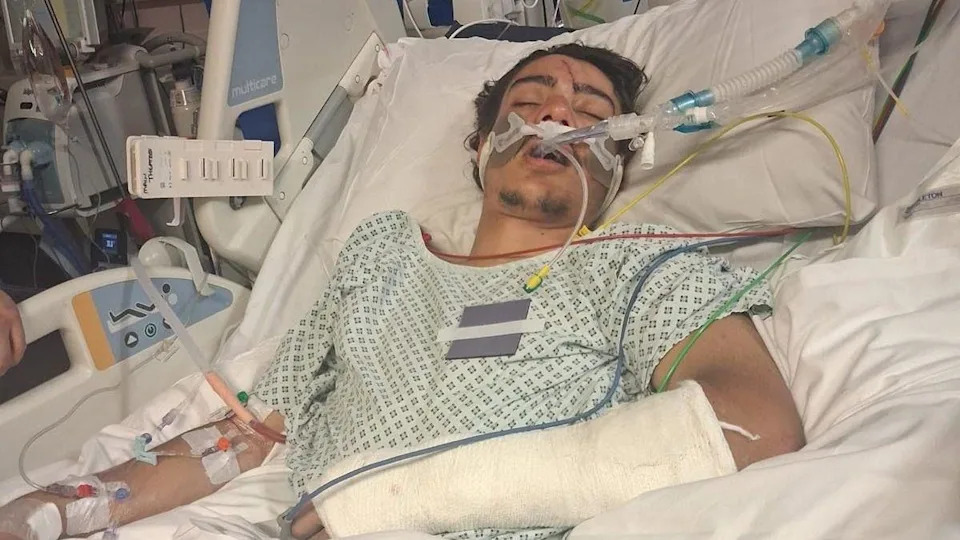
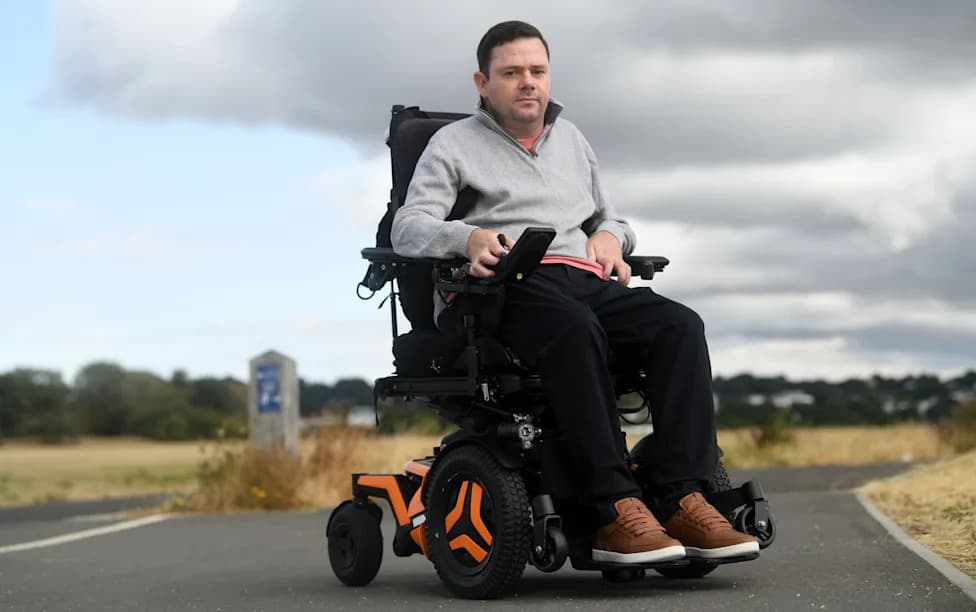
Brandon Wright suffered serious injuries in a motorbike crash [Supplied]
How the technology helps
Staff at the NRC use a mix of robotic systems and sensor-based technologies — including a robotic 360° hoist and gait sensors fitted to patients' feet — to enable earlier, more intensive practice. Innovation lead Ali Wildt explains that repetitive, targeted practice is critical for the brain and body to relearn movement after serious injury.
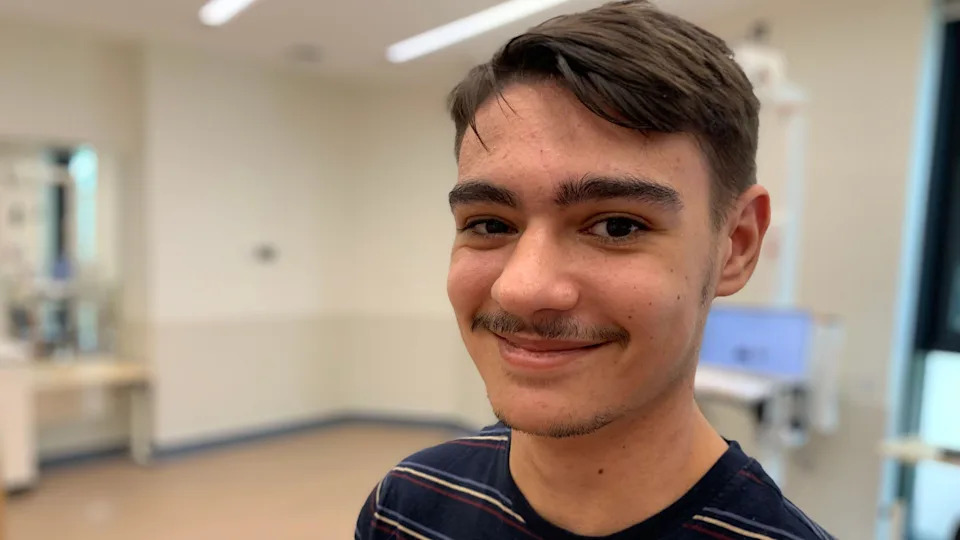
Brandon Wright has been receiving treatment at the centre [BBC]
"These systems really allow us to challenge our patients much earlier in their rehab," Wildt said. "They get to do repetition after repetition, which is where we know recovery happens."
Patient stories
Brandon Wright, 22, a semi-professional motorcyclist from Lincoln, was seriously injured in a racing crash in Wales. He suffered a brain injury, multiple bodily injuries and short-term memory loss after a high-speed impact. Arriving at the NRC three weeks ago, he has had personalised therapy — including sensors to analyse his gait — and says the team have helped him make strong progress.
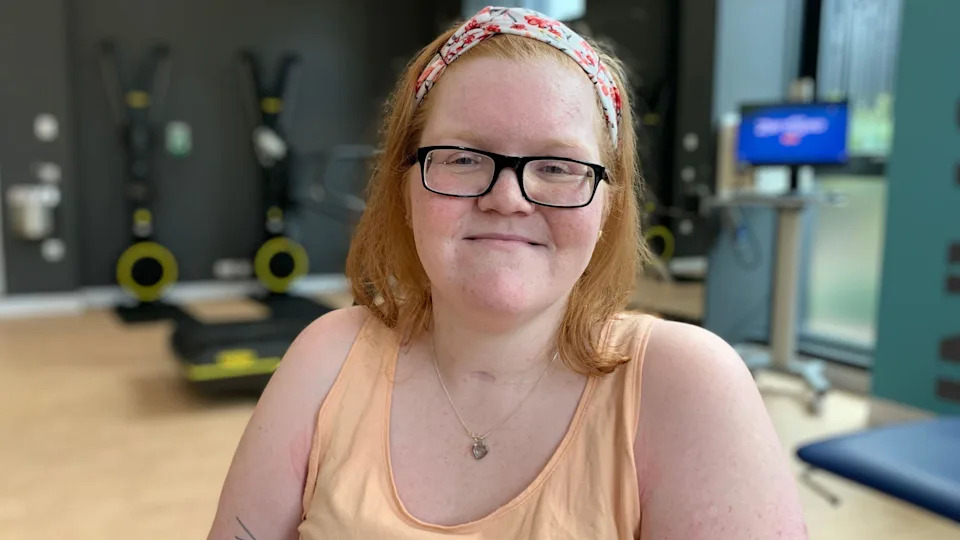
Nic Marsden said the technology at the centre has "enabled me to get back on my feet" [BBC]
"They help me so much — they want the same goals as I do: to get back to my normal self," Wright said. He hopes to leave the centre soon and return to racing in the longer term.
Nic Marsden, 29, from Eastwood, Nottinghamshire, was diagnosed with myositis and lupus and arrived at the centre initially unable to walk. Intensive physiotherapy supported by a robotic hoist has enabled her to start walking again.
"When I first came into hospital I was completely bed-bound," Marsden said. "Since being in rehab, the technology has enabled me to get back on my feet again. I'm taking steps now — I'm so proud of myself, and my family are proud too." She hopes to be home for Christmas.
Reach and aims
The NRC will accept patients from Nottinghamshire, Derbyshire, Leicestershire, Lincolnshire and Rutland, with many referrals expected via the East Midlands Major Trauma Centre at NUH. By concentrating specialist staff, advanced technology and intensive therapy in one place, the centre aims to improve outcomes and provide a model for future NHS rehabilitation services.
Help us improve.