The U.S. Senate unanimously passed the Tribal Access to Electronic Evidence Act, led by Senators Catherine Cortez Masto and Mike Rounds, to give Tribal courts greater access to emails and social media records in criminal investigations; the bill now goes to the House. The measure would recognize Tribal courts under the Stored Communications Act, require Indian Civil Rights Act warrant procedures for electronic evidence, and formally recognize Tribes as government entities. Separately, the American Affordability and Jobs Act would create an NHPA consultation track alongside NEPA with set timelines, preserving Tribal consultation while proposing deadlines for permitting (two years for EIS, one year for EA).
Senate Unanimously Passes Tribal Evidence Bill; New NHPA Consultation Track Proposed
Native News Weekly (October 4, 2026): D.C. Briefs
WASHINGTON — Below is a roundup of recent developments from Washington, D.C., that affect Indian Country, in addition to items already reported by Native News Online.
Tribal Access to Electronic Evidence Act Advances
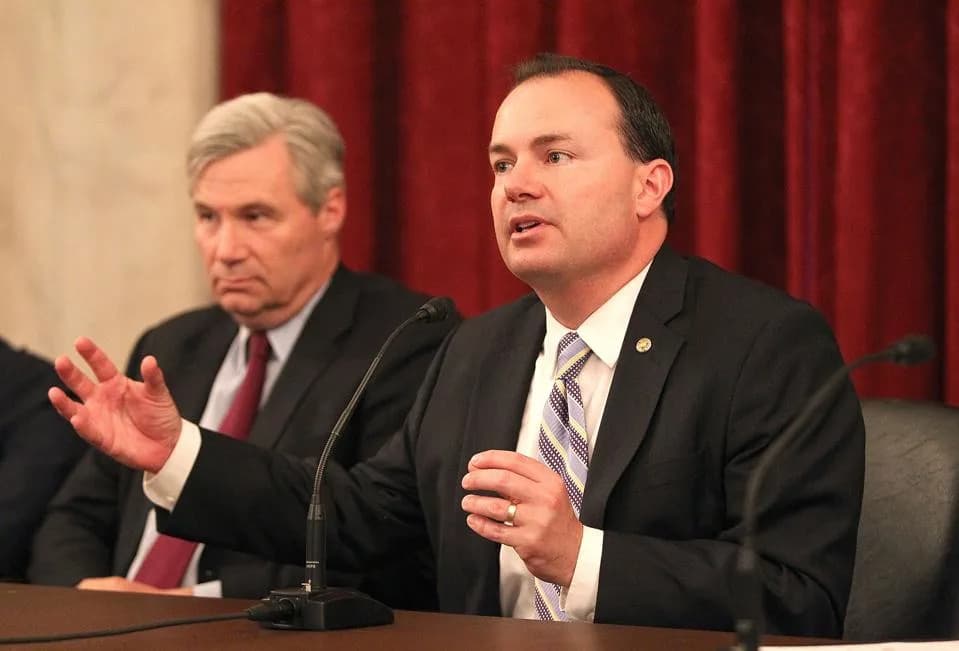
The U.S. Senate unanimously approved bipartisan legislation led by Senators Catherine Cortez Masto (D-Nev.) and Mike Rounds (R-S.D.) to expand Tribal courts' ability to obtain electronic evidence, including emails and social media messages, in criminal investigations. The measure now moves to the U.S. House of Representatives for consideration.
Sen. Catherine Cortez Masto: Tribal communities face high rates of violence and need access to essential investigative tools. Lawmakers must remove barriers that prevent Tribal law enforcement from obtaining electronic evidence needed to solve crimes.
Sen. Mike Rounds: The bill gives Tribal law enforcement an additional tool to address illegal activity on Tribal lands by streamlining access and cutting red tape.
Under the proposal, federal law would be amended to:
- Recognize courts of federally recognized Tribes as courts of competent jurisdiction under the Stored Communications Act;
- Require Tribal courts to follow warrant procedures established under the Indian Civil Rights Act when seeking electronic information;
- Explicitly recognize Tribes as government entities under the federal statute.
The bill has been endorsed by the National Native American Bar Association, the National American Indian Court Judges Association, and the National Native American Law Enforcement Association. The full text of the legislation is available on congressional websites and through sponsor offices.
New NHPA Consultation Track Included in American Affordability and Jobs Act
Separately, the bipartisan American Affordability and Jobs Act would create a new federal consultation process under the National Historic Preservation Act (NHPA) intended to preserve Tribal participation in reviews of energy and infrastructure projects that could affect historic and cultural resources. This NHPA consultation track would run alongside reviews under the National Environmental Policy Act (NEPA) and introduce defined timelines while maintaining a statutory role for federally recognized Tribes.
Supporters say the provision preserves Tribes' ability to formally engage in consultation during permitting and clarifies expectations for project reviews. The broader bill aims to accelerate permitting for energy and transmission projects without eliminating environmental reviews, proposing deadlines such as two years for Environmental Impact Statements (EIS) and one year for Environmental Assessments (EA).
Stakeholders and Tribal leaders will continue to weigh the balance between faster project timelines and the need for meaningful consultation to protect historic and cultural sites.
Native News Weekly originally reported these D.C. developments on Oct. 4, 2026.
Help us improve.