Gwen Leaffe Carr — a Cayuga Nation citizen and veteran Democratic strategist — argues that the Native candidacies emerging in 2026 are the product of years of organizing and can win. She emphasizes that Native candidates are running on mainstream issues while bringing valuable governance perspectives rooted in sovereignty and stewardship. Carr warns that short-term funding yields temporary gains, while sustained investment in organizers and infrastructure produces lasting political capacity. Her call: donors and parties must invest now and keep that investment after Election Day to build durable power.
Native Vote 2026 — Invest Now, Build Lasting Political Power
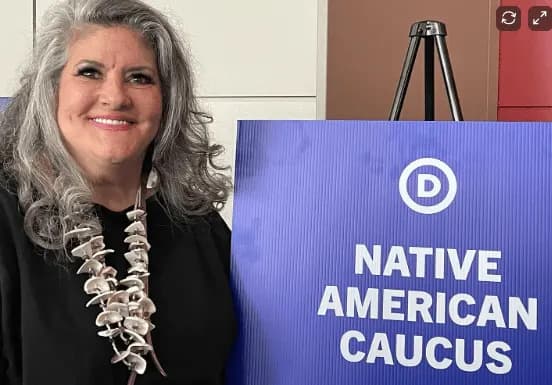
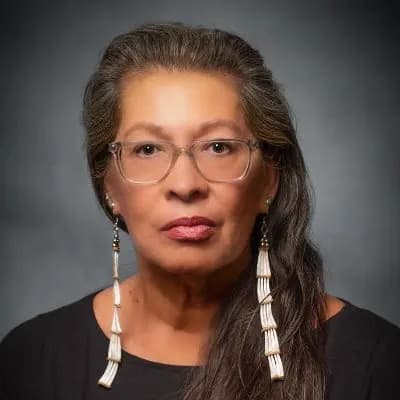
Gwen Leaffe Carr (Photo/Courtesy)
I am looking at the 2026 election from two places at once: as a political operative who happens to be Native, and as a Native person who has spent decades inside American politics.
I was the first Native American Democratic National Political Director. I have served as a Democratic Party executive director, run campaigns and executive committees, organized voters, raised funds, recruited candidates, and coordinated across tribal, state and federal governments. That experience gives me a clear view of how parties and campaigns operate — and how Indian Country engages with them.
What I see heading into 2026 feels different. Native candidates are running for governor, U.S. Senate, the U.S. House, state legislatures and local offices across the country. These candidacies are not sudden conversions to politics; many of these leaders have spent years organizing, building relationships inside parties, and developing political power. They simply happen to be running now — and they can win.
Native Candidates Are American Candidates
We must stop viewing Native candidates solely through the narrow lens of "Native voters." That framing is too small. Native candidates are running on mainstream issues — the economy, cost of living, health care, education, housing, jobs, infrastructure, climate, democracy, and public safety — while bringing perspectives shaped by Native governance, sovereignty, stewardship and intergovernmental experience. Native issues are American issues; Native political knowledge is an American asset.
Money. Votes. Infrastructure.
At the Democratic National Committee I learned a simple refrain: Money. Votes. Money. Votes. It is the bedrock of politics. Candidates need funds; voters need registration, education and turnout efforts; organizers must be paid; data, communications and field infrastructure cost money. The resources exist. The real question is whether donors and parties will invest where the opportunity lies — and whether that investment continues after Election Day.
Funding Builds Power — Pulling It Stops Progress.
In Wisconsin, I helped build a Native American caucus within the state Democratic Party and led Native Vote efforts. We raised money, partnered with tribes to locate and mobilize voters, deployed staff to the field and paid organizers. The result: strong turnout among registered voters in six of Wisconsin's eleven reservations, plus notable increases in Milwaukee. That was not theory — it was measurable political infrastructure driving turnout.
Then funding dried up. The caucus faded. Turnout cooled. That experience is a warning: investment can build durable political capacity; stopping that investment forces activists and organizers to start over.
Build Around the Win
Spending must do more than deliver a single victory. If a Native candidate wins a congressional or statewide seat, retain organizers, keep relationships with voters active, and develop the next candidate. Protect winnable seats, build candidate pipelines, and flip races where Native voters and Native candidates can change outcomes. The goal should be lasting political capacity — not a one-off thank-you after Election Day.
We have proof this works. I founded the Native American Caucus within the Democratic National Committee in 1997. Twenty-seven years later, at the 2024 DNC in Chicago, that caucus remained a place where Native Democrats from many states organized, exchanged information and strengthened ties. Infrastructure can outlast elections and even its founder; it can become larger than any single campaign.
Now And Later
I want both immediate wins and long-term capacity. I urge Democrats and donors to put significant, sustained resources behind Native candidates, the voters who will decide these contests, and the organizers and infrastructure that will carry the work forward after ballots are counted. Invest where Native candidates and Native voters can make a difference. Keep staff on the ground. Maintain relationships. Measure success by both victories and the political capacity that remains.
The opportunity is here: candidates are running and voters are ready. Maybe the person who will be the first Native American president is already in the room, watching and thinking, "I could do that." Maybe they only need to hear: Yes. Don't make them start from zero again.
Win now. Build now. Win later.
Gwen Leaffe Carr is a Cayuga Nation citizen, political strategist and government affairs professional with more than three decades of experience in tribal, state, and national politics. She was the first Native American Democratic National Political Director and has spent her career building political organizations, developing candidates and strengthening Native political power.
Help us improve.