Sen. Martin Heinrich (D-N.M.) voted against advancing the Digital Asset Market Clarity Act, saying it lacks protections for Tribal gaming and state regulatory authority. He will offer an amendment to add an IGRA and Tribal-state compact savings clause and to ban CFTC-registered entities from listing prediction contracts that resemble sports bets or casino games. Heinrich also cosponsored a separate amendment to restrict bank-like incentives from stablecoin companies. Tribal groups and gaming associations back his call for clear statutory protections.
Sen. Heinrich Pushes Amendment to Protect Tribal Gaming Rights From Prediction Markets

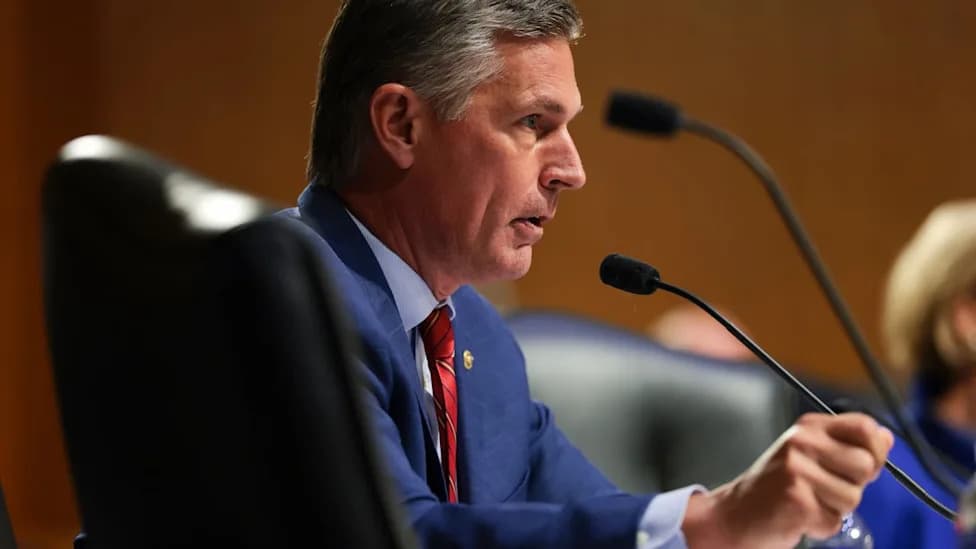
Sen. Martin Heinrich (Photo/US Senate)
U.S. Senator Martin Heinrich (D-N.M.) voted against advancing the Digital Asset Market Clarity Act (CLARITY Act), arguing the bill fails to protect state regulatory authority and Tribal gaming rights from emerging prediction markets that now offer online sports betting and casino-style products.
Heinrich said he will offer an amendment to the bill to reinforce protections under the Indian Gaming Regulatory Act (IGRA), preserve Tribal-state gaming compacts and ensure state gaming laws remain enforceable.
“The legislation we voted on today undermines Tribal sovereignty and states' police powers. And it directly threatens Tribes' gaming revenues, which would mean less government services funding across Indian Country. That's a lose-lose,” Heinrich said.
“Giving prediction markets a free pass to sidestep existing law and Tribal sovereignty is wrong, in every conceivable way. That is not to say I oppose digital asset market structure legislation. But what that legislation absolutely must include is commonsense protections for state and Tribal gaming rights, including an Indian Gaming Regulatory Act and Tribal-state compact savings clause and a ban on prediction contracts that function like sports bets or casino games.”
Heinrich's proposed amendment would add two central protections:
- An IGRA and Tribal-State Compact Savings Clause: A provision to ensure the federal law does not supersede or displace existing federal protections, Tribal-state compacts, or state gaming laws that govern Tribal gaming operations.
- A Ban On CFTC-Registered Entities Listing Certain Prediction Contracts: Prohibiting Commodity Futures Trading Commission (CFTC)-registered platforms from offering prediction contracts that materially resemble sports wagers or casino-style gaming products.
Why This Matters
Prediction markets have increasingly expanded offerings tied to sports events and other outcomes that can operate similarly to conventional gambling. Many operators have sought to classify these contracts as financial products, and the CFTC has asserted jurisdiction over certain prediction contracts as derivatives. Heinrich and Tribal leaders warn that, without explicit statutory safeguards, these markets could compete with Tribal gaming while avoiding the regulatory framework established by IGRA and Tribal-state compacts.
Tribal gaming revenues fund essential government services across Indian Country, including health care, public safety, education, housing and social services. Heinrich argues that erosion of those revenues would directly harm Tribal governments and communities.
Related Action: Stablecoin Amendment
Heinrich also cosponsored a separate amendment to the CLARITY Act, led by Senators Jerry Moran (R-Kan.) and Jack Reed (D-R.I.), that would bar stablecoin firms from offering rewards or interest in ways that mimic bank products. Supporters say such incentives could pressure community banks, reduce lending to families and small businesses, and increase uninsured balances held in stablecoin accounts not covered by the Federal Deposit Insurance Corporation.
Heinrich's vote against advancing the CLARITY Act follows a July letter he led urging the Senate committees overseeing banking and agriculture to address prediction markets offering nationwide sports and event wagering. The letter was supported by the Indian Gaming Association, the National Congress of American Indians and numerous Tribal nations.
Heinrich emphasized that his goal is not to block digital asset market-structure legislation, but to ensure any law protects Tribal sovereignty and the legal framework that governs gaming.
Help us improve.