The 417-page Bipartisan American Affordability and Jobs Act of 2026 tightens cost-allocation rules for transmission projects by requiring costs be roughly commensurate with benefits, narrows reliability language that might have favored renewable interconnections, and creates exemptions for smaller cooperatives and public utilities. It expands FERC’s permitting authority—making issuance mandatory for qualifying lines after at least 45 days of public comment—while strengthening ratepayer protections, imposing new data-center cost rules, and limiting litigation remedies (150‑day filing deadline, narrower standing, and no vacatur or injunction in many cases). The draft keeps ERCOT excluded and limits state Clean Water Act reviews to direct discharges; whether these changes become law will determine if waiting for a revised bill paid off.
Why the New Senate Permitting Bill Was Worth the Wait: What the 2026 Draft Changes
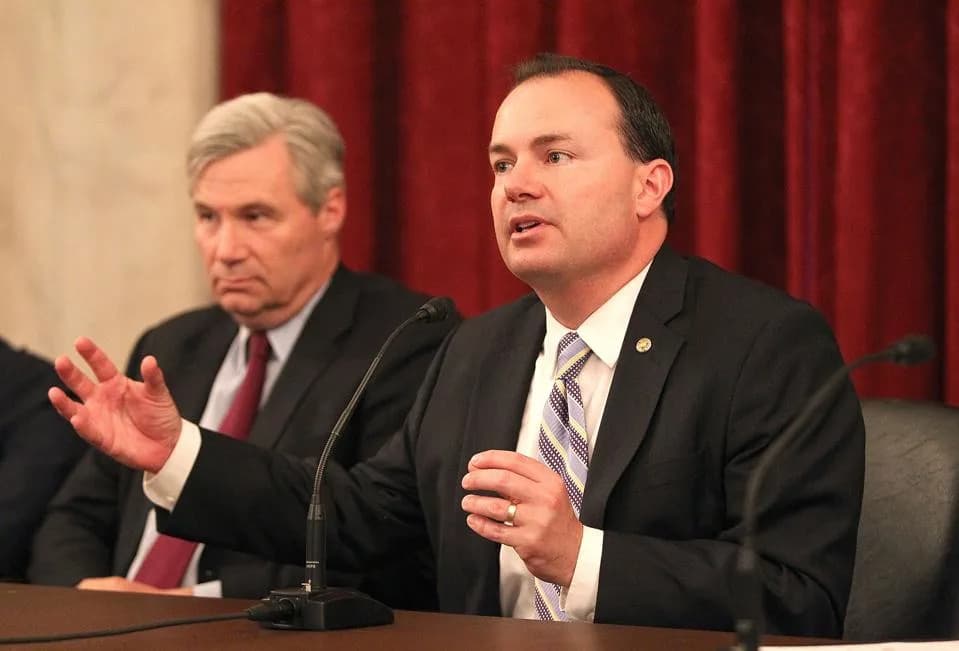
The Senate’s 417-page Bipartisan American Affordability and Jobs Act of 2026, released September 30, 2026, revises federal permitting rules for transmission projects and other infrastructure. Sponsored by Senators Mike Lee (R‑Utah), Sheldon Whitehouse (D‑R.I.), Shelley Moore Capito (R‑W.Va.) and Martin Heinrich (D‑N.M.), the draft aims to tighten consumer protections, narrow litigation exposure, and expand FERC’s permitting authority—while carving exemptions for smaller public utilities and cooperatives.
What’s New and Why It Matters
The 2026 draft addresses four central concerns raised about the earlier 2024 Energy Permitting Reform Act: who pays for new power lines, how reliability is defined, the scope of federal authority, and how litigation under environmental laws is handled. In important ways the new text strengthens ratepayer protections and curbs delay tactics, even as it gives the Federal Energy Regulatory Commission (FERC) broader backstop authority to approve transmission lines over state objections.
Stronger Cost-Allocation Protections
Unlike the 2024 bill, which required cost allocation "in accordance with the cost-causation principle" but only protected customers receiving "no benefit, or benefits that are trivial," the 2026 draft requires allocations to be "in accordance with the cost-causation principle and at least roughly commensurate with the benefits." This proportionality standard—drawn from Illinois Commerce Commission v. FERC and echoed in FERC's Order No. 1920—makes clear that customers should not be charged costs that far exceed the benefits they receive. The draft retains an explicit floor for customers receiving trivial benefits and preserves the option for voluntary agreements between utilities and large customers.
Narrower Reliability Language
The bill removes a specific phrase—"geographic or resource diversification"—from the reliability test that critics feared would let wide-area renewable interconnections be labeled reliability improvements too readily. Projects still must satisfy one of four reliability tests and demonstrate a material benefit to customers "on balance," but the revision reduces the risk that a transmission line built primarily to connect intermittent generation would be funded by impartial ratepayers under the reliability rubric.
Exemptions For Smaller Public Utilities And Co-Ops
Responding to concerns from the National Rural Electric Cooperative Association and the American Public Power Association, the 2026 draft creates an "exempt transmitting utility" category for state- and local-government-owned utilities and cooperatives that sell less than 4 million MWh per year. These entities would remain outside the bill’s new transmission-planning mandates unless they opt in. The ERCOT grid remains excluded.
Expanded FERC Permitting Authority
The draft expands FERC’s backstop siting power. Under current law FERC can authorize a line over a state objection only within Department of Energy-designated corridors. The 2026 bill allows FERC to approve qualifying lines outside those corridors, to step in after a state’s one-year inaction, and—importantly—changes FERC’s discretion into an obligation: where statutory triggers are met, FERC "shall" issue a permit after at least 45 days of public comment. That shift aims to reduce state-level vetoes that critics say block regionally important transmission, but it also increases federal reach into decisions previously controlled by states and utilities.
New State-Triggered Reviews Of Local Planning
States could refer a utility’s local transmission planning to FERC if they believe the utility has planned inefficiently. FERC could then reduce the utility’s allowed return, remove the presumption that spending was reasonable, and impose fines—authority that further extends federal oversight into traditionally local planning arenas.
Litigation And Environmental-Review Reforms
The bill strengthens procedural limits on litigation under NEPA and other statutes. Retaining a 150-day filing deadline, it narrows standing by requiring plaintiffs to show an "actual or imminent injury in fact amounting to a direct harm" and, where public comment was taken, to have raised the specific issue during agency review. Remedies would be tightly constrained: if a court finds a violation, the "only remedy" would generally be remanding the decision to the agency without vacatur or an injunction, and the agency would have up to 180 days to correct the error while the project continues. Courts could still pause projects for likely violations of other federal law.
Clean Water Act And Pipelines
The draft narrows state review under Section 401 of the Clean Water Act for interstate natural gas pipelines and power lines, limiting state certification review to a project's direct point-source discharges. A state denial would require clear and convincing evidence that the project could not be approved even with reasonable safeguards.
Ratepayer Protections And Data Centers
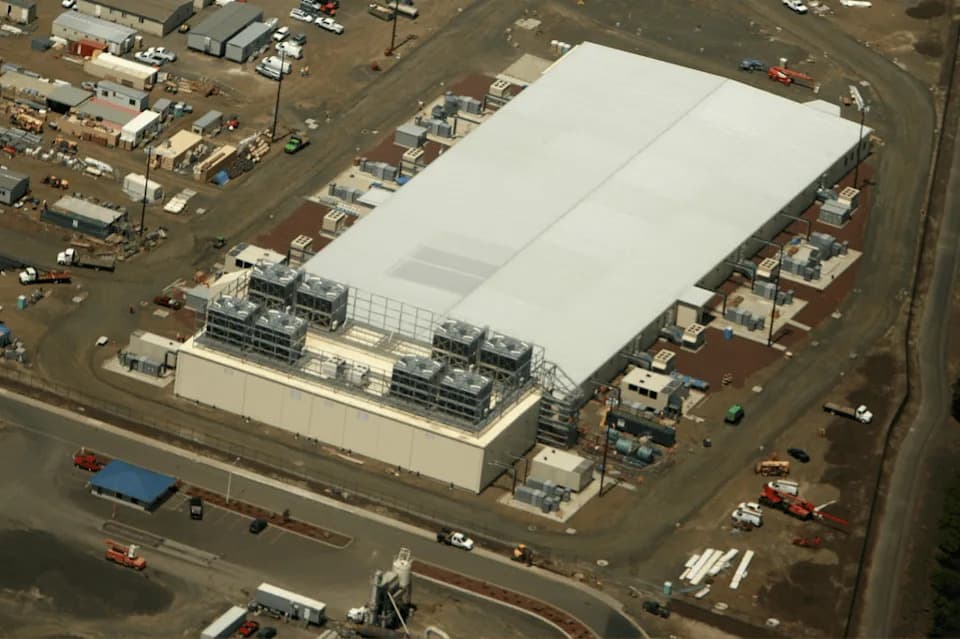
A new "Ratepayer Protection" section directs FERC to update its 1994 transmission-pricing policy so data centers pay their share of existing grid costs and incremental expansion costs. Utilities may not shift incremental costs of serving a data center of at least 20 MW to other customers; data centers must provide financial guarantees and remain responsible for unpaid costs. States may set higher charges and rebate surpluses to other ratepayers, or use competitive bidding to prioritize service.
What’s Still At Issue
The draft improves consumer safeguards and litigation limits, but it also broadens federal siting power—an expansion that remains controversial. Key questions left to resolve include how proportionality will be implemented in practice, the exact triggers for FERC intervention, and how courts will interpret when agency NEPA reviews are sufficiently complete for litigation purposes. Whether the improved protections survive the legislative process will determine whether waiting for a revised bill ultimately paid off.
Source: Draft Senate Text S. 4753 (118th Congress); Bipartisan American Affordability and Jobs Act of 2026 (Senate draft released Sept. 30, 2026). Original analysis previously published on Forbes.com.
Help us improve.