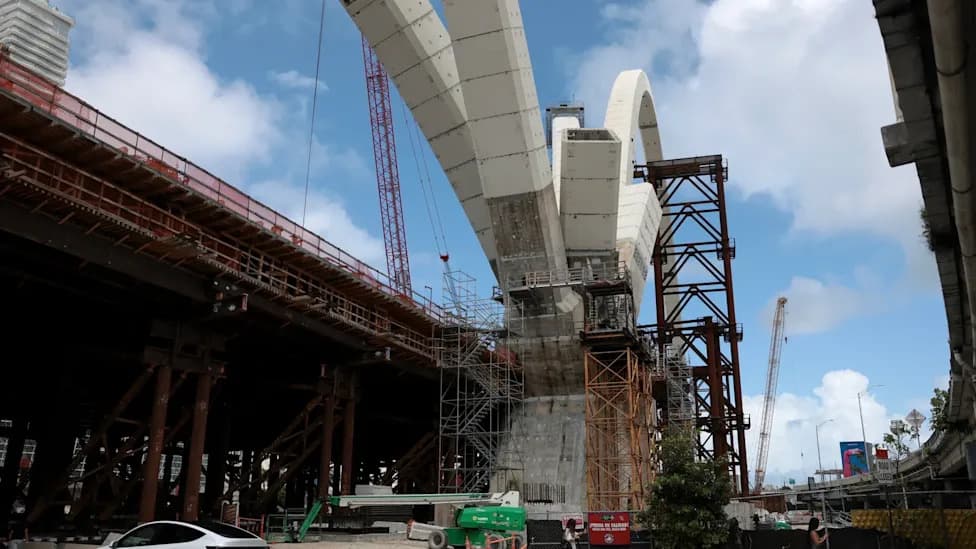
The Bipartisan American Affordability and Jobs Act, unveiled on 30 October, sets one- to two-year deadlines for federal environmental reviews and seeks to limit some legal challenges to speed permitting for major energy and infrastructure projects. The bill would create new approval processes for transmission upgrades and fast-track onshore and offshore wind projects. Industry groups praised the plan as a needed overhaul, while environmental groups cautioned it could weaken protections for water and endangered species. Senate leaders said a formal vote will be delayed until after the November midterms.
Senators Strike Bipartisan Deal To Speed Energy And Infrastructure Permitting — Vote Delayed Until After Midterms
If the bill is enacted
A bipartisan group of U.S. senators announced on 30 October that they have reached a framework agreement to overhaul federal permitting rules for major energy and infrastructure projects. Lawmakers said a Senate vote on the measure will be postponed until after the November midterm elections.
What The Bill Would Do
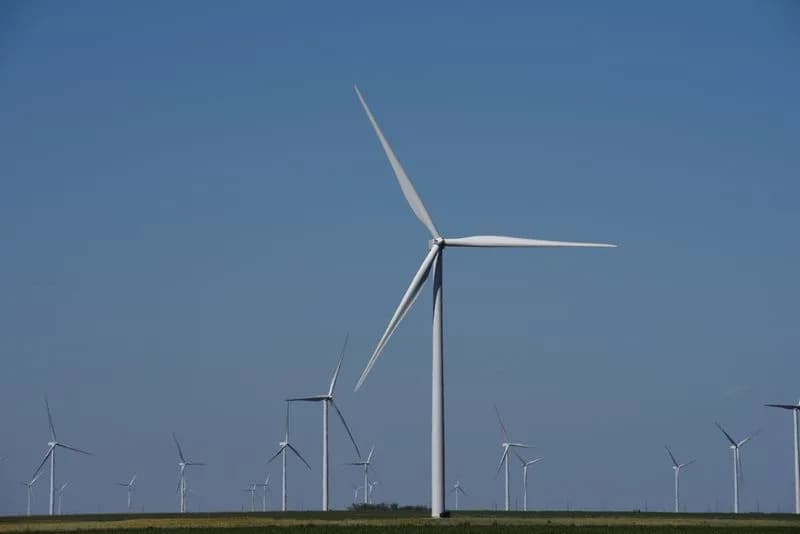
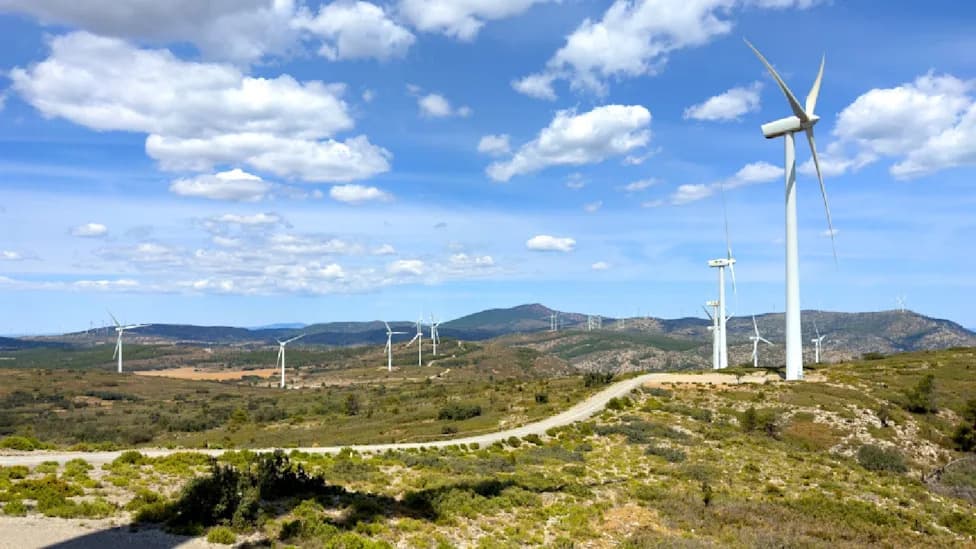
The proposal, titled the Bipartisan American Affordability and Jobs Act, aims to accelerate federal approvals by imposing firm timelines on environmental reviews, narrowing certain legal challenges, and improving interagency coordination. Under the plan, federal agencies would be required to complete principal environmental reviews within one to two years. The measure also creates new procedures for approving transmission lines and upgrades and includes targeted provisions designed to expedite both onshore and offshore wind projects.
Support And Opposition
Industry groups welcomed the agreement. The American Petroleum Institute (API) described it as an opportunity to modernize a slow permitting system and address affordability challenges for consumers. API president and CEO Mike Sommers said the changes could help deliver the infrastructure needed to keep costs down for Americans.
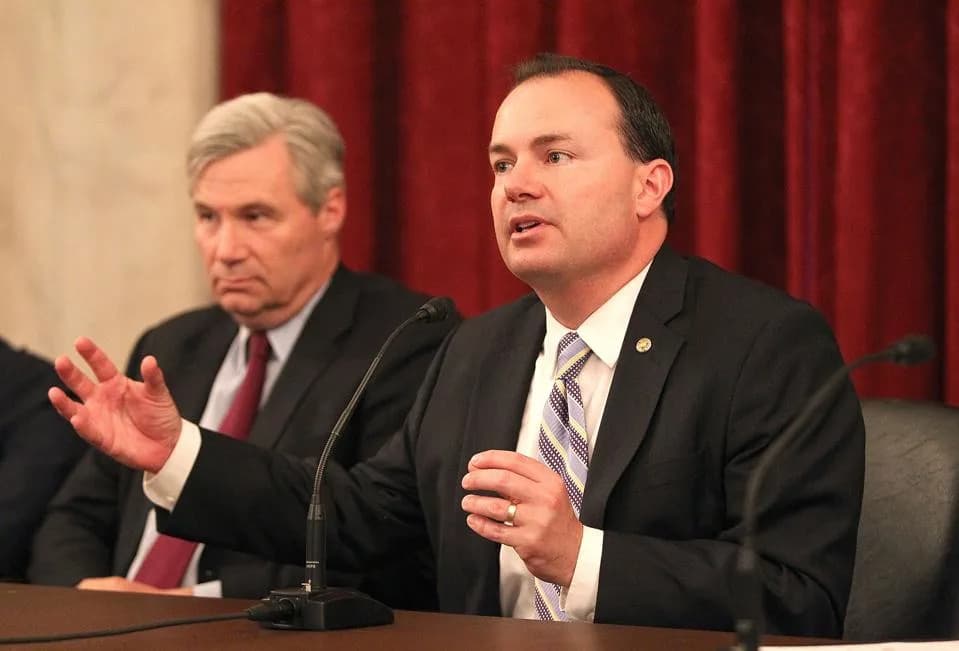
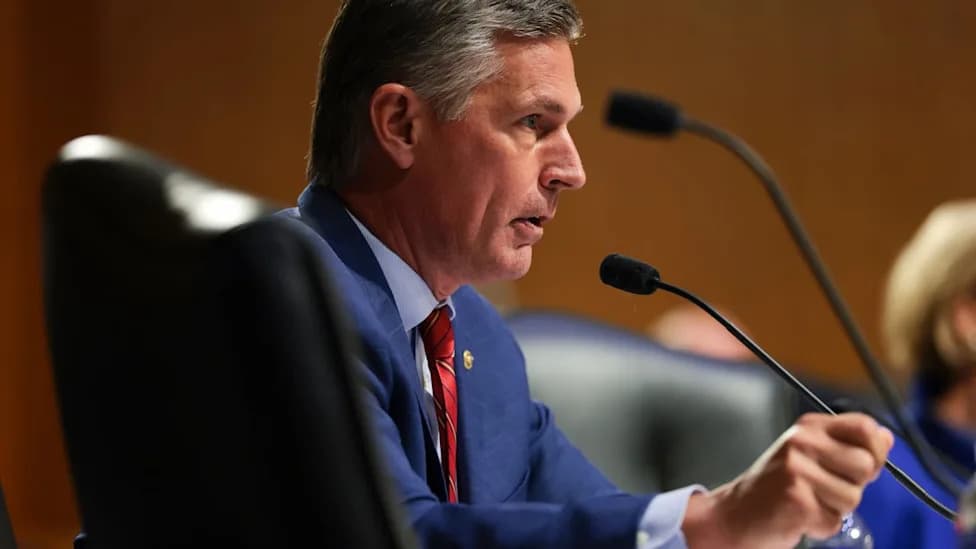
'We are motivated by one central shared concern: we want to make it easier in America to build things,' said Republican Senator Mike Lee, who chairs the Senate Energy Committee.
Supporters, including Senator Shelley Moore Capito, argued the bill would make permitting faster and more efficient while preserving environmental safeguards.
Environmental organisations warned the draft could weaken existing protections. Brad Campbell, president of the Conservation Law Foundation, said the bill appears to reflect industry priorities and could reduce safeguards for clean water and endangered species.
Background And Next Steps
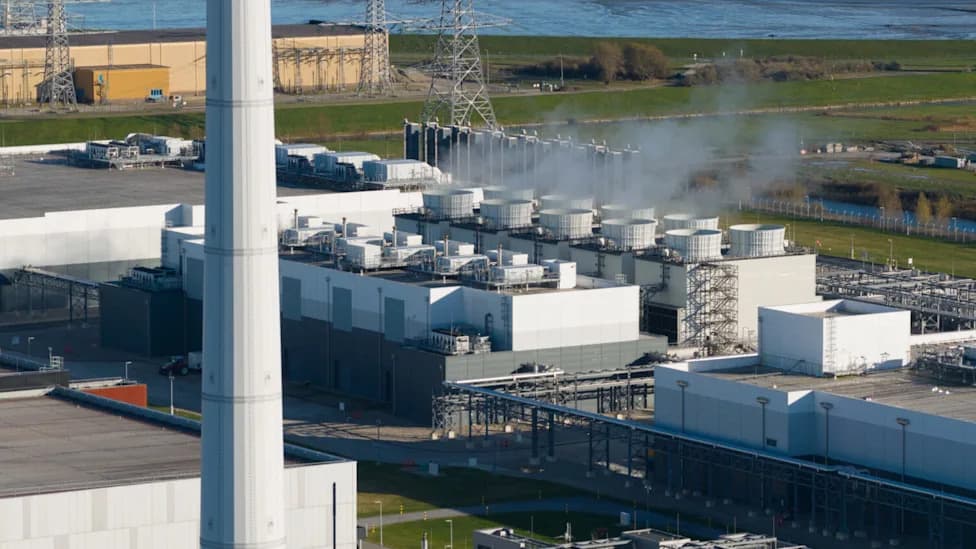
The agreement followed renewed negotiations after President Donald Trump indicated the draft law would offer improved treatment for wind and solar projects. Talks had stalled previously when the Trump administration suspended five major offshore wind projects in December, citing unspecified concerns. Senators said the text is a compromise intended to address long-standing delays that affect transmission lines, data centres, mines, and energy installations of all kinds.
The senators plan to continue refining the text before seeking floor action; they confirmed the Senate will not vote on the bill until after the midterm elections.
Sources: Reporting by Reuters and PBS; original analysis published by Power Technology.
Help us improve.