The U.S. Navy spends as much as $6 billion annually combating corrosion across ships, carrier aircraft and helicopters because saltwater accelerates the chemical reaction that creates rust. Routine preservation is labor-intensive — cleaning, needle-gunning, sanding, priming and applying specialty topcoats that can cost about $250 per gallon. Extended deployments and global operations make upkeep harder than for navies that remain closer to home, and while R&D into better coatings and materials continues, no fast, low-cost solution has yet appeared.
How the U.S. Navy Battles Rust — And Why It Costs Billions
Archaeonavall/Shutterstock
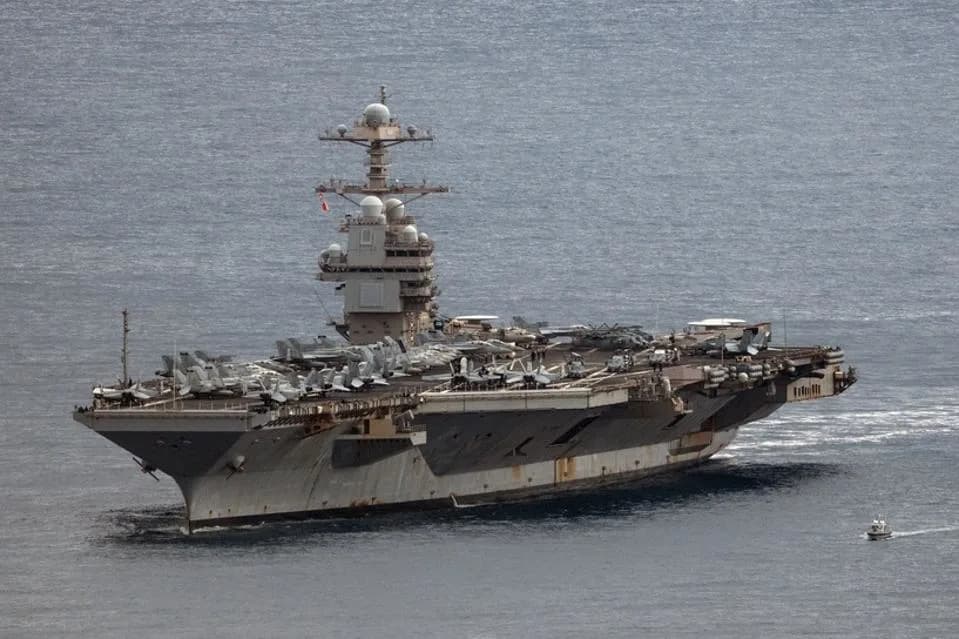
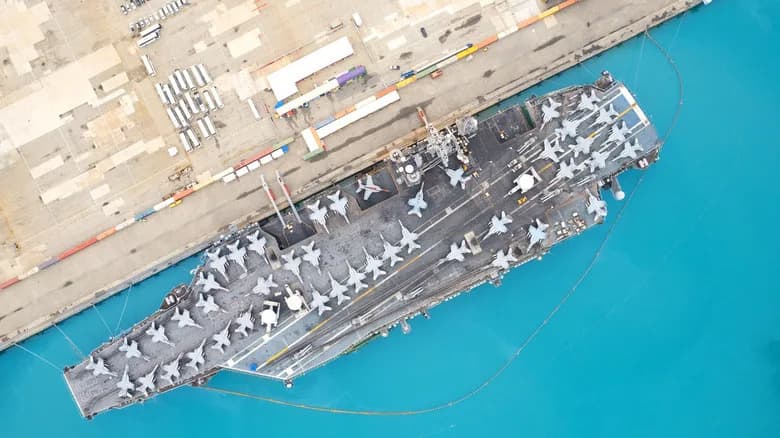
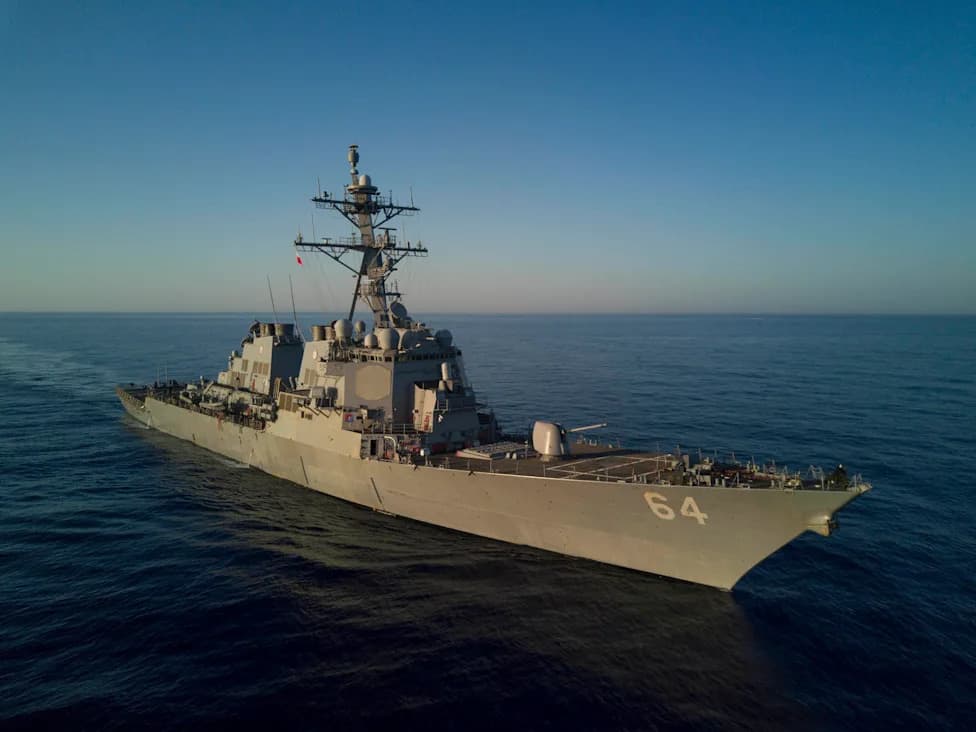
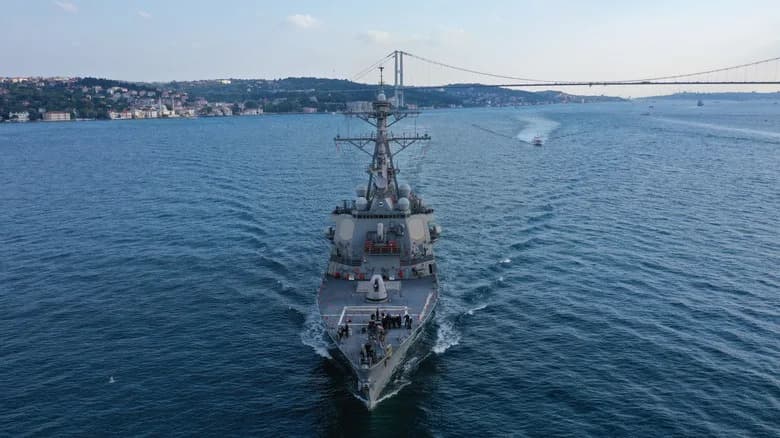
The U.S. Navy spends billions not only building ships but also keeping them fighting fit — and much of that cost is devoted to a surprisingly persistent foe: rust. Saltwater speeds the basic chemical process that turns iron into iron oxide, and keeping corrosion under control on carriers, surface ships, helicopters and fighter jets requires constant, labor-intensive preservation and expensive specialty materials.
Why Rust Is Such a Big Problem
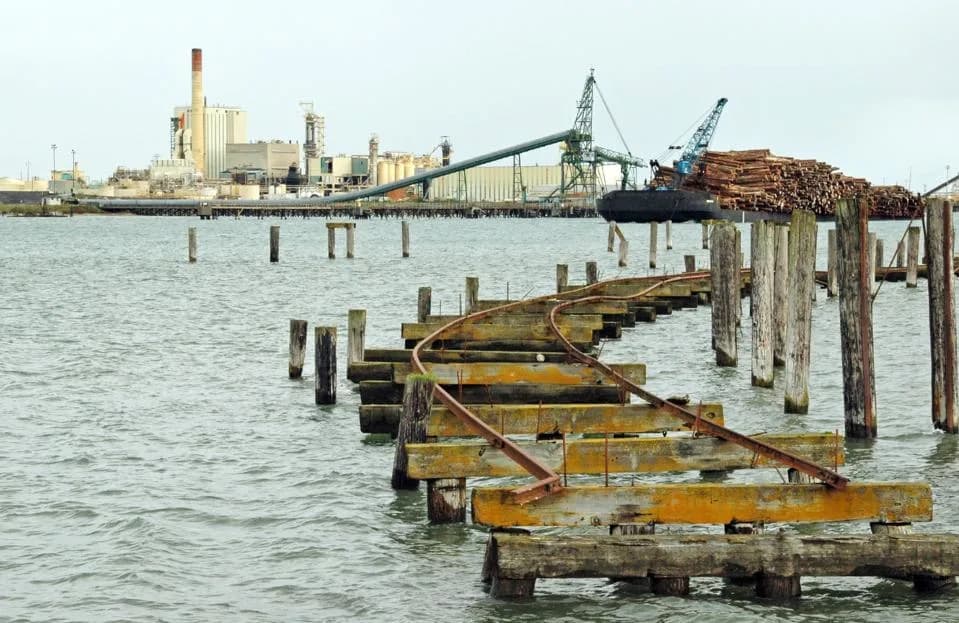
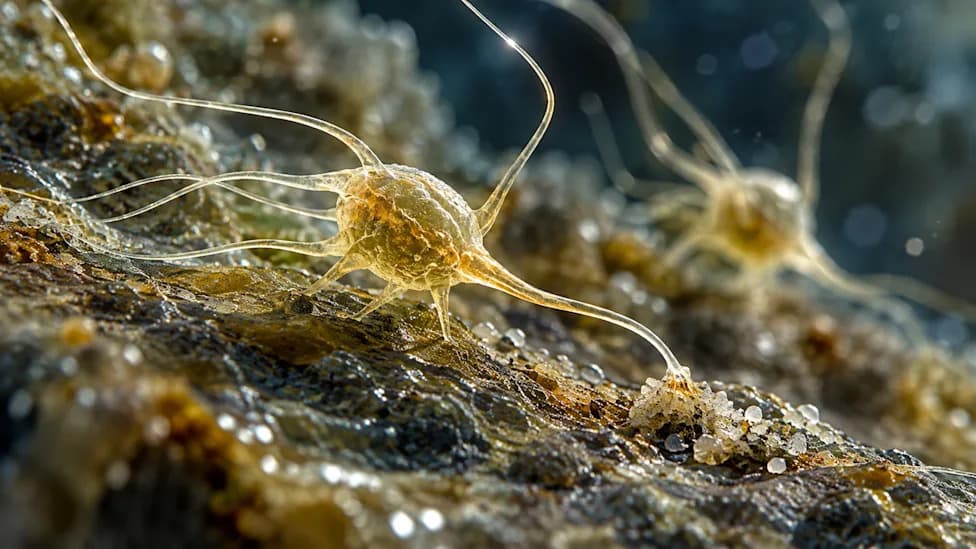
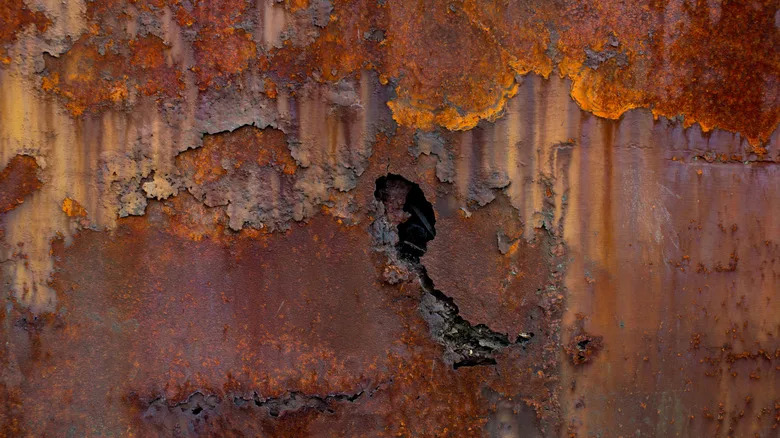
Naval vessels are primarily constructed from steel — often HSLA (high-strength low-alloy) varieties chosen for strength, weldability and improved corrosion resistance. Still, no common steel is immune: when iron meets water and oxygen, rust forms. Add salt spray and the process accelerates dramatically, making corrosion a near-constant threat to structural life and onboard systems.
Quisquilia/Shutterstock
What Routine Maintenance Looks Like
Everyday preservation is painstaking. Crews typically:
1. Clean and dry the affected area with water and rags; 2. Use a needle gun to knock loose flaking rust; 3. Sand and smooth the transition between corroded and sound metal; 4. Wipe down and apply two coats of primer, sanding between coats to level the surface; 5. Finish with a rust-inhibiting topcoat of paint — specialty coatings can cost roughly $250 per gallon.
Library Of Congress/Getty Images
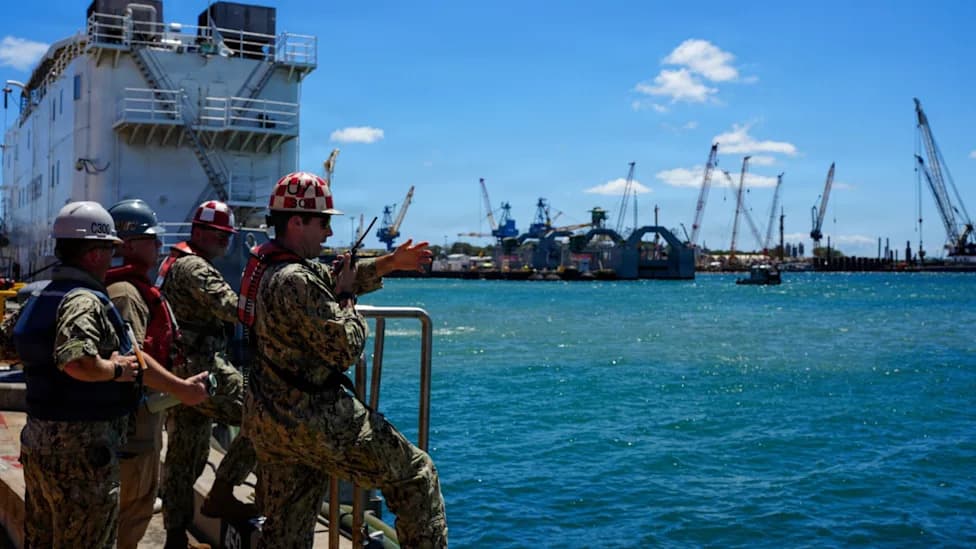
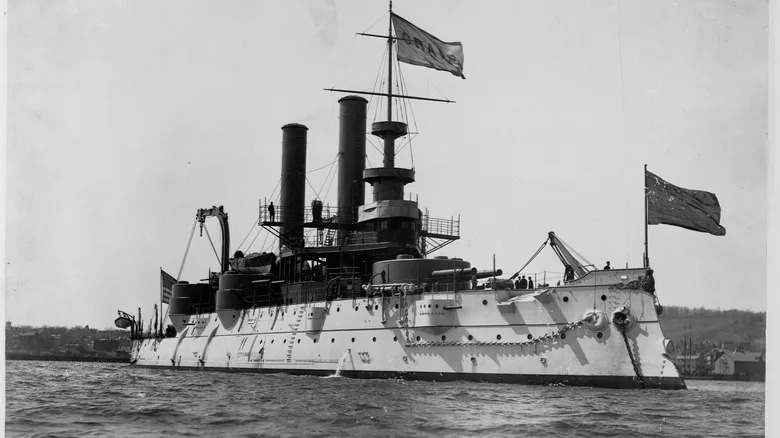
Those steps keep ships serviceable at sea. When vessels enter port or dry dock, technicians perform more extensive repairs: removing and replacing corroded plates, treating deeper corrosion and doing time-consuming structural work that cannot be done underway.
Costs, Appearance And Operational Reality
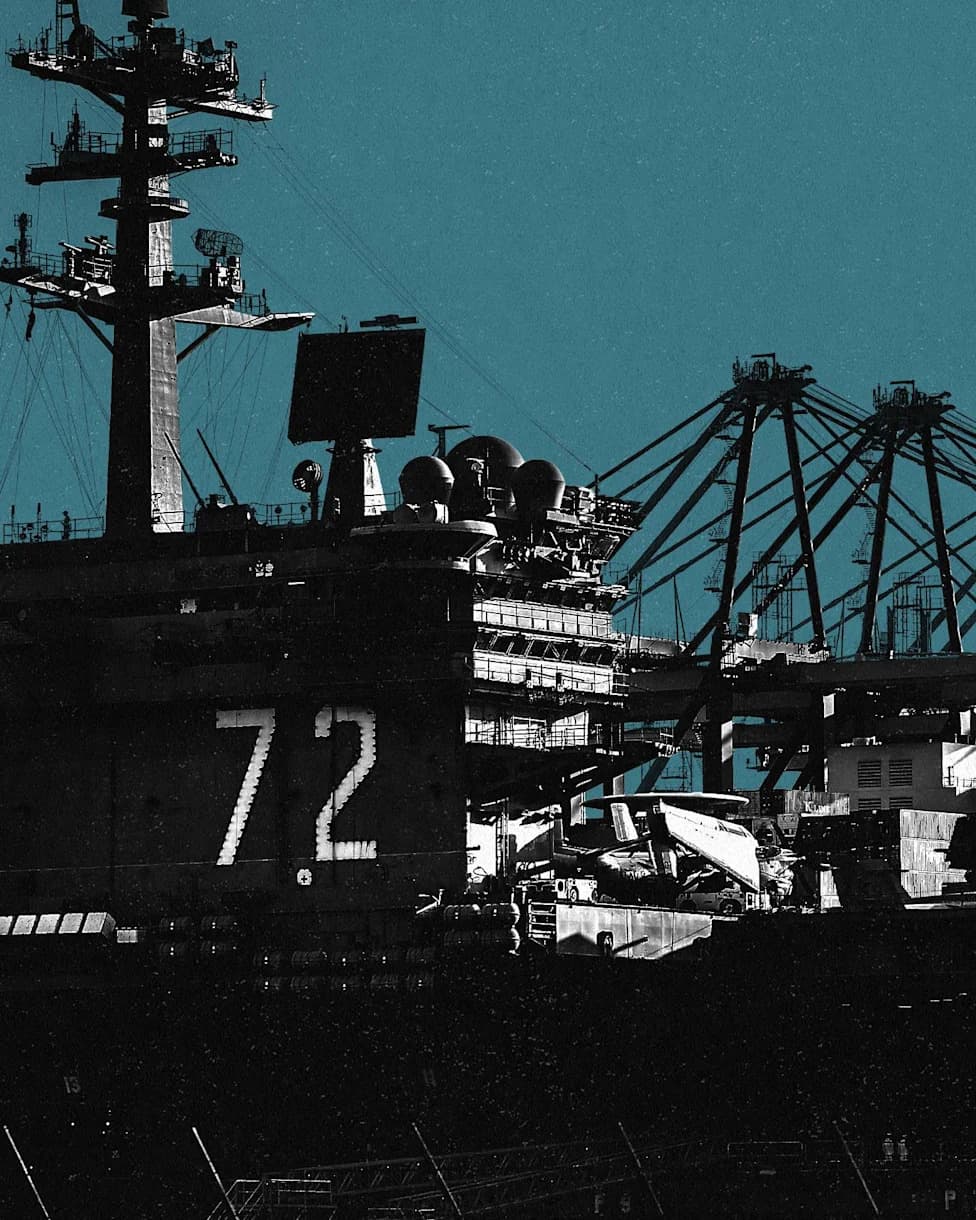
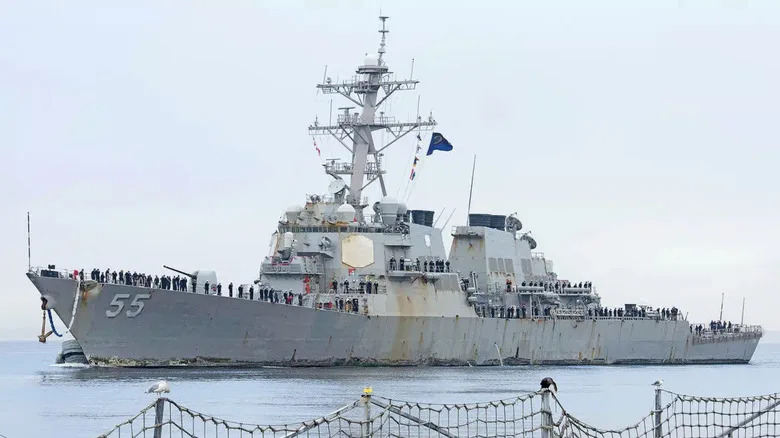
Corrosion control across ships, carrier aircraft and helicopters can total as much as $6 billion a year for the U.S. Navy. Beyond direct repair costs, the visible signs of corrosion matter: streaked hulls and weathered waterlines can affect public perception, diplomatic signaling and the Navy’s image of readiness.
Naval News
Comparisons with other navies are not always straightforward. Many foreign fleets operate closer to home and return to docks more frequently, while U.S. ships often deploy worldwide for long periods, far from maintenance hubs. That scale and global tempo increase the maintenance burden and make a pristine appearance harder to sustain.
Research And The Path Forward
Naval leaders, industry and research communities continue to pursue better solutions — improved coatings, advanced materials and preservation techniques — but no simple, low-cost, low-labor ‘cure’ has emerged. For now, the Navy’s strategy centers on sustained preservation: many man-hours, frequent dry-dock visits and incremental repairs while research seeks more durable and economical options.
Good preservation buys time and service life — but it takes people, time and money. Until a breakthrough coating or material arrives, rust-fighting remains one of the Navy’s most expensive routine tasks.
Photo credits in the original reporting included sources such as the Library of Congress and Naval News; the original feature was published by SlashGear.
Help us improve.