U.S. Navy destroyers are heavily committed to the Middle East amid operations targeting Iran, straining a fleet already affected by prolonged maintenance. As of Sept. 14, two guided‑missile destroyers were in the Red Sea and 13 in the Arabian Sea. A December 2025 CBO analysis found Arleigh Burke‑class overhauls begun 2011–2024 averaged 26% longer than planned and required about 8% more labor, and projects DDG‑51s will spend over nine years in maintenance—well above earlier plans. GAO reviews also highlight spare‑parts shortages, staffing gaps, and deferred maintenance across the surface fleet.
US Navy Destroyers Stretched Thin in Middle East as Maintenance Backlog Grows
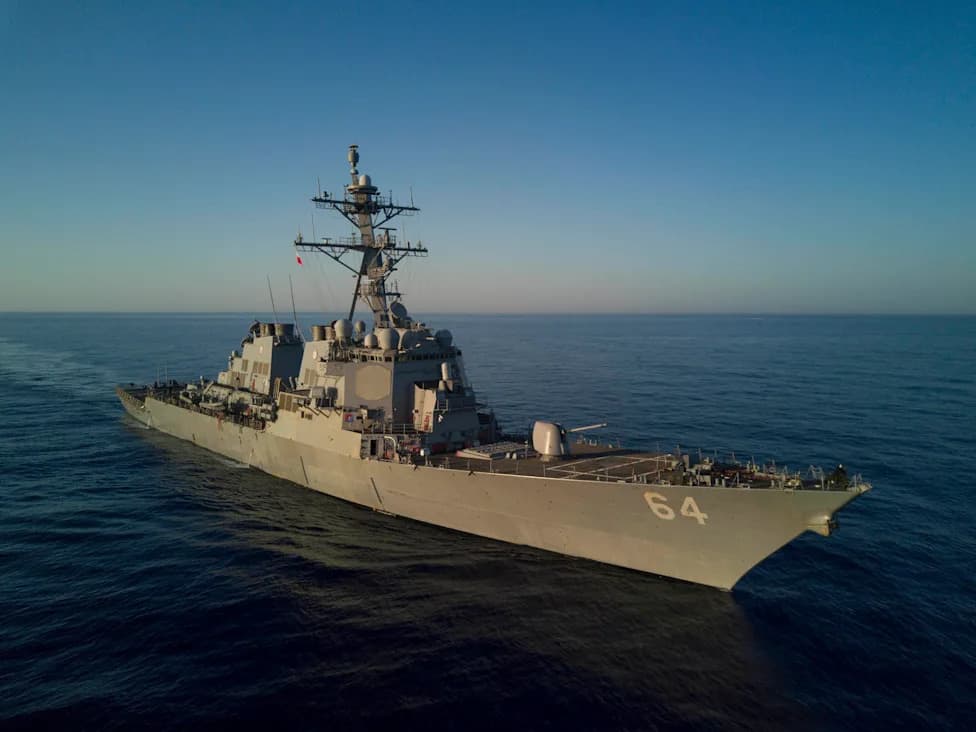
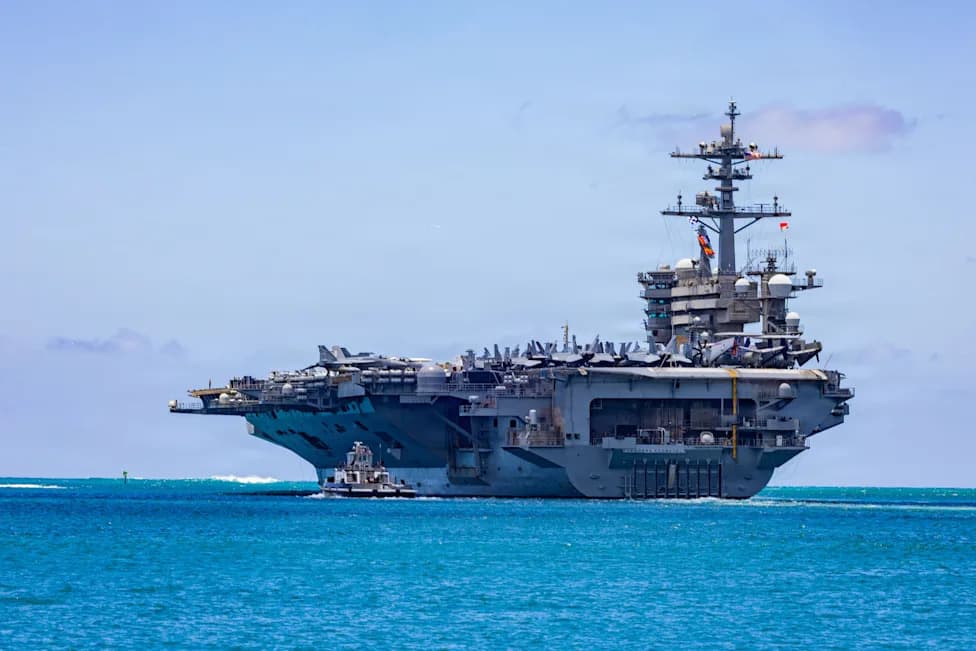
Arleigh Burke-class USS Carney (U.S. Navy)
The U.S. Navy has concentrated Arleigh Burke–class destroyers in the Middle East as American forces carry out operations targeting Iran, a deployment that is placing fresh operational strain on a fleet already hampered by lengthy and growing maintenance backlogs.
Where the Fleet Is Deployed
As of Sept. 14, the U.S. Naval Institute's fleet tracker—compiling Navy and public data—reported two guided-missile destroyers operating in the Red Sea and 13 more in the Arabian Sea. U.S. Central Command confirmed the concentration of destroyers in the region amid ongoing operations against Iran.
High Operational Tempo: The USS Carney Example
The operational demands on the class were already significant before the most recent escalation. The USS Carney was deployed for 235 days from September 2023 to May 2024 and, according to the Navy, engaged 51 times with weapons launched by Houthi forces. When the Carney returned, then–Chief of Naval Operations Adm. Lisa Franchetti told the crew the Navy had not fought an enemy so directly since World War II—a remark that underscores the intensity and unusual tempo of recent operations.
Maintenance Strain and Long Overhauls
The surge in operations coincides with persistent problems in the Navy’s maintenance system. U.S. Fleet Forces Command declined to discuss current destroyer readiness, ongoing operations, or potential effects on future deployment schedules, citing operational security and classification rules.
Key data from the Congressional Budget Office (December 2025):
- Arleigh Burke–class overhauls that began between 2011 and 2024 took on average 26% longer than the Navy’s final scheduled estimates.
- Across 225 DDG‑51 overhauls analyzed, availability periods required about 8% more labor than planned.
- CBO projects DDG‑51 destroyers will spend on average more than nine years—roughly 27% of their planned service lives—in maintenance, compared with about four years envisioned in the Navy’s 2012 maintenance plans.
- The average age of the DDG‑51 fleet rose from roughly 10 years in 2011 to about 20 years in 2024, contributing to longer and more complex overhauls.
Broader Fleet Issues
The Government Accountability Office’s January 2025 review found wider problems across the Navy’s conventional surface fleet. From fiscal 2020 through 2023 the Navy requested nearly $24.9 billion for combat-surface-ship maintenance and reported that nearly $25.9 billion was appropriated; the Navy told GAO it had obligated 99.7% of that funding by the end of fiscal 2023. Despite the funds, GAO reported continuing shortages of spare parts, insufficient qualified maintenance personnel, and an ongoing need to defer maintenance.
Causal Factors and Operational Implications
The federal budget and watchdog analyses point to a set of persistent causes driving extended maintenance timelines: an aging destroyer fleet, postponed or deferred maintenance, late inspections and contract awards, unexpected additional work discovered during overhauls, delays in parts and materials, and modernization tasks added mid‑availability.
Implication: Concentrating a limited number of destroyers into a high‑demand theater while many ships spend growing portions of their service lives in extended maintenance cycles increases risk to surge capacity and long‑term readiness.
What To Watch
Policymakers and naval planners will likely monitor whether maintenance throughput improves, whether spare‑parts supply chains and maintenance workforce shortfalls are addressed, and how deployment schedules change if operational demands in the Middle East persist.
Help us improve.