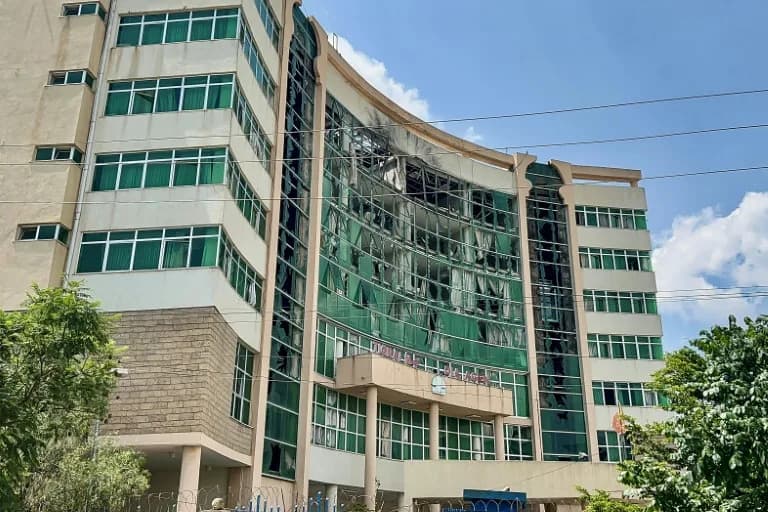
The GAO warns that the Navy's Shipyard Infrastructure Optimization Program could take about 50 years and cost over $200 billion. The report highlights rising cost estimates, aging facilities across four shipyards, and a lack of built-in, periodic reviews to reassess assumptions. GAO recommends adding decision-point reviews, clearer oversight, and better documentation to reduce risk and keep the program aligned with changing fleet needs.
GAO Warns Navy Shipyard Overhaul Could Take 50 Years and Exceed $200 Billion
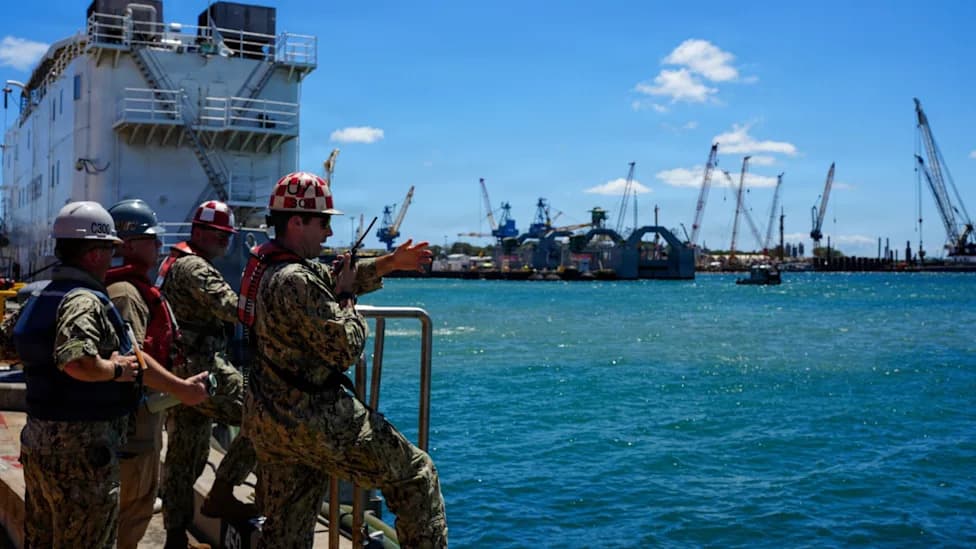
Sailors at Pearl Harbor Naval Shipyard and Intermediate Maintenance Facility coordinate with the USS North Carolina as it is service in the installation.
The Government Accountability Office (GAO) warns that the Navy's Shipyard Infrastructure Optimization Program (SIOP) could take roughly 50 years to complete and cost more than $200 billion, according to a new GAO report. The program aims to modernize the Navy's four primary shipyards—Pearl Harbor (HI), Norfolk (VA), Puget Sound (WA) and Kittery (ME)—but faces rising estimates, aging facilities and gaps in oversight.
Key Findings
The GAO found that cost estimates for SIOP have grown significantly since the program began in 2018 and that the program currently lacks a formal plan for routine, built-in reviews to reassess assumptions and progress. Without scheduled decision-point reviews, the GAO cautions, the Navy risks making very large, long-term investments that may not match evolving fleet requirements.
"However, the Navy has not outlined steps in the framework to reevaluate program objectives and resources as the program progresses over the next several decades," the report states. "Without building such reviews into key future decision points, the Navy is limiting its ability to ensure that capabilities in SIOP's plans today continue to be aligned or adjusted to support future fleet warfighting needs."
Why It Matters
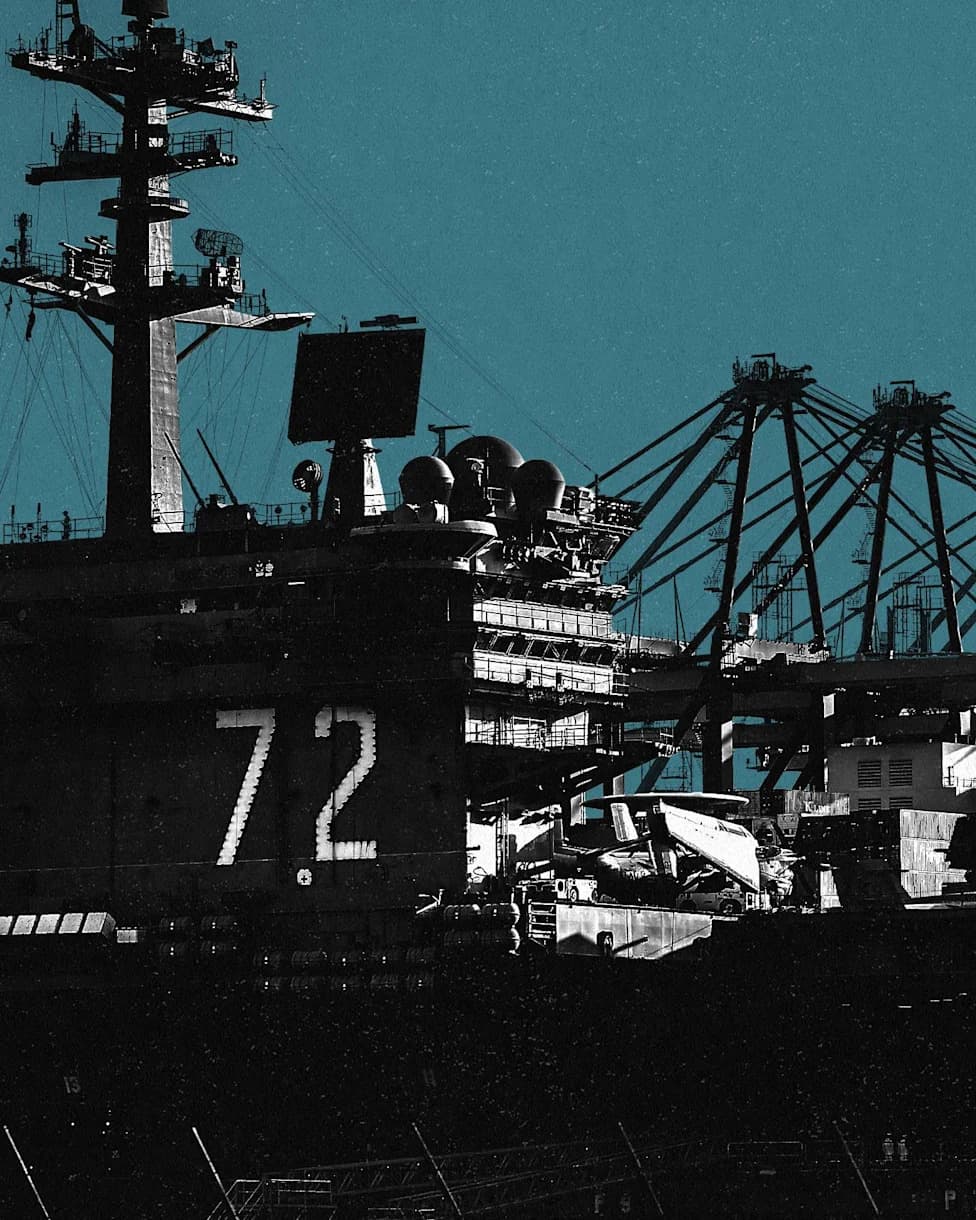
These shipyards are essential to maintaining operational readiness for carriers and submarines, but many facilities are outdated and in poor condition. SIOP seeks to upgrade dry docks, replace or modernize equipment, and expand capacity to support the fleet. The program is built on long-term assumptions about fleet size, maintenance demands and deployment cycles—assumptions the GAO says are likely to change over decades.
Program Risks and Industry Best Practices
Diana Moldafsky, who led the GAO review, told Task & Purpose that SIOP should adopt periodic reassessments similar to practices used in other Navy acquisition programs and commercial companies. The GAO recommended that SIOP include built-in reviews at key decision points to reassess the program's business case, affordability and long-term sustainability.
Other Challenges
The GAO also highlighted workforce shortages and limited shipyard capacity as factors that have hindered recent shipbuilding growth—even as budgets increased. Previous GAO reporting found that fleet expansion lagged despite higher spending, in part because yards lacked space and skilled workers to meet demand.
Recommendations
To address these issues the GAO issued three recommendations to the Navy: implement specific oversight steps (including scheduled evaluations), better document the responsibilities of key program organizations, and build periodic decision-point reviews into SIOP's governance structure.
Bottom line: SIOP aims to modernize critical Navy infrastructure, but the program’s rising cost estimates and lack of formal periodic reviews create material risk. Adding structured oversight and scheduled reassessments would help the Navy align long-term investments with changing fleet needs and improve affordability and sustainability.
Help us improve.