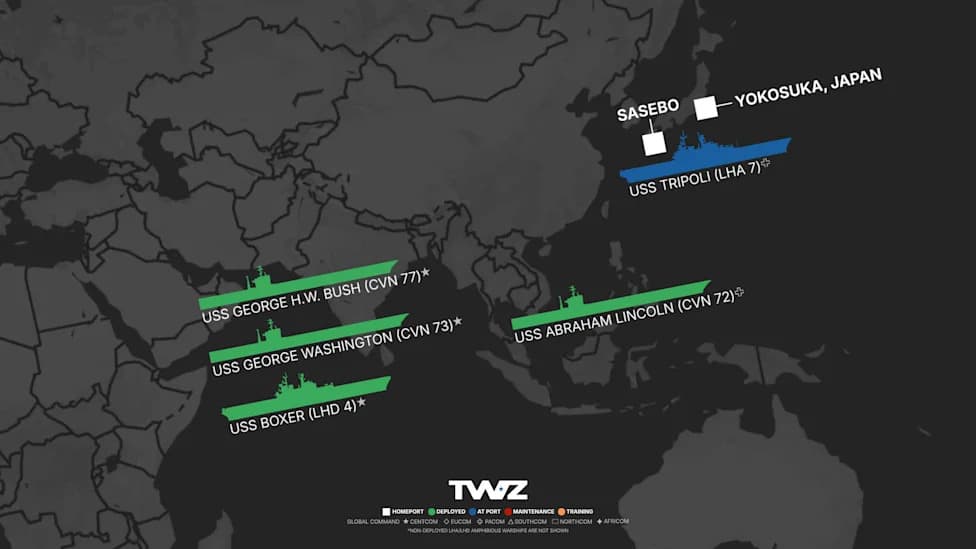
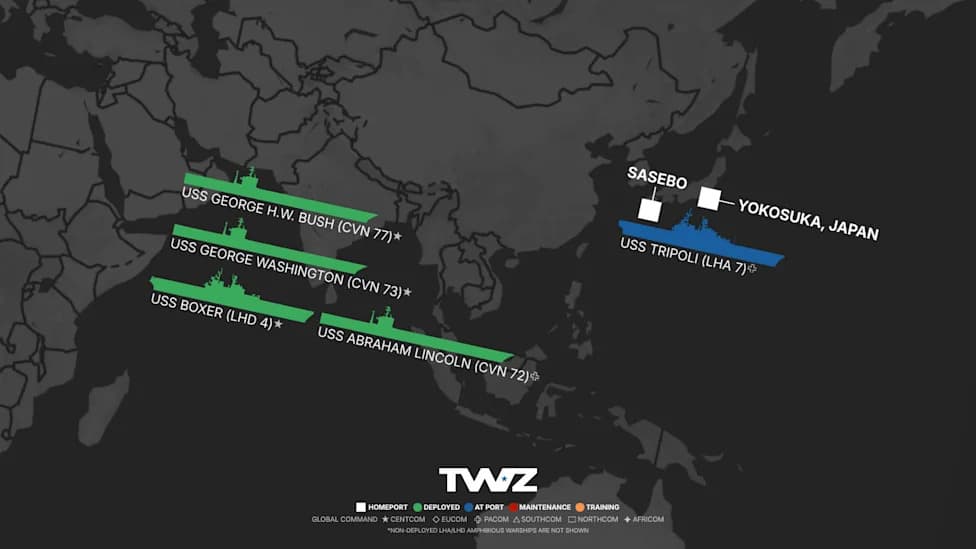
U.S. aircraft carriers combine massive size with compartmentalized construction, redundancy, and protected storage to limit catastrophic damage. They operate at the center of Carrier Strike Groups that provide layered defenses—Aegis escorts, submarines, aircraft, and point-defense systems—all backed by rigorous damage-control training. Mobility from nuclear propulsion and a historical record (no U.S. carrier sunk in combat since WWII) underscore why sinking one would require overwhelming force and near-perfect coordination.
Why U.S. Aircraft Carriers Are So Hard to Sink — Inside Their Design, Defenses, and Doctrine
Wuttipong Charoensub/Getty Images
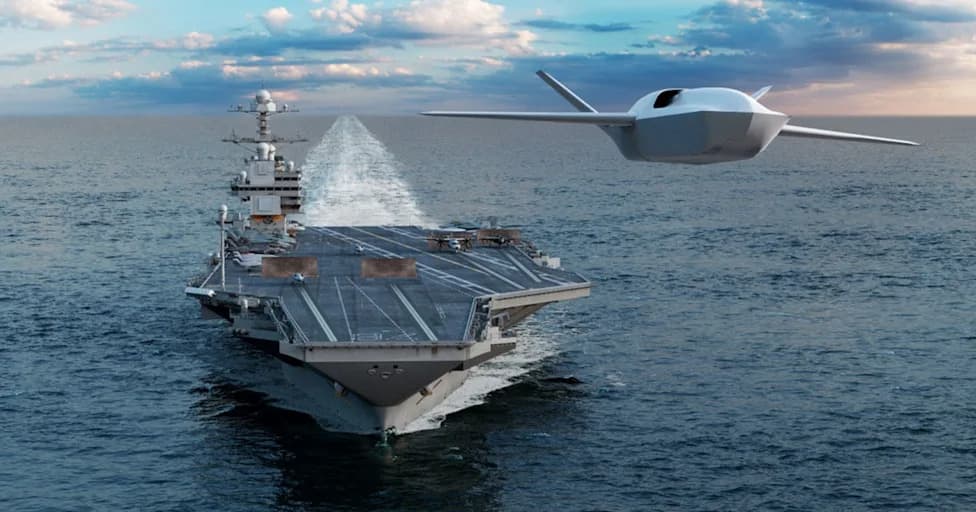
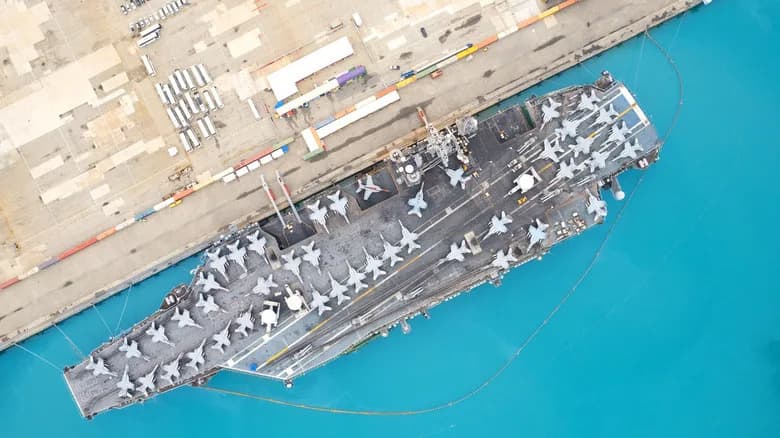
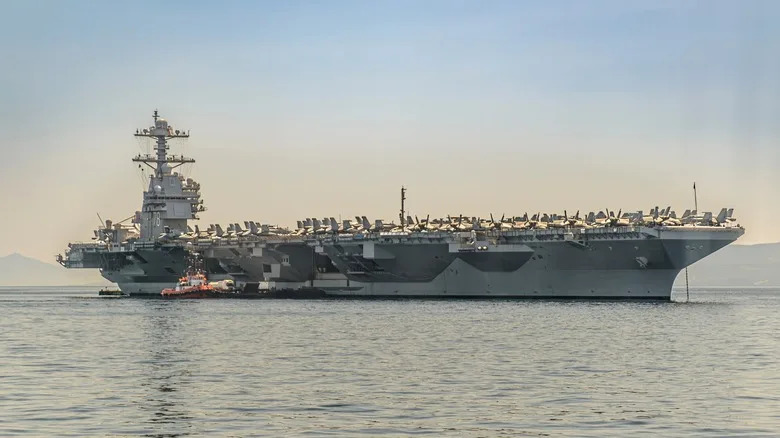
U.S. aircraft carriers are among the largest and most resilient warships ever built. A Nimitz-class carrier displaces more than 100,000 tons and stretches beyond 1,000 feet; the newer Ford-class ships are similar in size but incorporate advanced technologies that improve survivability and operational efficiency. Size helps, but survivability depends on layered design, redundancy, and doctrine.
Compartmentalized Design and Redundancy
Modern carriers are built with multiple watertight compartments, reinforced bulkheads, and localized armor to limit flooding and structural loss of integrity. If a torpedo or missile breaches the hull, crews can isolate damaged spaces, pumping out water and rerouting systems to preserve buoyancy. Critical systems — electrical power, propulsion controls, and firefighting systems — are duplicated or distributed so a single hit is unlikely to produce catastrophic failure. Munitions and aviation fuel are stored and protected to minimize the risk of chain explosions.
Cacio Murilo/Shutterstock
Proven Resilience
A dramatic demonstration occurred in 2005 when the decommissioned USS America withstood nearly four weeks of explosive tests before demolition teams finally scuttled the hulk. That exercise highlighted how hard it is to sink a modern carrier outright: damage may degrade capability, but sinking requires sustained, well-coordinated hits in the right places.
Layered Defensive Ecosystem
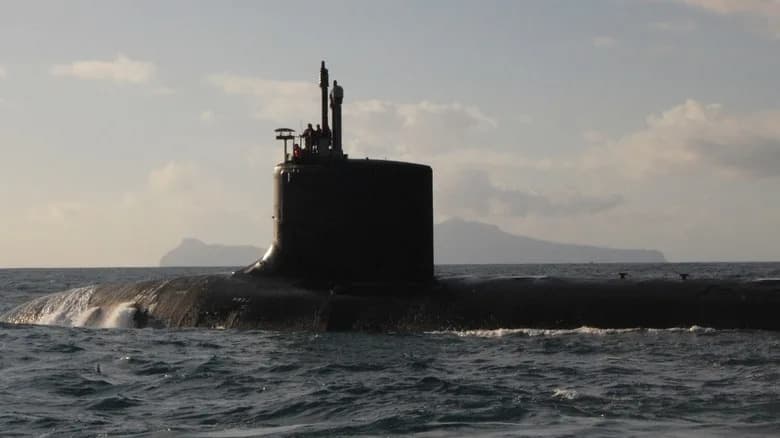
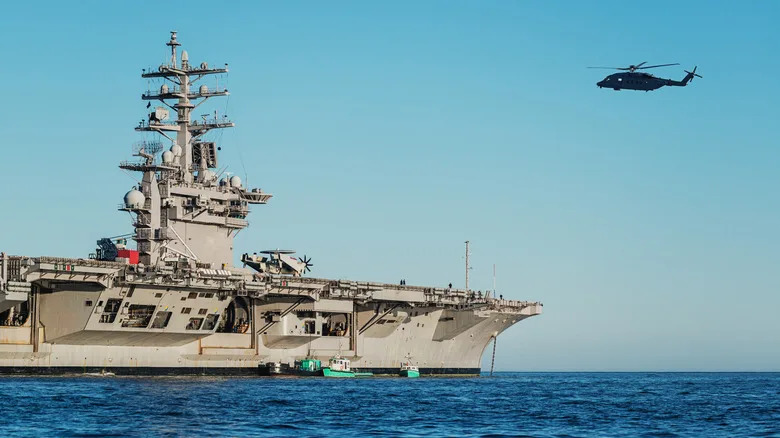
Carriers almost never operate alone. Each typically leads a Carrier Strike Group composed of guided-missile cruisers and destroyers, submarines, and support vessels. Surface escorts running the Aegis Combat System provide long-range detection and interceptor missiles (SM-2, SM-6); escorts and the carrier itself field the Evolved Sea Sparrow Missile (ESSM) and point defenses such as the Phalanx CIWS and SeaRAM. Submarines and escort ships protect against undersea threats, while carrier-based aircraft extend the search-and-destroy perimeter.
Shaunl/Getty Images
Air And Electronic Defense
Carrier air wings fly combat air patrols and strike missions and include fighters like the F/A-18 Super Hornet and F-35C; EA-18G Growlers provide electronic attack and jamming to degrade enemy targeting. Together, airborne sensors and escorts form overlapping defensive layers that make it difficult for a single salvo to reach the carrier.
Mobility, Training, And History
Nuclear propulsion gives modern U.S. carriers effectively unlimited range and sustained speed, which complicates targeting and engagement by enemy assets. The Navy places strong emphasis on damage-control training; crews practice firefighting, hull repair, and compartment isolation so they can react quickly to battle damage or peacetime accidents (for example, lessons learned after incidents such as the 2017 USS Fitzgerald collision).
Historically, no U.S. carrier has been sunk in combat since World War II. Adversaries have developed advanced anti-ship missiles — sometimes labeled "carrier killers," such as China’s DF-21D — but scoring the precise, sustained hits necessary to sink a modern carrier remains extremely difficult against a mobile, defended formation.
What It Would Take To Sink One
Sinking a modern U.S. carrier would likely require overwhelming, multi-axis assaults with high salvo rates, near-perfect intelligence, and significant luck. In practice, the combination of robust construction, redundancy, layered defenses, carrier mobility, and skilled crews makes carriers among the hardest warships in the world to destroy — exactly the resilience required for platforms that project national power across the globe.
Note: This overview emphasizes widely reported design features and doctrine. Specific capabilities and classified damage-control procedures are not detailed here.
Help us improve.