Three years of near-continuous combat operations and a recent string of extended deployments are forcing U.S. Navy ships to miss scheduled maintenance windows, accelerating wear and reducing capability. Shipyards and repair workers face unpredictable workloads, part shortages and potential contract gaps as planned dockings are deferred. Industry leaders warn that the budget and acquisition system must adapt to sustain readiness, limit safety risks and preserve the skilled workforce that keeps the fleet operational.
U.S. Navy Stretched Thin: Prolonged Deployments Erode Readiness and Strain Shipyards
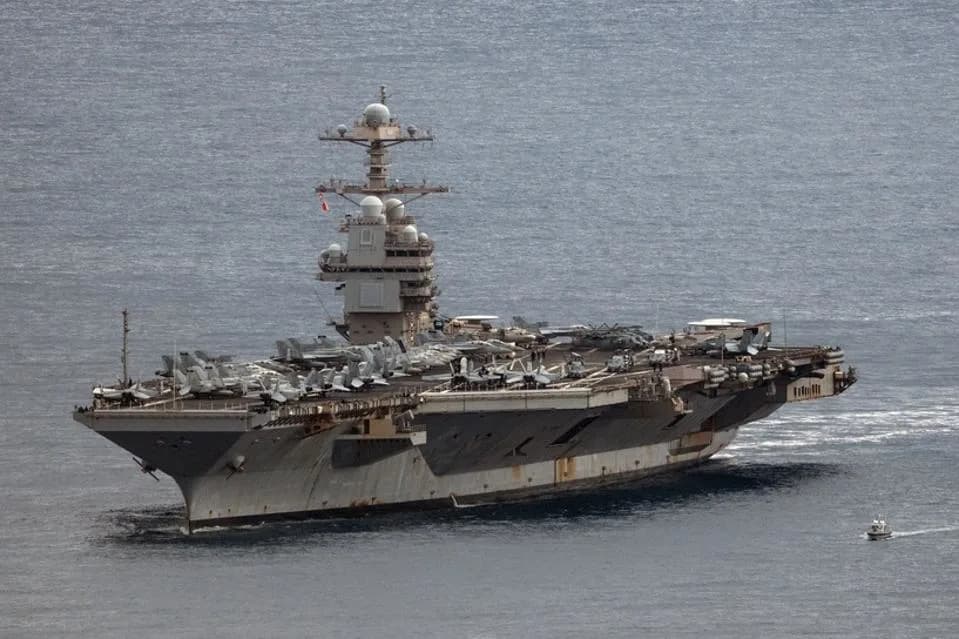
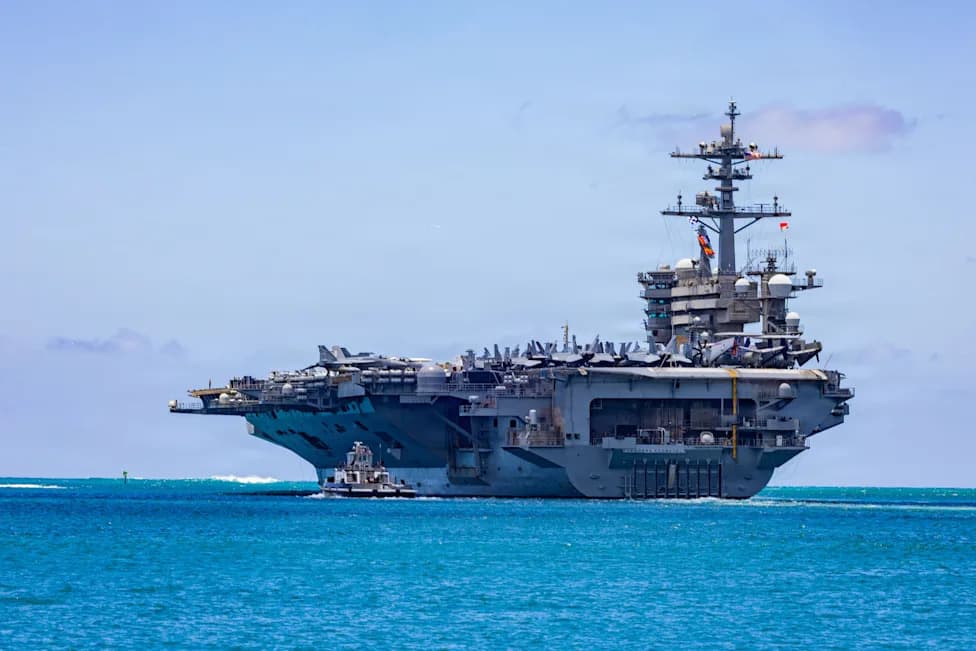
The United Stated Navy aircraft carrier USS Gerald R. Ford arrives in Souda Bay, Greece on March 23, 2026 for repairs following a fire that reportedly broke out in a laundry room on the aircraft carrier, injuring sailors and causing significant damage. The vessel has also had issues with its toilet system. Since departing Norfolk, Virginia on June 24 last year, the Ford has been deployed to the Mediterranean, Caribbean, and most recently the Red Sea as part of U.S. operations against Iran. (Photo by Carl Court/Getty Images)Getty Images
Three years of near-continuous combat operations, combined with a recent wave of extended deployments, are placing severe stress on the U.S. Navy fleet and the shore-side ship repair industry that supports it, industry experts say.
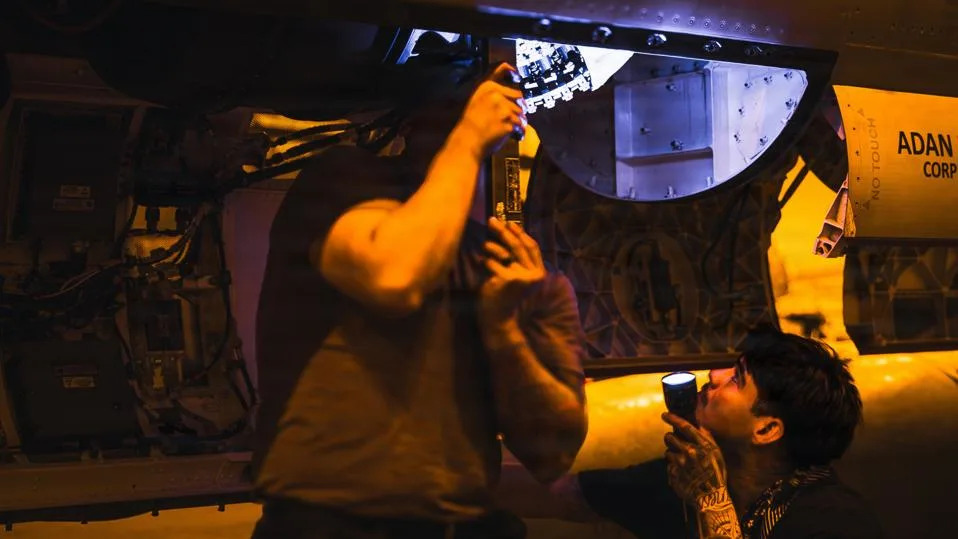
U.S. sailors do maintenance work on an F/A-18 fighter plane in the hangar bay of Nimitz-class aircraft carrier USS George Washington in August 2026 while supporting operations in the Middle East. (U.S. Navy photo)
Operational Tempo Outpaces Maintenance Cycles
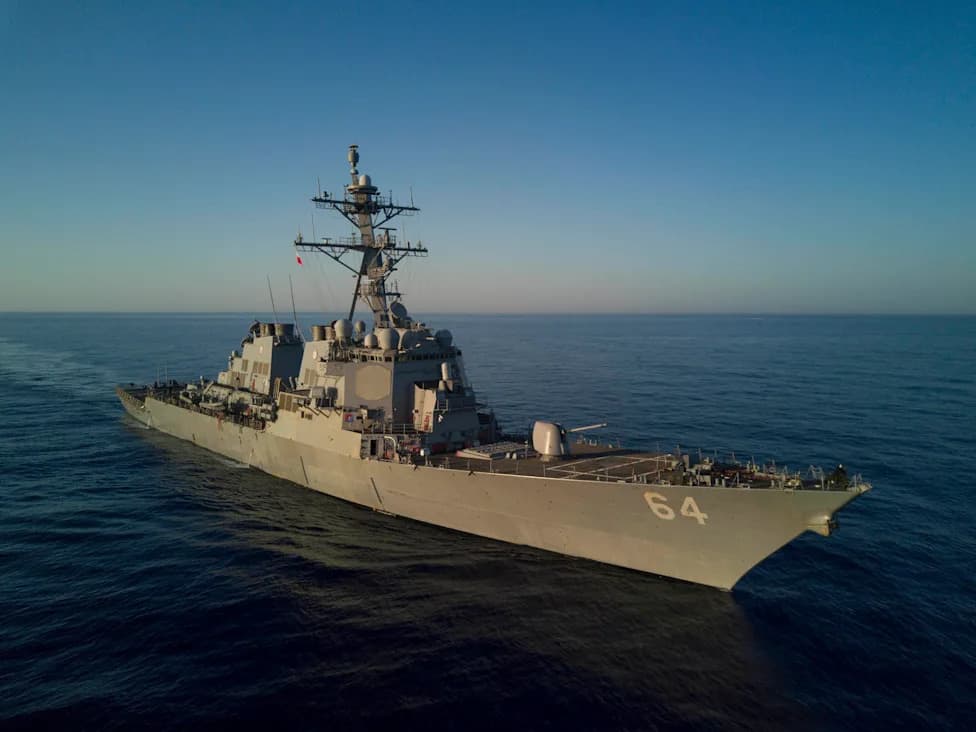
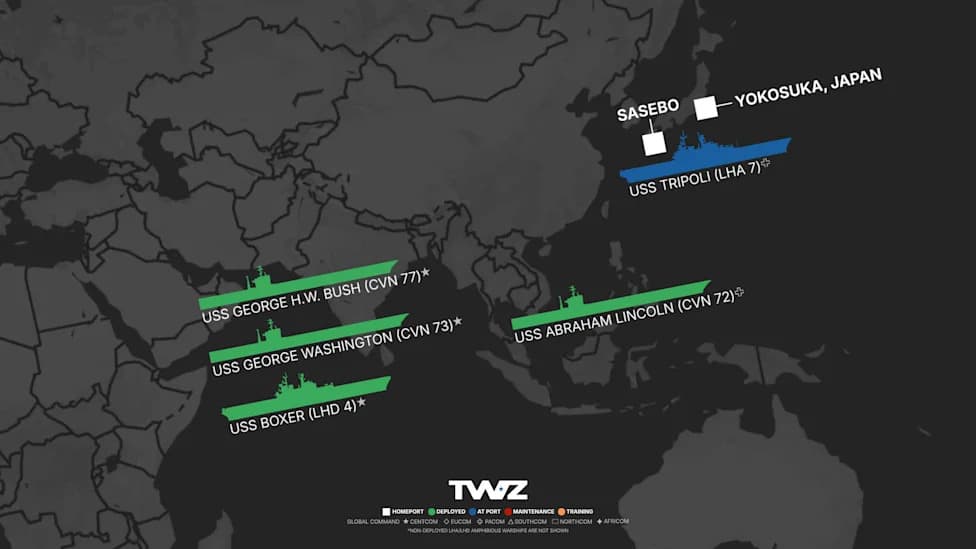
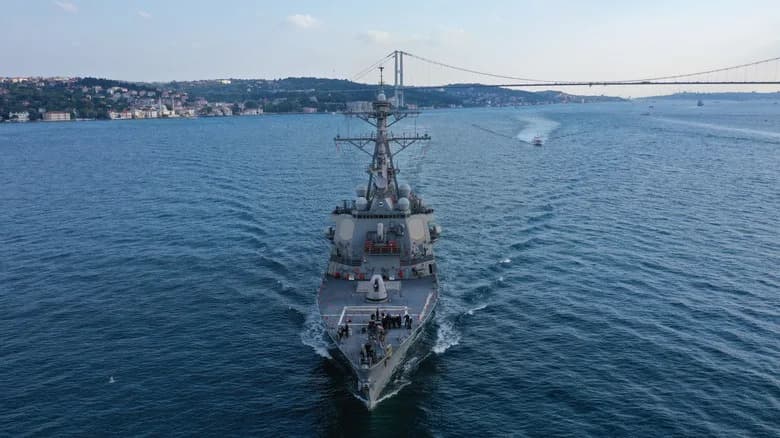
The Navy has been short of hulls for years and faces persistent shipbuilding delays. To meet persistent demands, many vessels are remaining at sea longer than planned, forcing scheduled maintenance windows to be delayed or cancelled. According to a recent report from the U.S. Naval Institute, the service is sustaining more than a dozen guided-missile destroyers and multiple aircraft carriers to support operations in the Middle East; two Arleigh Burke class destroyers, the USS Spruance and USS McFaul, have been deployed for roughly 10 months.
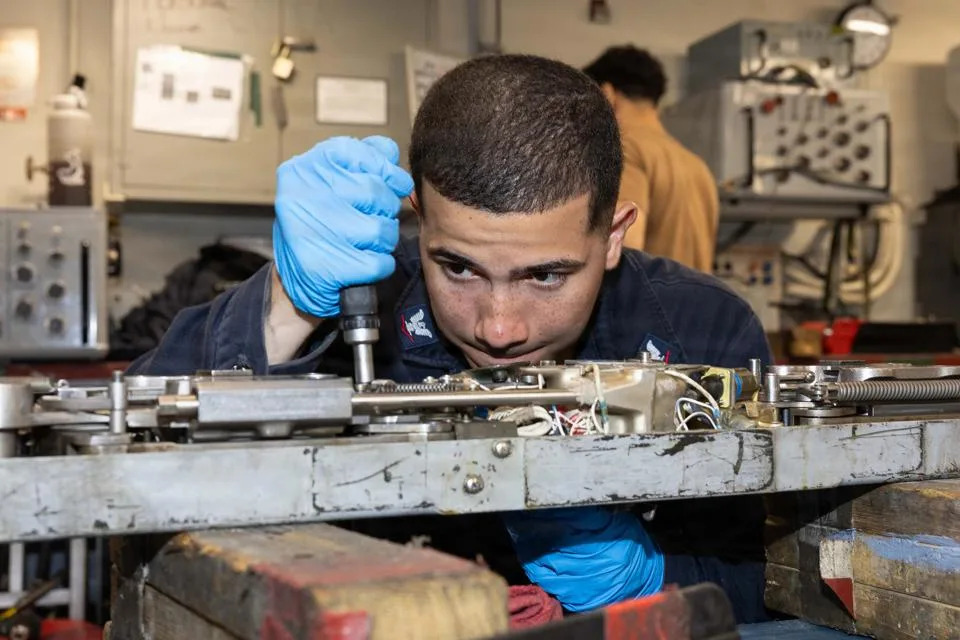
A U.S. sailor performs maintenance on a bomb ejector rack aboard Nimitz-class aircraft carrier USS George H.W. Bush on September 23, 2026 while deployed to the U.S. 5th Fleet area to support operations in the Middle East. (U.S. Navy photo)
Consequences for Ships and Shore-Based Workers
Extended deployments mean crews must perform more repairs at sea, while some work simply cannot be completed away from shipyards. The littoral combat ship USS Santa Barbara, commissioned in 2023, was sent to Singapore after crew and maintainers concluded all four engines were operating beyond recommended thresholds and faced an increased risk of critical failure, according to reporting. The nuclear-powered aircraft carrier USS Gerald R. Ford experienced a laundry-room fire and plumbing failures during a 326-day deployment that ended in May.
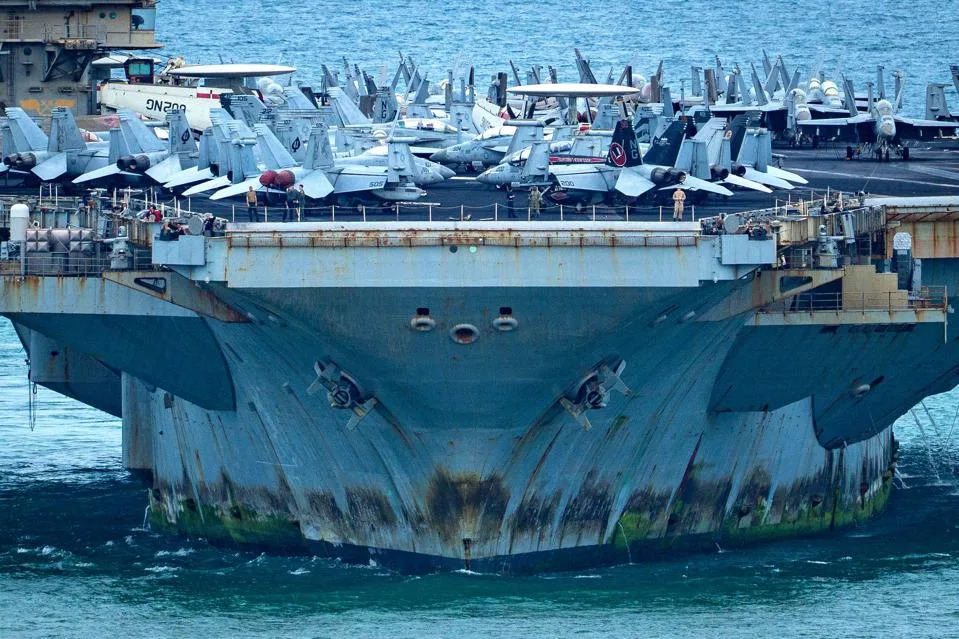
The U.S. Navy aircraft carrier USS Abraham Lincoln, with marine organisms visible growing on it, is shown stationed in Thailand for rest and maintenance in September 2026 after over nine consecutive months of combat deployment without a port call, carrying over 5,000 personnel. (Photo by © TNP/Arnun Chonmahatrakool/Thai News Pix/LightRocket via Getty Images)
Retired Rear Adm. John Polowczyk, president of the Virginia Ship Repair Association, says delayed availabilities leave yards with unpredictable workloads. 'We're frozen,' he said. 'My members are extremely worried that funding issues and the continued pace of operations will impact the Navy's ability to award the next round of coming awards sometime in Fiscal Year 2027.'
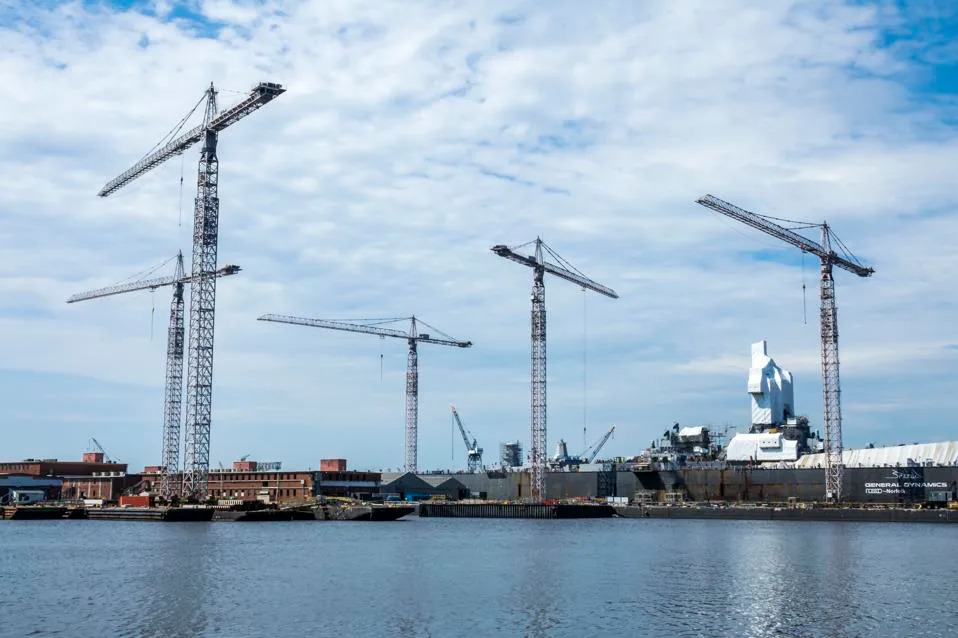
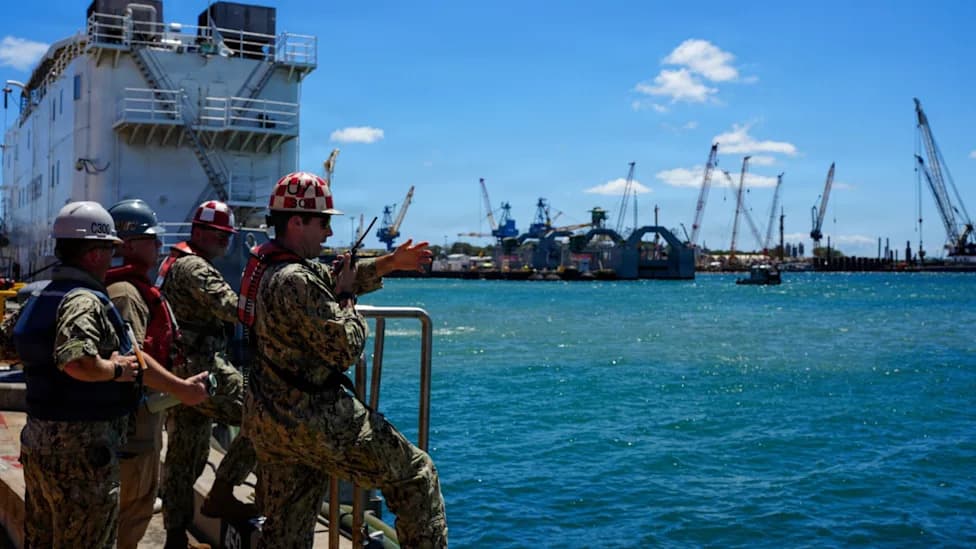
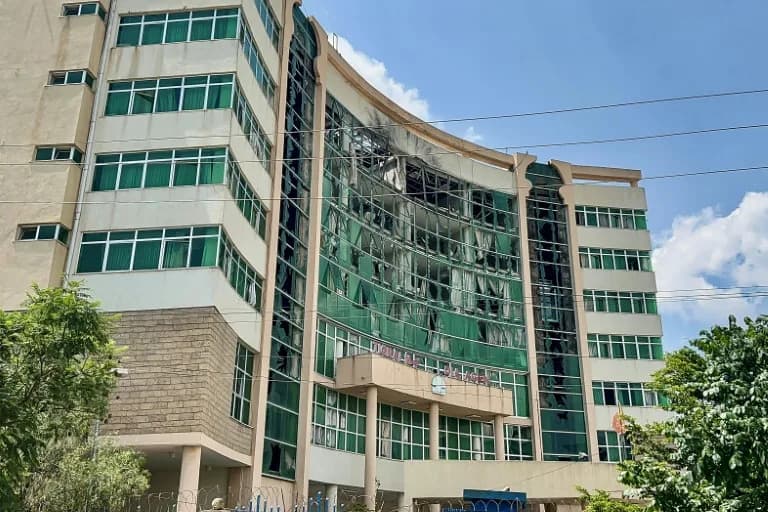
Fluctuations in demand for ship repair work caused by continuously deferred maintenance are creating worries for U.S. ship repair workers. (Photo by: Jeffrey Greenberg/Universal Images Group via Getty Images)
We go through boom-bust cycles of maintenance with extra-long deployments, and this round is unusually prolonged and widespread, said Dr. Steven Wills of the Center for Maritime Strategy.
Material Degradation and Safety Risks
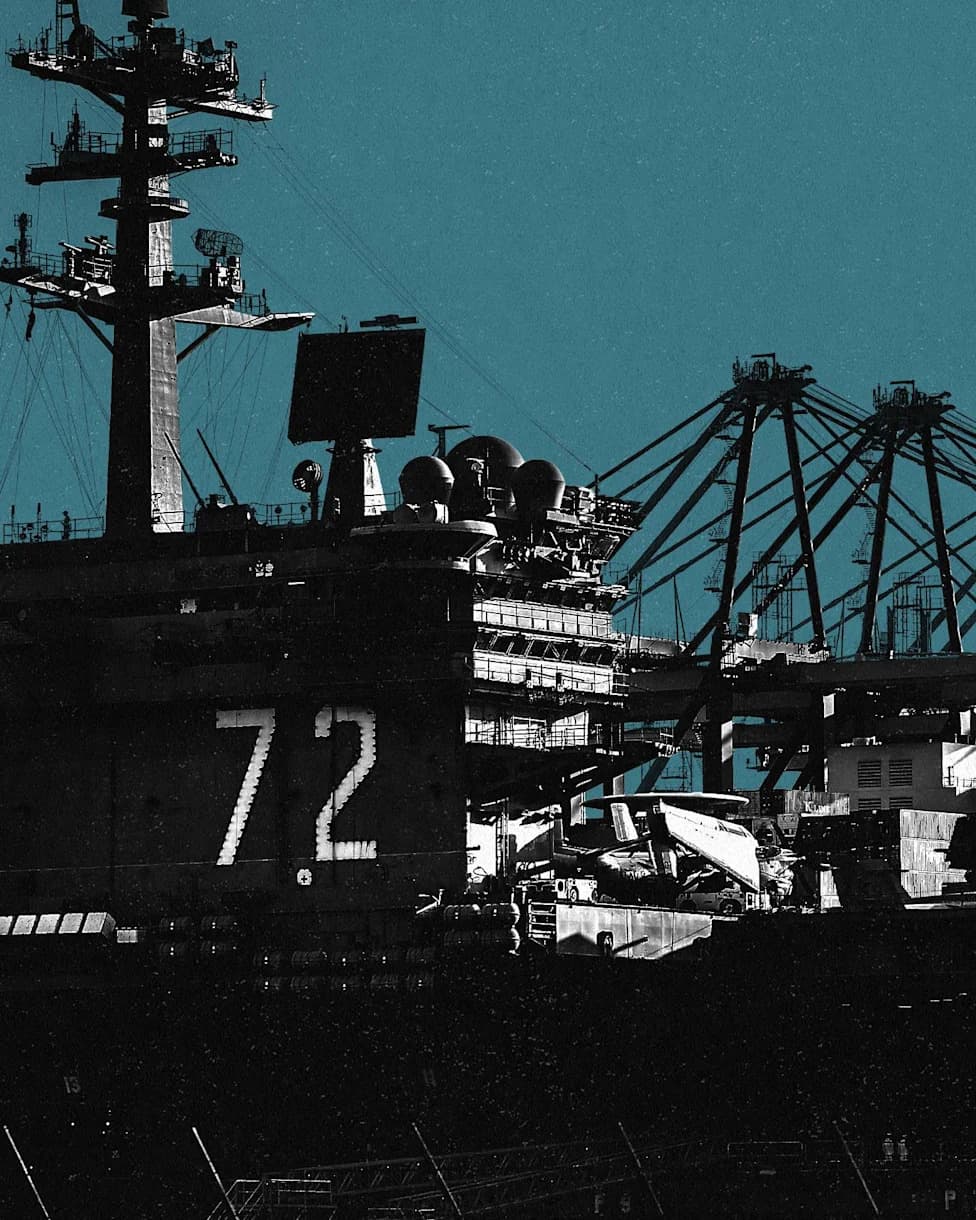
Ships are complex platforms. Routine wear affects everything from air conditioning and galley equipment to critical systems such as catapults, elevators, and propulsion components. Biofouling on hulls increases drag and fuel consumption, and incremental damage can cascade into larger failures if not corrected in a timely maintenance cycle. 'You really have degradation in capability,' Wills said. 'When you really start pressing these ships, some of the subsystems really take more effort to keep online.' He warned that long deferrals can lead to more frequent waivers that carry safety implications.
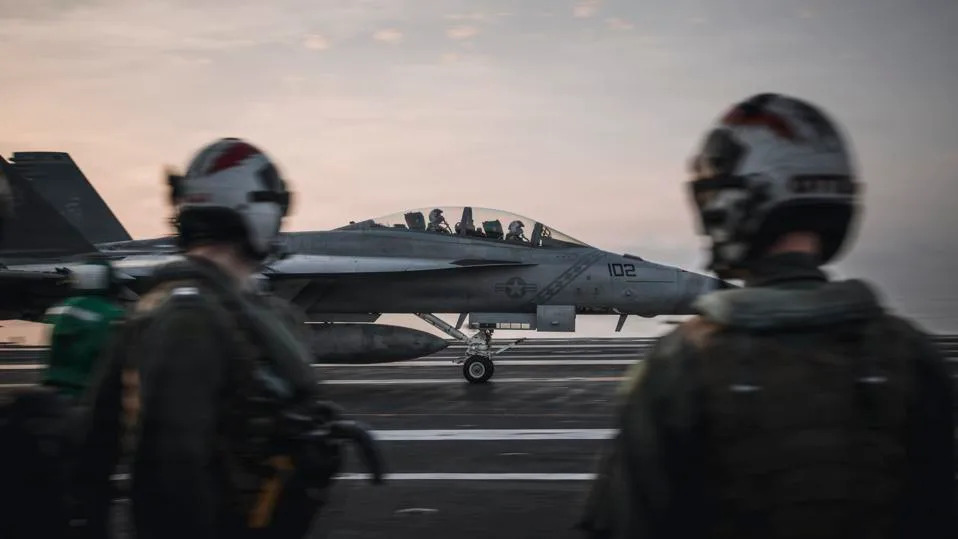
An F/A-18 Super Hornet lands aboard the Nimitz-class aircraft carrier USS George Washington in September 2026. George Washington is deployed to to support operations in the Middle East. (U.S. Navy photo)
Industry Strain and Cannibalization of Parts
Ship repair yards face uneven demand as dockings shift unpredictably. Polowczyk described instances of spare parts being cannibalized from ships in port to support those at sea, a sign of supply strain. With budgets and acquisition timelines not fully aligned to the operational tempo, workers and contractors face hiring freezes, delayed contracts, and revenue gaps.
'This bill is already coming due. These ships are just being consumed,' Polowczyk said. He called for a more stable, predictable backlog of work so yards can keep skilled workers employed and train new hires for the long term.
Why It Matters
Seapower remains a central instrument of national policy, and aircraft carriers are highly visible symbols of that capability. But sustaining those capabilities requires a healthy industrial base ashore, predictable funding, and carefully planned maintenance cycles. The current pattern of extended deployments is stressing those relationships, with implications for readiness, safety, and the livelihoods of shipyard workers.
Sources: Interviews and reporting from naval industry experts, the U.S. Naval Institute, and public reporting on recent ship repairs and deployments.
Help us improve.