A 3.5-metre shark nicknamed "Buk Hang" remains trapped in a Busan canal after two failed rescue attempts using water jets and a 50-metre net. Rescuers halted the latest operation when the net risked snagging on rocks and left it in place to limit the shark's range. Officials hope shifting tides and currents will let the animal escape on its own while they monitor the situation. Experts warn lights, noise and electrical signals may be disorienting the shark, and warming seas could be increasing shark sightings around Korea.
Second Rescue Fails to Free 3.5m Shark Stranded in Busan Canal
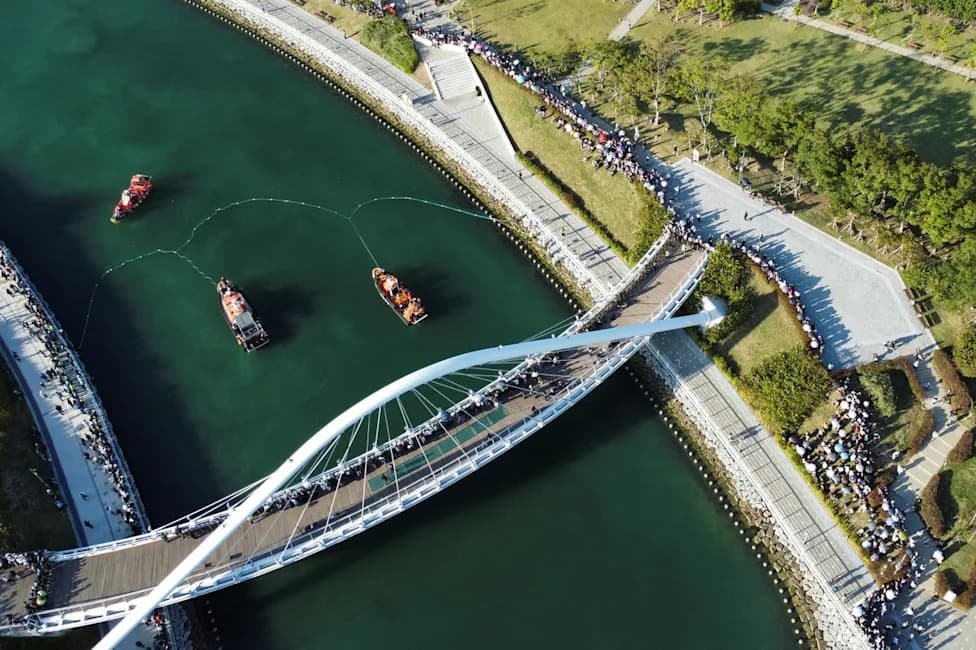
Shark trapped in South Korea’s Busan canal remains stranded after second rescue attempt fails
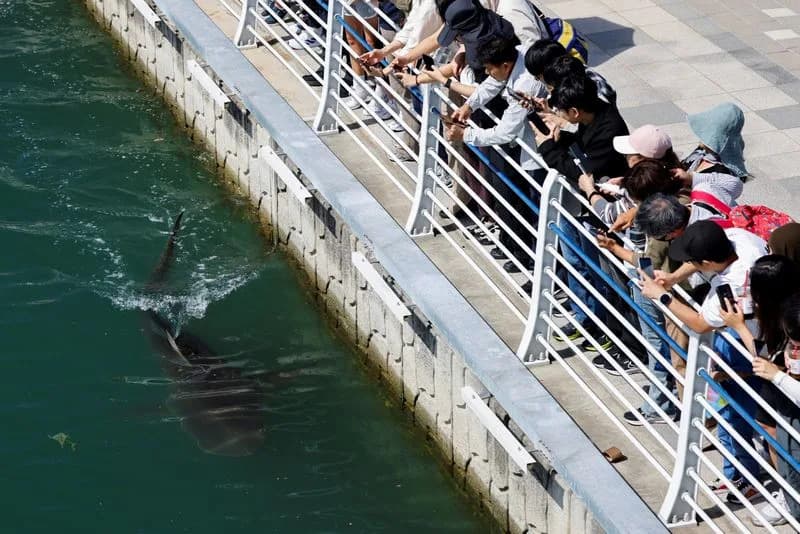
A 3.5-metre shark nicknamed "Buk Hang" remains stranded in a canal at Busan's North Port after a second rescue attempt failed to return the animal to open sea.
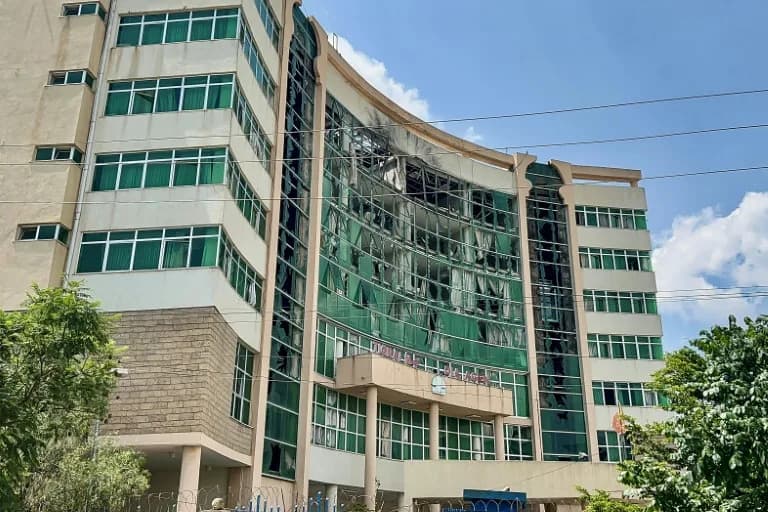
First sighted in the canal on 18 September, the shark is believed by experts to be a bronze whaler, a species more commonly found in warmer coastal waters around South Korea. Its prolonged presence has attracted public attention because the waterway sits close to high-rise buildings and a major high-speed rail station.
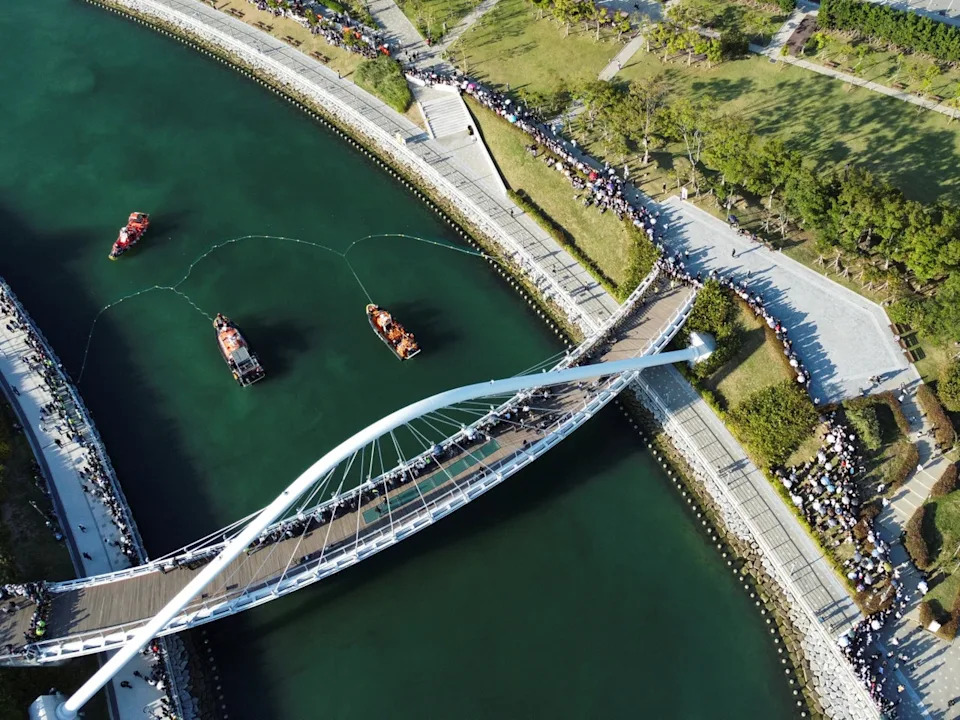
South Korean authorities attempt to guide stranded shark out of canal, in Busan (Reuters)
Two Rescue Methods Tried
Rescuers initially deployed vessels equipped with water jets to push the shark toward the canal exit, but the animal repeatedly swam away from the jet streams. In the most recent operation, teams used a giant 50-metre net to try to coax the shark toward the sea. After roughly two hours of attempting to herd the animal, the operation was called off because of the risk that the net could snag on rocks and cause further harm.
The centre of the net was towed by a vessel while crews on both sides hauled the edges, coordinating speed to steer the shark toward open water. Officials had planned to add water-jet pressure from behind the net but abandoned that step to avoid stressing the animal.
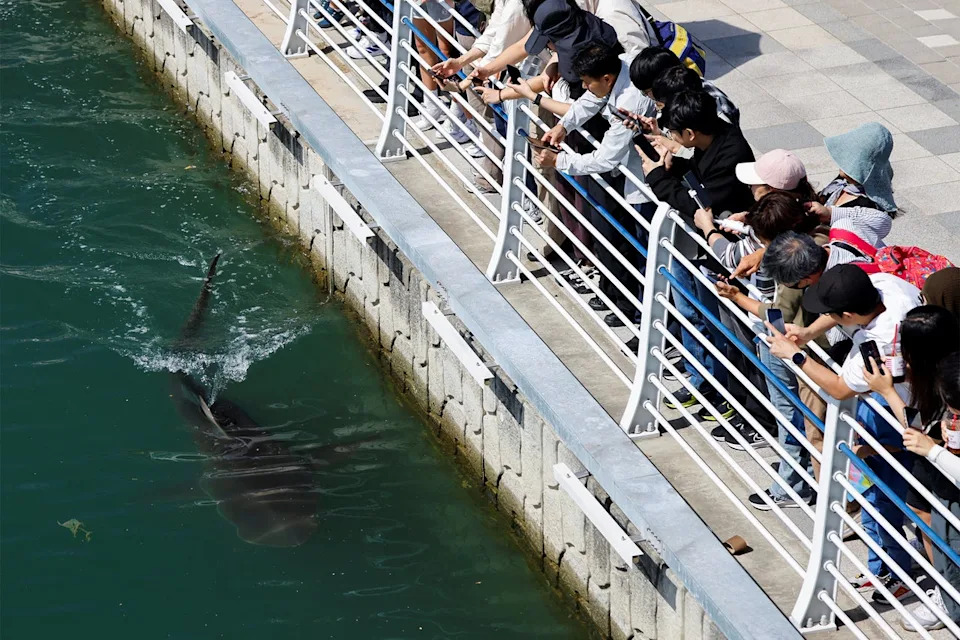
South Korean authorities attempt to guide stranded shark out of canal, in Busan (Reuters)
Current Strategy And Risks
Rescuers have left the net in place to limit how far upstream the shark can travel and are monitoring conditions in the hope that changing tides and currents will allow the shark to swim out on its own. "As the water level changes and the current shifts, we expect the shark may eventually be able to make its own way out," said Kim Hyun-woo, a senior researcher at the National Institute of Fisheries Science who led the operation. "Once we confirm that it has completely left the canal and made its way out into the open sea, we can consider the operation a success."
"For the shark, there are just too many external physical stimuli coming from different directions," Mr Hyun-woo added, noting that artificial lights, noise and electrical signals around the canal may be disorienting the animal.
Broader Context
The episode has renewed discussion about the possible impact of warming seas on marine life. Nearly 50 large shark sightings were reported along South Korea's east coast in the first half of 2026 — up from 12 during the same period last year — a jump experts say could be linked to rising sea temperatures.
Authorities continue to monitor the canal and maintain the net barrier while hoping natural changes in currents and water level will enable the shark to return to open water without further intervention.
Help us improve.