Researchers from National Geographic Pristine Seas recorded an endangered leopard (zebra) shark off Apolima Island, Samoa — the first confirmed sighting in Samoan waters. The shark appeared on the team's initial BRUV (baited remote underwater video) deployment, a system typically left on the seafloor for about an hour. The encounter expands known habitat use for the species and underscores the value of unmanned camera systems for marine research and conservation.
Baited Underwater Camera Captures Endangered Leopard (Zebra) Shark — First Confirmed Record in Samoan Waters
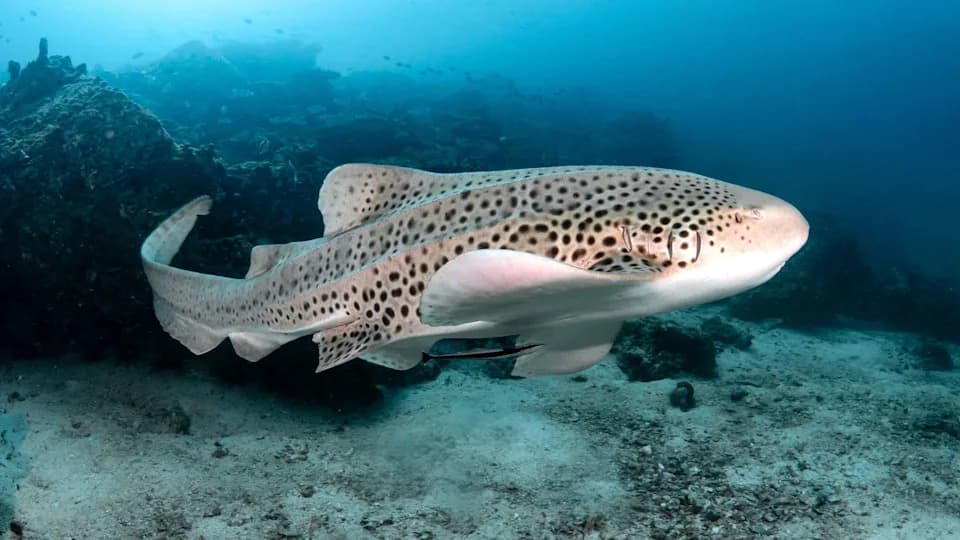
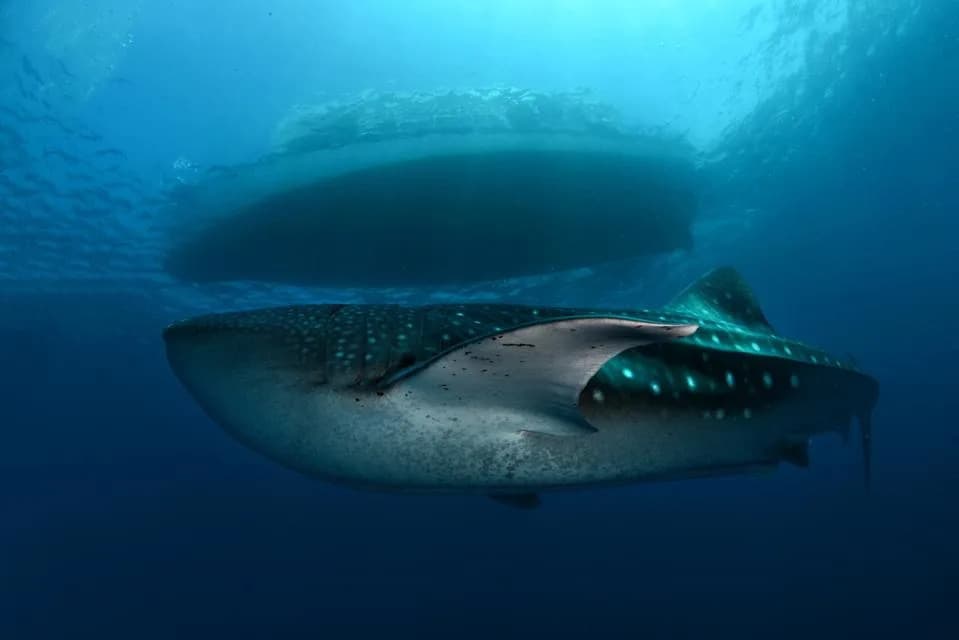
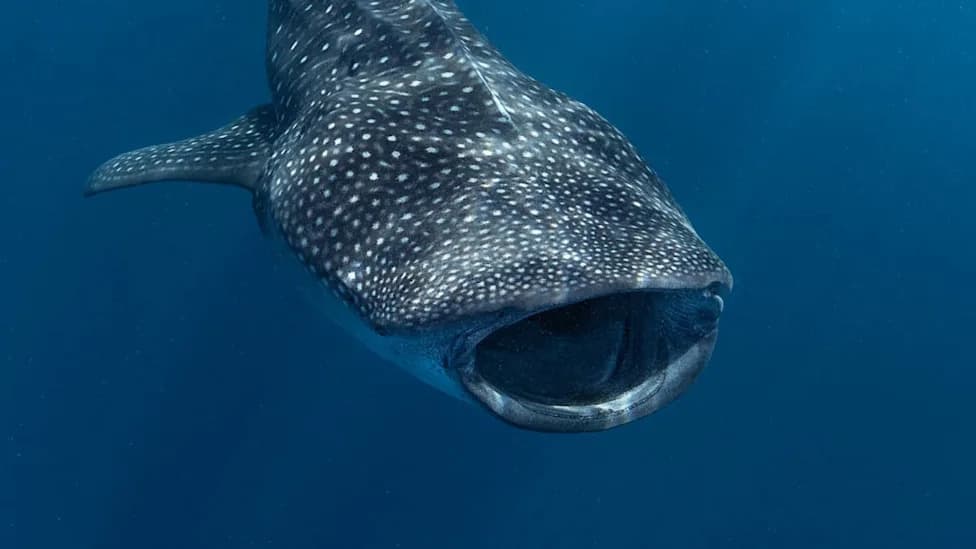
This zebra shark was photographed off the coast of Thailand, but researchers have now captured footage of the endangered species near Samoa. | Credit: Zephyr18 / Getty Images
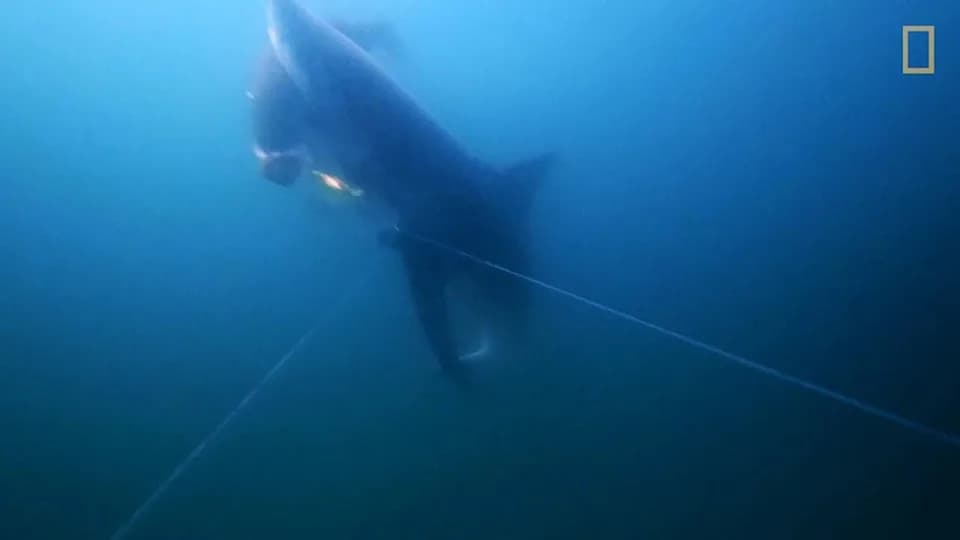
Researchers deploying baited underwater cameras off Apolima Island, Samoa, captured a surprise visitor: an endangered leopard (zebra) shark (Stegostoma tigrinum). The sighting — recorded by National Geographic Pristine Seas — is the first verifiable evidence that the species occurs in Samoan waters.
Unexpected Discovery on the First Drop
The team was conducting camera-based surveys using BRUVs (baited remote underwater video systems). These unmanned, baited cameras are typically left on the seafloor for about an hour to film animals that might avoid divers or boats. Impressively, the leopard shark appeared on the research group's very first camera deployment in the region earlier this summer.
"A single camera deployment can reveal something entirely unexpected and add an important piece to our understanding of a species' distribution," said Jett Walker, scientist with National Geographic Pristine Seas.
What This Means for the Species
The leopard (zebra) shark is classified as endangered and is typically associated with sandy bottoms where it forages for gastropods and bivalve mollusks — snails, clams, and mussels. This new footage adds to growing evidence that these sharks also use coral reef habitats, broadening our understanding of their habitat use and distribution.
The Value of Camera-Based Monitoring
BRUVs and other camera-based methods are powerful tools for marine research and conservation. They can document elusive or skittish species with minimal disturbance, providing verifiable records that inform management and protection measures. For the Pristine Seas team, the unexpected sighting represents a promising start to ongoing surveys around the Samoan islands.
National Geographic's Pristine Seas program combines filmmaking and scientific research; its work has helped support the establishment of 31 protected marine reserves to date. The research team plans to continue deploying cameras to build a clearer picture of local biodiversity and guide future conservation actions.
Image credit: Zephyr18 / Getty Images (reference image of a zebra shark photographed off the coast of Thailand)
Help us improve.