Summary: The U.S. Space Force confirmed that USA 32, cataloged as NORAD 19460 and launched by the NRO in 1988, fragmented in low-Earth orbit on Sept. 13. The cause of the breakup is unknown and under investigation. A Swiss company posted footage it says shows many fragments, but that material remains unverified. Authorities reported no immediate threat, though experts warn rising debris levels in crowded orbits increase collision risk.
Mystery Breakup of Cold War–Era 'Spy' Satellite USA 32 Raises Space Junk Concerns
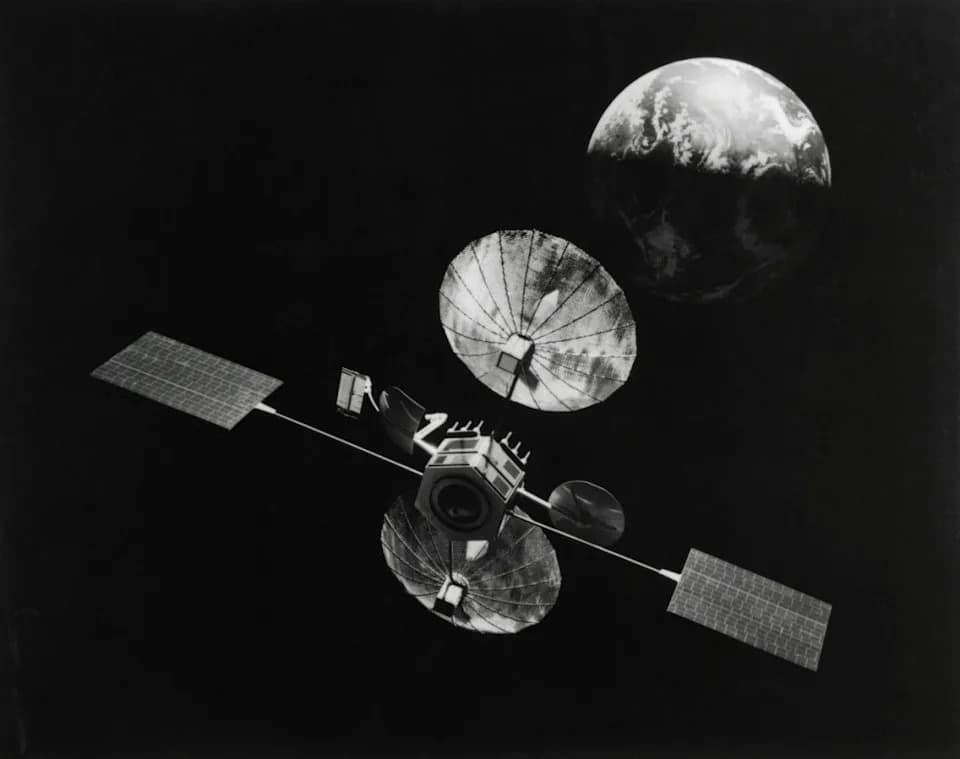
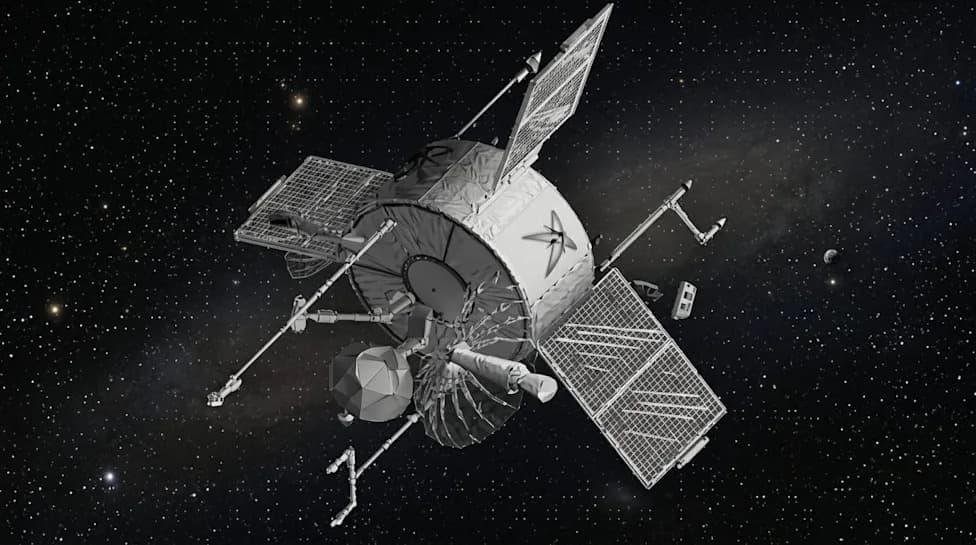
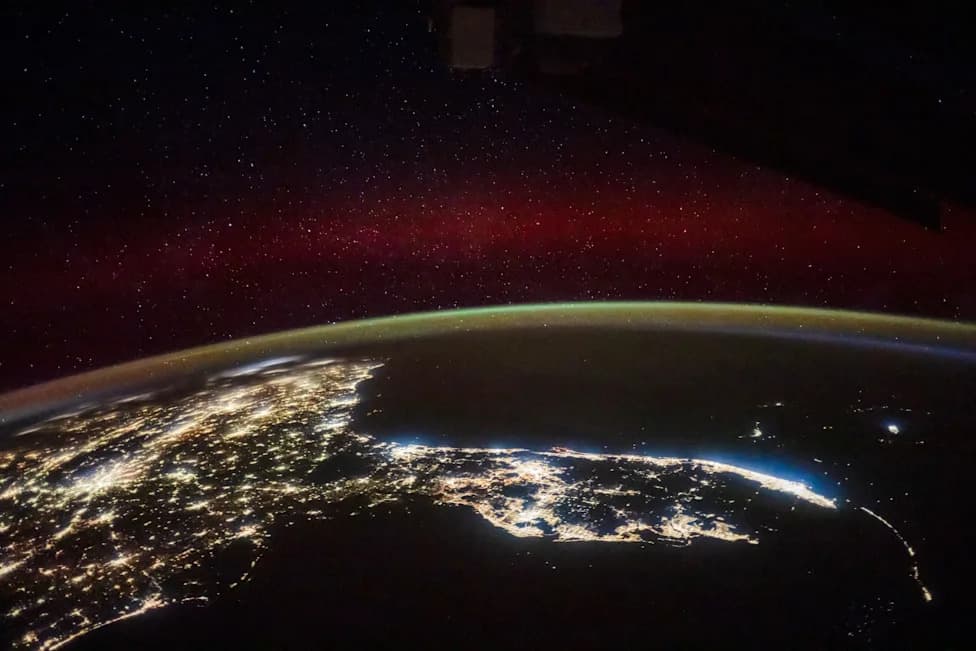
The Tracking and Data Relay Satellite looks down on NASA's fleet of earth-orbiting spacecraft and shuttles in this undated image. The U.S. military has confirmed one of its satellites, identified as USA 32, split into fragments in mid-September and investigators are still analyzing why the satellite broke up.
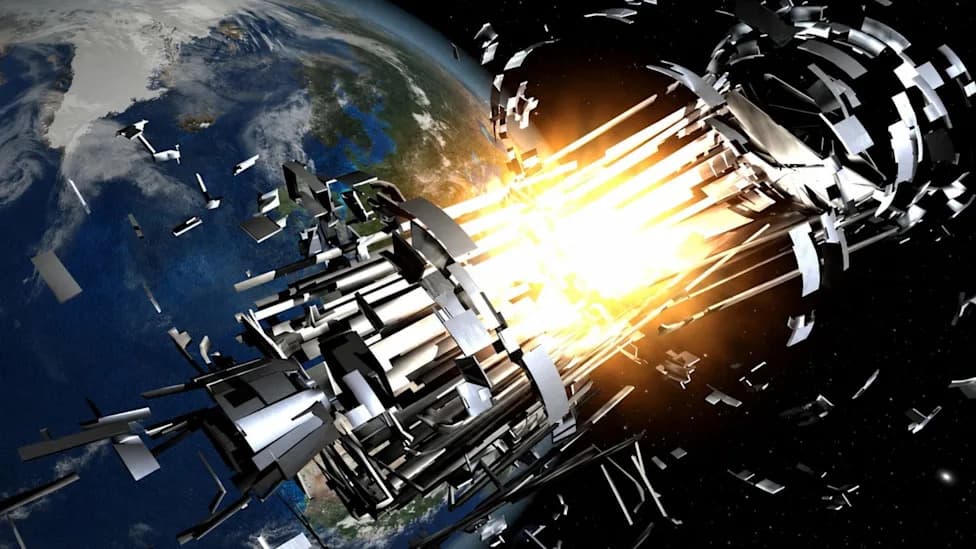
The U.S. Space Force has confirmed that the decades-old satellite known as USA 32 fragmented while orbiting Earth, adding another episode to growing concerns about orbital debris.
What happened
The U.S. Space Forces–Space (S4S) said USA 32 broke into multiple pieces in low-Earth orbit at about 9:13 p.m. UTC (4:13 p.m. EDT) on Sept. 13. A spokesperson told Newsweek that "the cause of the fragmentation is currently unknown as analysis is still ongoing."
Identification and context
Open-source tracking catalogs list the object as NORAD 19460. The vehicle, sometimes described in media reports as a Cold War–era reconnaissance or "spy" satellite, was launched in 1988 by the National Reconnaissance Office (NRO).
Footage and verification
Swiss space company s2a systems published a clip on X it said shows a large number of fragments from USA 32. Newsweek and U.S. military sources have not independently verified that footage.
Risk assessment
The U.S. military reported it had not identified any immediate threats to other spacecraft from this breakup. Still, debris from defunct satellites poses collision risks in low-Earth orbit (LEO), the region that includes the International Space Station and many commercial communications constellations.
Why it matters
Much of the hazardous debris is concentrated in LEO, generally defined as altitudes up to about 2,000 kilometers. NASA estimated more than 9,000 metric tons of space debris were orbiting Earth as of 2022. The European Space Agency has warned that some orbital regions are becoming increasingly crowded and that the proliferation of new satellite constellations, combined with insufficient deorbiting of older hardware, is elevating collision risks.
Ongoing work
Investigators are continuing analysis to determine the cause of the USA 32 breakup. Newsweek has contacted U.S. Space Forces–Space for further comment and will update coverage as new information becomes available.
Note: Satellite fragmentations are not uncommon, but each event adds to the population of high-speed debris that can endanger active spacecraft and complicate space operations.
Help us improve.