USA‑32 (FARRAH III), a classified U.S. signals‑intelligence satellite launched in 1988, fragmented in low‑Earth orbit on 13 Sept 2026 at about 21:13 UTC near 775 km altitude. Authorities and independent trackers reported debris spreading along the satellite's orbital track by 16 Sept 2026, and the U.S. Space Force has added trackable pieces to conjunction assessments. No cause has been confirmed; investigators are considering ruptured propellant tanks, battery failure, or an impact with existing debris. There is no public evidence of an anti‑satellite attack, but the event highlights the long‑term hazard posed by Cold War‑era spacecraft.
Cold War-Era Spy Satellite USA-32 (FARRAH III) Fragments in Orbit; Cause Unknown

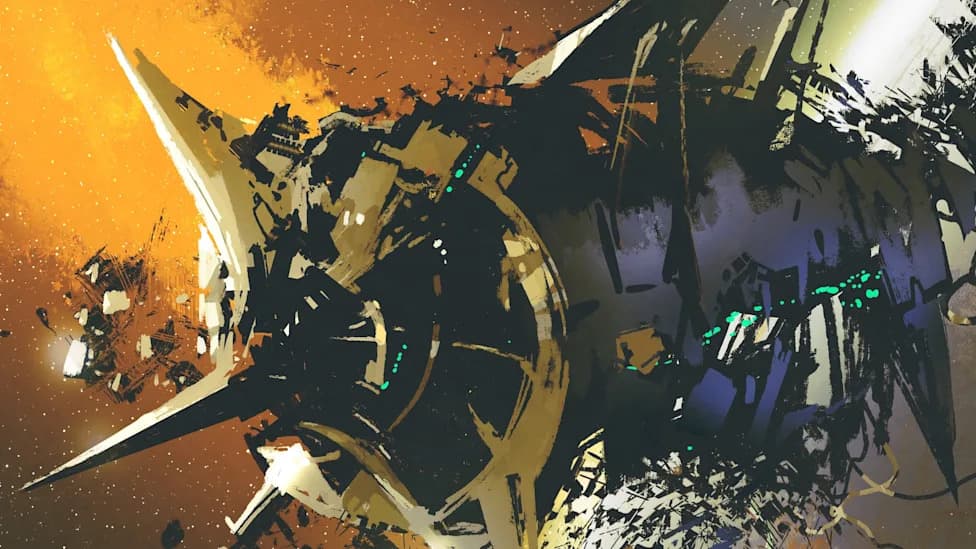
An illustration of a satellite breaking apart in Earth orbit. Credit: ESA
The U.S. Space Force–Space confirmed that a classified signals‑intelligence satellite launched during the Reagan administration fragmented in low‑Earth orbit on 13 September 2026 at about 21:13 UTC. The breakup occurred at an altitude of roughly 775 kilometers, and authorities are tracking the resulting debris to assess collision risks with active spacecraft.
What Broke Up
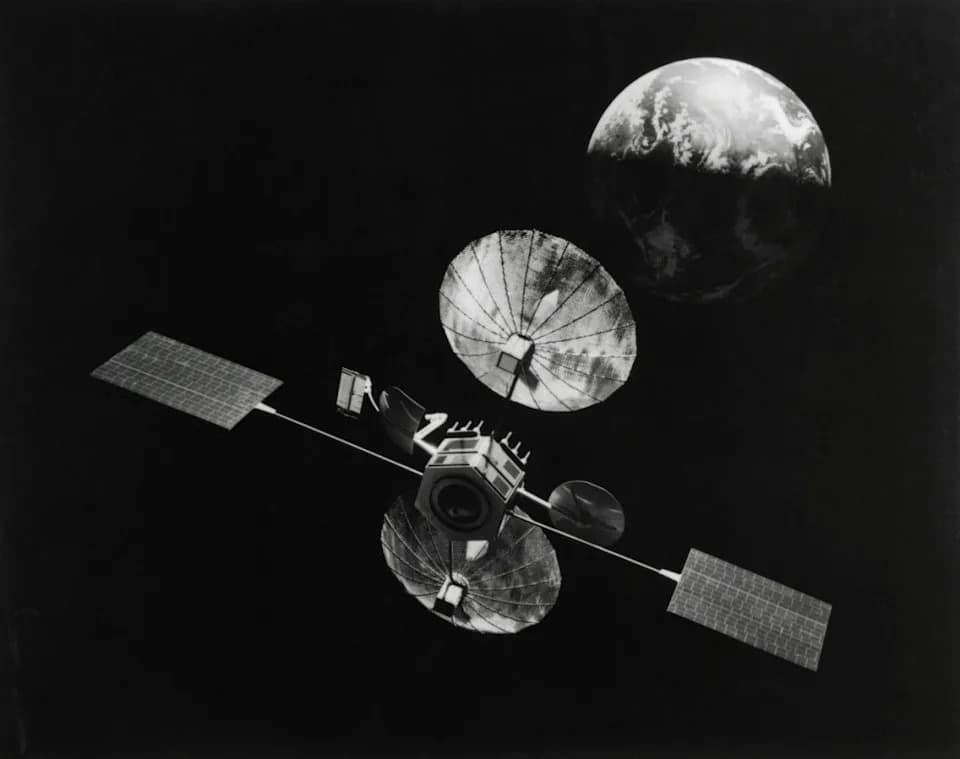
Publicly catalogued as USA‑32 and known within the National Reconnaissance Office as FARRAH III, the satellite was part of a Cold War signals‑intelligence program. Reporting that draws on declassified NRO material (Live Science, IFLScience) indicates the FARRAH program intercepted Soviet radar and other radio‑frequency emissions across roughly 2–18 GHz.
Launch and Design
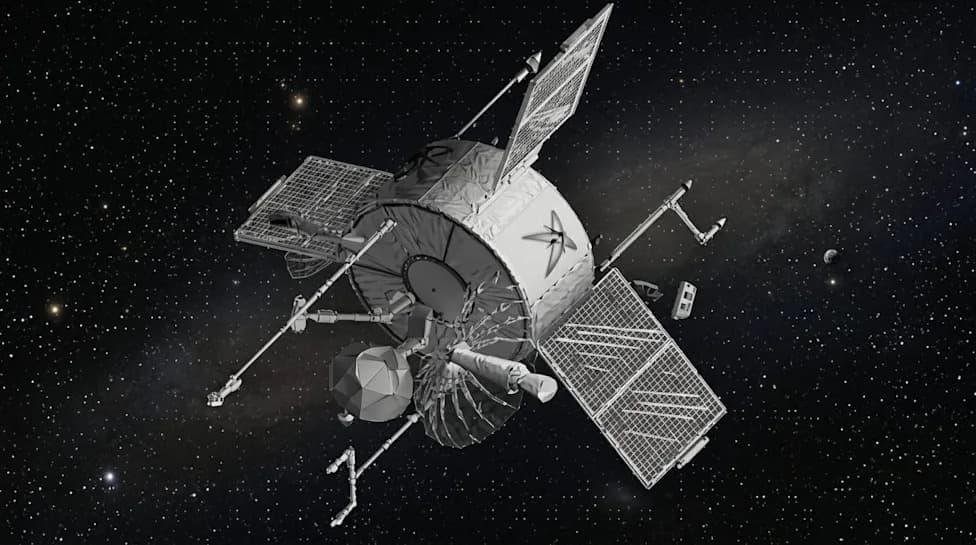
USA‑32 launched on a Titan II SLV rocket on 5 September 1988. Earlier FARRAH satellites were relatively small and box‑shaped; FARRAH III was substantially larger and described by observers as more cylindrical — likened to a "squat tuna can." Public observations show the vehicle remained in orbit for decades and was still being seen as recently as 2021.
Cause and Investigation
No definitive cause for the fragmentation has been announced. The Space Force said it has not ruled anything out and that investigators are evaluating the event, but public statements so far do not identify a mechanism.
Technical possibilities under consideration include:
- Rupture of residual propellant or a pressurized tank;
- Battery or other on‑board hardware failure; and
- An impact with preexisting debris.
These are hypotheses based on common end‑of‑life failure modes for aged spacecraft; none have been confirmed. There is currently no public evidence that USA‑32 was intentionally targeted or struck by an anti‑satellite weapon.
Debris Tracking And Risk
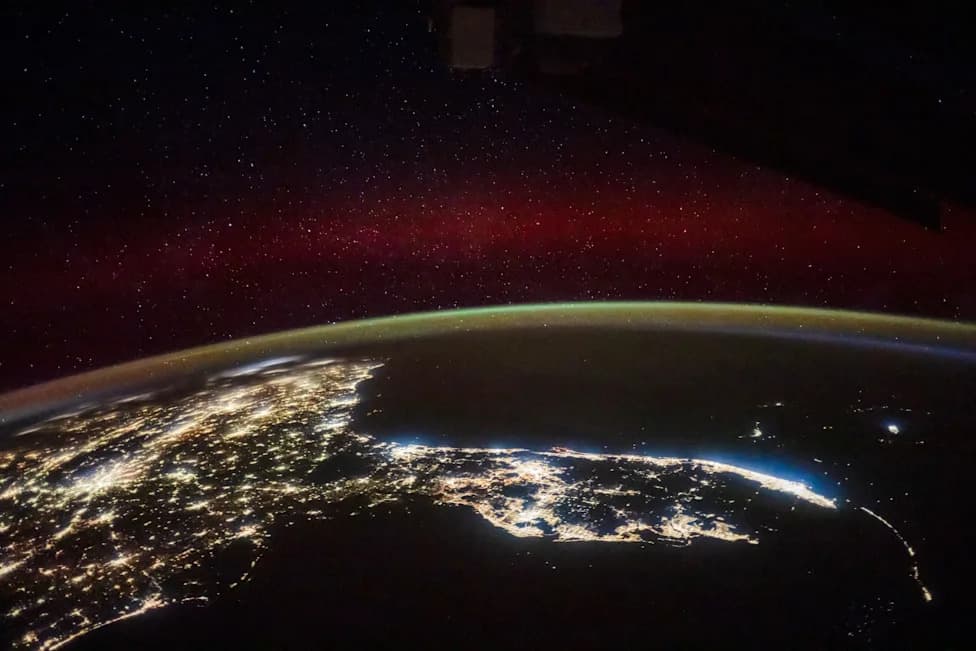
Independent satellite‑tracking groups reported that fragments had already spread across a wide section of USA‑32's orbital track by 16 September 2026. The Space Force has incorporated trackable debris into routine conjunction‑assessment screenings to evaluate potential close approaches with operational satellites.
Officials report no immediate threats to active spacecraft, but debris at ~775 km can remain in orbit for years and cross many satellite paths at high relative speeds, producing longer‑term conjunction risks. The full count of fragments remains uncertain; tracking data will continue to build and analysts will refine both numbers and orbital elements over time.
Wider Significance
The incident highlights a broader issue: satellites built to Cold War‑era standards — launched before modern debris‑mitigation rules — can still create hazardous debris in an increasingly congested orbital environment. Hardware that once monitored adversary radars has become an enduring hazard that the contemporary space community must watch and manage.
Bottom line: USA‑32 (FARRAH III) fragmented in orbit; investigators are assessing causes and tracking debris, and while there are no immediate reported threats, the event underscores persistent long‑term risks from legacy satellites.
Help us improve.