The retired U.S. spy satellite USA 32 ("Farrah III") unexpectedly broke apart on Sept. 13 at about 775 km altitude, sending debris into a crowded low Earth orbit corridor. Launched in 1988 by the NRO and declassified this year, the craft likely failed due to either an internal pressure rupture or a micrometeoroid impact; investigators see no sign of an intentional anti-satellite test. Tracking networks are now mapping fragments so active satellites, including Iridium NEXT and NOAA platforms, can perform avoidance maneuvers.
Retired US Spy Satellite USA 32 (“Farrah III”) Suddenly Explodes, Scattering Debris Across Busy Low Earth Orbit Corridor
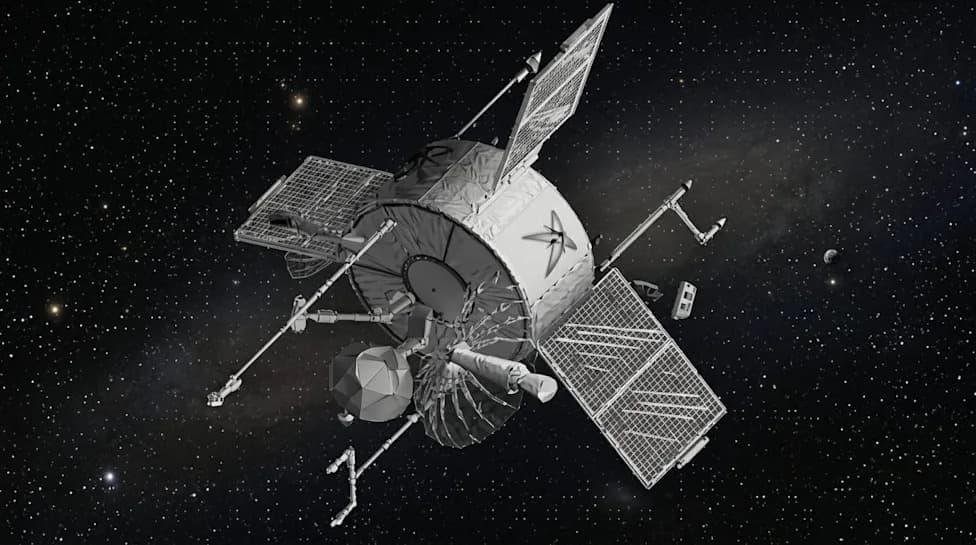
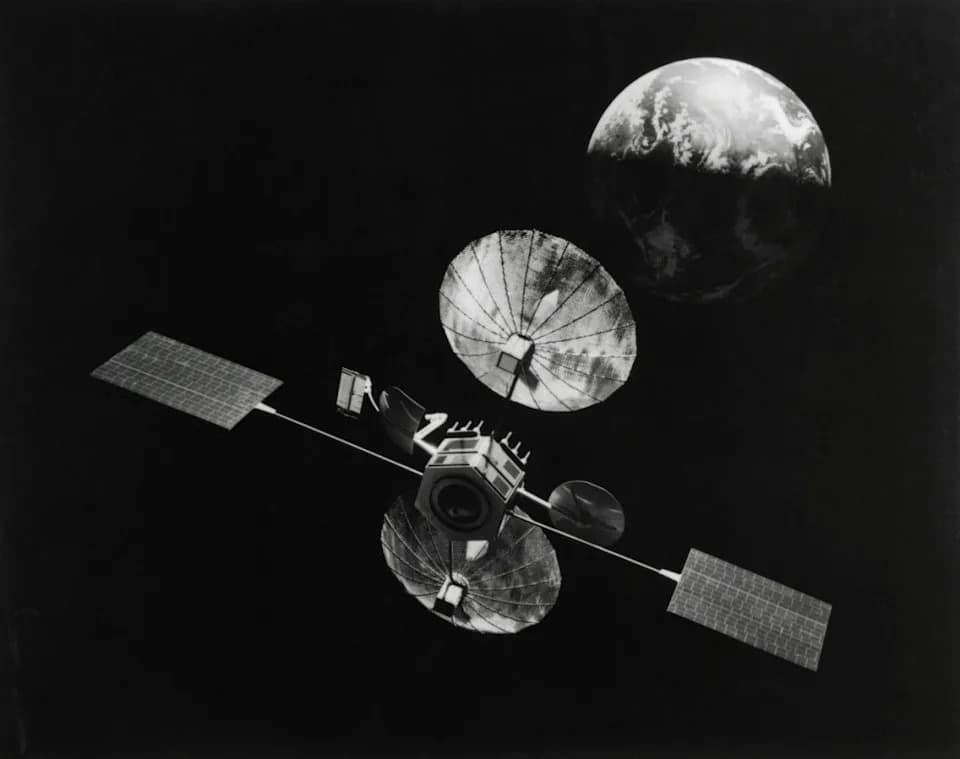
The spacecraft, cataloged as USA 32 (nicknamed "Farrah III"), was launched in 1988 by the National Reconnaissance Office (NRO) to intercept Soviet radar signals. After decades of classified operations, the program was declassified earlier this year. ©Image Credit: NRO
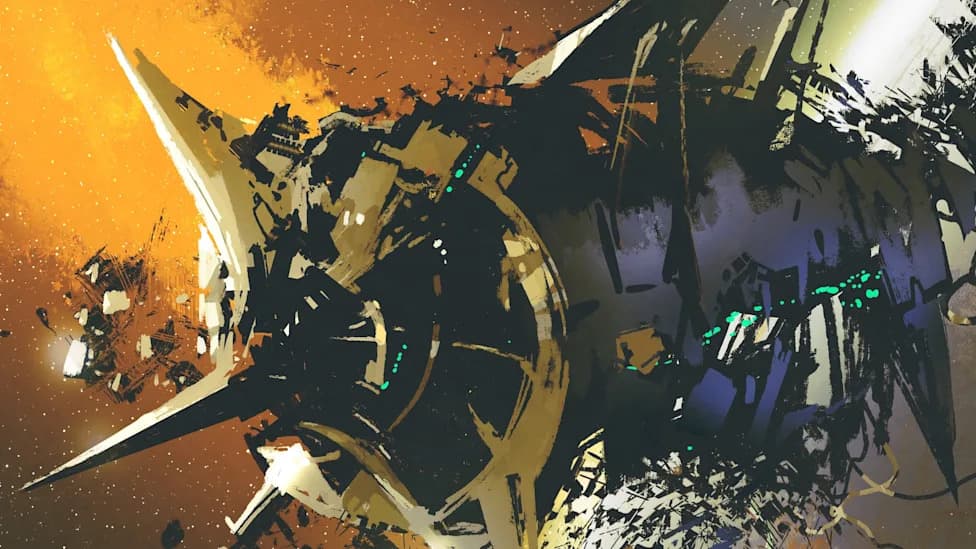
A long-defunct U.S. Cold War signals-intelligence satellite, cataloged as USA 32 and nicknamed "Farrah III," unexpectedly broke apart on September 13, scattering fragments into a heavily trafficked band of low Earth orbit. The breakup occurred roughly 775 kilometers (481 miles) above Earth and produced new, hazardous debris for operational spacecraft in the same altitude range.
About the spacecraft
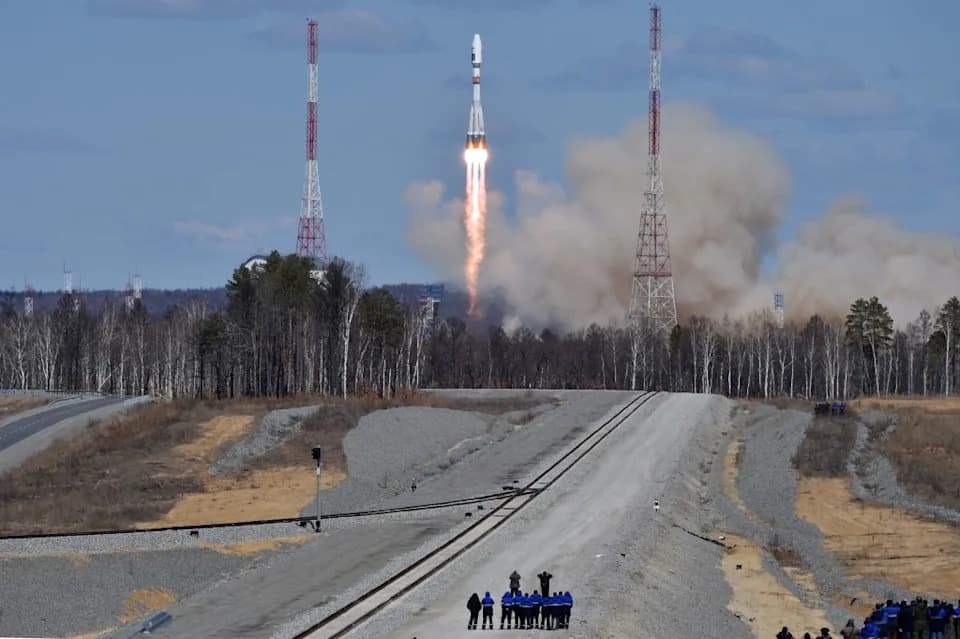
The satellite was launched Sept. 5, 1988, on a Titan II SLV and was operated by the National Reconnaissance Office (NRO). Built like a short cylinder — commonly called a "tuna can" — USA 32 spun to sweep antennas across the planet and collect signals intelligence during the Cold War. The program that produced it was declassified earlier this year after decades of secrecy.
What happened
The fragmentation was first flagged by independent trackers, including the KeepTrack Operations Center and private firm s2a systems, which photographed the largest remaining piece. U.S. Space Forces–Space (S4S) later posted a fragmentation notice on Space-Track.org confirming the event. The breakup produced many smaller fragments that now occupy a congested orbital corridor.
Possible causes
Investigators are evaluating two leading hypotheses: an internal pressure rupture (for example, residual propellant tank overpressure or a failing battery cell that finally failed after decades of thermal cycling) or a high-speed impact by an undetected piece of micrometeoroid or orbital debris. Tracking teams say they have found no evidence this was a deliberate anti-satellite (ASAT) test or other intentional act.
Risks and response
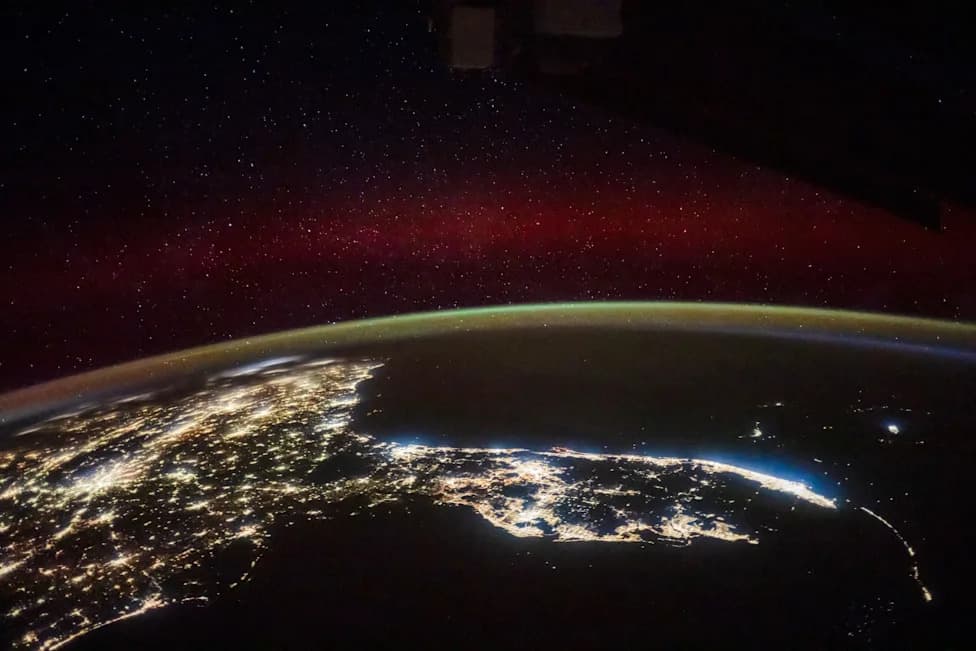
Although the International Space Station orbits much lower and faces no immediate danger from this event, the breakup poses a significant hazard for robotic satellites. USA 32 fragmented in a band where more than 200 active satellites operate within roughly 30 miles (about 50 km) of the breakup altitude, including the Iridium NEXT communications constellation and NOAA weather platforms. Space surveillance networks will spend days to weeks cataloging and tracking every fragment so operators can plan avoidance maneuvers and protect assets.
Why it matters
Every unexpected fragmentation increases the population of long-lived debris in medium-to-high LEO, adding collision risk and complicating satellite operations. This event underscores the long-term challenges of space sustainability, the importance of debris monitoring, and the need for improved mitigation measures for aging spacecraft.
Sources: Live Science; KeepTrack; Space-Track.org
Help us improve.