FARRAH III (USA‑32), a Cold War–era reconnaissance satellite launched on September 5, 1988, exploded in orbit on September 13 for reasons that remain unclear. The satellite belonged to Program 989 — declassified in 2026 — and was designed to intercept radar emissions in the 2–18 GHz band and directly downlink data. Although given a three‑year service life, FARRAH III appears to have yielded intelligence for much longer; amateur observers tracked its spin until at least 2007. Investigators suspect age‑related failure rather than sabotage, and the breakup has created a debris cloud that threatens hundreds of nearby satellites.
Cold War Spy Satellite 'FARRAH III' (USA‑32) Explodes in Orbit, Creating New Debris Hazard
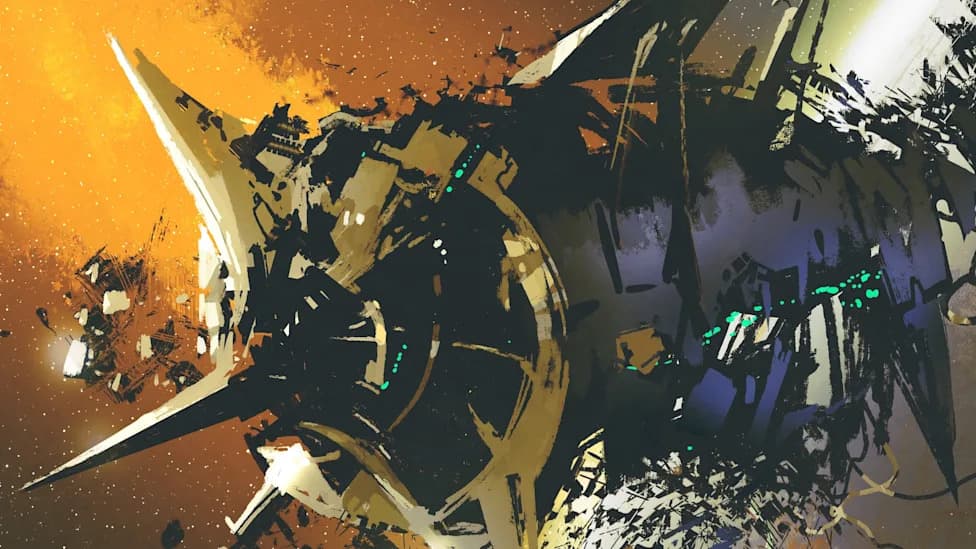
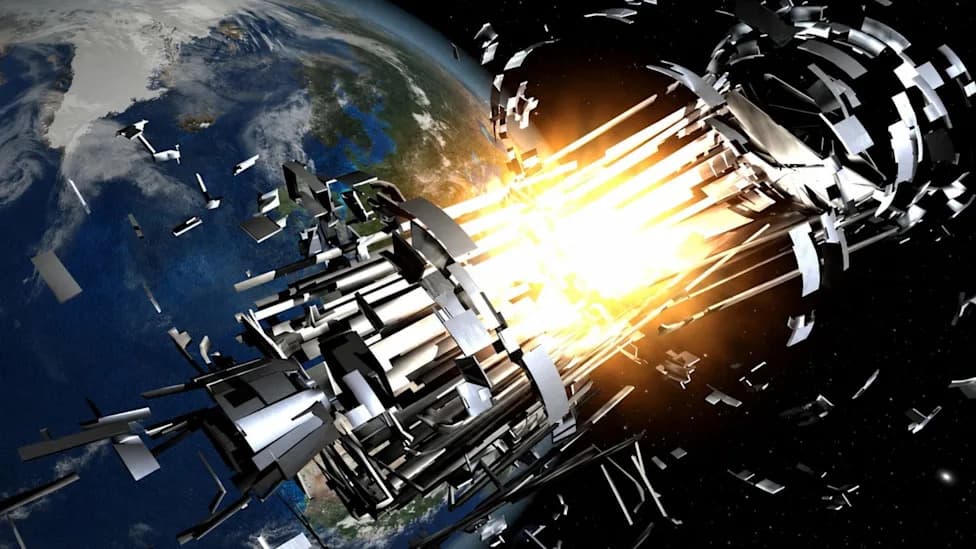
While likely an accident, the consequences of FARRAH III's explosion could become serious.
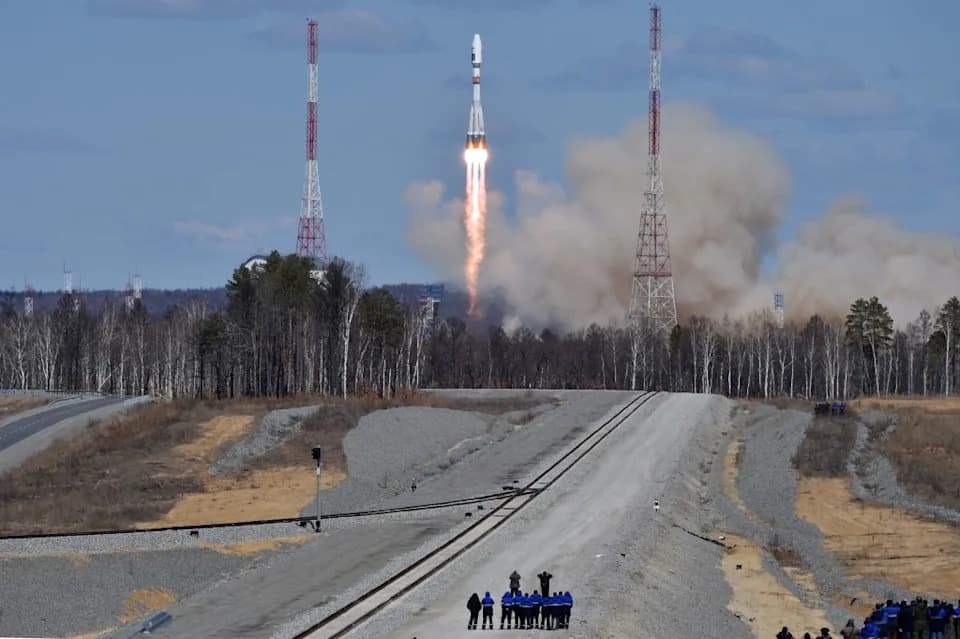
FARRAH III, an unofficially nicknamed Cold War–era signals‑intelligence satellite officially designated USA‑32, broke apart in orbit on September 13. Launched on September 5, 1988, aboard a Titan II SLV, the spacecraft had quietly operated for many years before the recent breakup — the cause of which remains under investigation.
What Was FARRAH III?
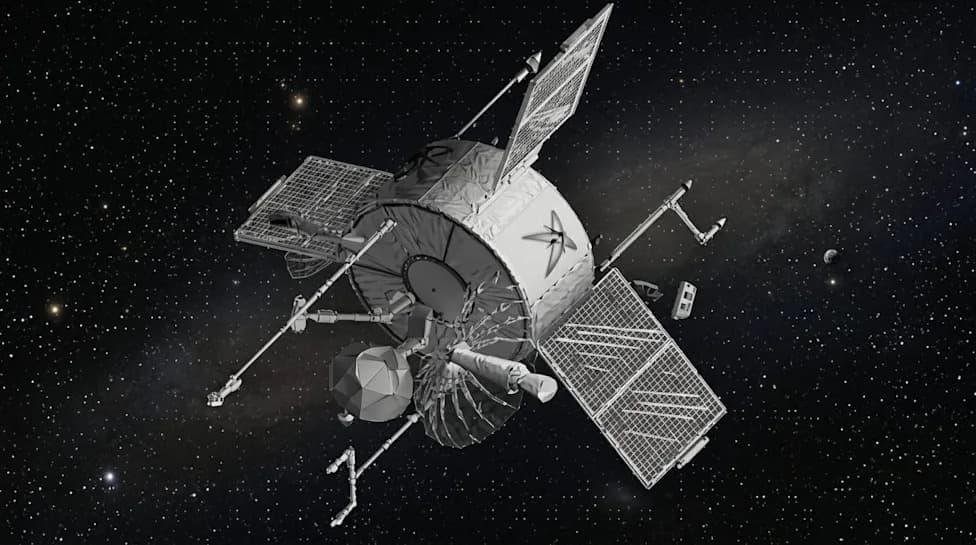
FARRAH III was part of Program 989, a long‑running U.S. reconnaissance effort whose full mission details were declassified in 2026. Unlike earlier, smaller platforms in the same family, FARRAH III was larger and cylindrical — often described in official and unclassified accounts as similar to a "3,000‑pound tuna can." Operational vehicles in this line maintained low, nearly circular orbits roughly 480 miles above Earth.
Capabilities and Role
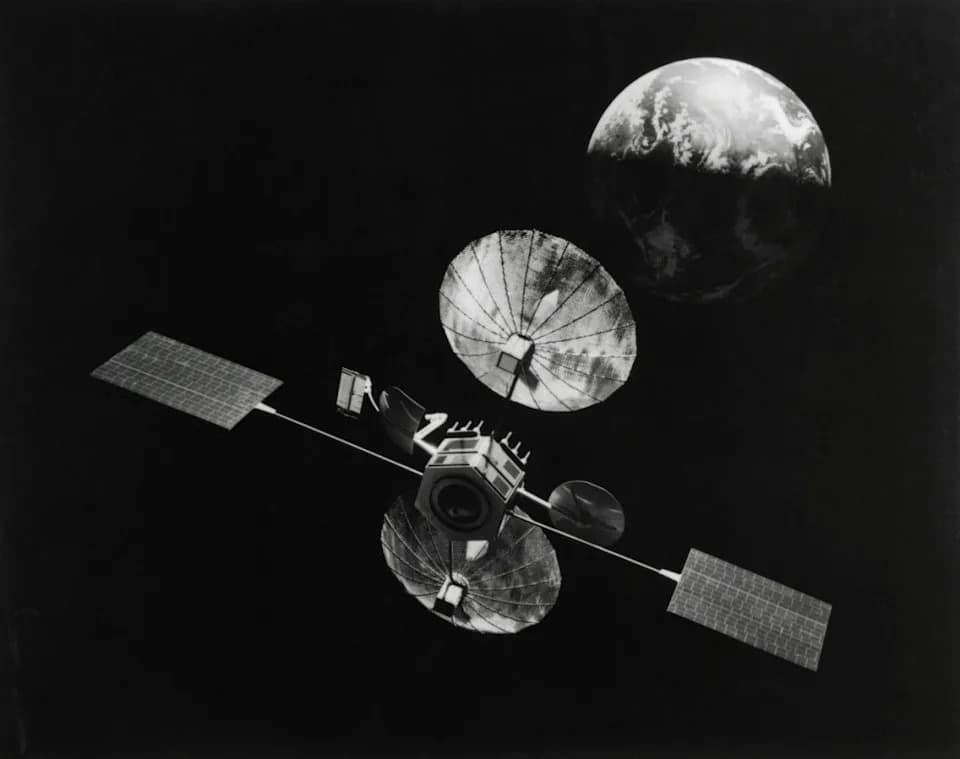
Earlier Program 989 satellites (with nicknames such as RAQUEL and URSULA) relied on onboard tape storage that was later retrieved or played back to ground stations. FARRAH III represented a technological step forward: it could directly downlink intercepted signals to military receivers. Recently released National Reconnaissance Office documents indicate the satellite was optimized to intercept radar emissions across roughly the 2–18 GHz range — frequencies also used for cable broadcast links, mobile communications, and some radio astronomy.
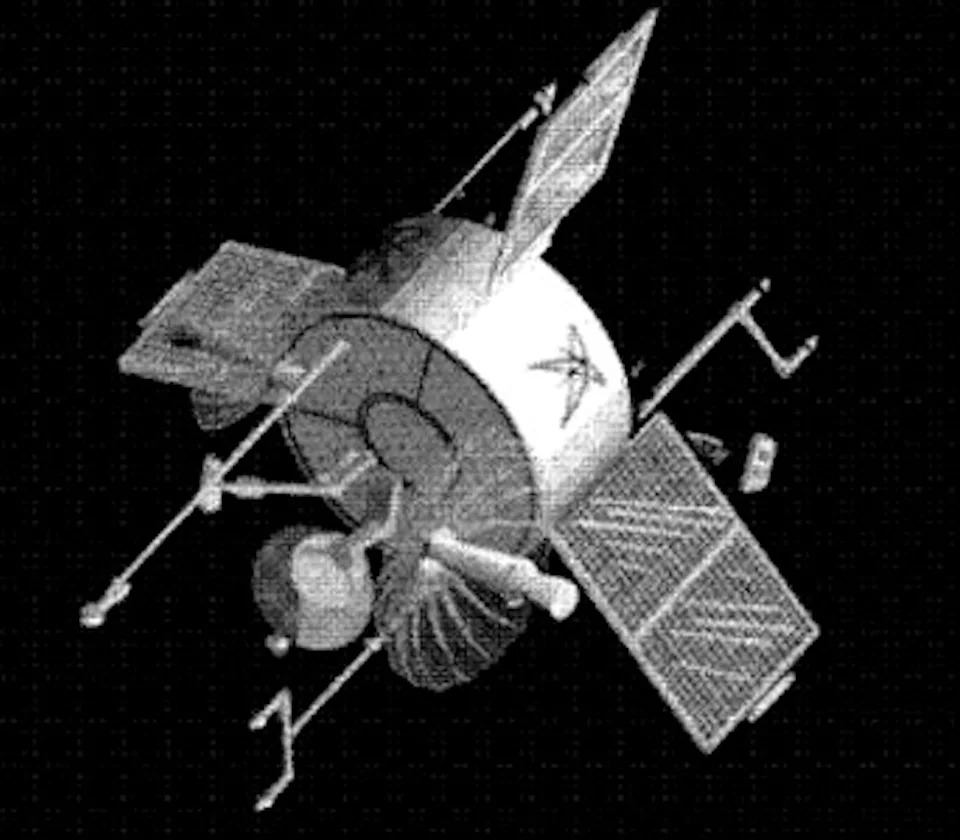
An illustration of FARRAH III from unclassified government documents. Credit: NSA
Service Life and End of Mission
Official records assigned FARRAH III an approximate three‑year operational life, but analysts believe the U.S. benefited from its capabilities for a decade or more. Amateur satellite trackers reported that the vehicle maintained its operational spin rate until at least 2007 and ceased spinning entirely by 2021. When the vehicle broke apart in September, available evidence did not point to deliberate sabotage; investigators consider it more likely the satellite succumbed to age, corrosion, or the failure of a pressurized tank or battery cell that triggered the explosion.
Debris and Orbital Risk
Whatever the precise cause, FARRAH III has produced a new debris cloud that adds to a growing problem of orbital junk. Trackers report more than 200 active satellites currently orbiting within roughly 31 miles (50 km) of FARRAH III's final altitude, including at least one telecommunications satellite serving more than 500 companies worldwide. The affected orbital band was already heavily polluted before the breakup; international agencies are cataloguing, tracking, and modeling the fragments to assess collision risk.
Why it matters: a covert asset that spent decades collecting intelligence now risks causing persistent, visible harm to shared orbital space — a reminder that legacy spacecraft remain a long‑term hazard.
Ongoing actions: space‑domain awareness teams are continuing to identify fragments, update conjunction assessments, and notify affected operators. Further analysis of telemetry, radar detections, and fragment trajectories may clarify root causes as investigations proceed.
Help us improve.