The U.S. Air Force turned a C-17 back to Christchurch after an FAA NOTAM and a Russian air-traffic notice warned of possible space-related debris over the southern Indian Ocean. The FAA issued the NOTAM on Aug. 10 for the Melbourne Flight Information Region; the C-17 departed on Aug. 18 and reversed course after about two hours. Experts warn uncontrolled reentries may become more frequent as launch activity grows, prompting calls for better space-traffic coordination and debris management.
U.S. C-17 Turns Back From New Zealand After Warning Of Possible Russian Space Debris
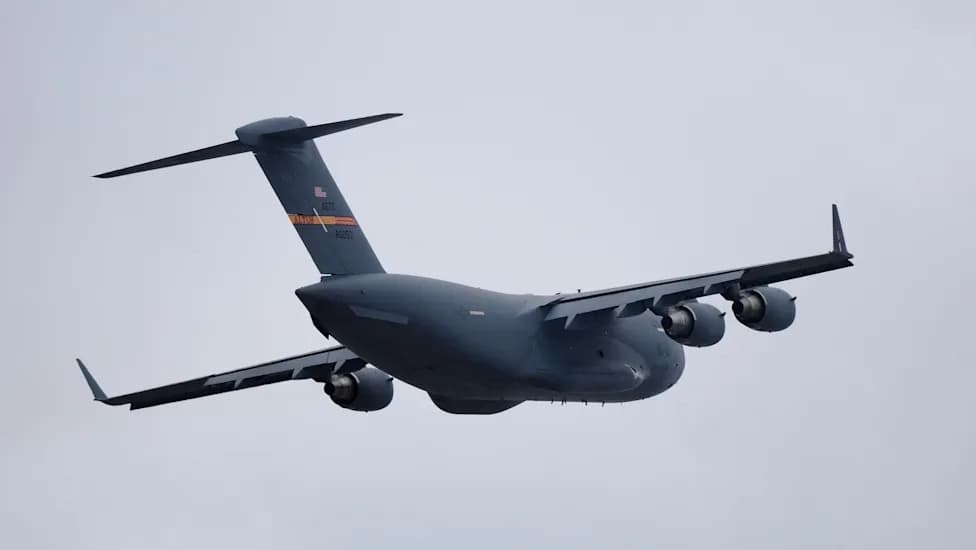
Photo Credit: iStock
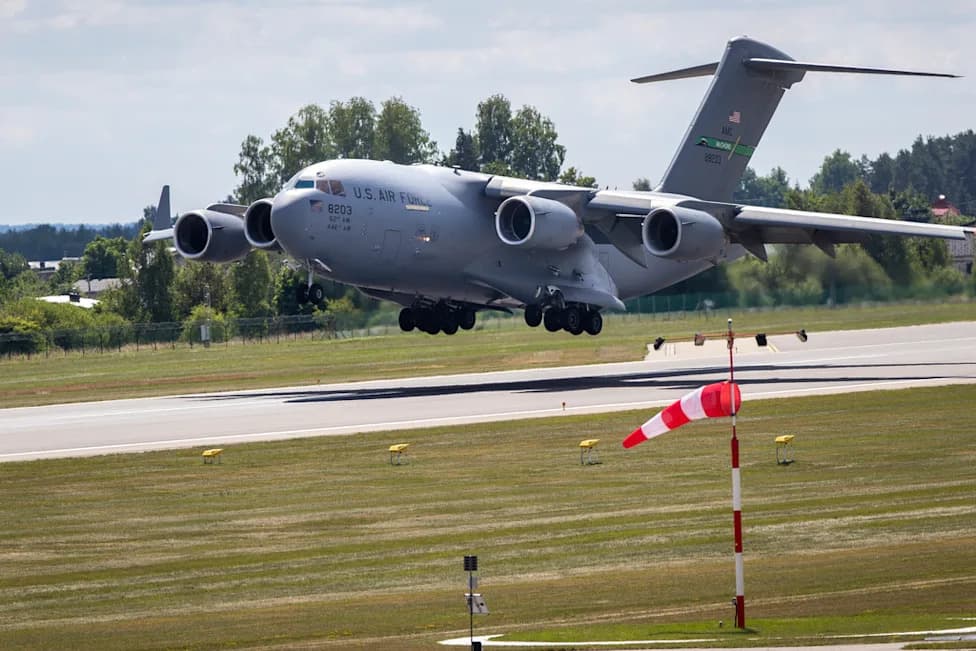
A U.S. Air Force C-17 cargo aircraft en route from Christchurch, New Zealand, to McMurdo Station in Antarctica reversed course after authorities issued warnings about potential space-related debris over the southern Indian Ocean.
An FAA Notice to Airmen (NOTAM) published on Aug. 10 for the Melbourne Flight Information Region — the broad swath of airspace covering parts of Australia and the Indian Ocean — warned that beginning Aug. 14 “Russian aerospace activities will take place” and that there could be “possible debris” in multiple areas. Space.com reported the C-17 departed Christchurch on Aug. 18 but returned to base after roughly two hours in flight.
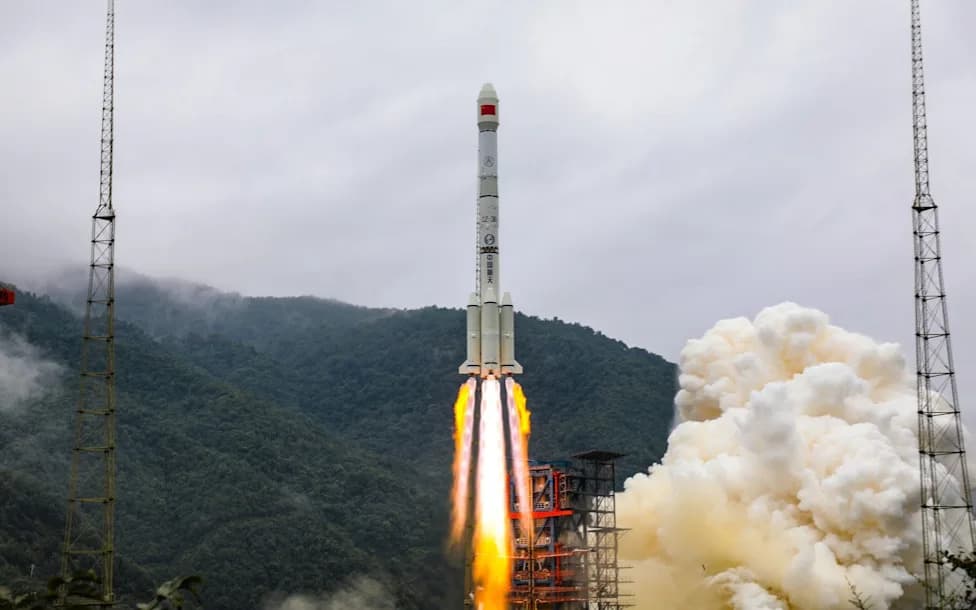
New Zealand’s Civil Aviation Authority told local media the turnaround followed a separate notice from the Russian Air Traffic Management Corporation that alerted operators to “space activity, potentially hazardous to aviation en route to Antarctica.” Officials have not publicly specified the exact nature of the Russian notice, and the U.S. Air Force has not issued a detailed explanation for the flight’s return.
Historical Context
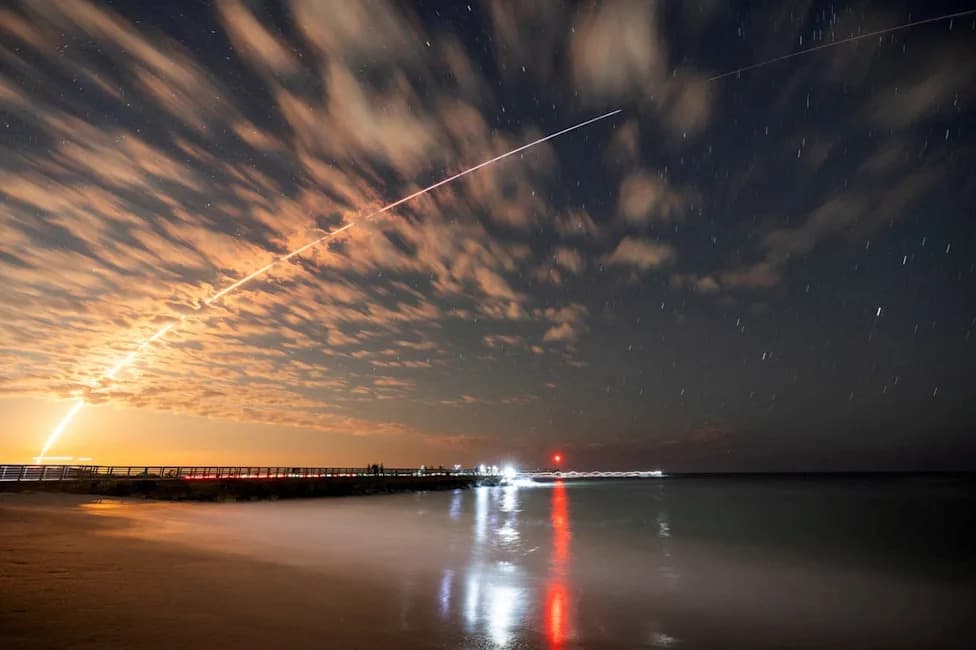
Precautions like this have precedent. Reentering rocket stages or disintegrating spacecraft have previously forced airspace closures and disrupted operations:
- November 2022: An uncontrolled reentry of a Chinese Long March 5B core stage prompted multiple airspace closures over Spain.
- January 2025: SpaceX’s Starship broke apart during a test flight, scattering debris over the Atlantic near the Turks and Caicos Islands and disrupting nearby operations.
Why It Matters
Researchers warn the risk could grow as launch activity increases. A January 2025 paper in Scientific Reports, cited by Space.com, estimated roughly a 26% chance of an uncontrolled space-debris reentry affecting busy airspaces. When that risk intersects time-sensitive missions — such as flights delivering fuel, personnel, or supplies to remote Antarctic stations — the operational impact can include delays, rerouting and higher costs.
NOTAMs are designed to inform pilots and operators in advance so they can avoid hazards before they become emergencies.
Because the potentially affected airspace was identified in advance, the C-17 crew was able to return to Christchurch rather than proceed into what authorities judged could be unsafe airspace.
Broader Efforts
Experts and regulators are pushing for improved space-traffic coordination and debris management, including more controlled reentries, clearer international notices, and stronger oversight as launch cadence increases. The incident underscores how aerospace and aviation tools increasingly influence operational decisions.
Related technological and operational developments highlighted alongside this story include vibration-based wing deicing tests to reduce weather-related risk, satellite deployments to help manage major floods, and NASA-derived techniques for tracking plastic pollution in ocean currents — all examples of how aerospace capabilities inform high-stakes choices.
Sources: Space.com, FAA NOTAM, New Zealand Civil Aviation Authority, Scientific Reports (Jan. 2025).
Help us improve.