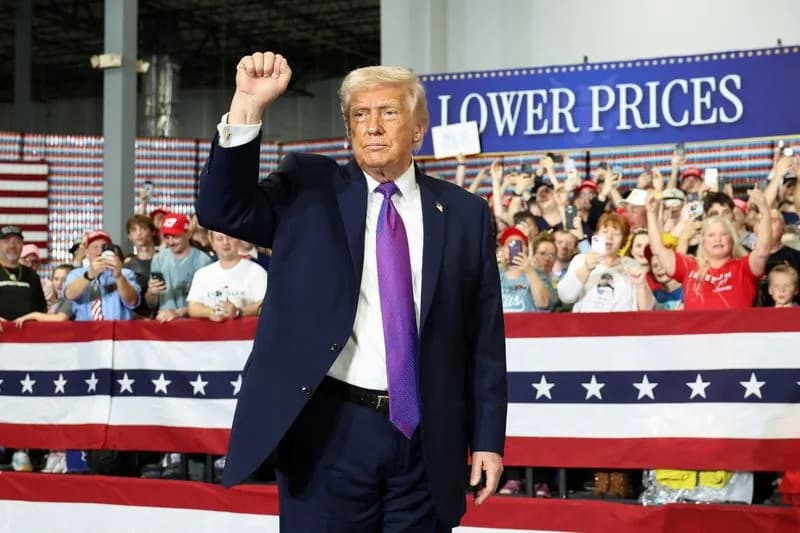
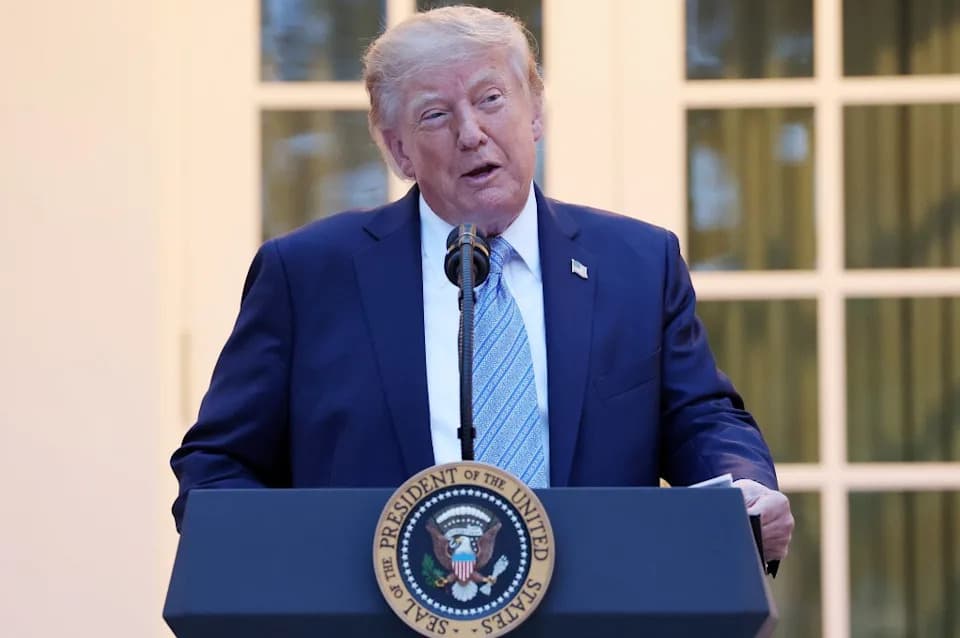
With four weeks until Election Day, many House Republicans privately fear they could lose their narrow majority and are shifting to damage control. Internal polls indicating slipping approval for President Trump have prompted talks of reallocating funds from vulnerable races while leaning on a significant GOP cash and super PAC advantage to defend key districts. Party leaders aim to limit any Democratic majority to a small margin to complicate governing, while final ad spending and voter turnout will likely determine the outcome.
GOP Quietly Prepares for Possible Loss of the House With Four Weeks to Go — Damage Control Underway
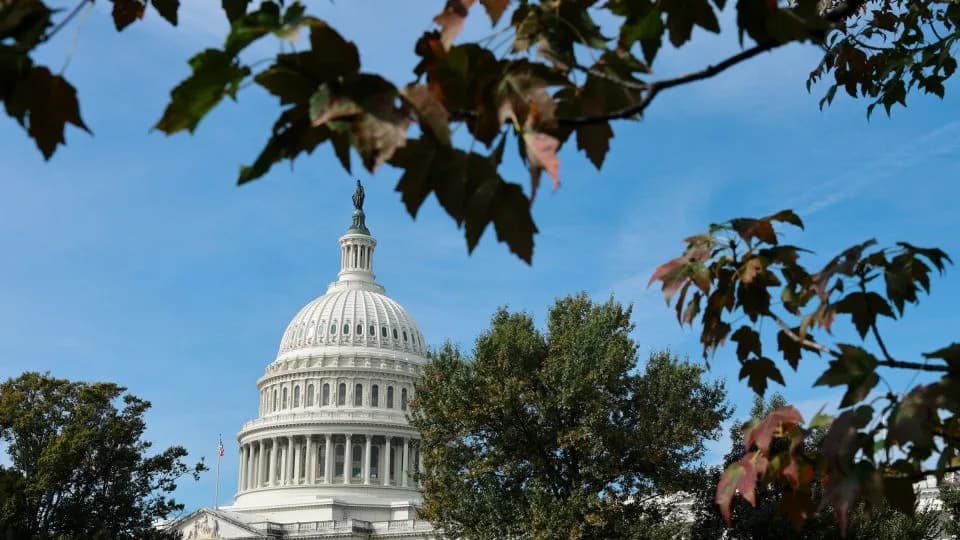
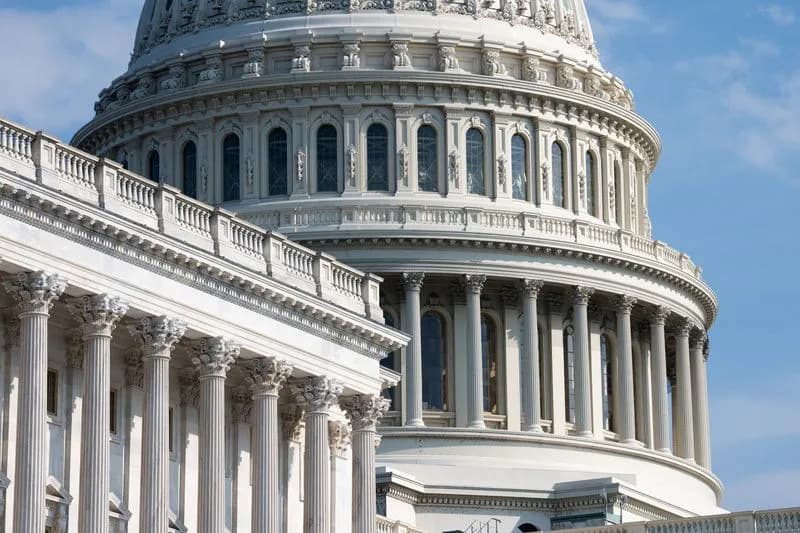
The US Capitol Building is seen on October 1, in Washington, DC. - Anna Moneymaker/Getty Images
With just four weeks until Election Day, a growing number of House Republicans privately concede that retaining their slim majority may be unlikely and are shifting into damage-control mode to limit Democratic gains.
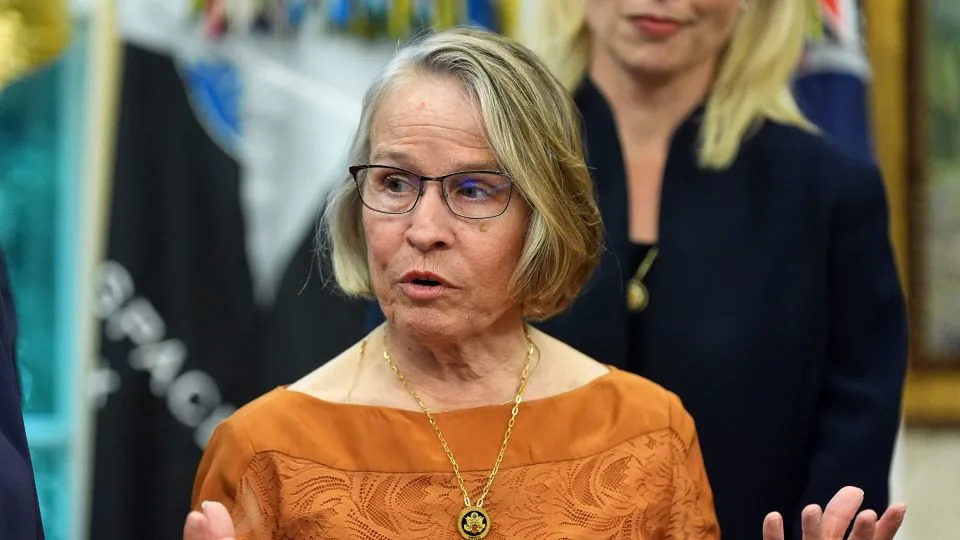
Rep. Mariannette Miller-Meeks speaks in the Oval Office of the White House on September 28, 2026, in Washington. - Alex Brandon/AP
Worsening Internal Polls and a Strategic Shift
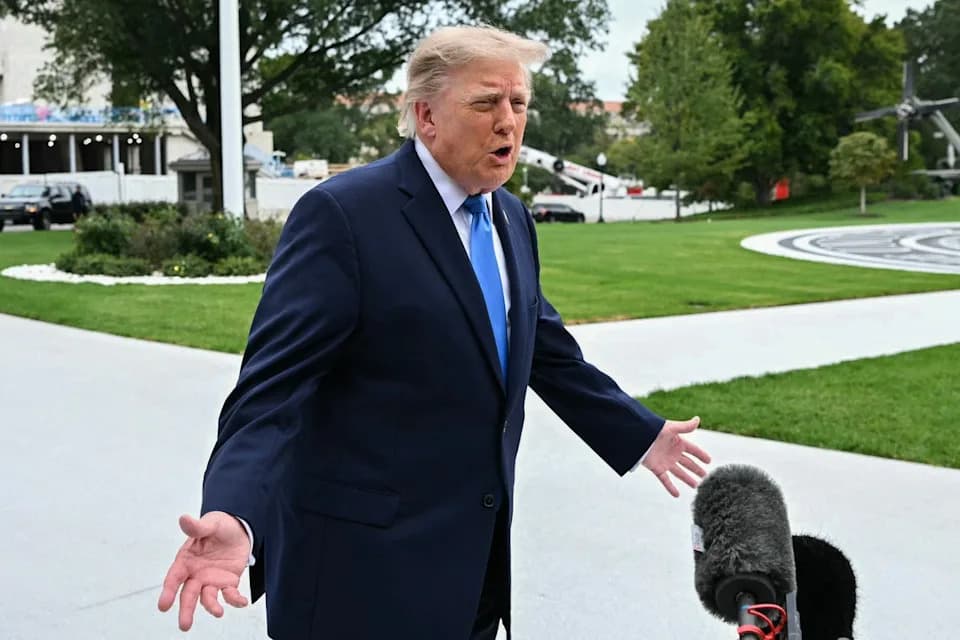
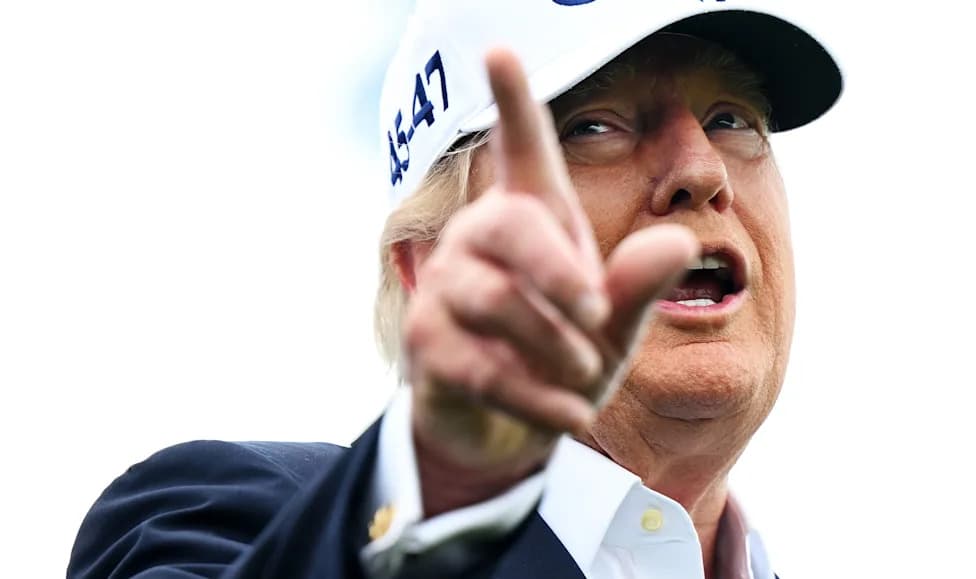
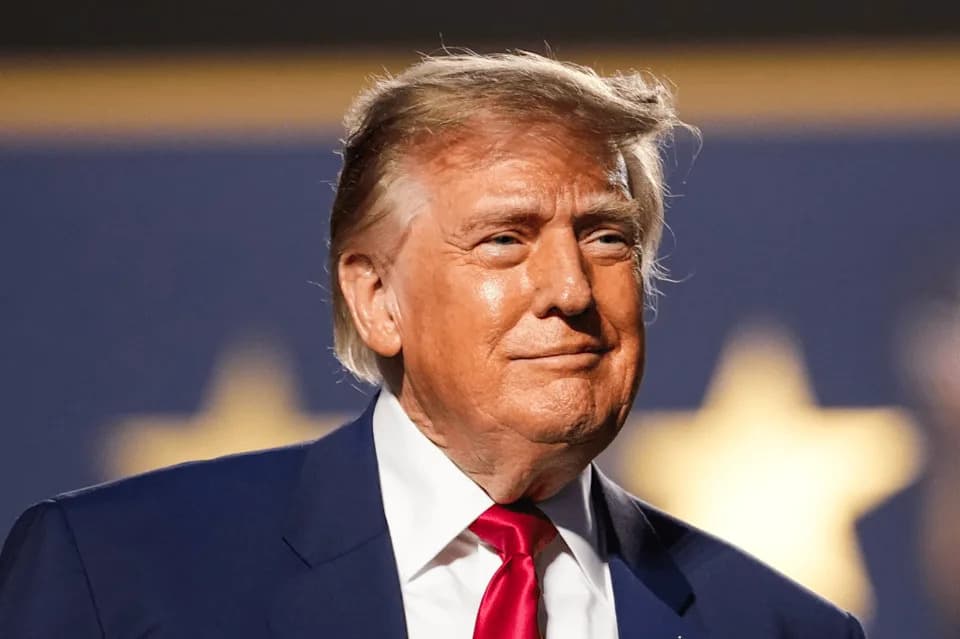
Republican operatives say internal polling over the past two weeks has shown slipping approval for President Donald Trump, even in some traditionally red areas. That erosion has prompted GOP leaders to consider reallocating resources away from races they now view as unwinnable, including Rep. Mariannette Miller-Meeks in Iowa, Rep. Thomas Kean Jr. in New Jersey, and an open seat in Nebraska.
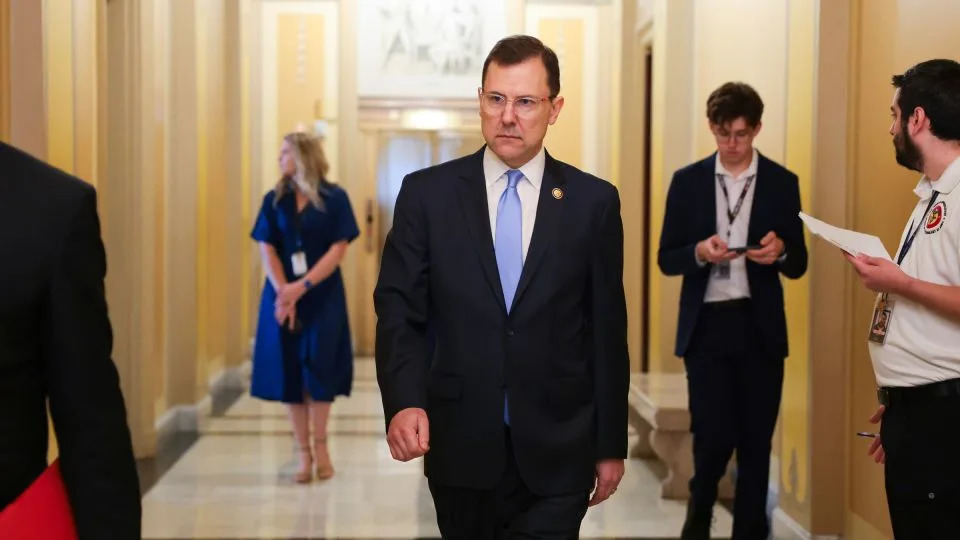
Rep. Thomas Kean Jr. departs the US Capitol on June 30, 2026. - Anna Moneymaker/Getty Images
Money, Messaging and Triage
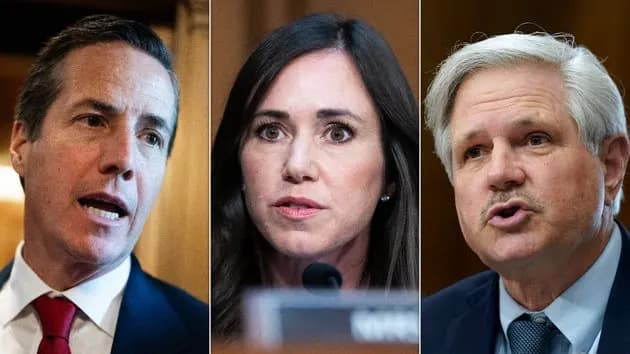
Despite rising alarm, Republicans retain a substantial financial advantage and are mobilizing an extensive super PAC infrastructure to protect their reddest districts. The House GOP campaign arm and Speaker Mike Johnson remain publicly confident. The National Republican Congressional Committee stressed that House Republicans are "on offense" and claim to be outspending Democrats in the final stretch, while Johnson has said he is not taking any seats off the board.
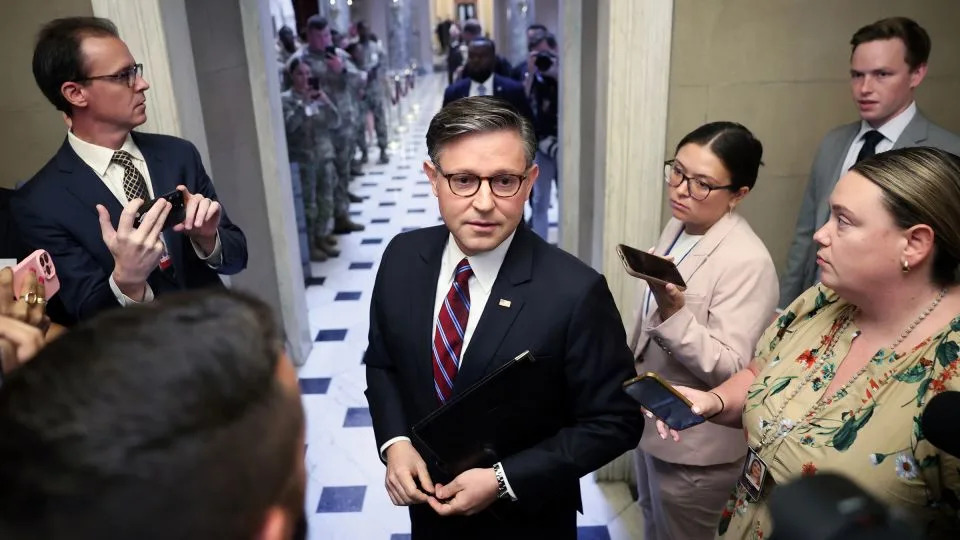
Speaker of the House Mike Johnson speaks to reporters outside of his office at the US Capitol on September 16, 2026. - Kevin Dietsch/Getty Images
Targeted Defense: Keep Any Democratic Majority Narrow
Many Republicans describe their goal as limiting a potential Democratic majority to the smallest possible margin, ideally under ten seats, to complicate governance for a prospective Speaker Hakeem Jeffries. One GOP strategist bluntly summarized that a tiny Democratic margin would make passing an agenda extremely difficult. At the same time, few Republicans expect a catastrophic loss of more than 30 seats; some still see paths to retain the majority if economic indicators, especially gas prices, improve in the coming weeks.
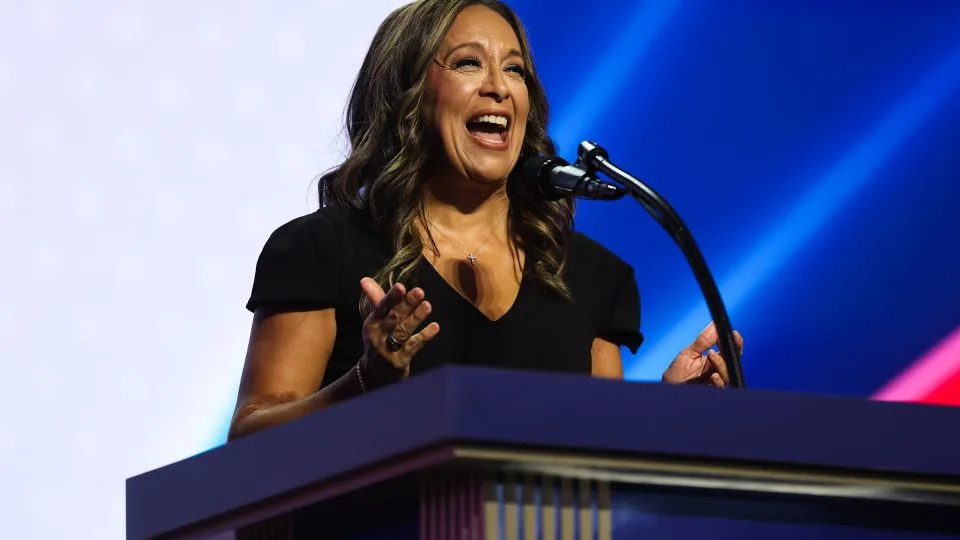
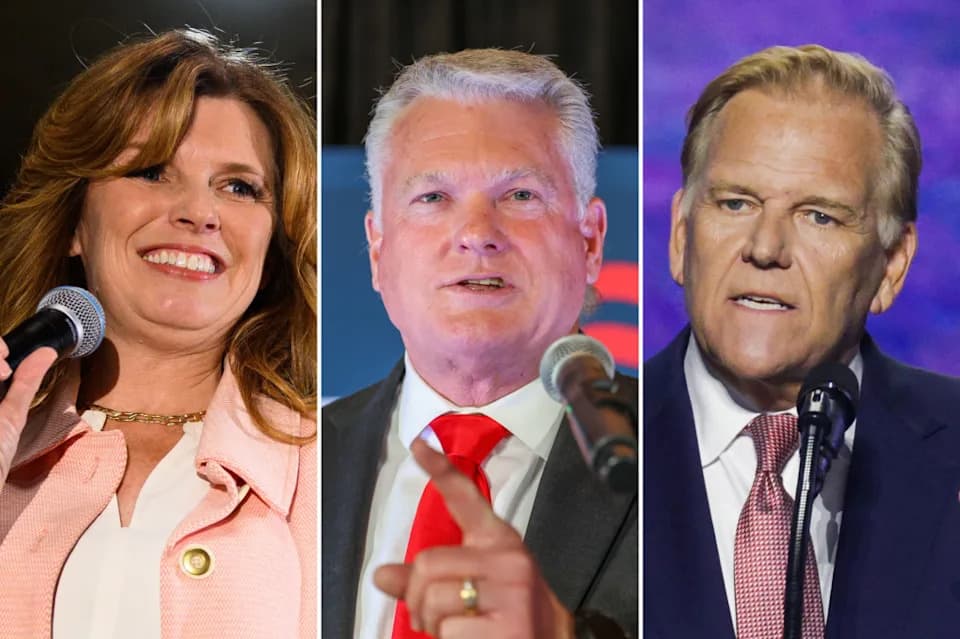
Rep. Monica De La Cruz speaks on the first day of the 2026 Republican National Convention on September 9 in Dallas. - Kevin Dietsch/Getty Images
Where the Battle Is Concentrated
Party leaders are prioritizing defensive spending on holdable incumbents in purple districts such as Reps. Brian Fitzpatrick in Pennsylvania and Mike Lawler in New York, while also pressuring top Democratic targets like Rep. Marcy Kaptur in Ohio and Rep. Marie Gluesenkamp Perez in Washington. Redistricting in states such as Texas and Florida has created a handful of newly competitive seats where GOP spending could offset losses elsewhere.
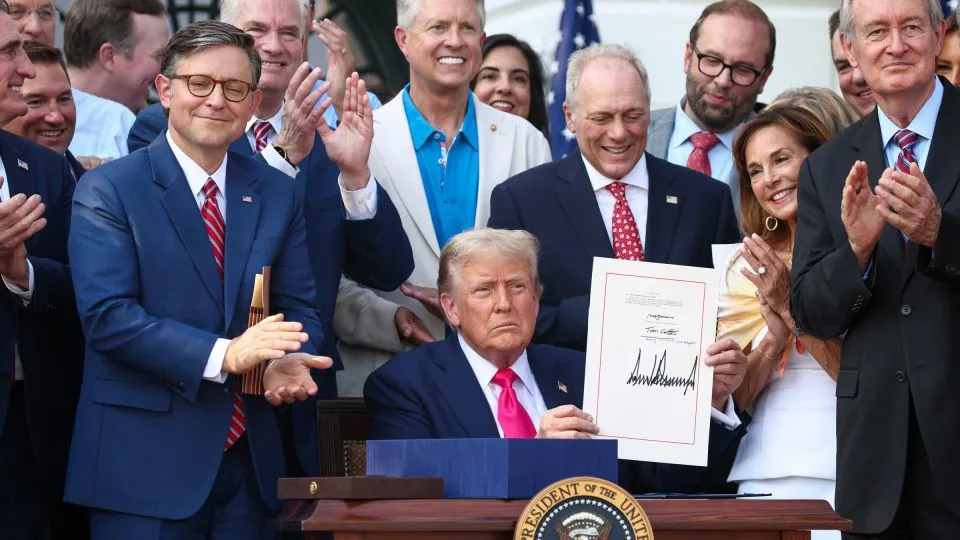
President Donald Trump, joined by Republican lawmakers, signs the "One, Big Beautiful Bill Act" into law during an Independence Day on the South Lawn of the White House on July 4, 2025. - Samuel Corum/Getty Images
Advertising, Issues and the Final Narrative
Data from AdImpact shows Republicans outspending Democrats in the 10 most expensive House races through Election Day. GOP ad themes emphasize tax relief, immigration enforcement and support for law enforcement, and they have continued to press social issues such as transgender policy where they see traction. Roughly one-third of GOP ads in September focused on tax policy, with immigration also prominent in buy lists.
Outlook
Over the next four weeks, the race will hinge on final ad spending, last-minute shifts in economic indicators, and turnout. Republicans are betting their cash advantage, targeted messaging and a redrawn map will limit Democratic gains; Democrats need to capitalize on the current national headwinds to flip the chamber. Campaign officials from both parties say the closing weeks will be decisive.
Key names mentioned: Mariannette Miller-Meeks, Thomas Kean Jr., Brian Fitzpatrick, Mike Lawler, Marcy Kaptur, Marie Gluesenkamp Perez, Mike Johnson, Hakeem Jeffries.
Help us improve.