California's Assembly Bill 1901 requires diaper manufacturers to disclose intentionally added ingredients online starting January 2029 and on packaging beginning July 2029, with fines for noncompliance. Supporters, including Assemblymember Marc Berman and advocacy group Children Now, say the rule will help parents—especially those with infants using thousands of diapers yearly—make safer choices. Health groups note diapers may contain plastics, phthalates, VOCs and synthetic musks linked in some studies to developmental, reproductive and respiratory harms. Gov. Newsom signed the bill while urging rulemaking to protect legitimate trade secrets.
California Will Require Diaper Makers to List Ingredients Online and on Packaging — Transparency Rule Begins in 2029
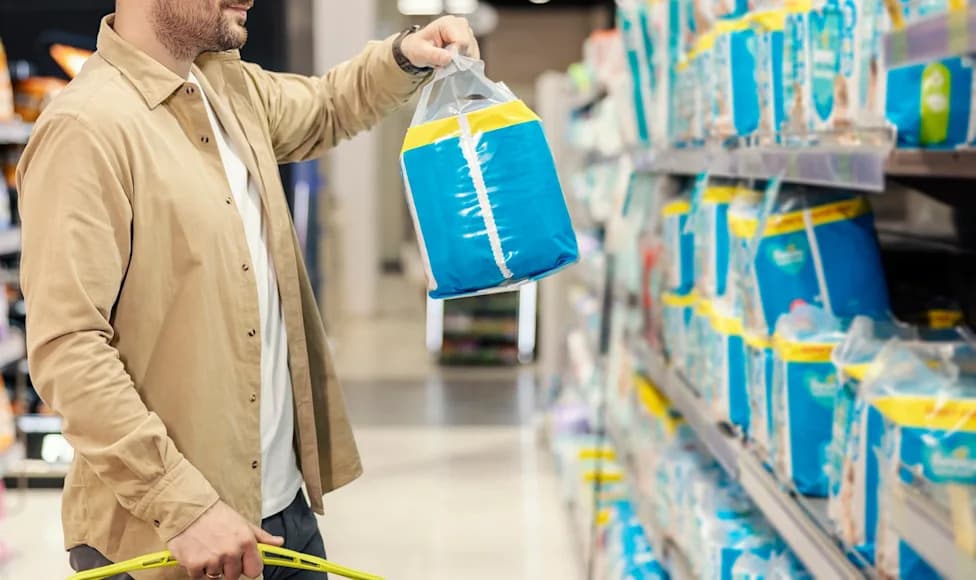
Photo Credit: iStock
Disposable diapers touch infants' skin constantly, yet parents have had limited information about the chemicals and materials manufacturers intentionally add. California's new law, Assembly Bill 1901, aims to change that by requiring diaper makers to disclose intentionally added ingredients both online and on product packaging.
What the Law Requires
Assembly Bill 1901, signed by Gov. Gavin Newsom, requires diaper manufacturers to publish lists of intentionally added ingredients on product webpages starting in January 2029. Full ingredient disclosure on product packaging is required beginning in July 2029. Companies that fail to comply face civil penalties of up to $5,000 for an initial violation and up to $10,000 for subsequent violations.
Why Supporters Back the Measure
Supporters say the law gives parents essential information about items that regularly contact a child's skin. Assemblymember Marc Berman, the bill's sponsor, noted that an infant may use roughly 3,000 disposable diapers in a year and called ingredient transparency a core consumer-rights issue. Advocacy groups, including Children Now, argue disclosure helps families with children who have sensitive skin or health concerns.
"Increasing transparency about the ingredients used in diapers is not a partisan issue; it is a pro-parent issue," Assemblymember Marc Berman said.
Health Concerns and Evidence
Health and environmental organizations have questioned whether disposable diapers contain substances such as plastics, fragrances, phthalates, volatile organic compounds (VOCs) and synthetic musks. Some studies have linked certain chemicals in these categories to developmental delays, reproductive harm, endocrine disruption, skin rashes and respiratory problems. Advocates say ingredient lists will allow parents and clinicians to make more informed choices.
Industry Response and Trade Secrets
Industry groups have signaled a willingness to work with regulators, while warning that the law must protect legitimate proprietary information. Gov. Newsom acknowledged the concern in his signing message and urged the Department of Toxic Substances Control to begin rulemaking to clarify how companies can shield confidential business information while complying with the law. The trade association Center for Baby and Adult Hygiene Products said it plans to collaborate with state officials to develop guidance that balances transparency and trade-secret protections.
How This Could Affect Parents and Retailers
The law allows brands to use packaging and product pages to direct shoppers to a dedicated webpage with a full ingredient list, which could make it easier for parents to compare products and avoid specific chemicals. Similar disclosure measures are already in place in other jurisdictions, including a comparable law in New York.
Next Steps
Regulatory rulemaking will determine how trade-secret claims are handled and the specifics of labeling and online disclosure. Manufacturers and retailers will have several years to prepare before the disclosure requirements take effect in 2029.
Help us improve.