California will ban single‑use, battery‑embedded nicotine vapes under Assembly Bill 762. The law prohibits import and manufacture of covered disposable nicotine vapes from Jan. 1, 2027, and outlaws their sale and distribution from Jan. 1, 2028. The measure excludes disposable cannabis vaping products, imposes penalties starting at $500 (up to $2,000 for repeat offenses), and was driven by both environmental and youth‑vaping concerns.
California to Ban Disposable Nicotine Vapes — What the New Law Means for Consumers and Retailers
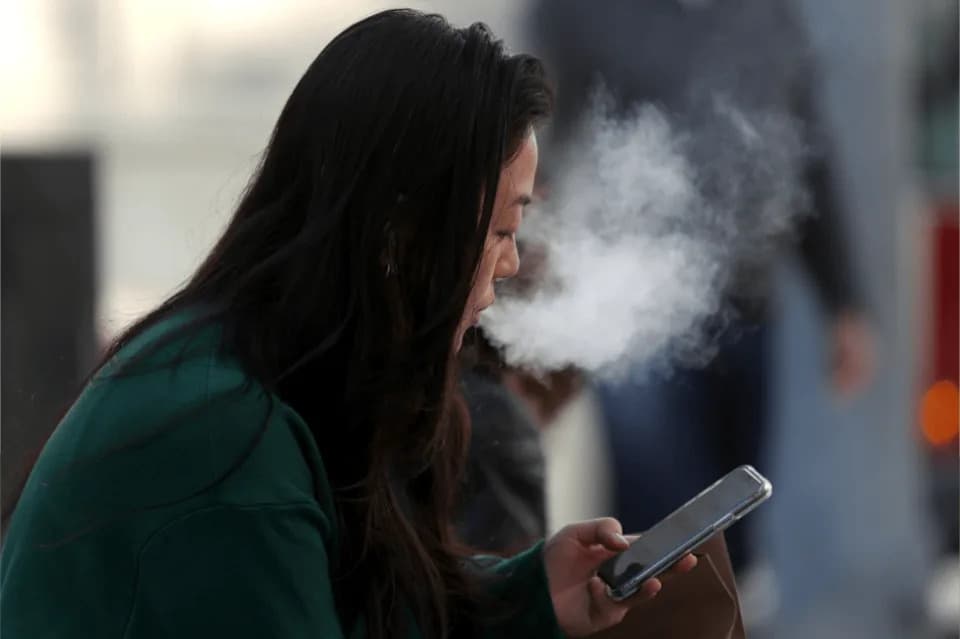
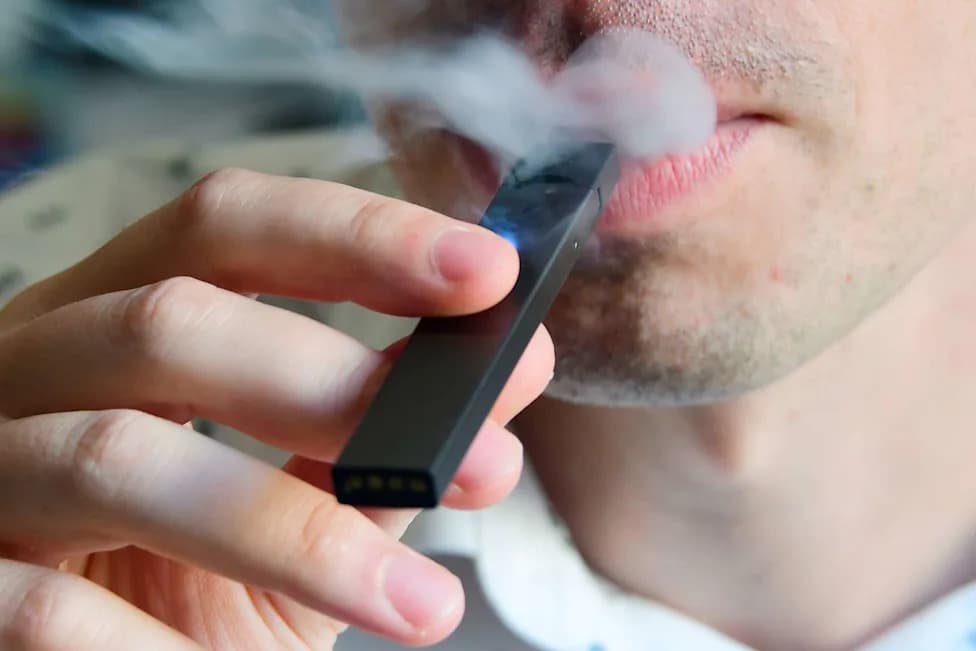
A pedestrian smokes an e-cigarette on November 08, 2019 in San Francisco, California.
California will soon outlaw single‑use, battery‑embedded nicotine vapes as part of a wider effort to curb youth vaping and reduce electronic waste. Governor Gavin Newsom signed Assembly Bill 762, which phases in prohibitions on covered disposable vaping devices beginning in 2027 and 2028.
Key Dates and Prohibitions
Assembly Bill 762 makes it unlawful to import or manufacture covered disposable nicotine vapes for sale in California beginning January 1, 2027. Beginning January 1, 2028, selling, distributing or offering those products for sale in the state will also be prohibited.
What Devices Are Covered — And What’s Exempt
The law targets "disposable, battery‑embedded vapor inhalation devices," commonly called single‑use or disposable vapes. Covered products are those that contain a tobacco product or nicotine and are "not designed or intended to be reused." Refillable or rechargeable devices with replaceable parts are excluded.
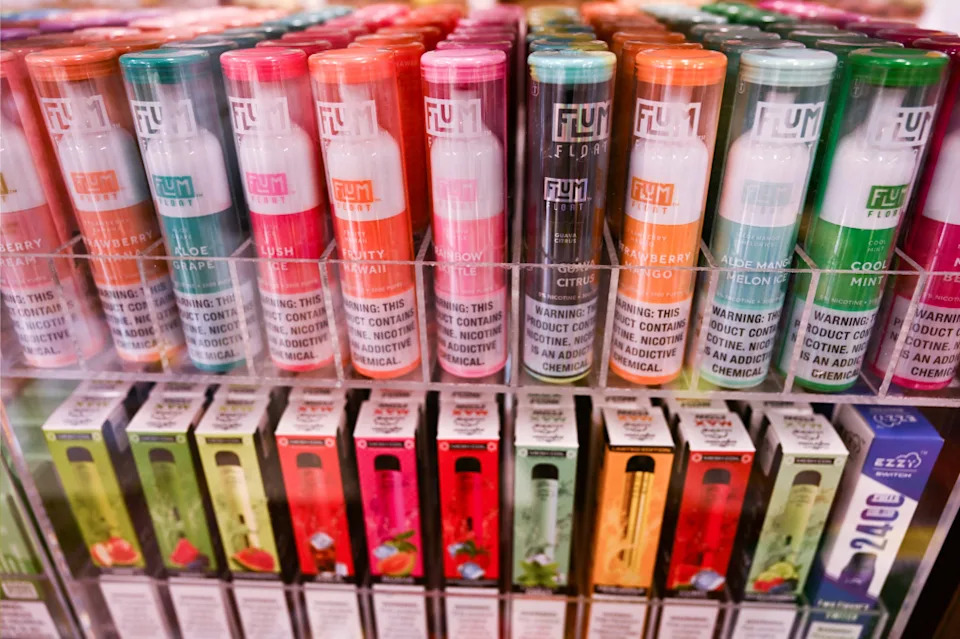
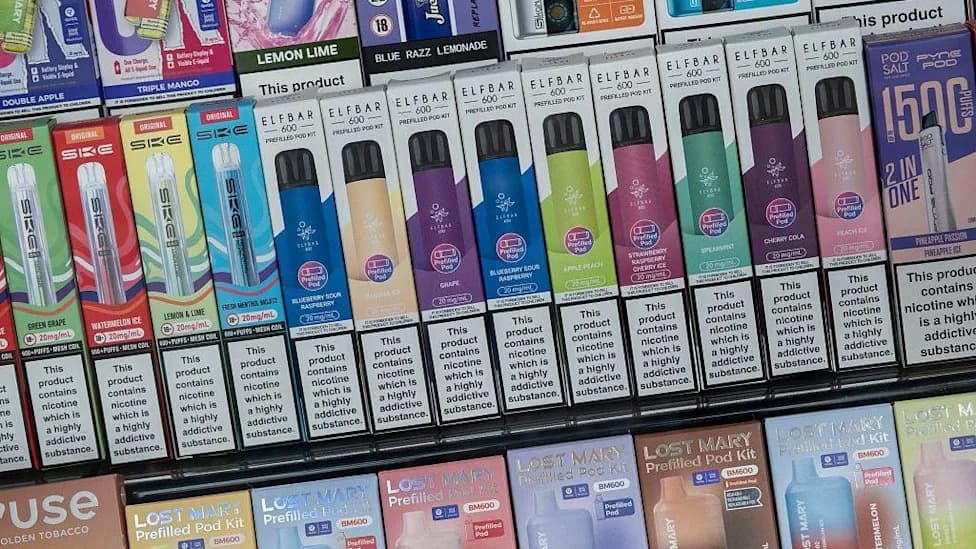
Disposable vape flavored vaping e-cigarette products are displayed in a convenience store on June 23, 2022 in El Segundo, California.
An explicit carve‑out preserves the sale of disposable cannabis vaping products sold through California’s regulated cannabis market: the bill defines covered devices as those containing a "tobacco product" and excludes cannabis products from the ban.
Penalties
Enforcement provisions establish civil penalties starting at $500 for a first offense and increasing to as much as $2,000 for repeat violations.
Why Lawmakers Backed the Ban
Legislative summaries and supporters cite both environmental and public‑health rationales. Disposable vapes typically contain embedded lithium‑ion batteries, plastics, electronic components and residual nicotine liquids—materials that complicate recycling and often classify used devices as electronic waste (e‑waste). Public‑health advocates also point to the role flavors play in youth vaping; federal data indicate that flavored products dominate youth e‑cigarette use.
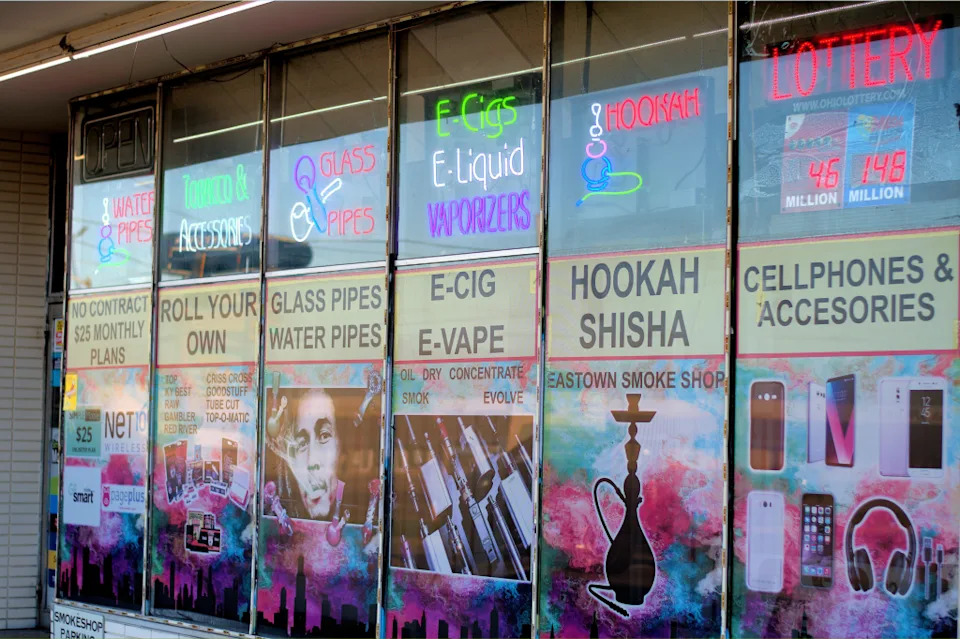
Front window of a smoke shop with signs showing the wide variety of products being offered for sale.
Where This Fits In Nationwide
California’s move is part of a broader trend of state‑level regulation that goes beyond flavor bans and taxes to target product design and market availability. Some states have enacted comprehensive flavor bans, while others require state‑level product approval via vape directories.
Examples of State Actions
- Flavor Bans / Restrictions: Massachusetts, New York, New Jersey, Rhode Island, Utah and California have some of the strictest rules on flavored vaping products.
- Vape Directories: Alabama, Florida, Iowa, Kentucky, Louisiana, North Carolina, Oklahoma, Utah, Virginia and Wisconsin require products to appear on an approved state list before retail sale.
What This Means for Consumers and Retailers
Retailers should begin reviewing inventory and supplier contracts now to prepare for the 2027–2028 phase‑in. Consumers who use disposable nicotine vapes may need to shift to reusable, refillable devices or legal cannabis vape products if applicable.
Note: Newsweek reported on AB 762 and its implications; inquiries to Governor Newsom’s office about the cannabis carve‑out were pending at the time of reporting.
If California’s approach proves effective at reducing waste or youth use, other states may adopt similar bans or tighten existing restrictions.
Help us improve.