Latvia's parliamentary election opened with around 1.5 million eligible voters casting ballots amid concerns about Russia and a rising cost of living. Fourteen parties are competing for 100 Saeima seats; partial counts were expected Saturday evening with preliminary results on Sunday. Polls show the centre‑right United List likely to be largest, but its governing coalition is forecast to weaken. Security and defence spending — near 5% of GDP — and sharp regional economic disparities, particularly in Latgale, dominate voter concerns.
Latvia Votes Amid Security Fears and Cost‑of‑Living Pain — Populists Gain Ground
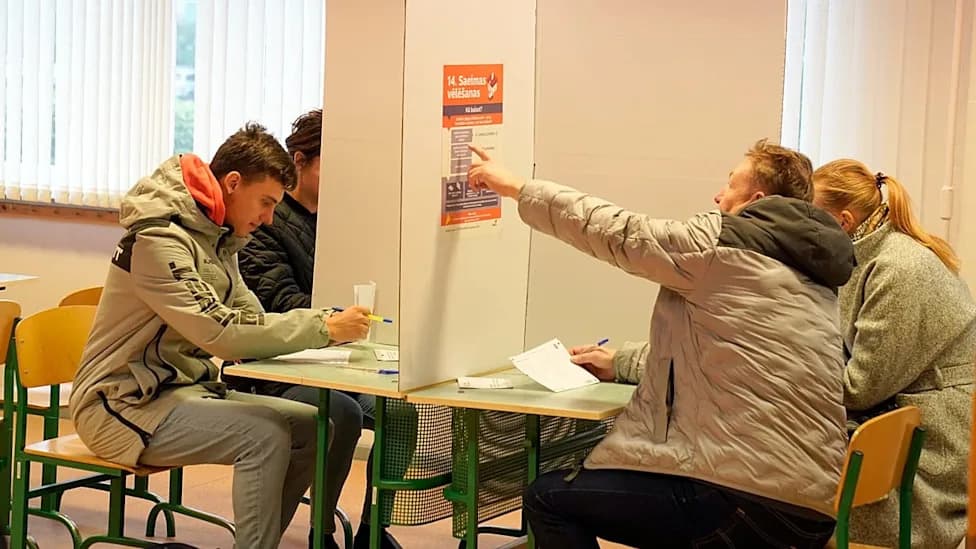
Latvians vote in parliamentary election amid concerns over rising cost of living and Russia
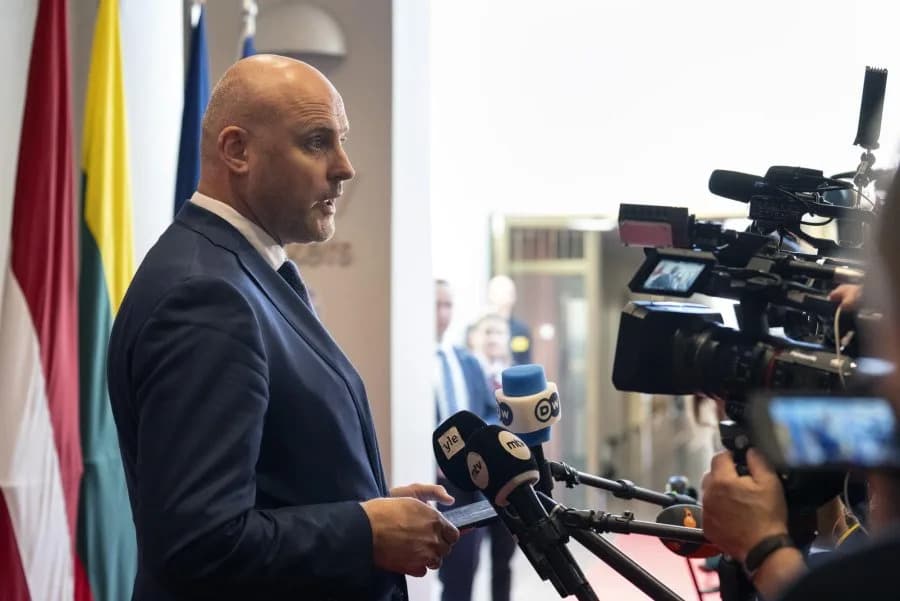
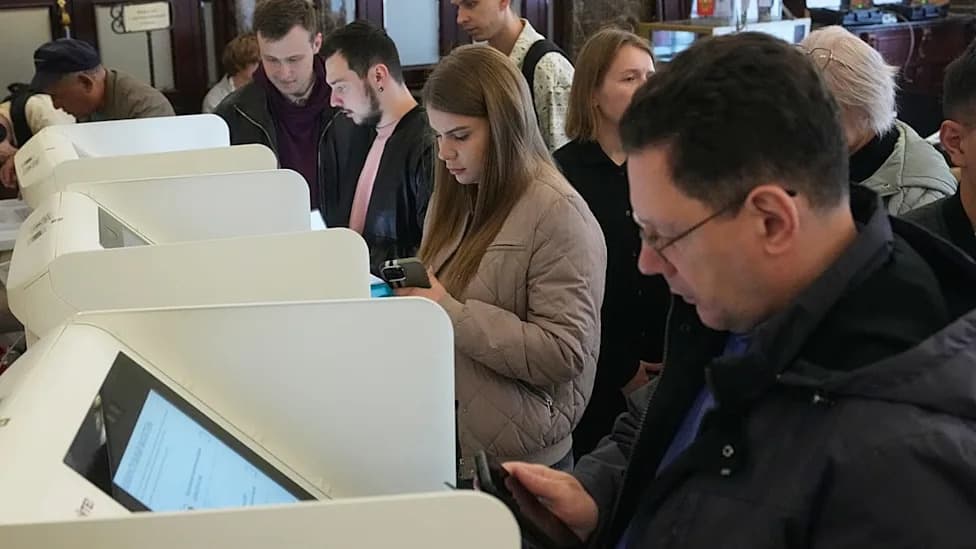
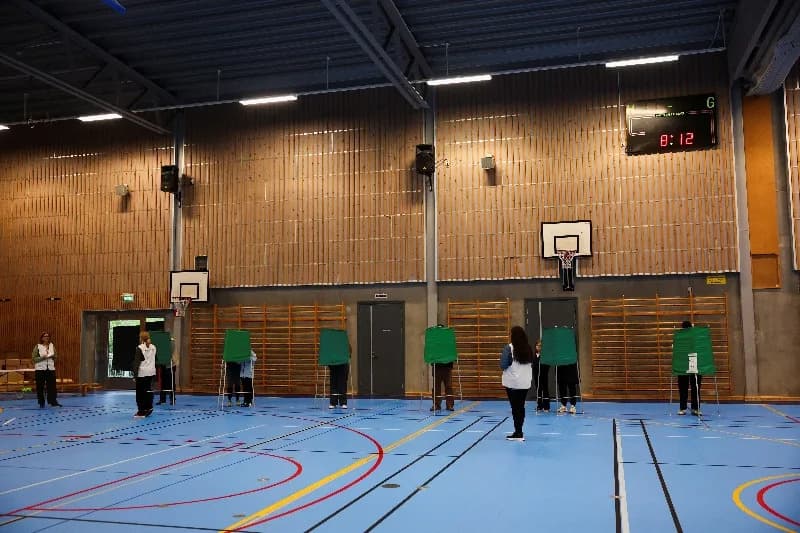
Polls opened on Saturday as Latvia holds a parliamentary election dominated by worries about a neighbouring Russia and an escalating cost‑of‑living crisis. About 1.5 million people are eligible to vote in the contest for the Saeima’s 100 seats.
Election Snapshot
Fourteen parties are competing under a proportional representation system. Partial counts are expected on Saturday evening, with preliminary official results due on Sunday. Polls predict the centre‑right United List, led by Prime Minister Andris Kulbergs, will be the largest party, though its governing coalition is widely expected to be weakened by the vote.
Main Issues: Security And The Economy
Security is at the forefront for many voters. As a Baltic state on NATO’s eastern flank that was under Moscow’s rule for much of the 20th century, Latvia’s voters and political class broadly back strong defence policies and continued support for Ukraine.
“The stance towards Russia is the main reason for Latvians' Western, NATO and European anchoring,” a Western diplomat in Riga said, adding that major foreign‑policy shifts are unlikely.
Roberts Kits of the LaSER think tank says defence and security "will be the priority," noting broad consensus on keeping military spending close to five percent of GDP.
Economic Strain And Regional Disparities
Economic concerns are equally pressing. Latvia remains the least affluent of the three Baltic states in living‑standard measures despite EU membership gains since 2004. Voters cite sluggish growth, rising living costs, pressure on healthcare and tight public finances.
Regional inequality is stark: around Riga, GDP per capita reached 101% of the EU average in 2024, while many other regions remain below 50%. The eastern region of Latgale faces accelerating depopulation and limited economic prospects; Daugavpils, the country’s second‑largest city, is roughly 90% Russian‑speaking.
“The most important thing is the lack of young people and the lack of good jobs,” said Aigars Soikants, a 30‑year‑old Daugavpils resident. “There isn't enough work. People are leaving.”
Political Landscape And Populist Momentum
Alongside mainstream parties, populist movements have made gains amid economic frustration. The Sovereign Power (Suverena vara, SV) party — critical of aid to Ukraine and rising defence spending — is polling at about nine percent. Its critics label it pro‑Russian, though it is politically isolated and unlikely to join a future coalition without a major upset.
Another populist contender, Latvia First (LPV), also polls near nine percent. Led by businessman Ainars Slesers and running a conservative, economy‑focused message, LPV could become an important coalition partner depending on post‑vote negotiations.
“The big question is whether the United List will cooperate with Slesers' party,” observed political analyst Sigita Struberga.
Historically dominant among Russian‑speaking voters, the Harmony party is a diminished force after falling out of parliament in 2022 and is unlikely to return this cycle. Analysts warn against treating Russian‑speaking voters as a single bloc; many now vote based on economic and social issues rather than identity alone.
What To Watch
Key developments to monitor after polls close include the scale of losses or gains for the current coalition, the final tallies for SV and LPV, and whether any single bloc can form a stable government without relying on fringe partners. Regional turnout and shifts in Russian‑speaking areas such as Latgale will also shape coalition math and policy priorities on both defence and domestic welfare spending.
Help us improve.