Sweden's election produced a narrow lead for the left‑wing opposition but left the parliamentary balance uncertain while some votes remain to be counted. Both Magdalena Andersson and outgoing PM Ulf Kristersson said they will explore coalition options, yet deep ideological divides — notably involving the Centre and Left parties — make government formation likely to take weeks and require concessions. The anti‑immigration Sweden Democrats slipped to 17.6%, and a parliamentary confirmation vote for a new prime minister cannot take place before Sept 29.
Sweden Faces Prolonged Uncertainty After Tight Election as Far‑Right Loses Ground
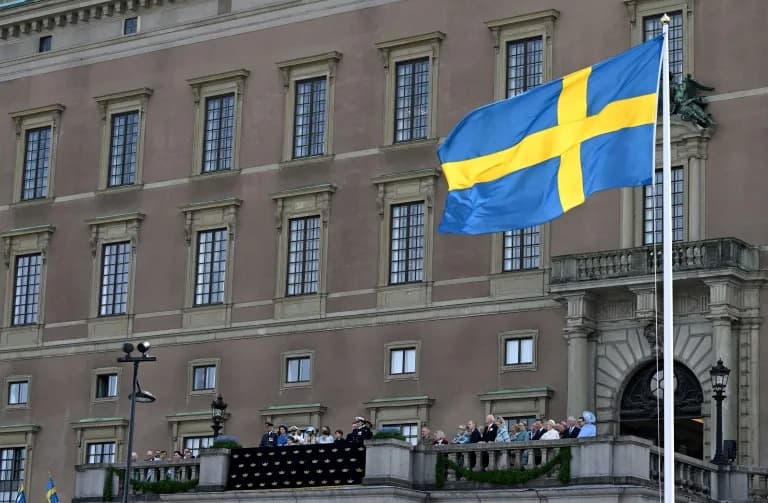
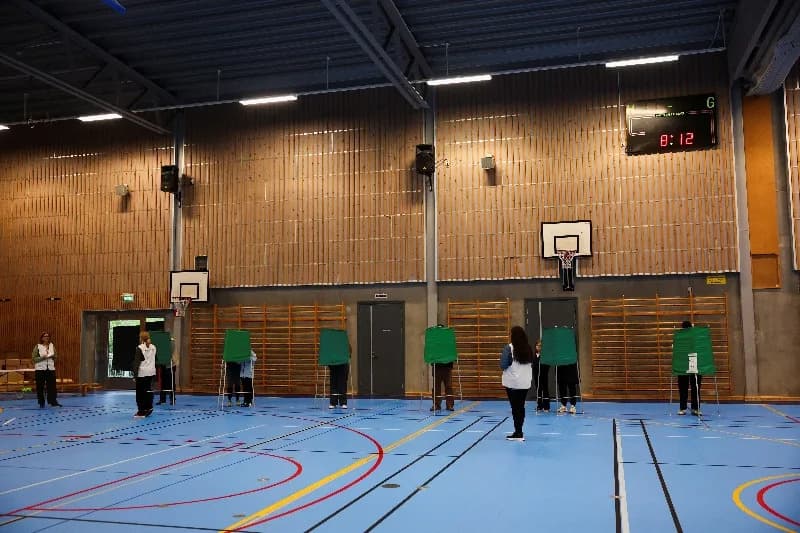
Results of the Swedish election remained too close to call on Monday (Jonathan Nackstrand)
Sweden entered a period of political uncertainty on Monday after a razor‑thin election left the left‑wing opposition with a narrow lead while some ballots remained uncounted.
With about 95% of votes tallied, the four opposition parties held a slim three‑seat advantage in the 349‑seat Riksdag, but officials warned the balance could still shift because certain categories of votes were not due to be counted until later in the week.
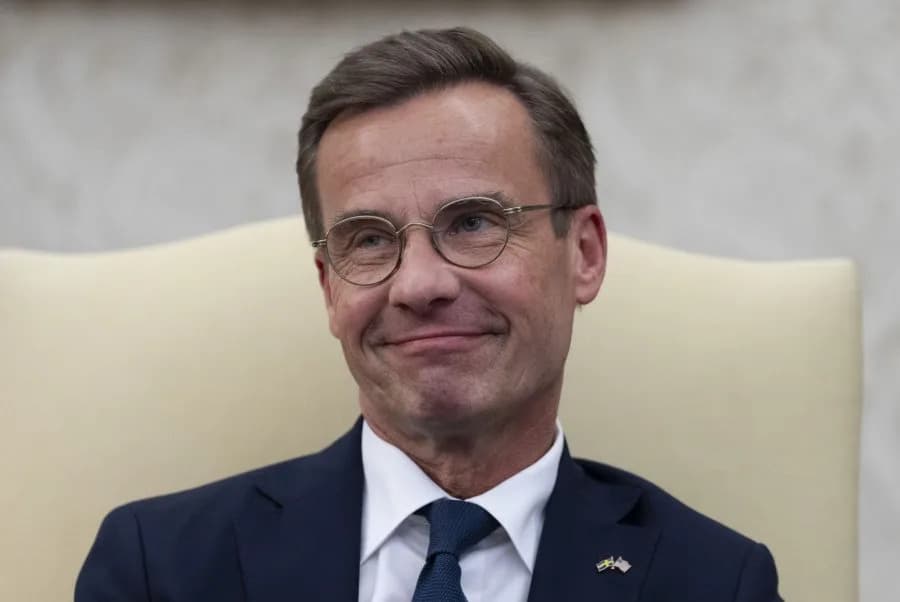
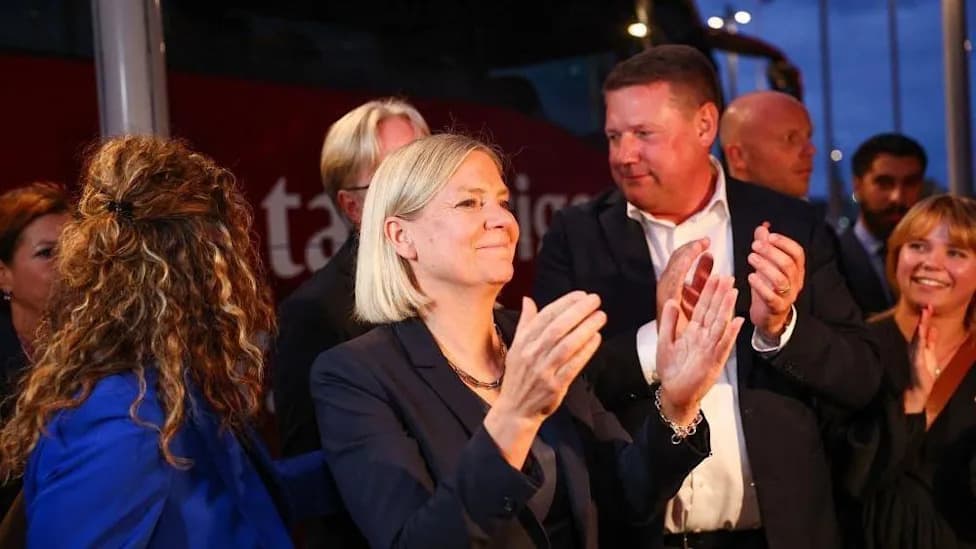
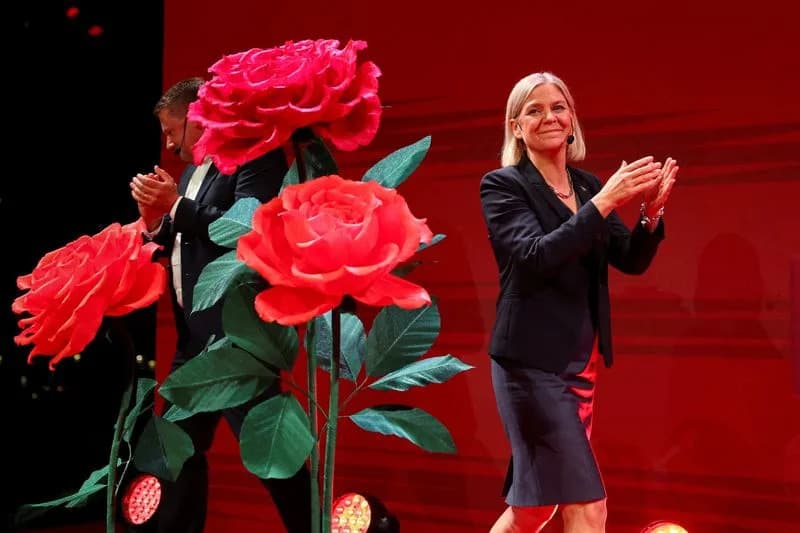
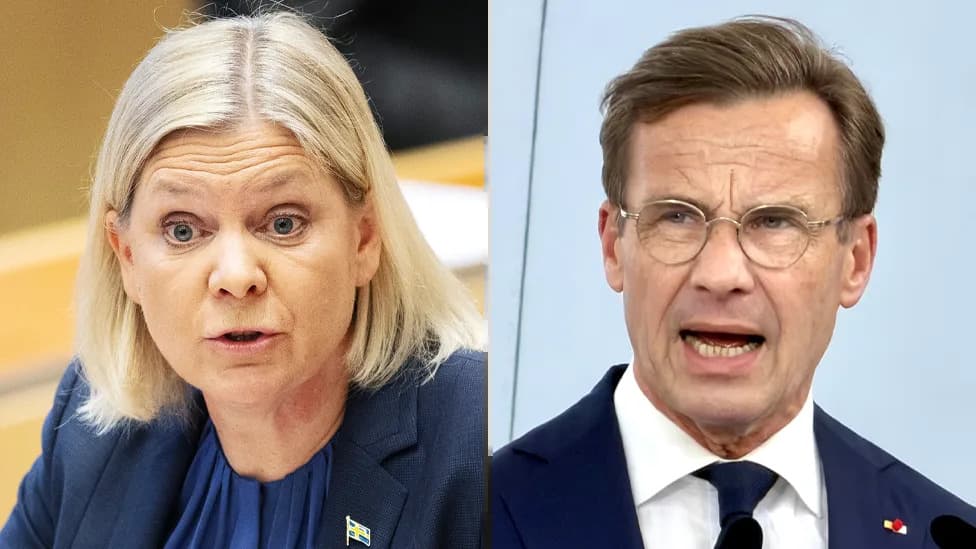
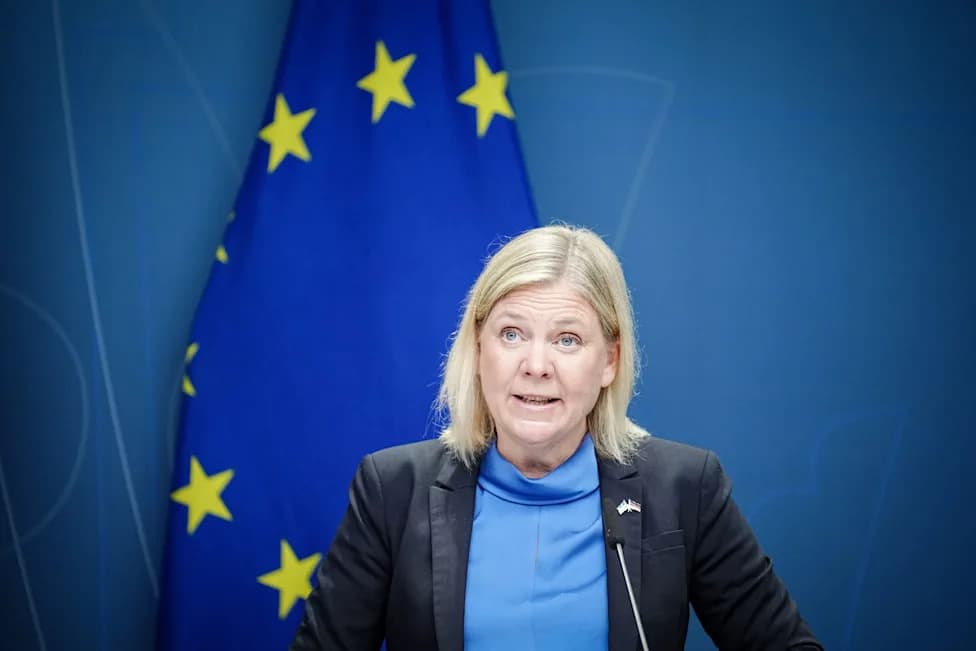
Both Magdalena Andersson, leader of the Social Democrats and the left‑wing bloc, and outgoing conservative Prime Minister Ulf Kristersson said they would explore coalition options — yet both sides would likely have to make significant concessions to secure a majority.
Negotiations Expected to Be Difficult
Analysts said talks to form a government were likely to be protracted and politically painful. Mats Knutson of public broadcaster SVT cautioned the blocs could reach a "stalemate that paves the way for a long and troublesome process of forming a government, which could end in a snap election." He added, "One or several parties may have to abandon their 'red lines'."
"The situation is really tight, and it's been more and more polarised in Sweden the last years," said 48‑year‑old construction worker Mikko Duvaldt. "It's going to be a tough situation for each side to form a government."
Parliament can hold a confirmation vote for a new prime minister on September 29 at the earliest. By comparison, government formation took 37 days after the 2022 election and 134 days after the 2018 vote.
Fractured Blocs and Lingering Red Lines
If the left‑wing advantage holds, Andersson would seek to govern with the Greens, the Left Party and the Centre Party. But ideological differences run deep: the Centre Party has said it will not support any government that includes the Left Party, and the Left Party has insisted it will not back a government of which it is not a member.
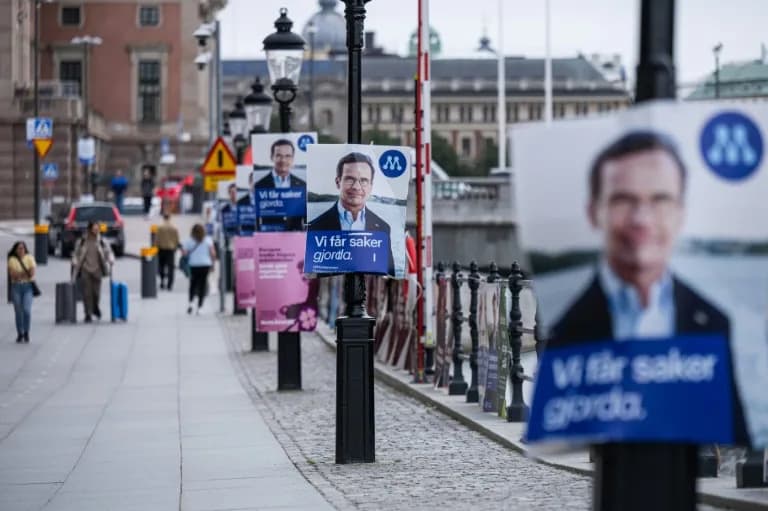
Kristersson is expected to approach the Centre Party to try to rebuild a non‑socialist majority. "I will therefore, even if tonight's result stands, examine whether there are any possibilities within this non‑socialist parliamentary majority to find some workable government constellation," he told supporters on election night.
Annika Freden, associate professor of political science at Lund University, said the Centre Party is unlikely to enter an alliance with the far right, limiting Kristersson's options. She added she expected parties would try to avoid a new vote, given Sweden's strong culture of negotiation.
Far‑Right Sweden Democrats Lose Support
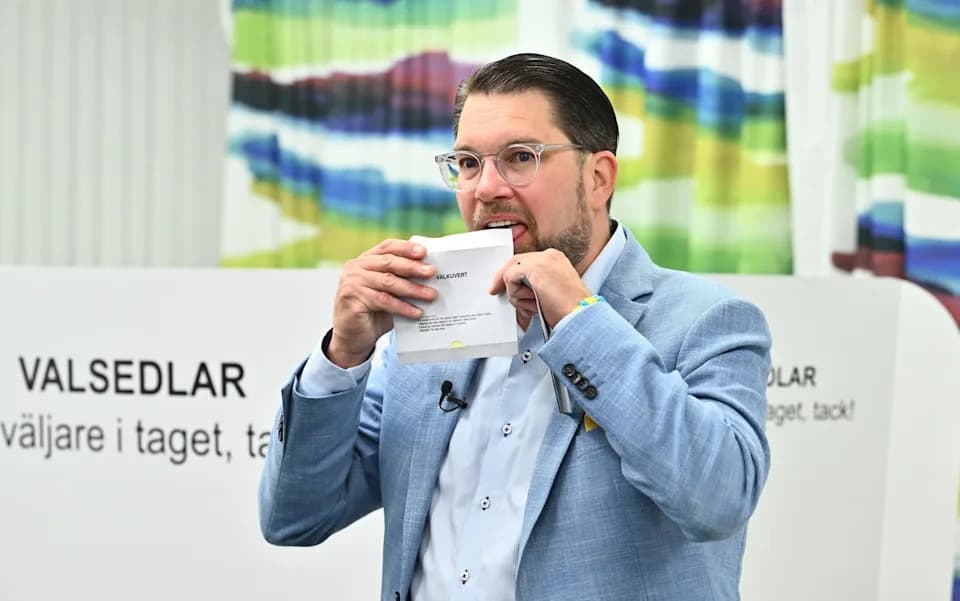
The anti‑immigration Sweden Democrats fell to 17.6%, down from more than 20% four years ago, dropping them to third place behind the Social Democrats and Kristersson's Moderates. Observers attributed the decline to mainstream parties adopting tougher migration and crime policies, narrowing the Sweden Democrats' unique appeal.
Analysts also noted the Sweden Democrats have struggled to broaden their platform beyond migration issues.
Reporting compiled from AFP. cbw‑po/jll/yad
Help us improve.