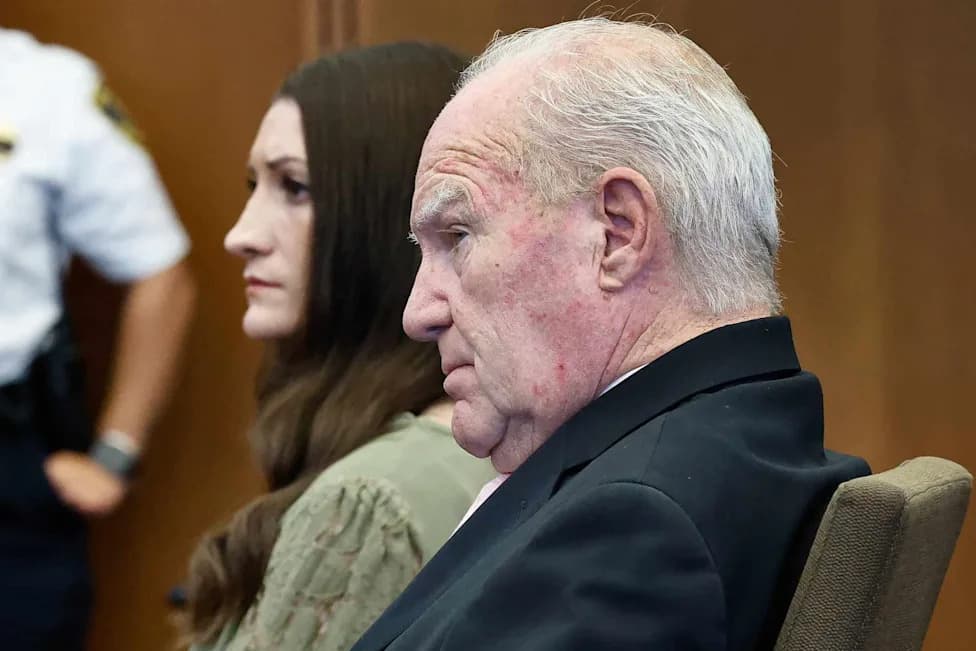
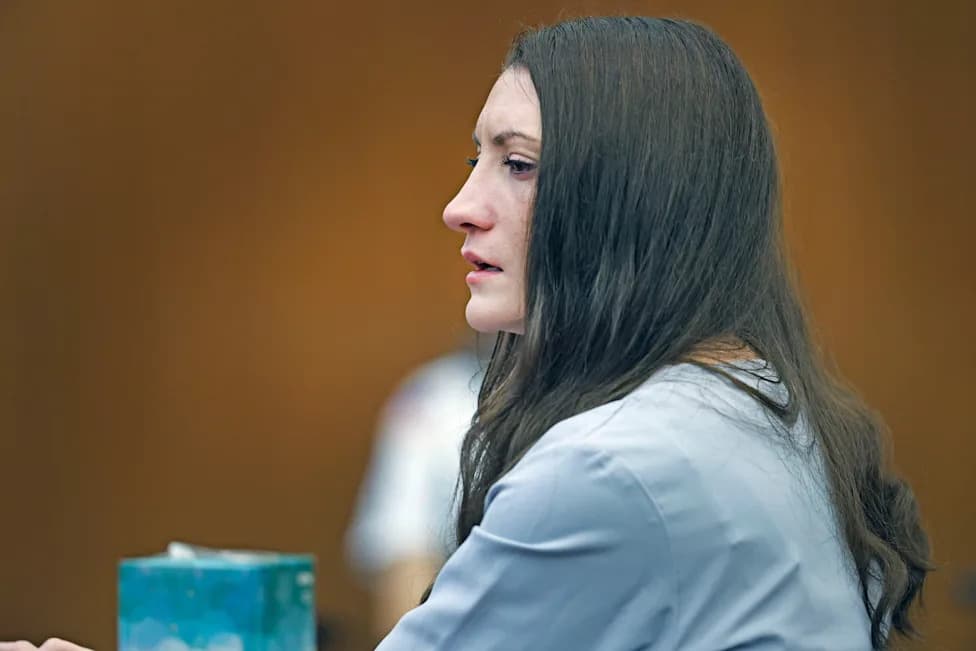
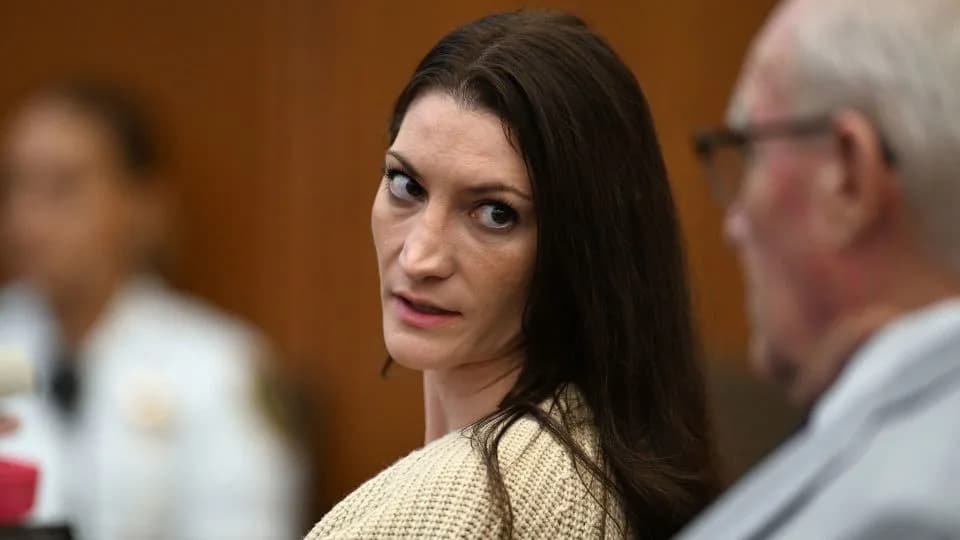
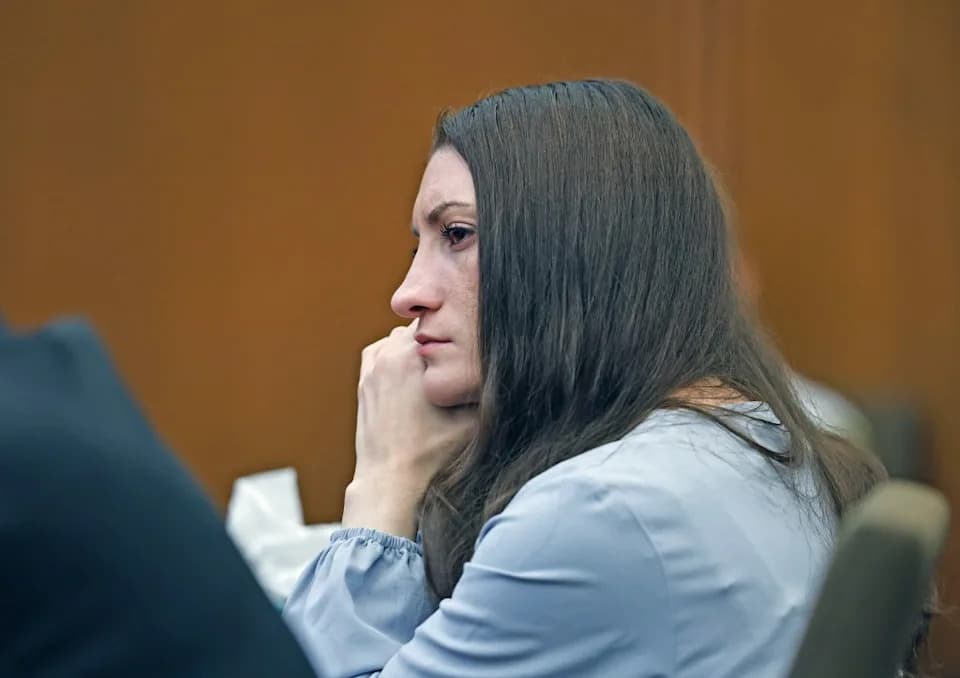
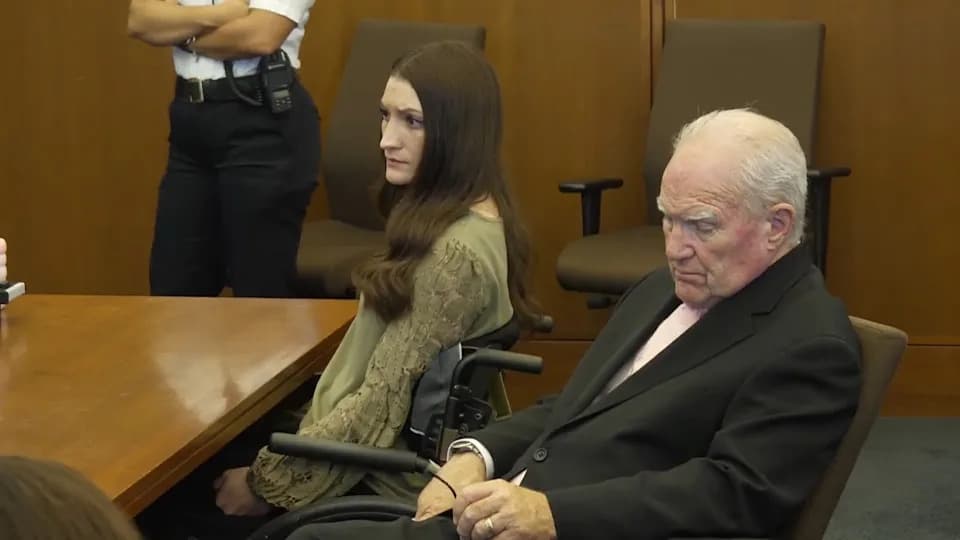
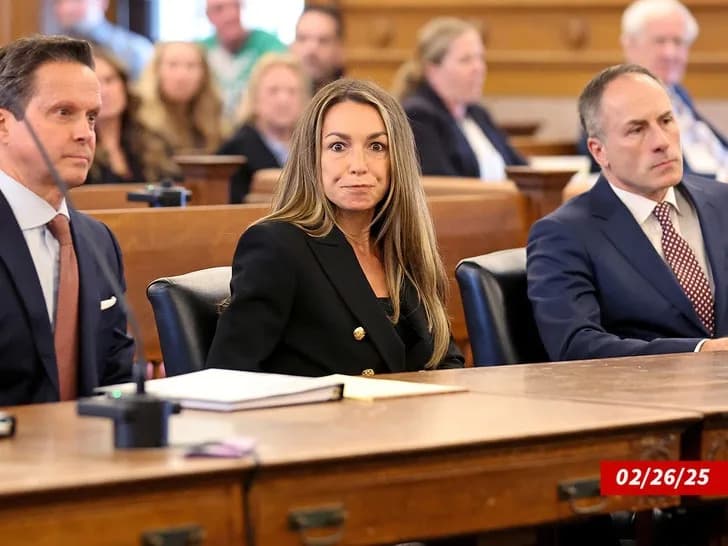
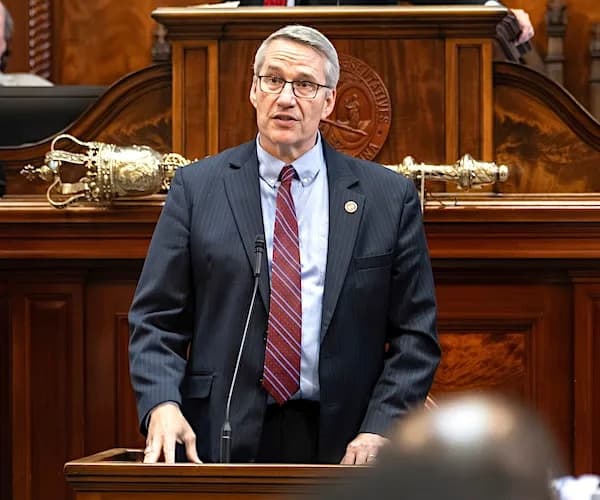
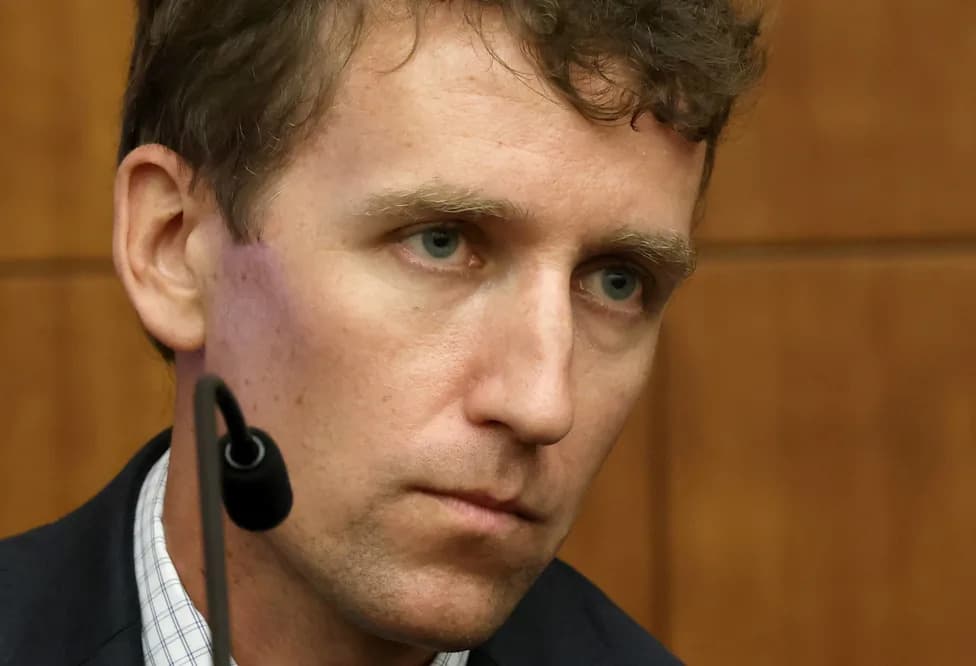
The Lindsay Clancy murder trial ended in a mistrial after a single juror held out during reportedly seven days of deliberations, producing an 11‑1 split in favor of a not‑guilty‑by‑reason‑of‑insanity verdict. NBC10 Boston published an investigation compiling public records and family interviews about the anonymous holdout — reporting allegations of domestic violence, a restraining order and an eviction case — and critics have accused the outlet of doxxing and conducting a "witch hunt." The controversy has prompted debate over juror privacy and media ethics; Clancy's lawyer has filed a motion for acquittal and a Sept. 29 status conference will determine whether prosecutors will retry the case.
Investigation Into Anonymous Lindsay Clancy Holdout Juror Sparks 'Witch Hunt' and Doxxing Fears
Katrin Bolovtsova | Pexels
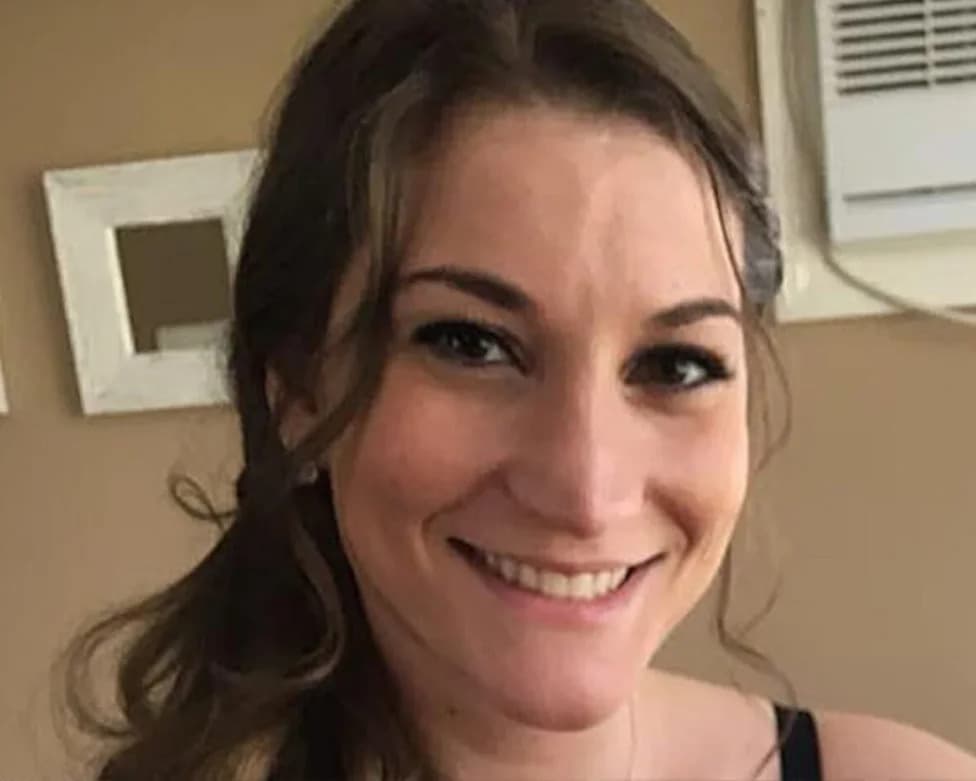
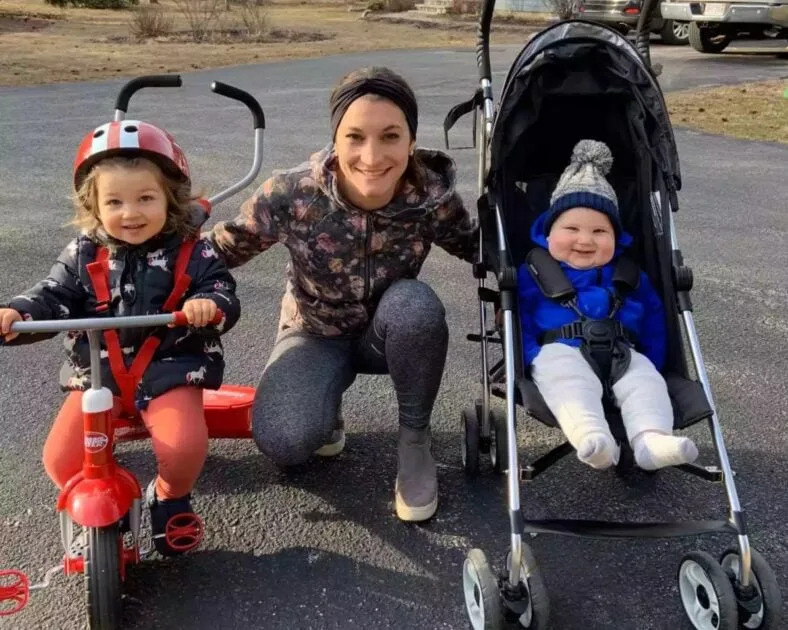
The high‑profile murder trial of Lindsay Clancy ended in a mistrial after one juror refused to join the majority during seven days of deliberations, preventing a unanimous verdict. Media coverage has since focused on that lone holdout, and a recent local investigation that published details about his background has reignited questions about juror privacy and newsroom ethics.
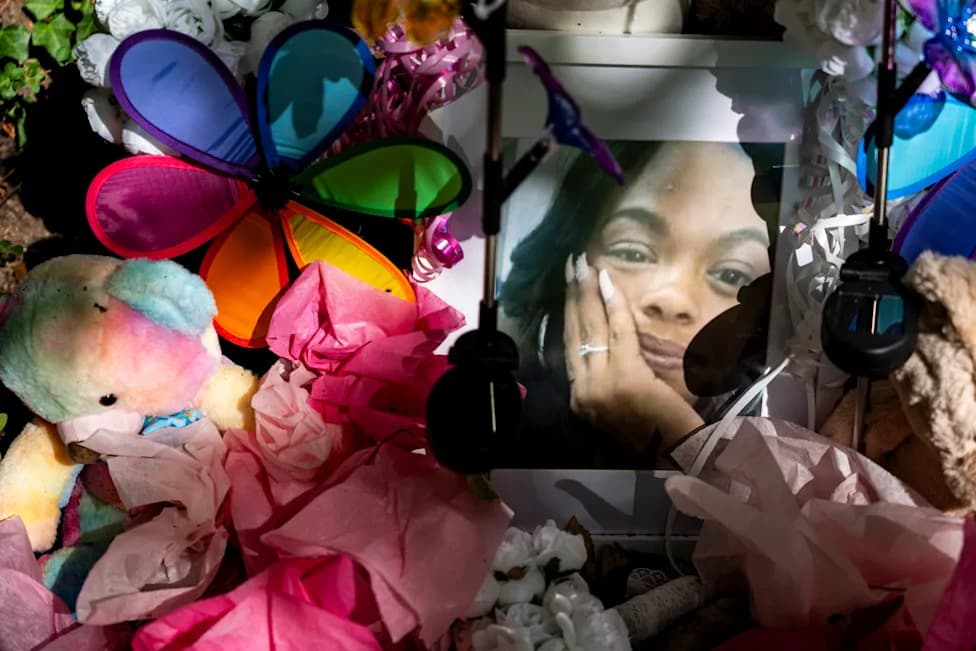
Facebook | Lindsay Clancy
What Happened In Court
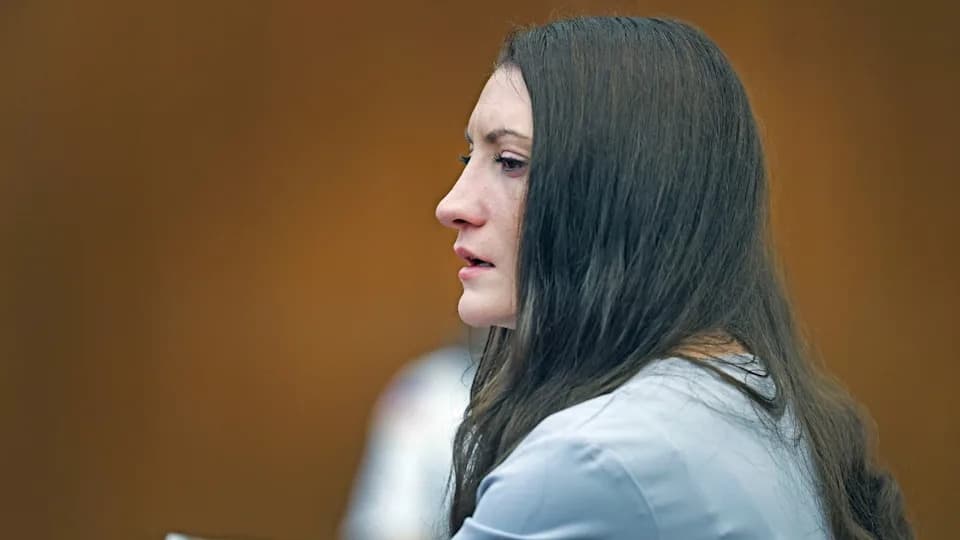
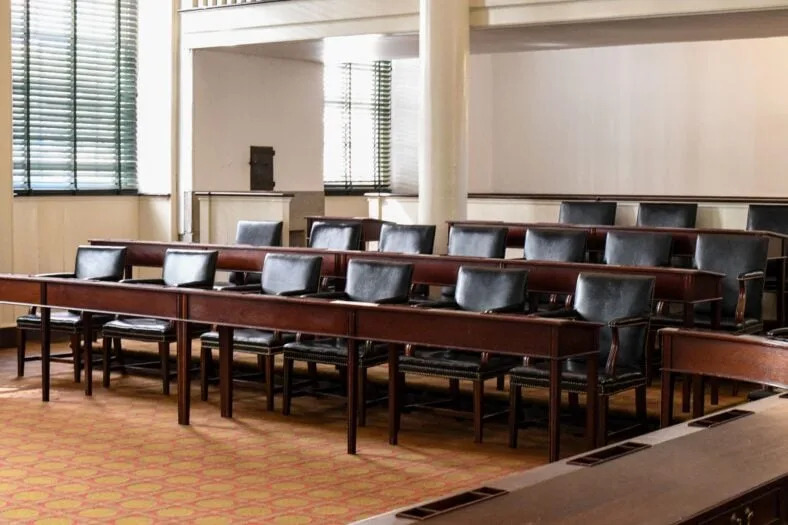
Jurors reportedly deadlocked 11‑1 in favor of a verdict of not guilty by reason of insanity. Because the panel could not reach unanimity, Superior Court Judge William F. Sullivan declared a mistrial.
A G | Pexels
The Media Investigation
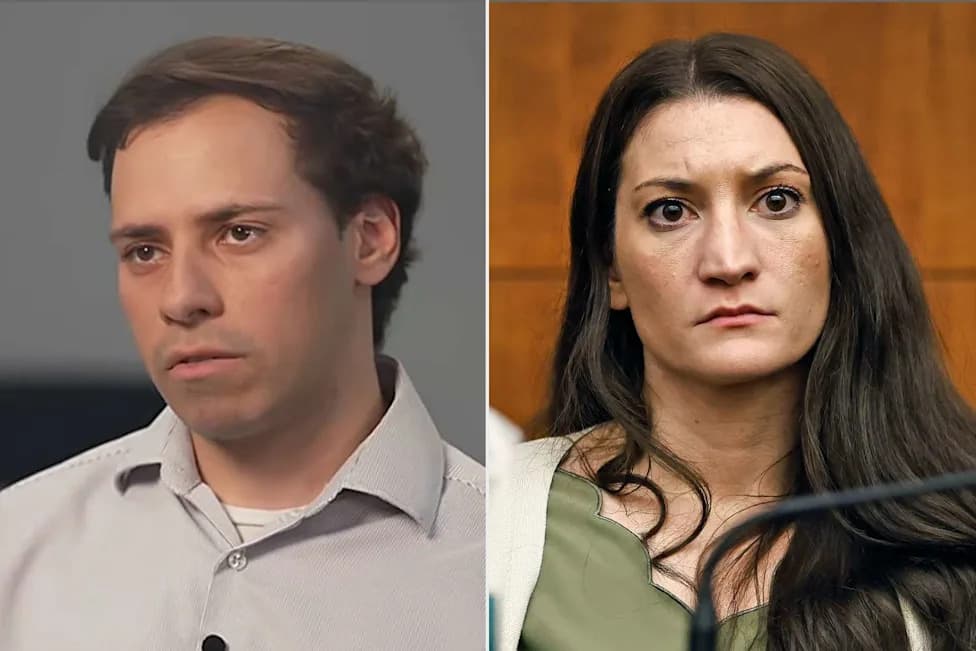
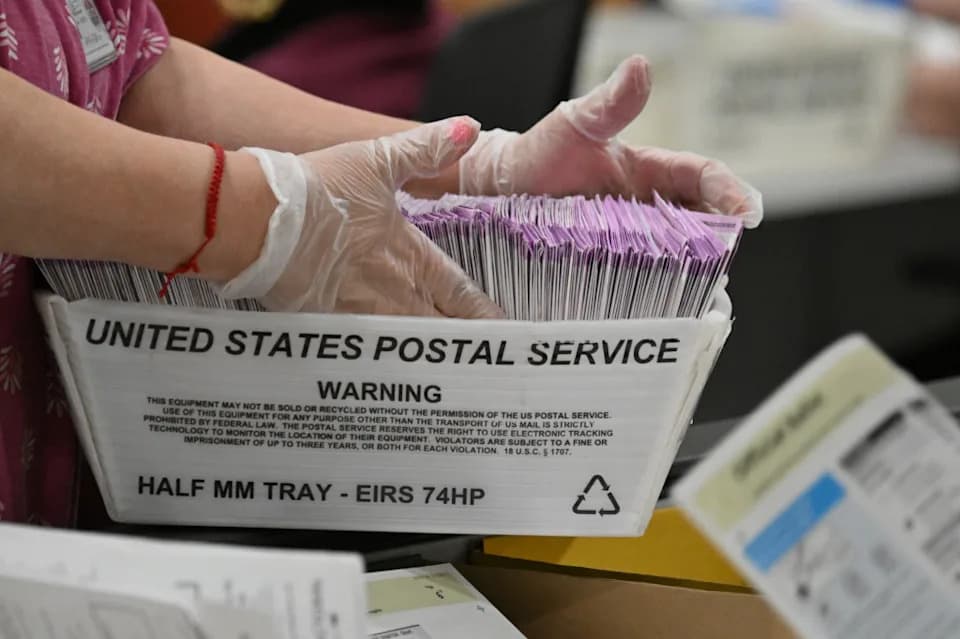
NBC10 Boston published a report that assembled public records and interviews related to the anonymous holdout juror. The station said it did not publish his name but reported allegations that the juror has faced domestic‑violence claims, is subject to a restraining order and is involved in an active eviction case. The story included interviews with family members and references to court filings.
Facebook | Lindsay Clancy
Responses And Concerns
The station noted Judge Sullivan ordered the jury list sealed for 14 days to reduce the risk of intimidation, harassment or harm following the high‑profile case. Still, critics from across the political spectrum accused the outlet of effectively doxxing the juror by aggregating identifying details.
“So the media can interview the 11 who wanted a conviction, but when the ONE holdout refuses to fold, suddenly it's time to put him under a microscope? That's not journalism. That's a f—ing witch hunt,” one commenter wrote.
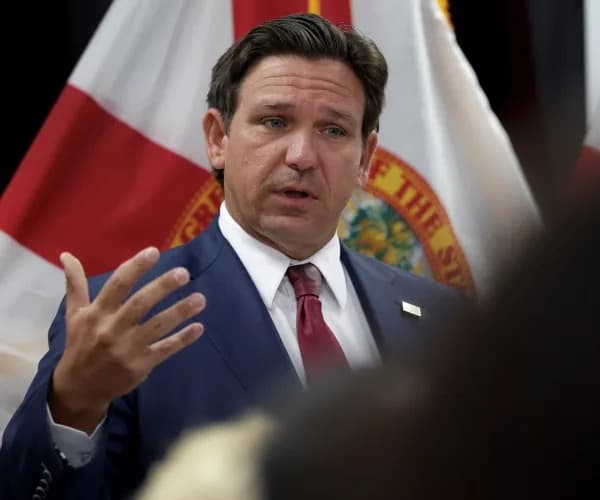
Florida Governor Ron DeSantis publicly criticized the report, saying it was "trying to smear" the juror and offering that Florida would provide asylum if the juror were harassed. Legal commentators also raised questions about whether the juror fully disclosed his background on the jury questionnaire; NBC10 Boston's legal analyst Michael Coyne suggested such disclosures could have affected whether he was seated.
Legal Aftermath
In the wake of the mistrial, Lindsay Clancy's lead attorney, Kevin Reddington, filed a motion asking Judge Sullivan to enter a verdict of not guilty, arguing the prosecution failed to prove Clancy was sane beyond a reasonable doubt. A status conference is scheduled for September 29, when prosecutors are expected to indicate whether they will retry the case.
Why This Matters
The controversy highlights a clash between the public's interest in high‑profile criminal proceedings and the legal and ethical duty to protect juror anonymity and safety. Even when information is drawn from public records, aggregating it in the context of an anonymous juror can increase the risk of identification and harassment — raising tough questions for newsrooms and courts alike.
Help us improve.