Trump has claimed a newly announced agreement would give the US majority control of 65 billion barrels from 17 Venezuelan fields, a claim many analysts call legally and practically dubious. Critics argue the deal — reportedly signed under pressure with Delcy Rodríguez — violates Venezuelan rules requiring PDVSA control and names NABEP and Alejandro Betancourt as operators. Experts estimate only ~20 billion barrels may be recoverable, extraction will take years, and the arrangement could entrench an unelected government and invite geopolitical exploitation.
“To the Victor the Spoils”: Trump’s Contested Push To Control Venezuelan Oil
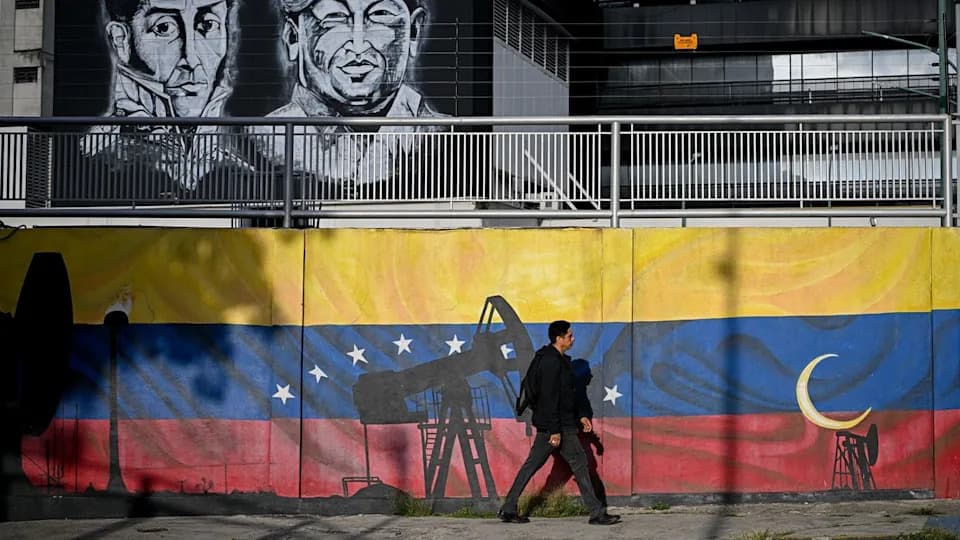
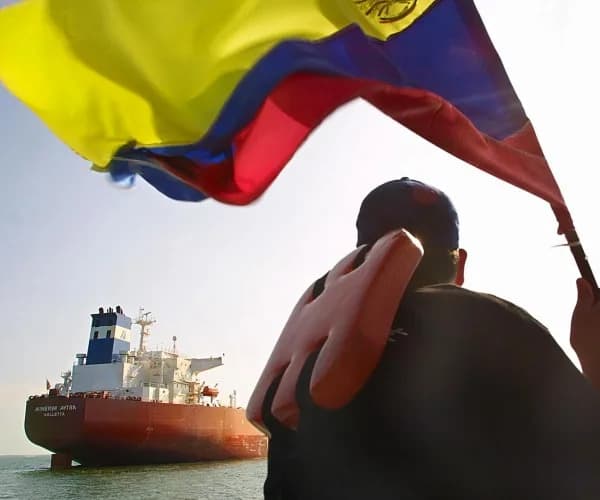
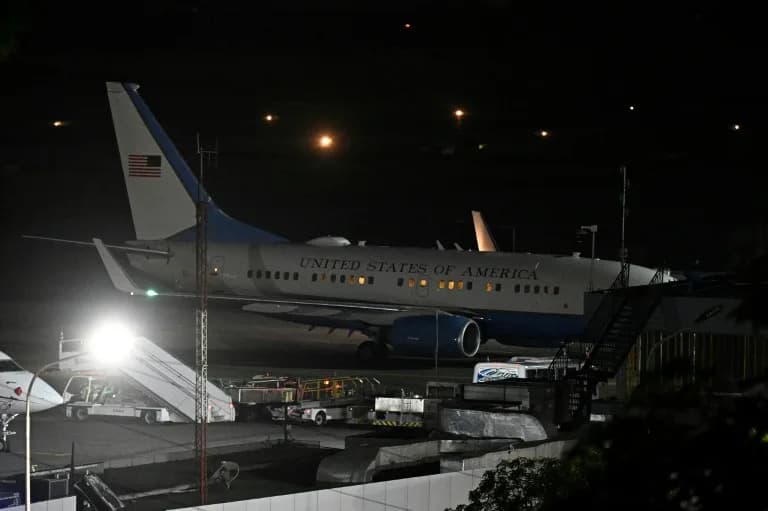
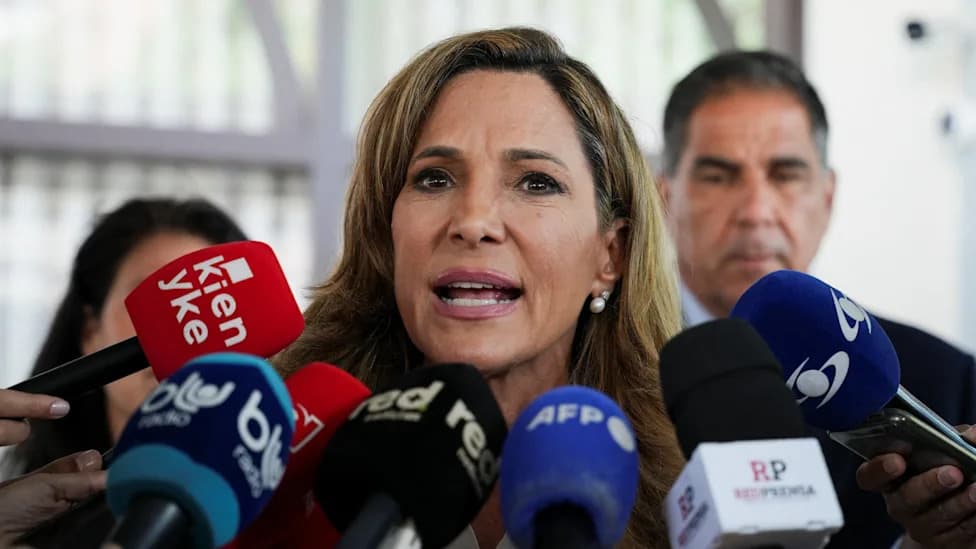
Trump boasted that America would have majority control over 65 billion barrels of oil . | Credit: Federico Parra / AFP / Getty Images
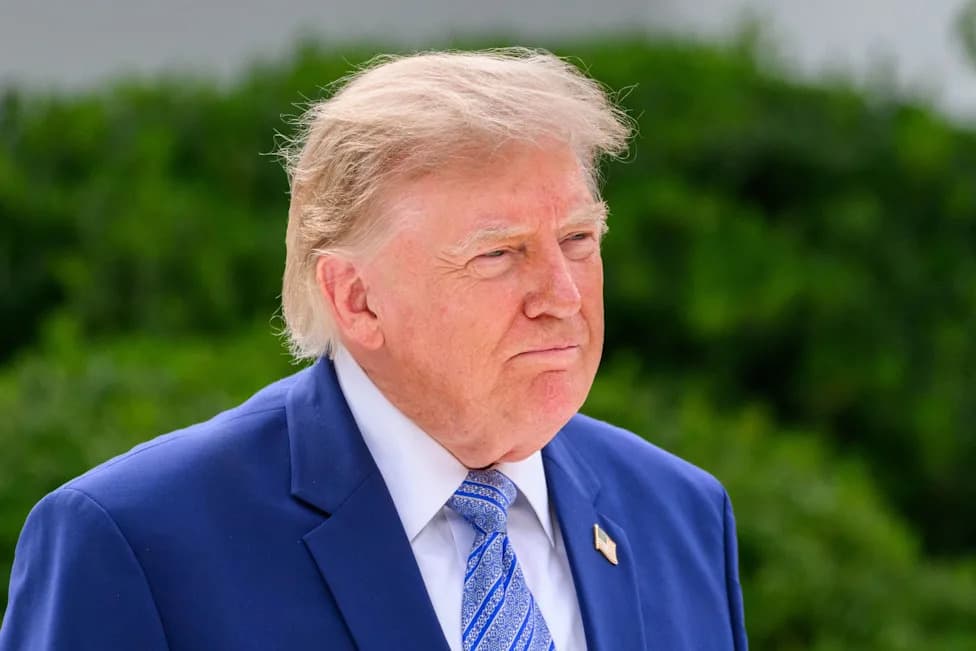
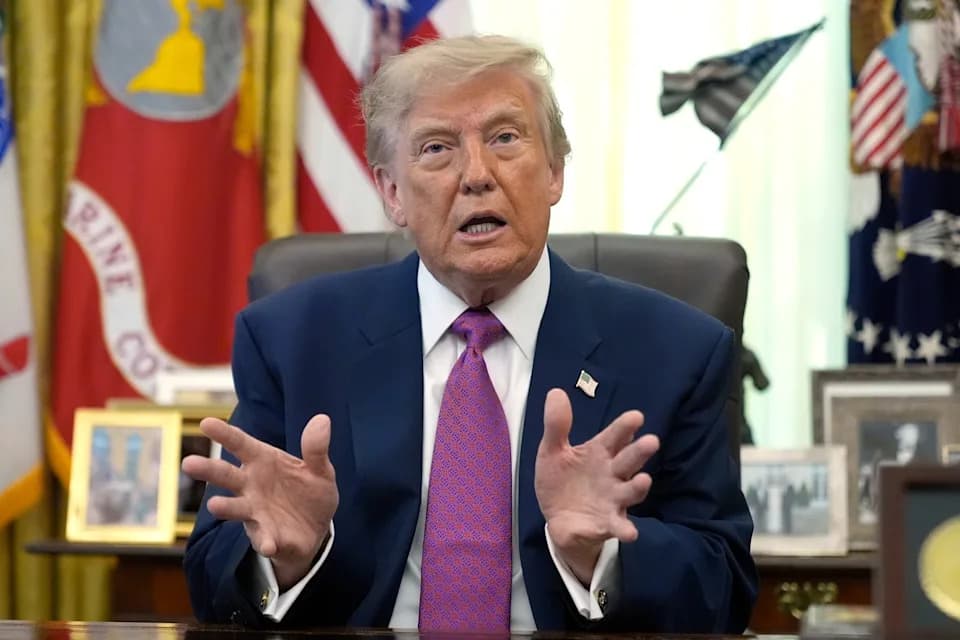
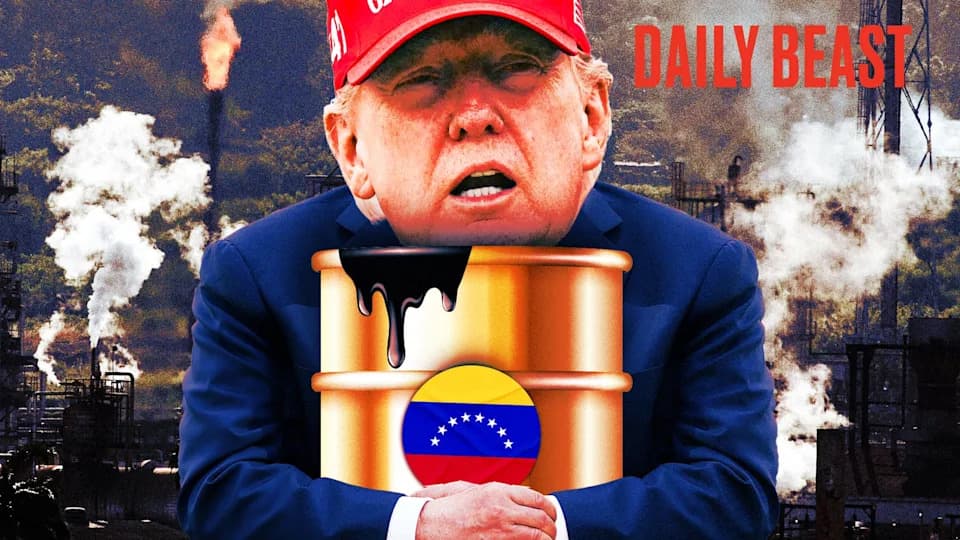
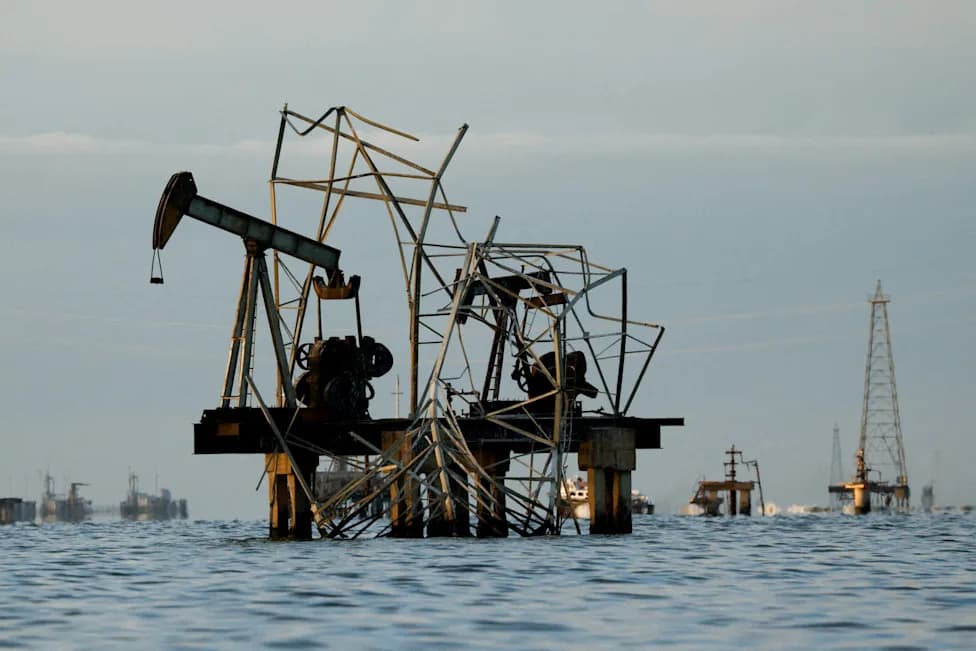
Donald Trump has claimed a new agreement gives the United States majority control of some 65 billion barrels of Venezuelan oil across 17 sites in the Orinoco Belt and Lake Maracaibo — a declaration that international commentators call legally dubious and geopolitically alarming.
What Was Announced
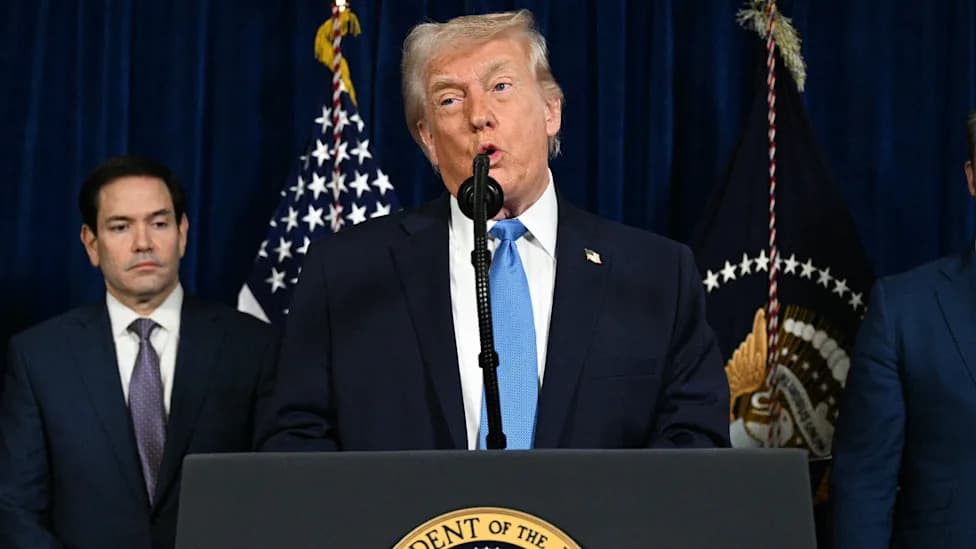
Trump described the arrangement as "THE BIGGEST OIL DEAL IN WORLD HISTORY" in a social media post. According to reports summarising the announced terms, operational control of 17 oil fields would be assigned to a private firm, North American Blue Energy Partners (NABEP), with the Pentagon reportedly holding a 35% stake and receiving 20% of production at cost. The deal was said to promise roughly $209 billion in tax revenue over 25 years.
Le Monde called the move "a predatory move" and likened it to colonial-era seizures.
Political and Legal Concerns
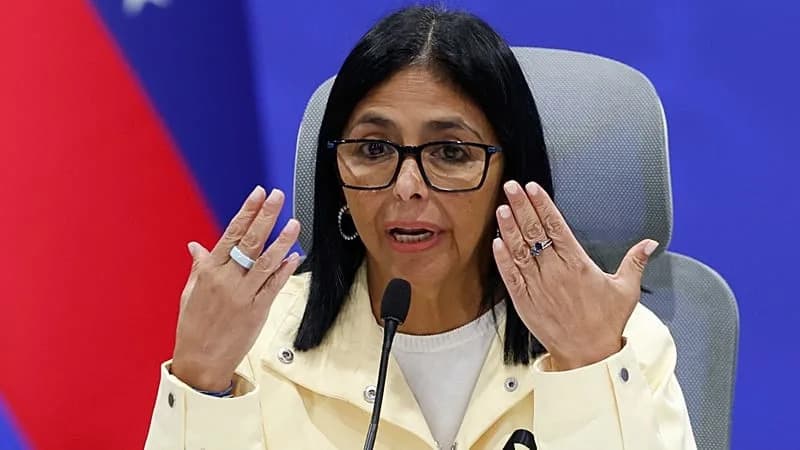
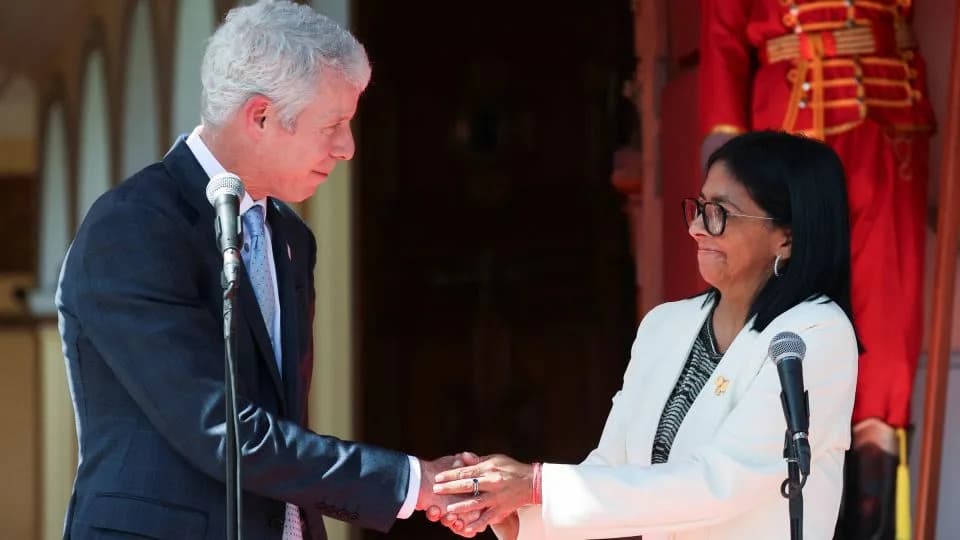
Commentators say the agreement depended on heavy pressure applied to Delcy Rodríguez — described in coverage as Maduro’s former deputy and by critics as an interim leader — to sign away control of state resources. Many Venezuelan outlets and legal analysts call the pact unconstitutional or illegitimate: under Venezuelan law the state oil company PDVSA must retain controlling stakes in domestic oil projects, and critics argue an unelected or non-mandated leader cannot validly alienate state assets.
Opponents warn the arrangement could entrench an undemocratic regime and diminish prospects for a return to democratic rule in Venezuela. Some observers also say such a move could encourage other powers to exploit or seize assets from weaker neighbours.
Questions About The Players
Reports identify NABEP’s Venezuelan principal as Alejandro Betancourt, a businessman who amassed wealth during the Chávez era and who has been linked by critics to corruption allegations; he is reportedly under investigation in Spain. That history has prompted alarm about transparency and governance around any major energy deal.
Practical And Economic Doubts
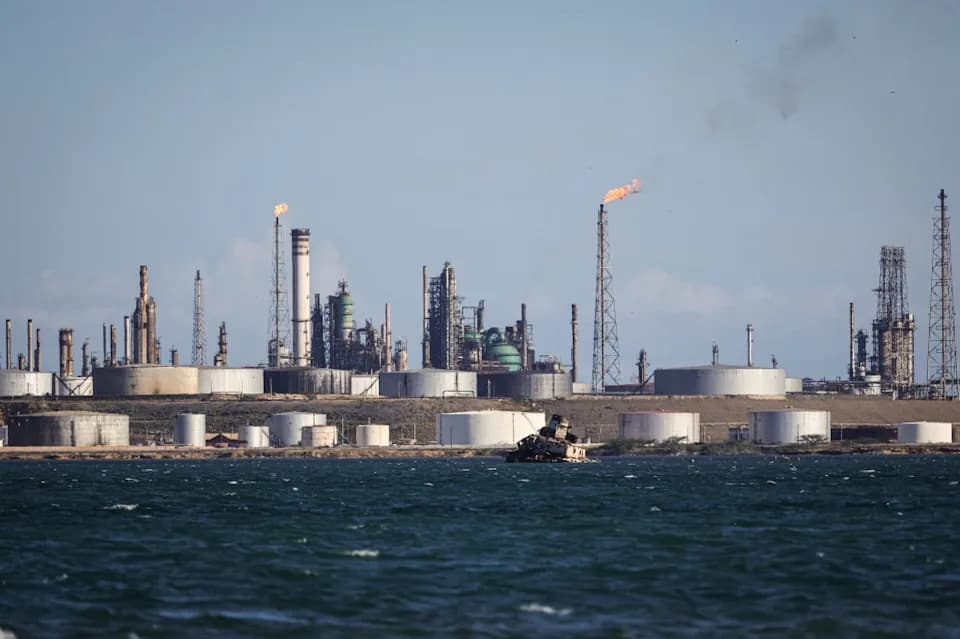
Energy analysts point out deep practical obstacles. Despite holding roughly 17% of the world's proven oil reserves, Venezuela today produces only about 1% of global crude — a reflection of decayed infrastructure after years of mismanagement. Experts cited in coverage estimate only about 20 billion barrels of the claimed 65 billion would likely be recoverable from the 17 fields, and extracting them will require years and very large investments.
Major oil companies remain cautious. Chevron — which still operates in Venezuela — separately pledged $7 billion in investment over five years, but many other firms that suffered losses after earlier nationalisations have been reluctant to return.
Verification And Disputed Claims
Some media reports referenced a dramatic US operation in Caracas earlier in the year; those accounts and other politically charged claims have been disputed and remain contested. Several observers emphasise that until full texts of any agreement are published and independently verified, key details — including the legal mechanisms, exact ownership stakes and enforceability — should be treated with caution.
Bottom Line
Even if the headline figure of 65 billion barrels attracts attention, legal, financial and technical realities make the deal highly uncertain. The pact faces probable legal challenges in Venezuela, large investment needs for recovery, and significant political backlash domestically and internationally.
Help us improve.