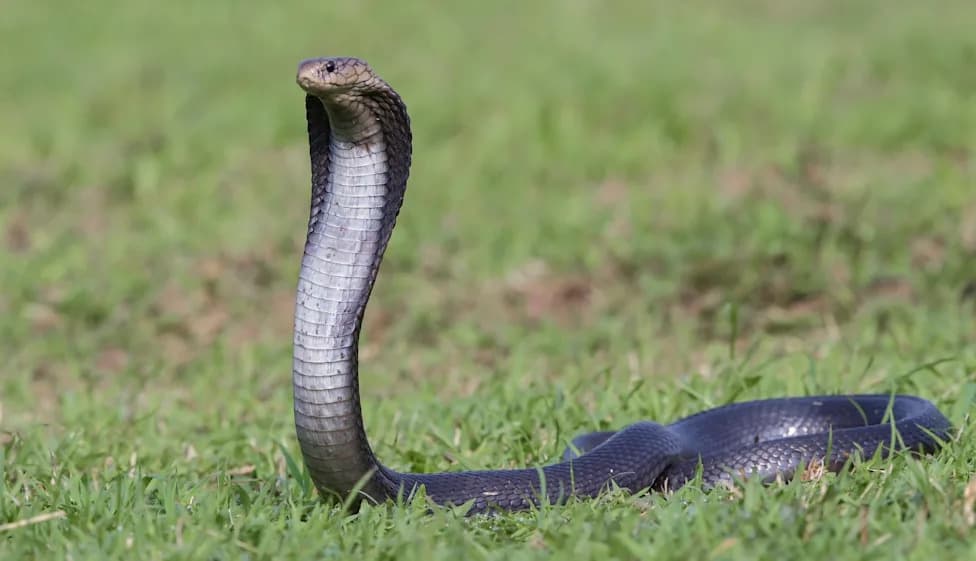
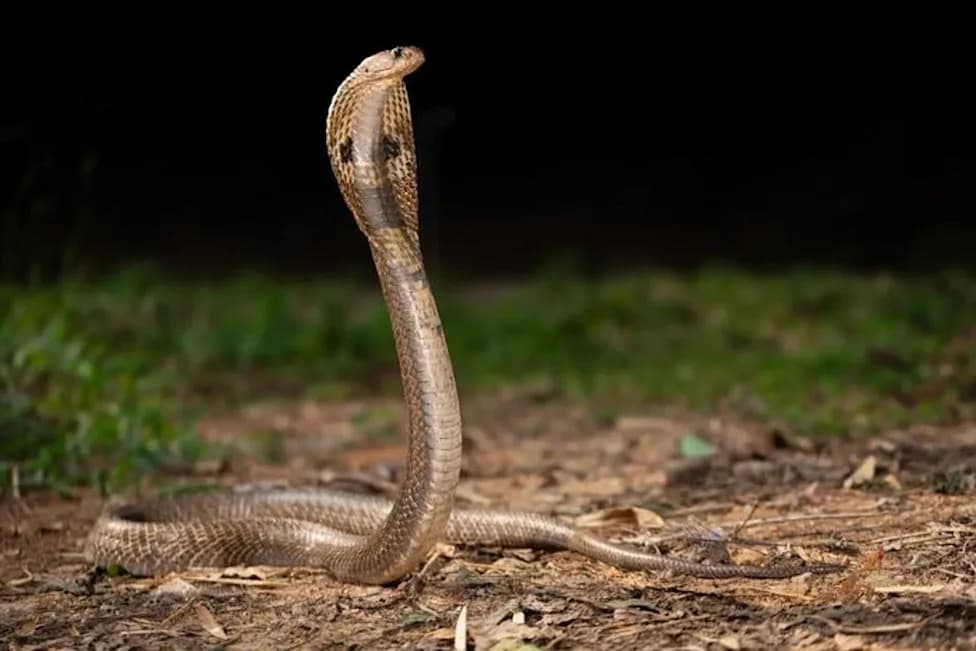
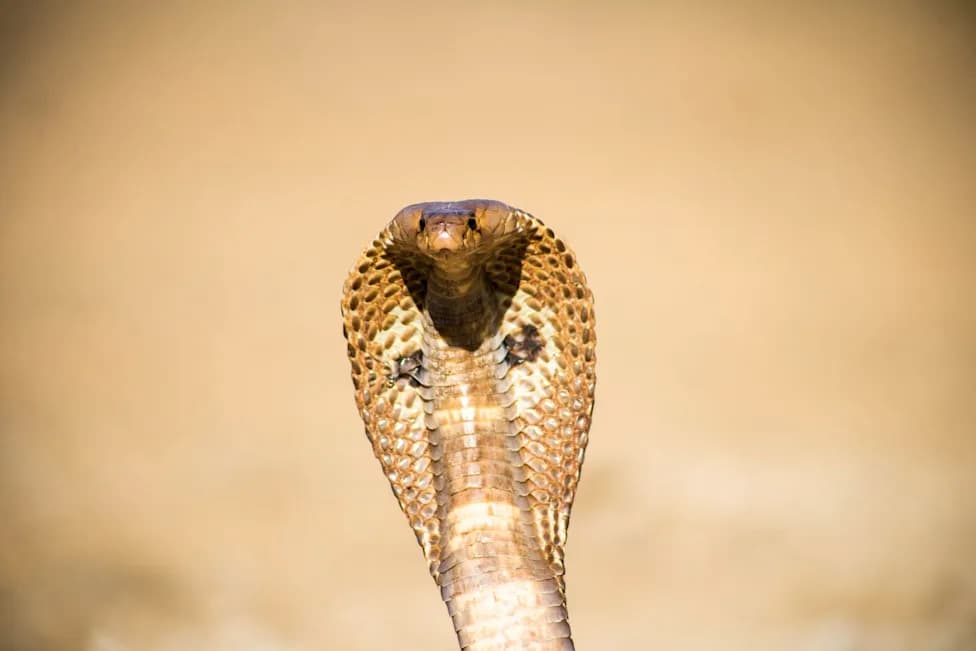
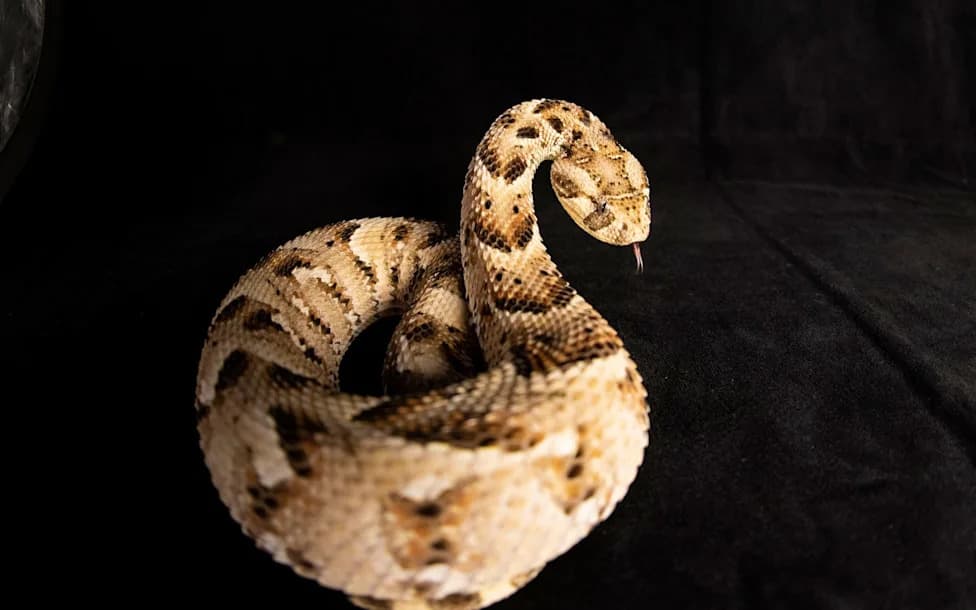
Researchers have linked two deaths in Himachal Pradesh’s Chamba district to the Caspian (Central Asian) cobra, Naja oxiana, marking the first reported fatalities from this species in India. The peer-reviewed cases — led by Dr. Omesh Kumar Bharti and supported by ICMR — occurred on July 6, 2020 and July 7, 2021 when two men were bitten while working outdoors and later died at local hospitals. Genetic tests had confirmed N. oxiana in the district in 2019, and investigators warn the cobra may be moving to lower elevations, increasing risk for farmers and residents; they recommend protective footwear and immediate medical care after suspected bites.
Caspian (Central Asian) Cobra Tied to First Fatal Bites in India as Species Expands Into Himalayas
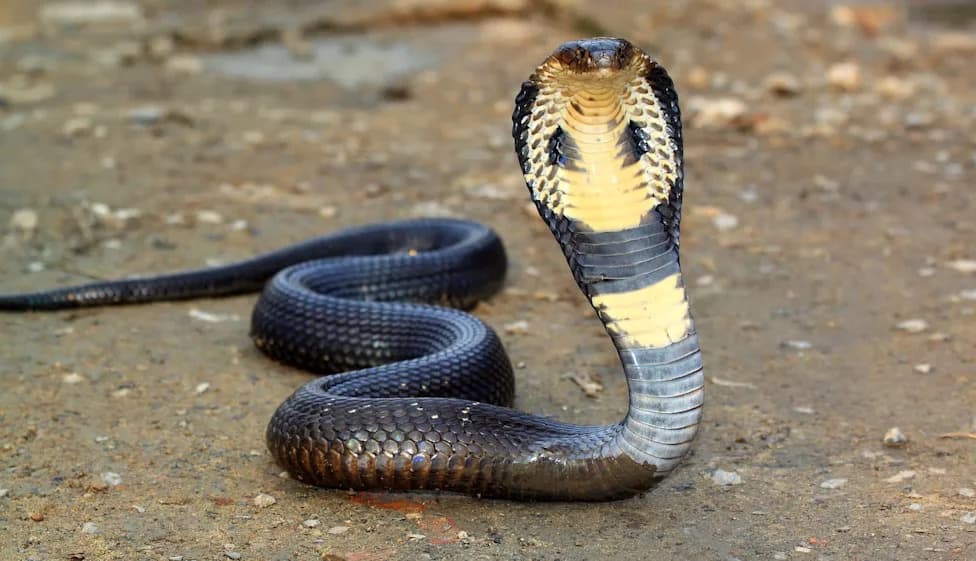
Photo Credit: iStock
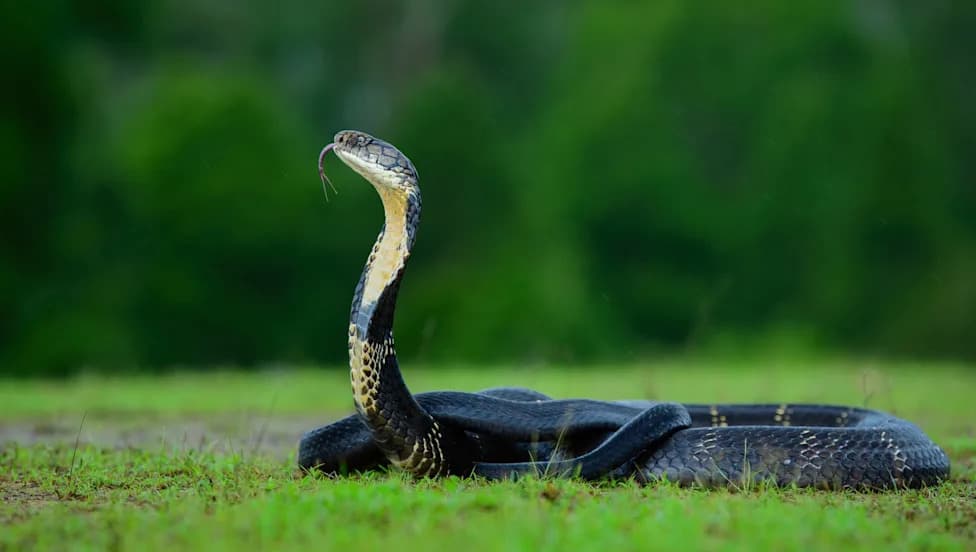
Researchers have linked two recent deaths in Himachal Pradesh’s Chamba district to the Caspian or Central Asian cobra (Naja oxiana), documenting what appear to be the first reported fatalities from this species in India.
The cases were published in the peer-reviewed journal Epidemiology International and were reported in The Tribune. The study was led by Dr. Omesh Kumar Bharti, Kangra’s chief medical officer and a Padma Shri awardee, who also heads the state’s Zero Snakebite Deaths Initiative — a program funded by the Indian Council of Medical Research (ICMR).
Genetic testing had already confirmed the presence of Naja oxiana in Chamba in 2019, and the new case reports strengthen evidence that the species is moving eastward from its Central Asian range into the northwestern Himalayas. Local accounts cited by researchers also suggest the cobra’s range may be extending downward from higher elevations toward lower slopes and areas used by people.
Details Of The Fatal Incidents
On July 6, 2020, a 40-year-old man spraying an apple orchard near Ullansa village in the Holi area stepped on a snake while wearing open footwear. He was bitten twice on the leg, was first taken to a faith healer, and was later pronounced dead at Civil Hospital Bharmour.
On July 7, 2021, a 62-year-old man from Bhanjraru village in Churah Valley stepped on a snake on his way to work and was bitten on his left leg. He collapsed within roughly 30 minutes while being transported to care and was pronounced dead at Civil Hospital Tissa. Both bites occurred during daylight while the men were performing routine outdoor tasks.
Where The Cobra Is Appearing
In Chamba district, Naja oxiana has mostly been recorded at elevations of around 6,600 feet (about 2,000 meters) or higher on open, rocky ground. Researchers warn that if the species moves downslope into orchards, trails and other human-used areas, outdoor workers — including farmers and laborers — could encounter it more frequently.
Public-Health Implications And Recommendations
The investigators emphasize that timely access to medical care is crucial: snakebite outcomes worsen where health facilities are distant or delayed. By confirming these deaths and identifying the species involved, the study provides health authorities with actionable information to map risk areas and prioritize community outreach and preparedness.
Practical Advice: Wear protective, closed footwear when working outdoors in areas known to host venomous snakes; avoid handling or approaching snakes; and seek immediate medical attention after any suspected bite — delays can be fatal.
Broader Context
The authors and related press coverage place these reports in a wider pattern: climate change and human-driven habitat changes are shifting the ranges and behaviors of venomous snakes in many regions, increasing the risk of dangerous encounters in new places. Continued surveillance, species identification, and community education are key to reducing future fatalities.
Note: The cases were documented through ICMR-funded snakebite research, and the data can help officials target surveillance and prevention efforts to communities at highest risk.
Help us improve.