Watchman Mochiram Tudu was bitten on the leg by a snake in Udala town on Sept. 4 and bicycled to Udala Sub-Divisional Hospital carrying the dead snake in a polythene bag. Doctors identified the species as a common krait and began treatment, but his condition deteriorated and he was transferred to PRM Medical College and Hospital in Baripada for observation. Odisha has recorded high snakebite mortality (1,150 deaths in 2023–24 and 709 in 2024–25) and is launching awareness drives, sanitation and housing improvements, frontline training, and measures to secure anti-snake venom supplies.
Watchman Cycles to Hospital Carrying Dead Krait After Night-Time Bite in Odisha
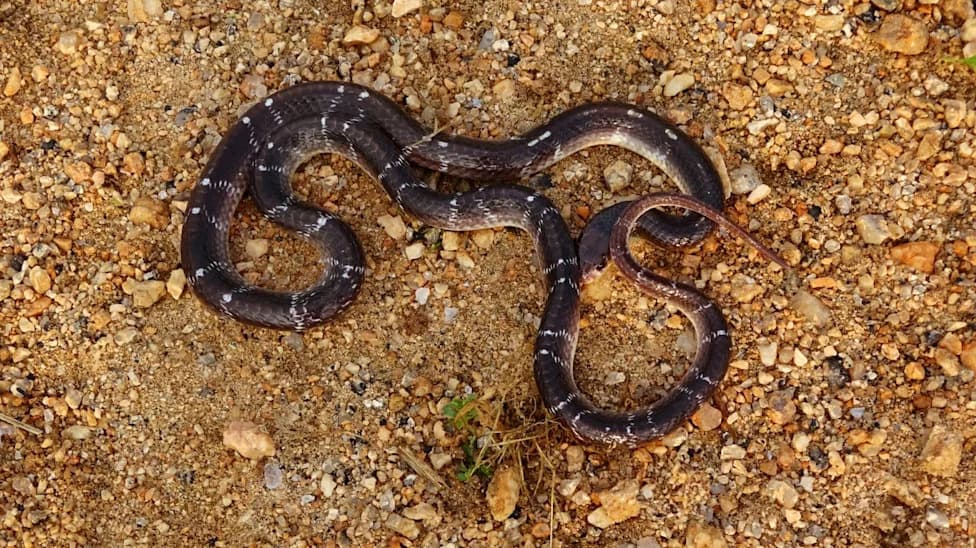
Photo Credit: iStock
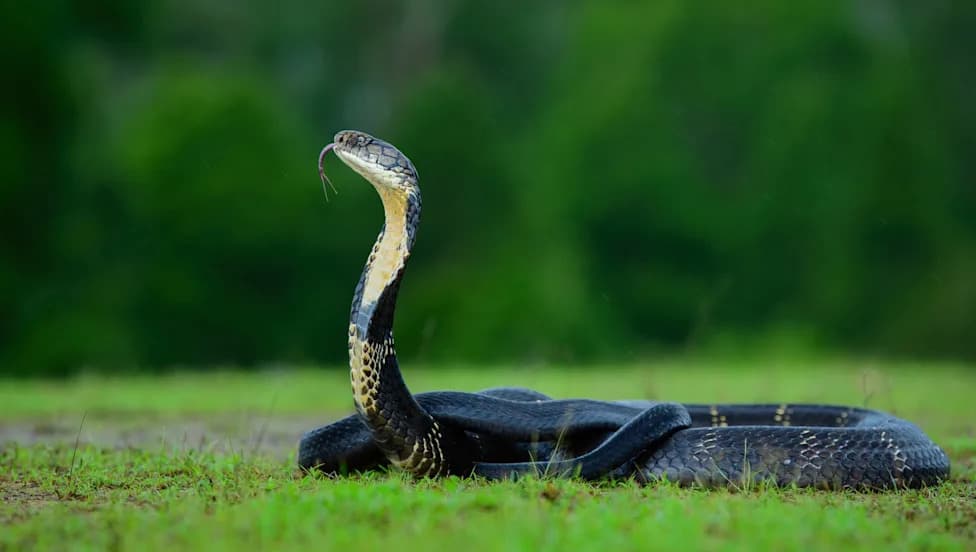
A snakebite turned into a life-threatening emergency in Odisha’s Mayurbhanj district when a watchman, Mochiram Tudu, bicycled to hospital holding the dead snake that had bitten him.
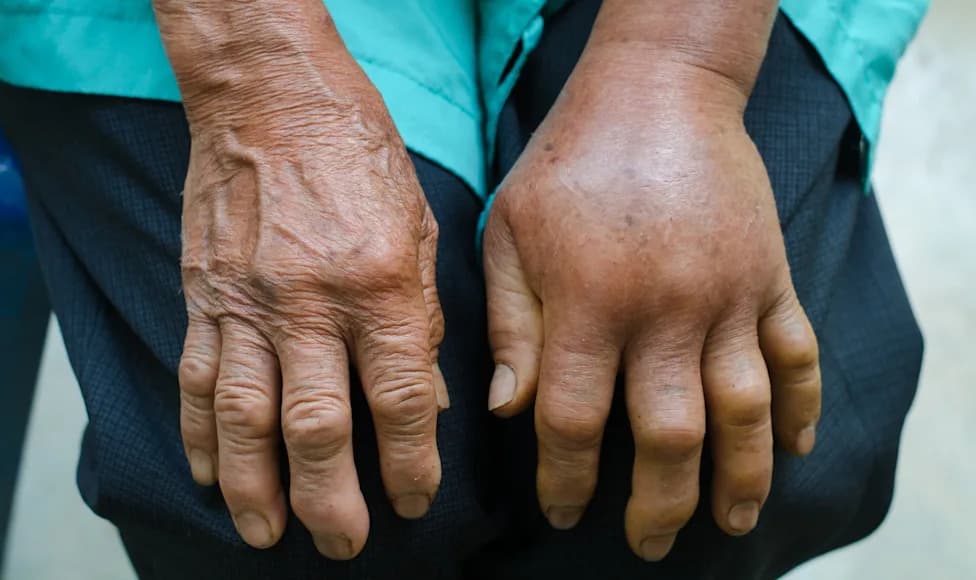
The incident occurred at about 8 p.m. on Sept. 4 while Tudu was on duty at the office of the assistant engineer for a lift irrigation project in Ward No. 10 of Udala town. He was bitten on the leg and, after initially failing to identify the species, captured and killed the snake. He placed it in a polythene bag and cycled to Udala Sub-Divisional Hospital for treatment.
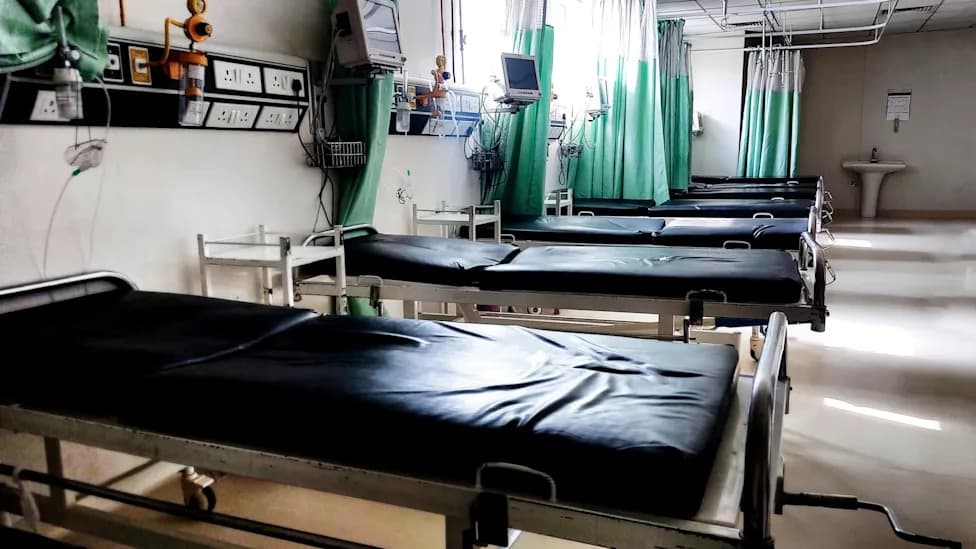
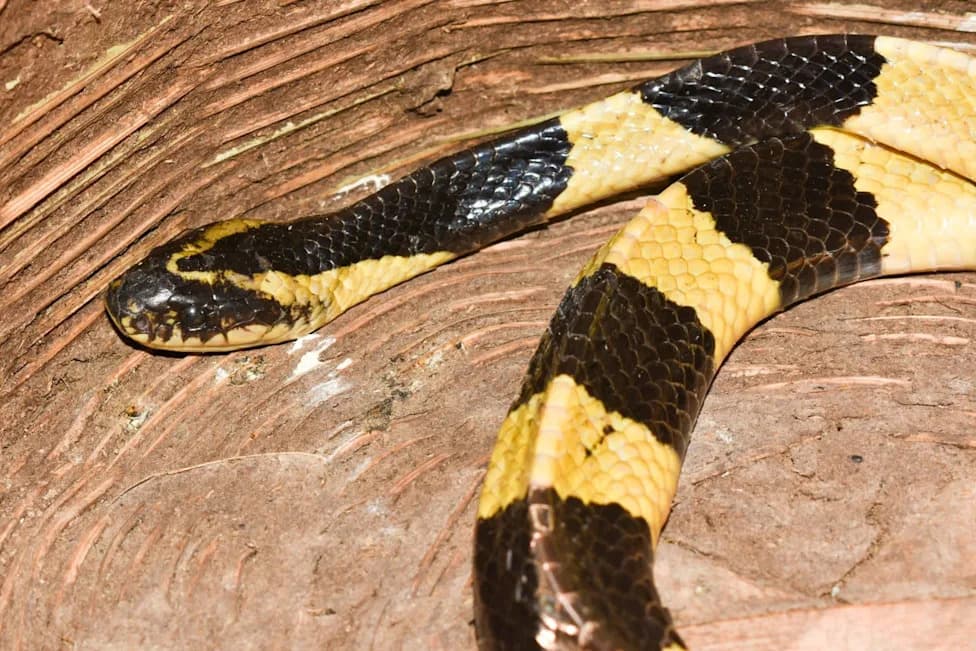
Medical staff at Udala recognised the specimen as a common krait — a highly venomous species whose neurotoxic bite can be life‑threatening — and began immediate treatment. Tudu’s condition worsened overnight, and doctors transferred him to PRM Medical College and Hospital in Baripada, where he was kept under observation at the time of reporting.
“His treatment was started immediately, but his condition deteriorated during the night,”
— Dr. D. Jena, In-Charge Additional District Medical Officer, Udala Sub-Divisional Hospital.
Wider Context and Government Response
Snakebites are a major public health issue in Odisha. The state reported 1,150 snakebite deaths in 2023–24 and 709 deaths in 2024–25, making snakebites the second-leading disaster-related cause of death after drowning. Coastal and northeastern districts have been among the hardest hit.
To reduce fatalities, the Odisha government is planning a range of measures, including:
- Village-level awareness campaigns on how to prevent and respond to snakebites.
- Housing and sanitation improvements to reduce rodent populations and make homes less attractive to snakes.
- Advice for people outdoors at night to use protective gear such as gumboots and torches.
- Training for frontline workers (ASHA and anganwadi workers, nurses and teachers) to recognise snakebite signs early and provide initial first aid.
- Strengthening clinical capacity to administer anti-snake venom, creating district- and block-level snake-rescue teams, and maintaining uninterrupted anti-venom supplies at primary and community health centres.
Why This Matters
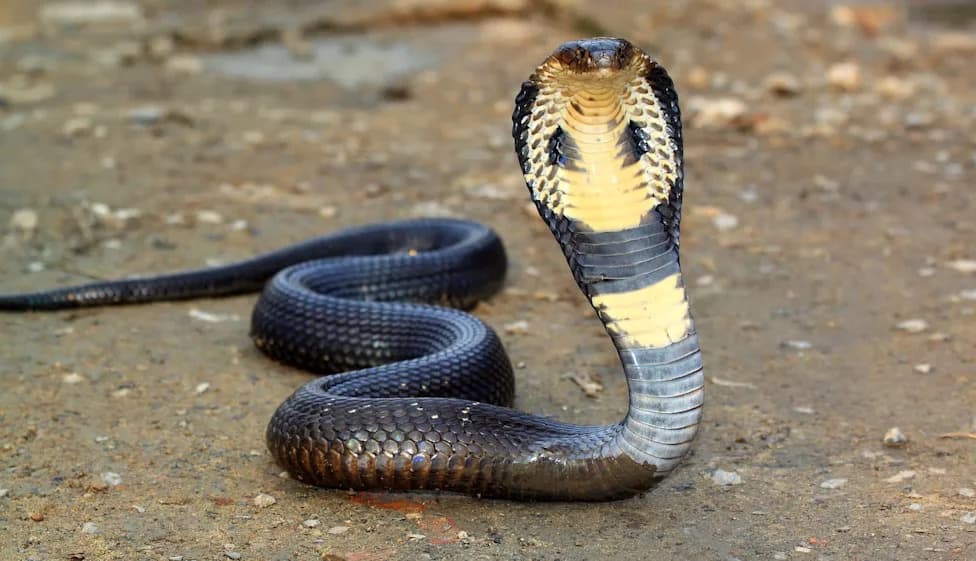
Encounters with venomous snakes can escalate quickly, from isolated bites that need urgent hospital care to snakes appearing inside homes. Recent related incidents across India — including snakes found in washing machines and a child bitten after mistaking a cobra for a toy — underline the ongoing public-health challenge. Authorities stress rapid medical attention after a suspected venomous bite, and the state’s planned measures aim to reduce deaths and improve community readiness.
Help us improve.