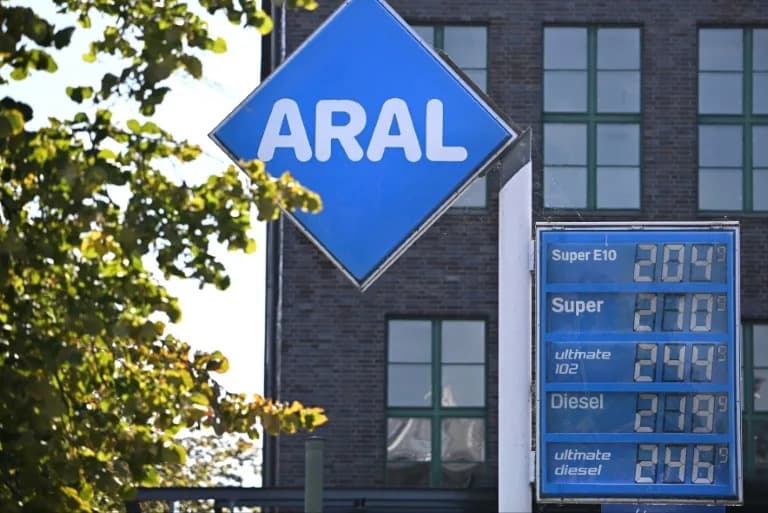
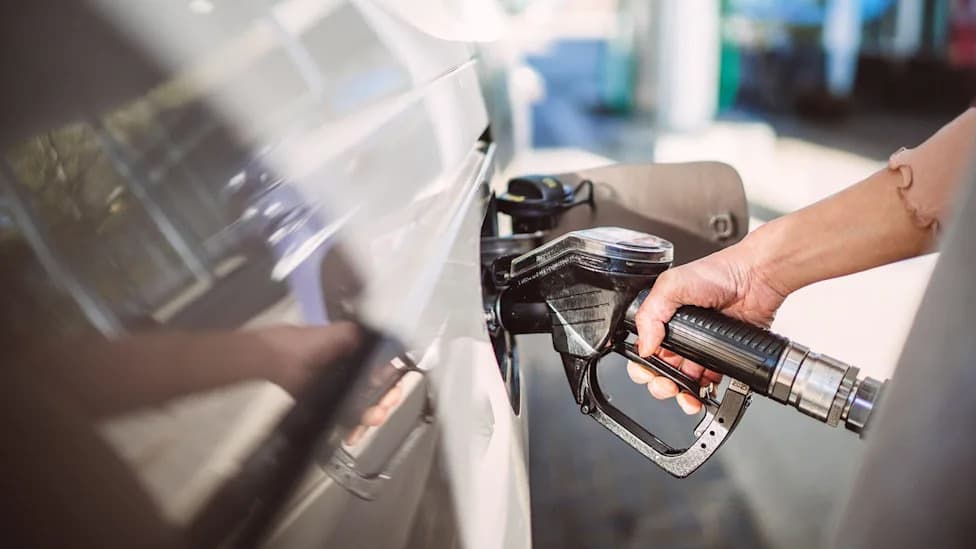
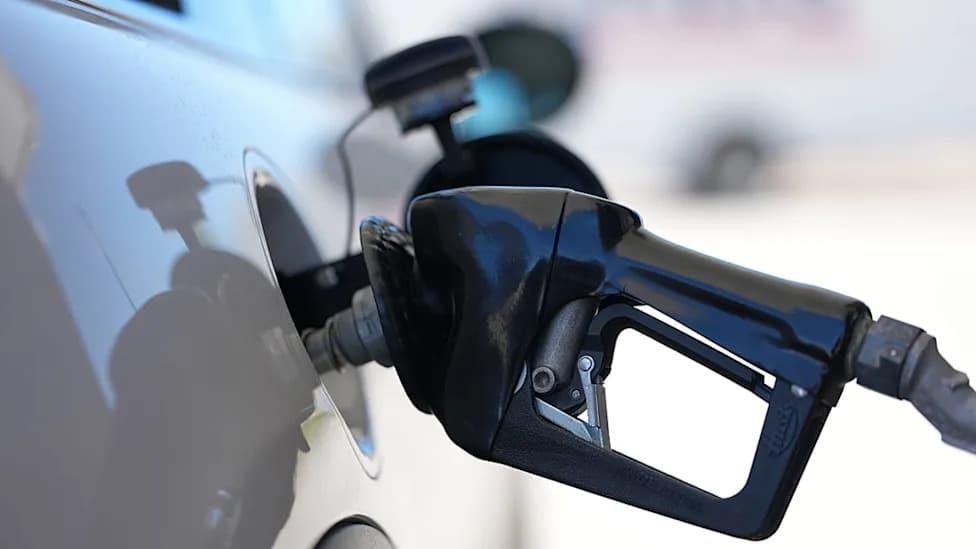
German motorists began paying slightly less to fill up on Thursday after a government fuel subsidy designed to blunt the impact of disruptions to Middle East energy supplies came into force.
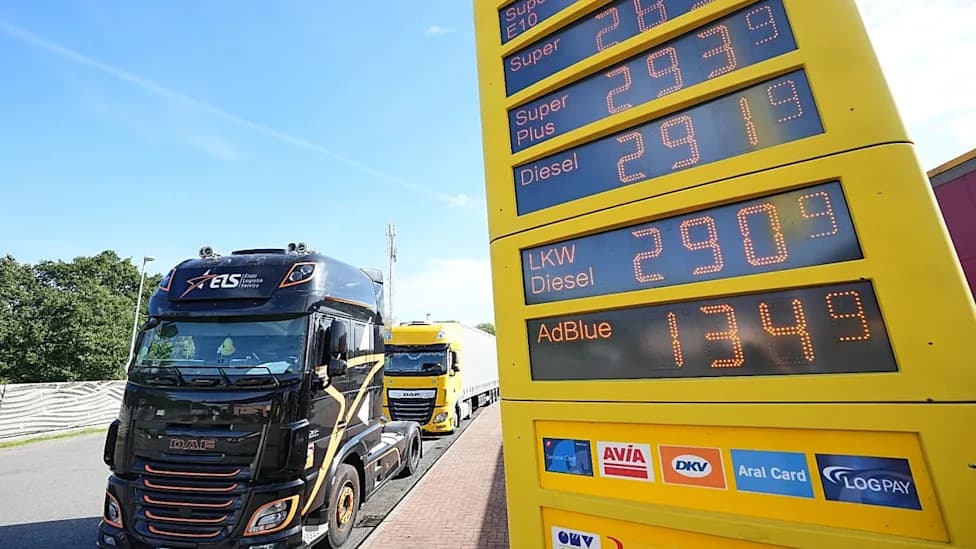
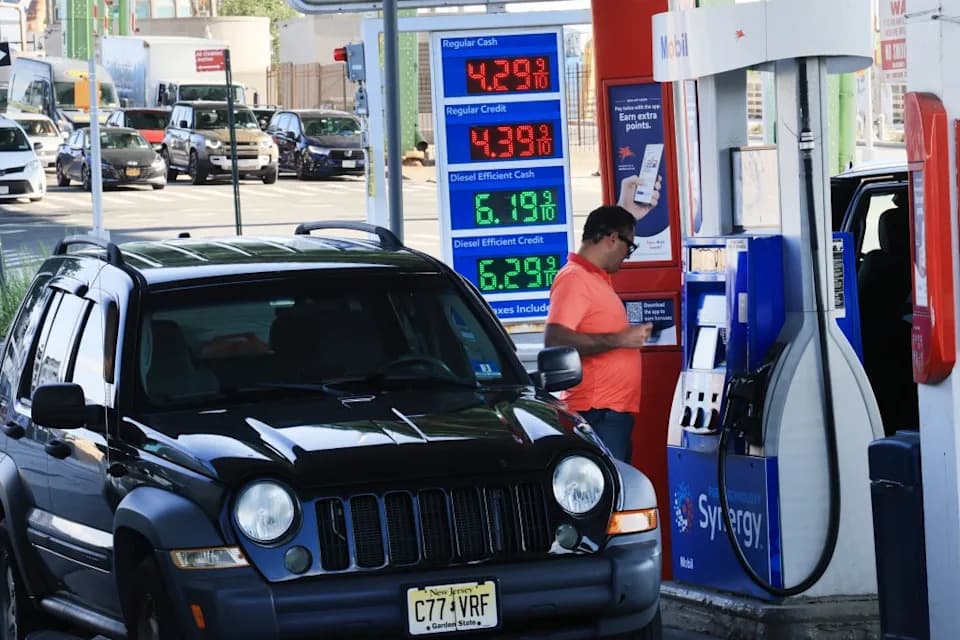
The German automobile association ADAC reported that, on average, consumers paid roughly 14–15 cents less per litre at around 12:15 p.m. local time, with the exact reduction depending on the fuel type.
Europe’s largest economy has seen pump prices rise amid ongoing tensions affecting flows of oil and fuel from the Middle East. The government has set the subsidy at 17 cents per litre, though the amount drivers see at the pump can vary with oil prices, currency movements and retailers’ pricing decisions.
Daily Price Rule: Under the new rules, filling stations are allowed to change their prices once a day at 12:00 p.m. ADAC said that despite some "significant increases" at midday on Thursday, prices remained lower than at the same time the previous afternoon.
Mixed Reactions From Motorists and Watchdogs
Some drivers welcomed the reduction but said it was insufficient. "It's just a drop in the ocean," said Andrea Hoecker, 33, who works in public relations at a petrol station in Frankfurt. "It helps in the short term, but in the long run I don't think you can solve the problem with it."
Teacher Lorena Konle described prices as "unsatisfactory": "I have to be completely honest: with the prices we have, it doesn't really make a difference."
Motoring organisations and competition watchdogs warned the full subsidy might not be passed on to consumers. The Monopolies Commission reported that during a previous fuel-subsidy programme in May–June, energy companies kept about €200 million of the €1.6 billion the government paid out.
A spokeswoman for Auto Club Europa urged that "this new fuel discount must now finally reach consumers in full" and warned that part of the subsidy must not "get stuck with the oil industry" again.
Economists Raise Equity Concerns
Some economists argued the measure is poorly targeted. Clemens Fuest, head of the Ifo Institute, told Augsburger Allgemeine that "the fuel discount leads to redistribution in favour of frequent drivers with large cars," meaning lower-income workers and pensioners may receive little benefit.
Other EU countries have taken different approaches to ease households' burden, from cutting fuel taxes to issuing direct payments to vulnerable groups.
What To Watch Next: Authorities and consumer groups will be monitoring pump prices in the coming days to see how much of the 17‑cent subsidy reaches ordinary drivers and whether retailers adjust pricing rules to reflect the government aid.