The ADAC has called on Germany to repeal a rule that allows petrol stations to raise prices only once per day at 12pm, saying it has not lowered costs and has widened daytime price spreads. ZEW research found higher average prices from midday to evening, while mornings are typically cheaper. ADAC praised a temporary energy tax cut as practical relief and said a planned price cap could curb extreme spikes but would not ensure permanently lower prices.
ADAC Urges End to Noon‑Only Fuel Hikes After Prices Rise and Daily Spreads Widen
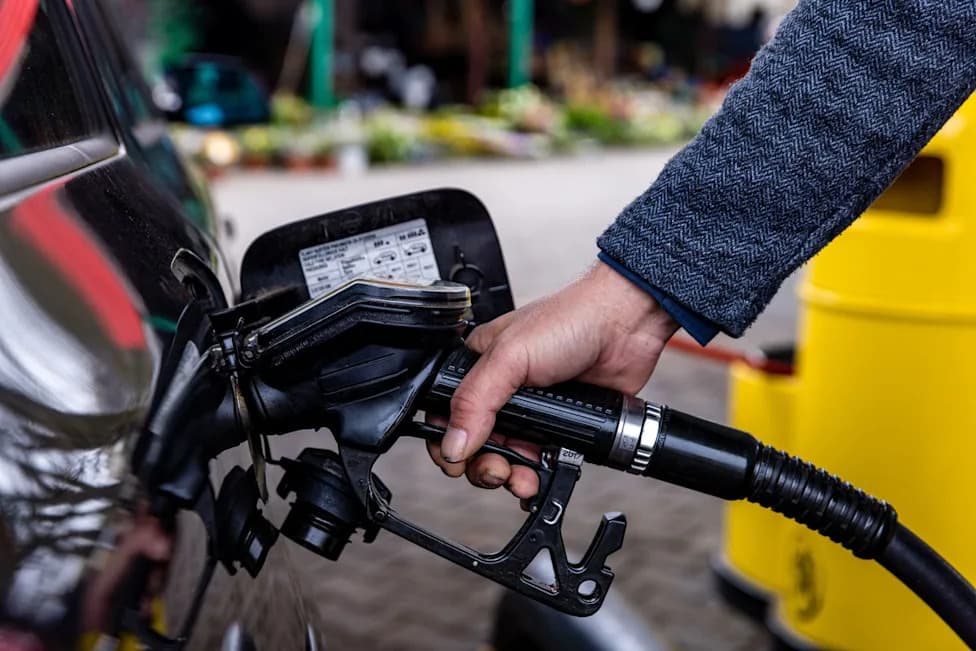
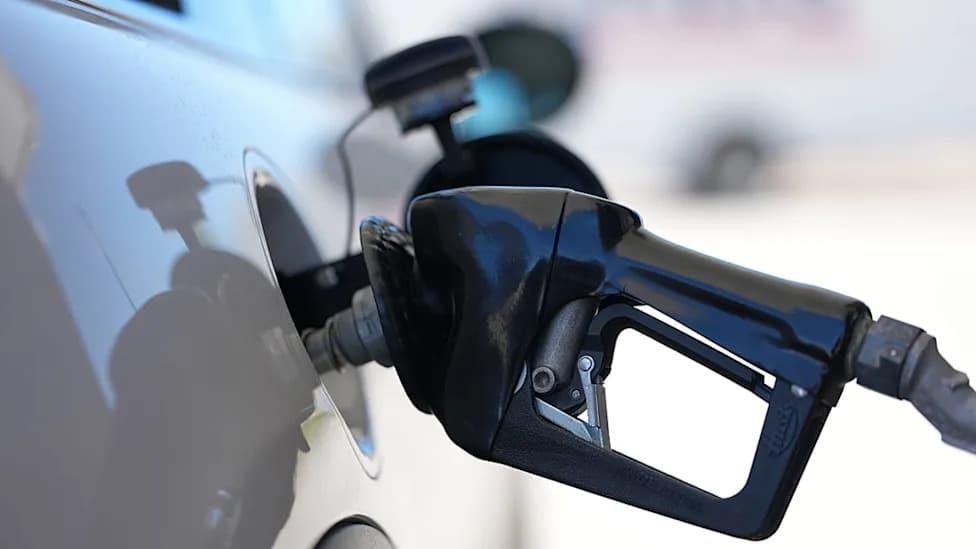
ILLUSTRATION - A person refuels a car at a petrol station. (is associated with: «German motoring group calls for end to once-daily fuel price hikes») Frank Hammerschmidt/dpa
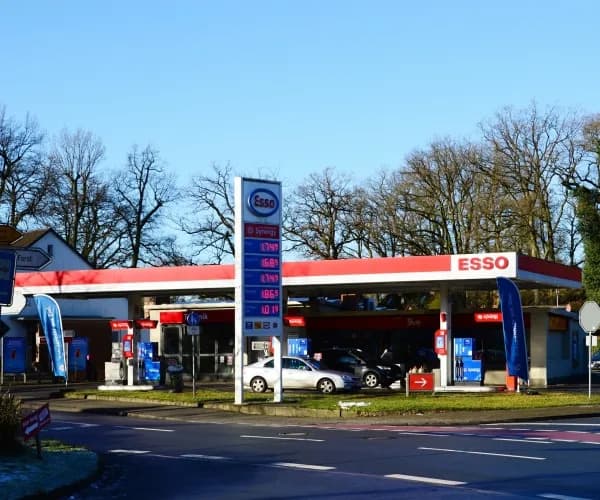
The ADAC motoring association has urged the German government to repeal a rule that limits petrol stations to raising fuel prices just once per day—at 12:00pm—arguing the restriction has not reduced costs for motorists and has instead produced wider daytime price swings.
What the Rule Does
Introduced on April 1, the regulation permits petrol stations to increase petrol and diesel prices only once a day at midday, while allowing them to cut prices at any time. The measure sharply reduced the number of intraday price adjustments and made price rises more predictable, but ADAC says it has failed to lower average pump prices.
Evidence and Effects
ADAC warns that drivers who need to refuel after noon are frequently forced to pay higher, and in their view unjustified, prices. Germany’s ZEW economic research institute found in April that the rule has been associated with higher average prices from midday into the evening, while mornings tend to be cheaper—effectively shifting costs to later in the day and widening the gap between the day’s highest and lowest pump prices.
"From a consumer perspective the regulation has failed to meet its goals. It should therefore be abolished," said ADAC transport president Peter König.
Broader Context and Policy Responses
The ongoing crisis in the Middle East has helped push fuel costs in Germany to a series of record highs. ADAC welcomed the government’s temporary reduction in the energy tax as a pragmatic, direct way to relieve drivers. The association also said a planned state cap on fuel prices could protect consumers from extreme short‑term spikes, but cautioned that such a cap would not automatically guarantee permanently lower prices.
ADAC and independent research suggest policymakers should reassess whether the noon‑only increase rule serves consumers or whether alternative measures—such as targeted tax relief or carefully designed caps—would better limit price volatility and protect drivers.
Help us improve.