The White House denied reports it was preparing a 90‑day diesel export ban, though President Trump publicly backed keeping diesel supplies domestic. AAA put the national diesel average at $6.52 a gallon on Sept. 23. Energy Secretary Chris Wright warned a blanket ban could raise gasoline and jet fuel prices by prompting refiners to cut runs, and officials say they are exploring voluntary agreements with refiners instead. Markets reacted immediately, with ultra‑low‑sulfur diesel futures sliding after the reports.
White House Denies 90‑Day Diesel Export Ban as Trump Pushes to Keep Fuel Domestic

white house denies 90 day diesel export ban is coming
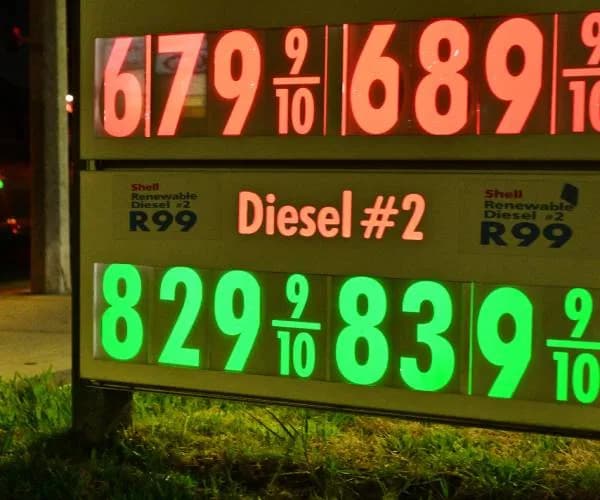
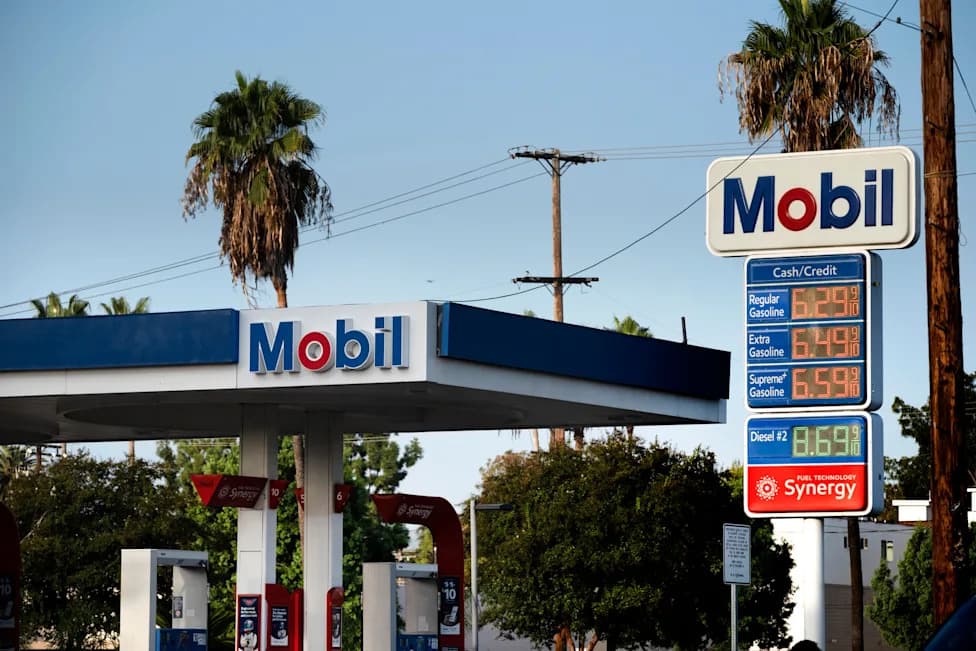
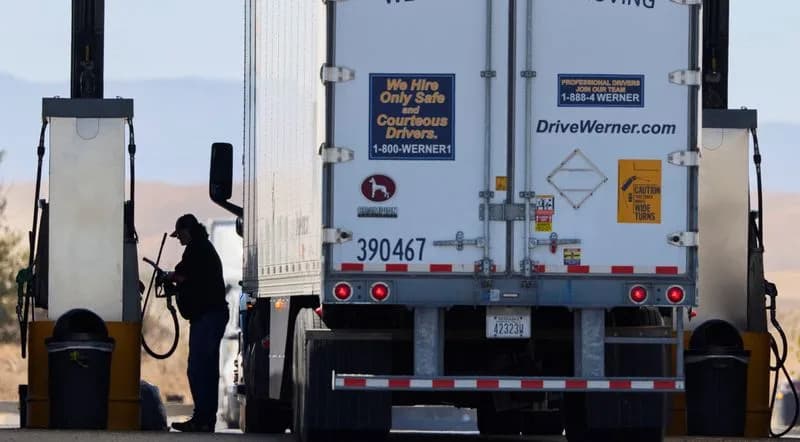
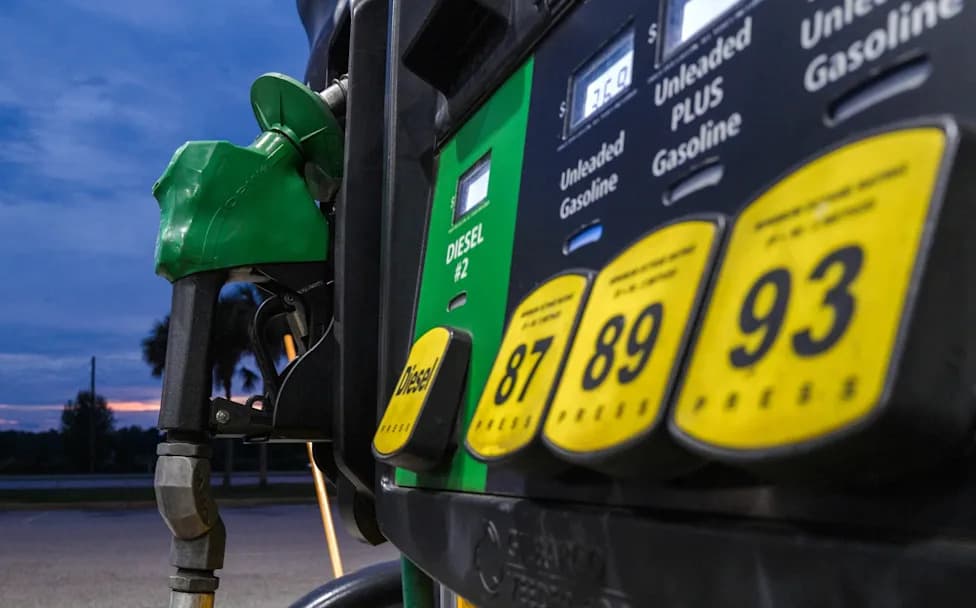
The White House has denied media reports that it is preparing a 90‑day suspension of diesel exports, even as President Donald Trump has publicly signaled support for keeping U.S. diesel supplies at home. According to AAA, the national average price for diesel was $6.52 a gallon on Sept. 23.
Reports and Official Responses
Politico reported that administration officials were considering a three‑month halt to diesel shipments abroad, citing five people familiar with the discussions. Reuters said it could not independently confirm the account. A White House official later told reporters that a flat, temporary ban was not under active consideration.
What Key Officials Said
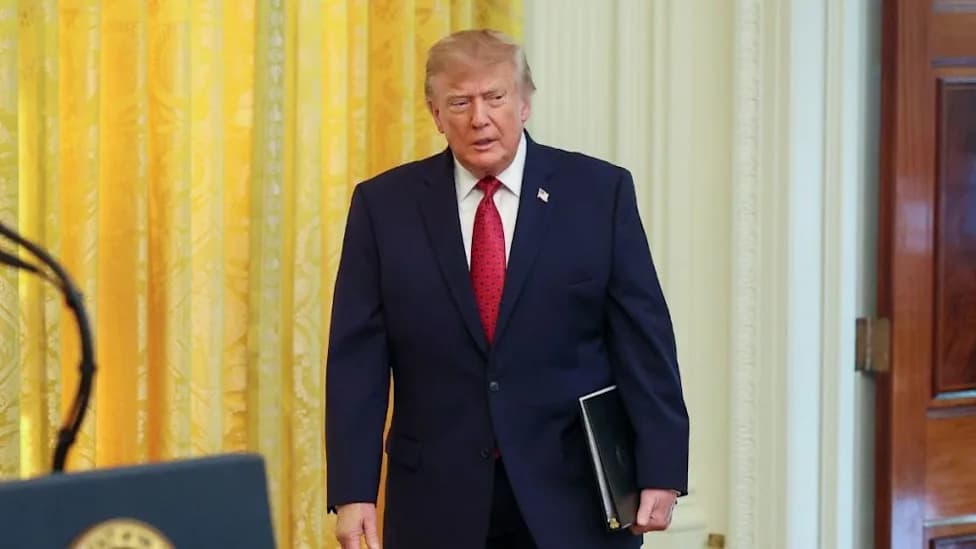
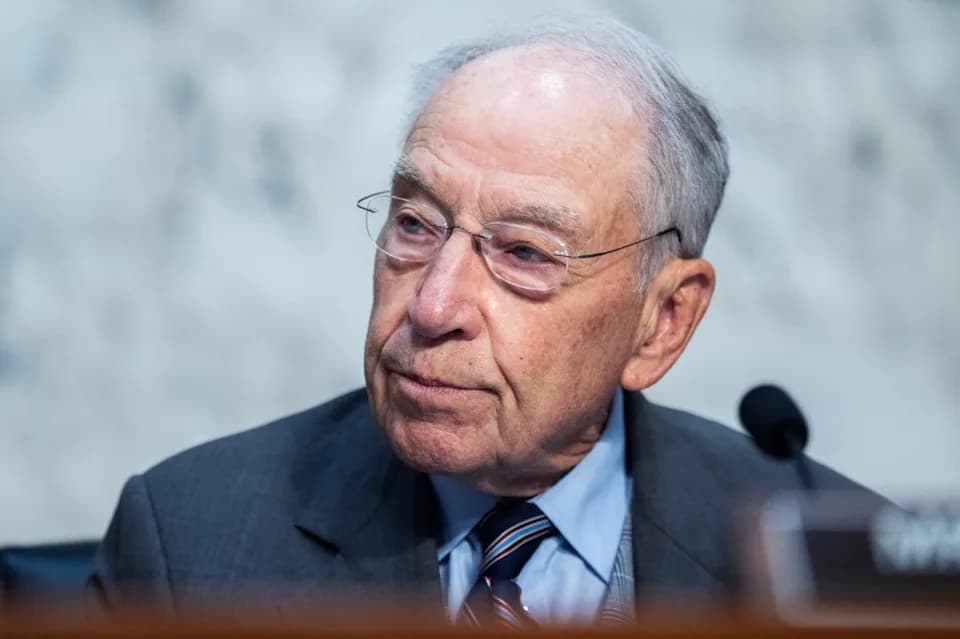
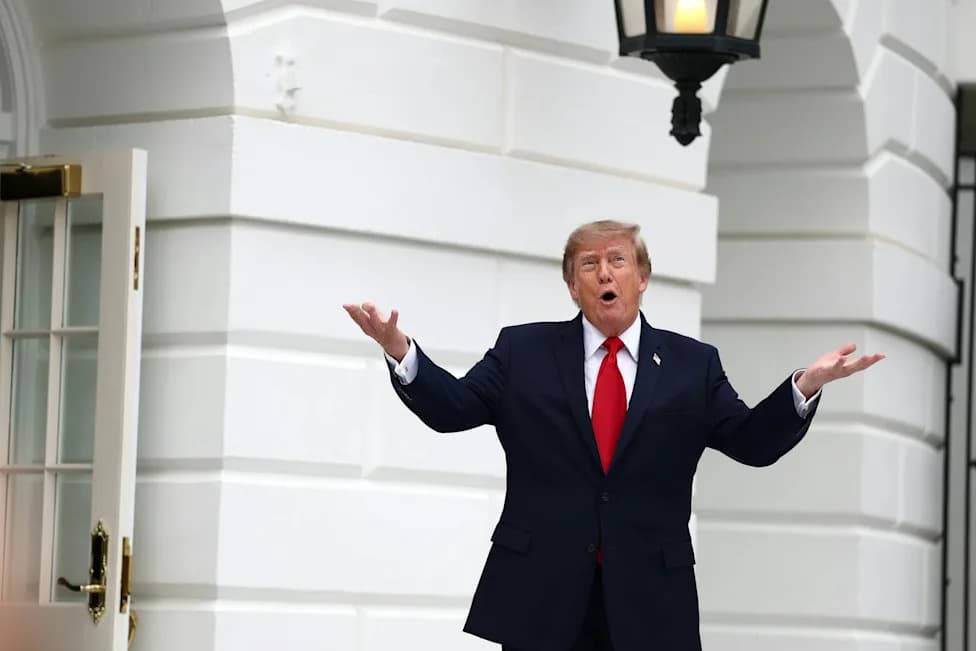
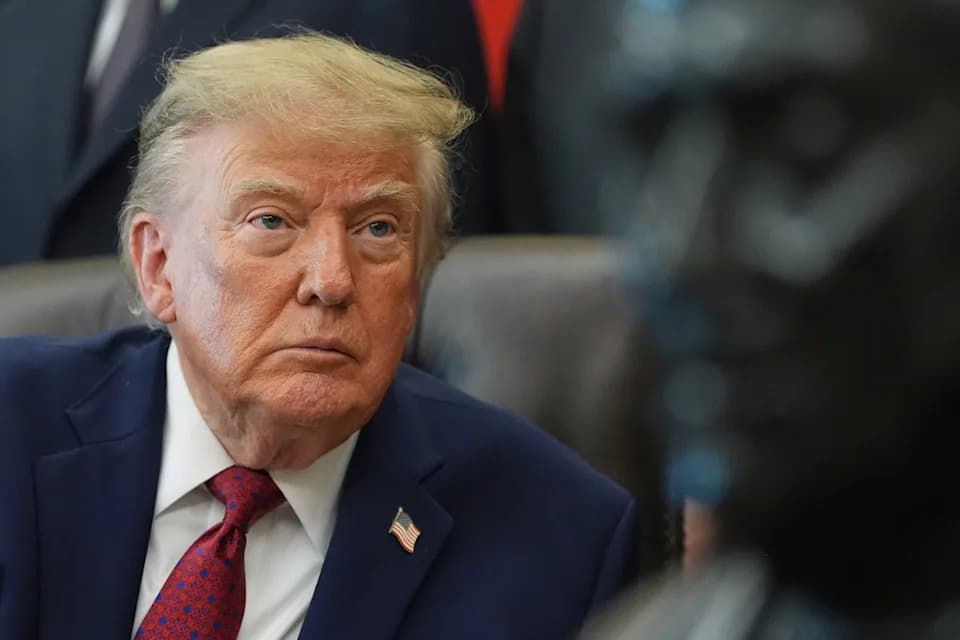
"I've said let's not send out the diesel,"President Trump said, noting he had raised the issue with his team. Treasury Secretary Scott Bessent said the administration was studying whether a full or partial ban would be feasible — comments that came before the White House denial.

white house denies 90 day diesel export ban is coming
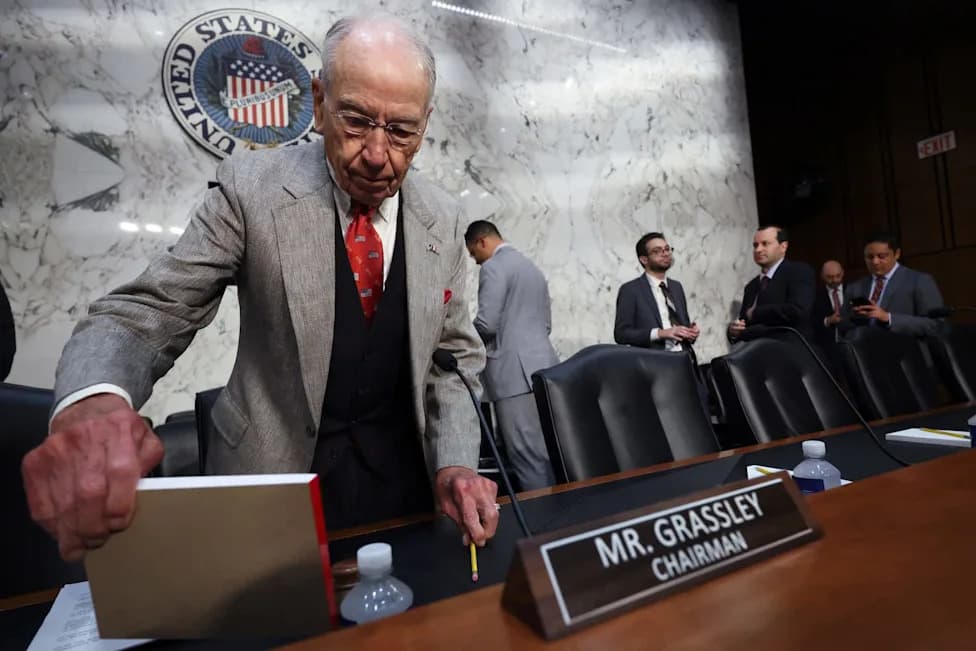
Energy Secretary Chris Wright offered a different perspective, warning that an across‑the‑board export ban could be counterproductive. Wright argued a blanket ban might push gasoline and jet fuel prices higher by encouraging refiners to cut crude runs, which would lower production of other fuels made from the same barrels.
Alternatives and Market Reaction
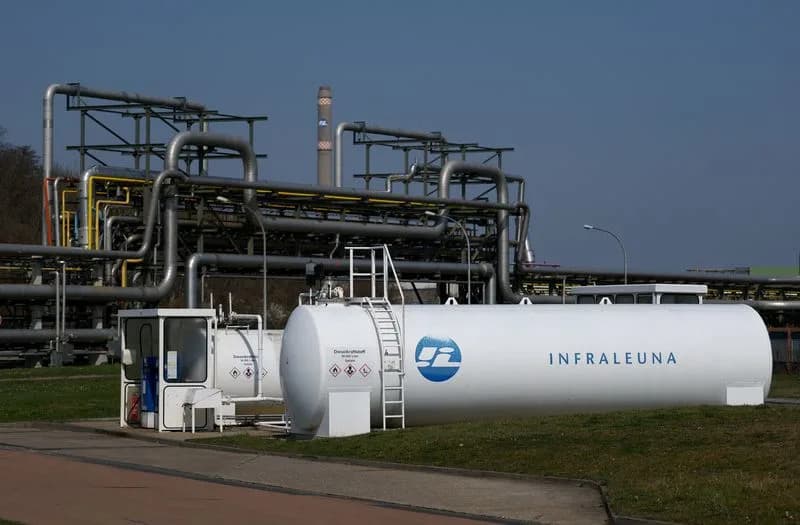
Wright said the administration is exploring voluntary agreements with refiners to increase domestic diesel supplies but provided no specifics and emphasized that no decisions have been made. Markets reacted before officials provided clarity: Reuters reported that October ultra‑low‑sulfur diesel futures fell roughly 4 percent on Wednesday after an earlier drop of more than 6 percent during the trading session.
For now, no export ban has been announced and no policy alternative has been finalized. What remains is a president who favors keeping diesel at home, an energy secretary warning about unintended consequences, and a White House denying that a three‑month halt is being implemented. Consumers and businesses continue to face diesel prices hovering above $6.50 a gallon.
Become an AutoGuide insider: subscribe to our newsletter for the latest automotive and energy updates.
Help us improve.