The "Unseen and Unheard Housing Act" requires California’s 540 cities and counties to include domestic violence survivors in routine land-use and housing assessments, adding survivors to existing mandated groups. Advocates say the change will increase attention to permanent housing needs amid limited long-term shelter, high rents and widespread financial abuse. The law does not provide funding but could steer local policy and resources toward closing the gap between emergency shelter and stable housing.
California Law Requires Local Housing Plans To Address Domestic Violence Survivors’ Needs

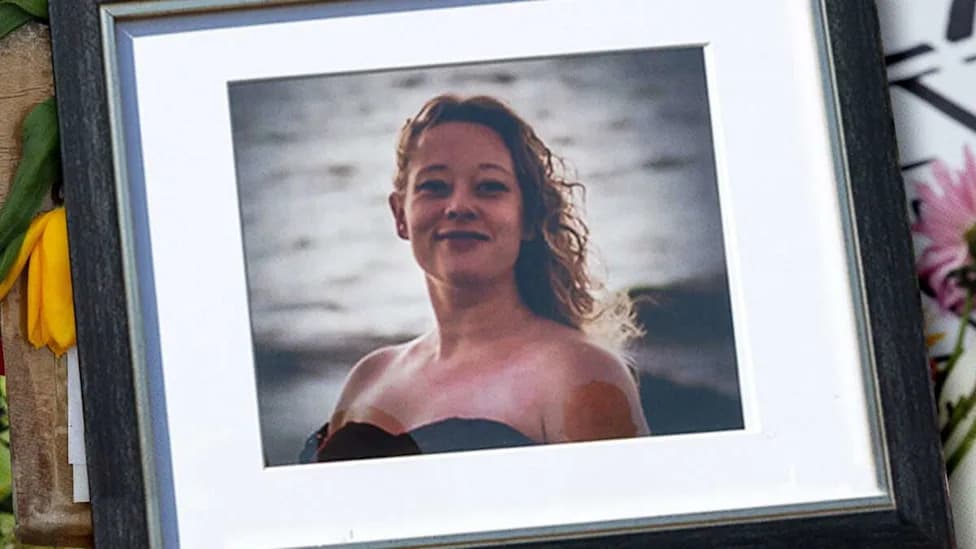
(Emily Scherer for The 19th; Getty Images)
California Gov. Gavin Newsom on Sunday signed the "Unseen and Unheard Housing Act," a new law that requires local governments to consider the housing needs of domestic violence survivors when preparing long-term land-use and housing plans.
What The Law Requires
The state’s 540 cities and counties submit comprehensive land-use plans on a staggered schedule every five to eight years, depending on population. Those plans evaluate community needs across climate, health, economic opportunity and equity, and include a required assessment of housing supply and demand for specific groups. The new law adds domestic violence survivors to that list, alongside seniors, people with disabilities, farmworkers, women-led households and people experiencing homelessness.
Why It Matters
"Our hope is that this bill will significantly increase the supply of permanent housing for survivors, and will bring funding, attention, and action to address the invisible crisis of domestic violence survivors falling into homelessness when they leave their domestic violence situations," said Jennifer Willover, housing policy analyst at the California Partnership to End Domestic Violence.
Domestic violence and housing instability are closely linked. Some survivors remain in abusive homes because leaving would mean losing their housing or their children’s housing; others have nowhere to go when they escape. A 2024 report found that 17% of unhoused cisgender women experienced intimate partner violence—most often physical—in the six months before becoming homeless. Among unhoused people who had recently experienced domestic violence, 40% said abuse contributed to leaving their prior housing, and 20% said it was the primary cause.
Statewide data from DomesticShelters.org show that at least 70% of California’s 165 domestic violence service organizations offer emergency housing, but those stays are typically short—often one to three months. Longer-term housing supports are scarce and funding for them is shrinking.
Cost is a major barrier to long-term stability. The Bureau of Economic Analysis ranks California among the states with the highest cost of living, and rents in populous cities can reach thousands of dollars per month. Survivors frequently face financial abuse—partners forbidding work, withholding assets, or blocking access to bank accounts—which limits income, credit and eligibility for rentals. Credit checks can also exclude victims when abusers have coerced them into taking loans or opening accounts in their name.
Limits And Potential
The law itself does not allocate housing or new funding. Instead, it elevates survivors’ needs in planning processes, which advocates hope will steer resources, policy attention and future investments toward bridging the gap between short-term shelter and permanent housing.
Research cited by advocates includes lifetime intimate partner violence rates from Tulane University—61% of women, 45% of men and 84% of gender-nonconforming people reported experiencing such violence—underscoring the broad scope of the problem.
Advocates say the new planning requirement is a necessary step to make survivors more visible in local decision-making and to reduce the risk that people fleeing abuse become homeless.
Help us improve.