Community organizers and researchers warn that women face higher risks of gender-based violence after natural disasters, a trend documented after the August 2023 Maui wildfire. A Tagnawa survey of 70 Filipino women found one in six reporting "survival sex," and local domestic-violence calls doubled to about 550 per month. Bipartisan legislation would require FEMA to improve shelter safety, train staff in trauma-informed response, and meet all adults during household check-ins to help survivors report abuse. Advocates stress restoring funding and learning from international models like the Philippines' 2016 disaster reforms.
After Maui: Can Disaster Recovery Protect Women From Domestic Abuse and Exploitation?
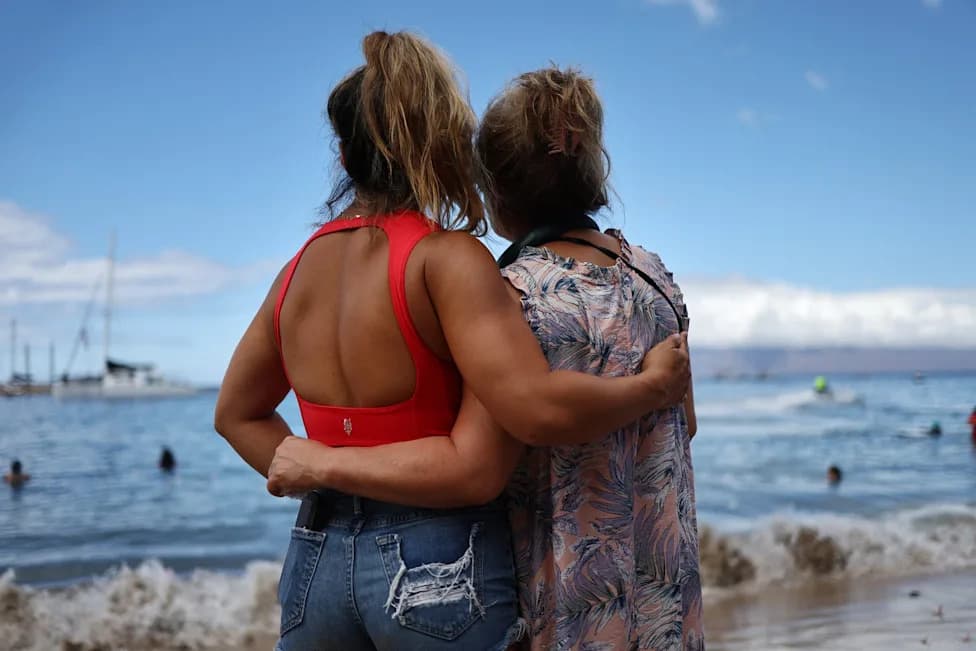
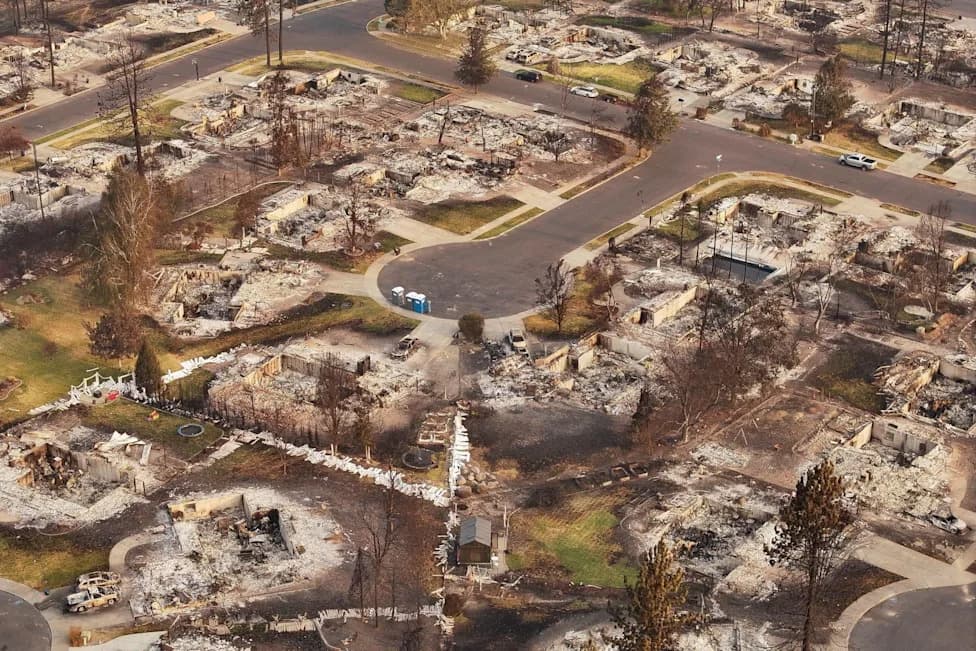
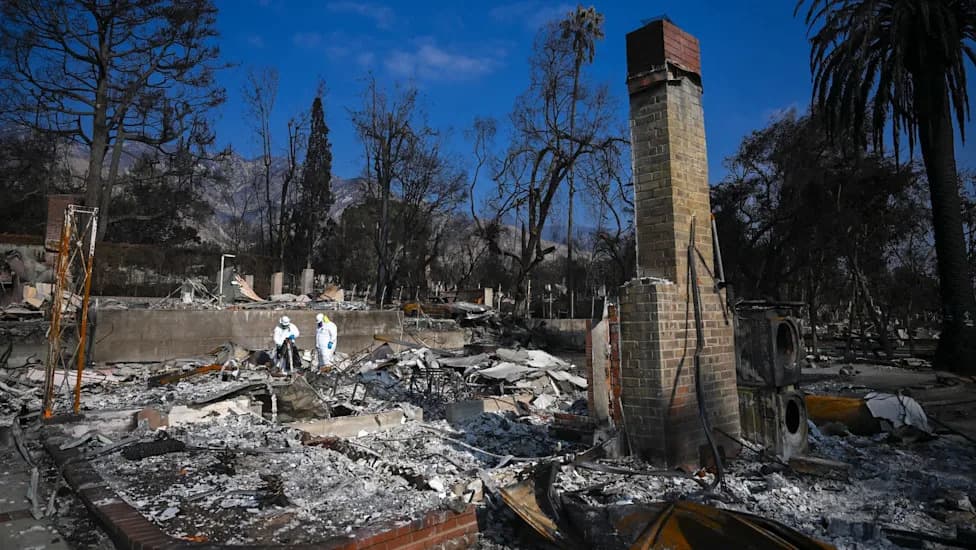
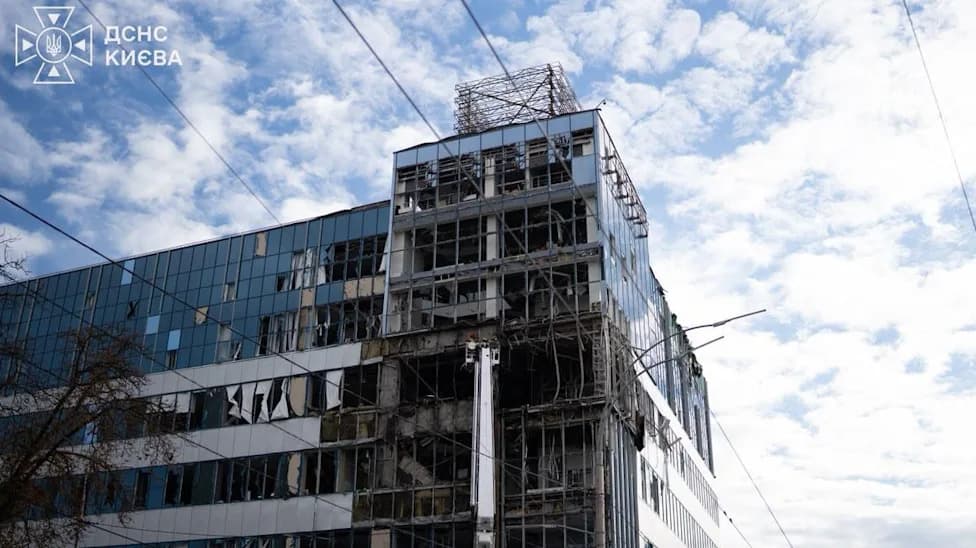
In the aftermath of the fires that devastated the Maui island community of Lahaina, Hawaii, a report found that the wildfire disproportionately impacted women and girls.(Mario Tama/Getty Images)
After the devastating wildfire that swept through Maui on August 22, 2023, community organizer Khara Jabola-Carolus set out to document how women were faring in the disaster's aftermath. With fellow organizer Nadine Ortega she co-founded Tagnawa, a grassroots recovery group focused on Filipino and other marginalized communities on the island.
What Tagnawa Found
Tagnawa's rapid survey of 70 Filipino women found alarming signs of exploitation: one in six respondents said they felt pressured to engage in "survival sex"—exchanging sexual acts for food, housing or other basic necessities. Mental-health professionals also reported cases in which child sexual abuse went unreported to preserve fragile family stability. Local domestic-violence provider Women Helping Women saw calls roughly double in the two months after the fires, reaching about 550 per month.
"We tried to gather as much as we could in that short window of time in order to generate action," said Jabola-Carolus, a former executive director of the Hawai'i State Commission on the Status of Women.
Federal Response: A New Bill
Three years after the wildfire, Representatives Laurel Lee (R-Fla.) and Lucy McBath (D-Ga.) introduced bipartisan legislation directing the Federal Emergency Management Agency (FEMA) to strengthen safety at evacuation shelters and to establish reporting protocols for domestic violence and sexual assault after disasters.
The bill would require FEMA personnel to receive training to identify and support survivors of gender-based violence, implement trauma-informed care practices, and change household check-in procedures so FEMA staff meet with every adult in a household—not only the designated head of household. Advocates say that meeting all adults could create safer opportunities for survivors to disclose abuse.
Evidence and Expert Views
Advocates note that the FEMA advisory council's 2024 report recommended the agency do more to address gender-based violence, exploitation and human trafficking after disasters. Researchers and practitioners say the bill incorporates several expert recommendations.
Historical studies link disasters to spikes in intimate partner violence: after Hurricane Katrina (2005), women with live-in partners in Mississippi were twice as likely to report physical abuse, and displaced residents in trailer parks in Louisiana and Mississippi reported nearly three times higher rates of intimate partner violence the year after the storm. Following a severe 2021 Texas winter storm, domestic-violence calls also rose; one national cash-assistance program reported that for one in four applicants, abuse began or worsened during the disaster.
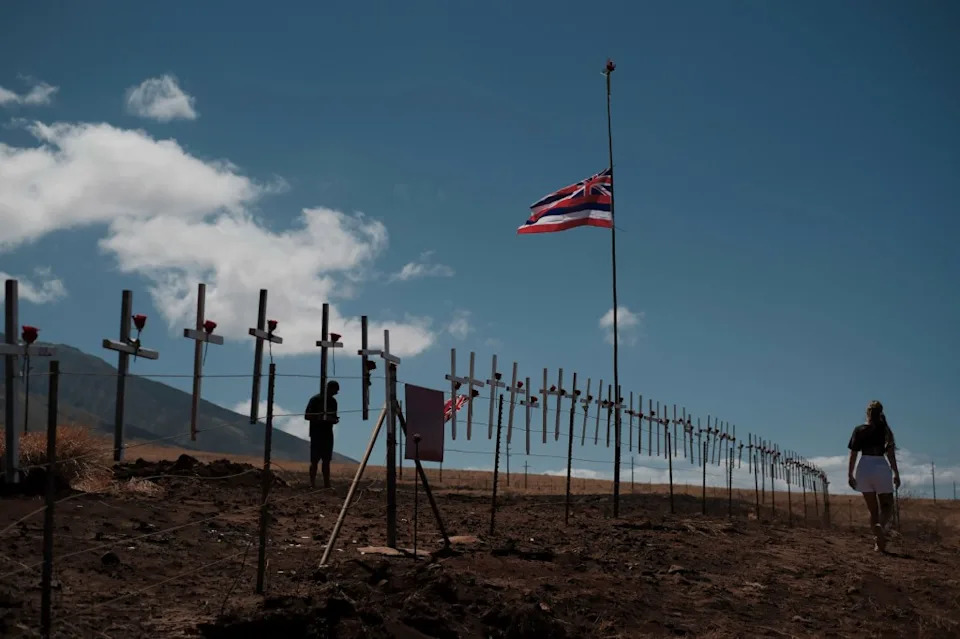
Lahaina, a community in the western part of Maui island, was devastated by a wildfire on August 22, 2023 that killed 102 people.
The National Science Foundation's 2024 report found that public-health emergencies, including natural disasters, are associated with increases in both the frequency and severity of intimate partner violence.
Funding, Policy and International Models
Advocates warn that reductions and delays in federal funding for domestic-violence services have weakened the network of care. Under the current administration, some groups have cited delayed or canceled grants and shifting priorities that led to layoffs and reduced services. President Trump's proposed fiscal year 2027 budget, released in April and not yet enacted, includes cuts to housing and legal-assistance programs administered by the Office on Violence Against Women; the National Network to End Domestic Violence warned such reductions risk jeopardizing survivors' safety and recovery.
Rights4Girls co-founder Yasmin Vafa noted the value of federal bills in shaping state policy, citing a separate House proposal she supported that, while not enacted federally, helped spur state laws allowing shorter minimum sentences for victims convicted of harming their abusers in several states.
Internationally, the Philippines is cited as a model: in 2016, the country integrated sex-trafficking prevention and response into disaster planning and recovery. Jabola-Carolus, whose family is from the Philippines, said that countries heavily affected by climate disasters offer lessons the U.S. could adopt.
Looking Ahead
Whether the FEMA bill advances in a crowded congressional calendar remains uncertain. Still, survivors' advocates and researchers argue that formalizing protections—training responders, improving shelter safety, conducting trauma-informed outreach and restoring funding—would meaningfully reduce the risks women face after climate-driven disasters.
Key facts: The Lahaina wildfire on Aug. 22, 2023 killed 102 people; Tagnawa's rapid survey found 1 in 6 Filipino women reporting survival sex; local domestic-violence calls roughly doubled in the two months after the fires.
Help us improve.