Governor Gavin Newsom signed Assembly Bill 2050 on Sept. 29, requiring many California HOAs to build larger long-term reserve funds. Beginning Jan. 2032, associations that project a negative reserve balance within 30 years must allocate at least 15% of their gross annual budget to reserves or cover the gap via special assessments. The change could affect millions — about one in four California households pay HOA fees — and has prompted debate between advocates who cite prevented emergency repairs and critics who fear rapid fee hikes and weak board oversight.
Newsom Signs HOA Reserve Law That Could Raise Dues for Millions of Californians
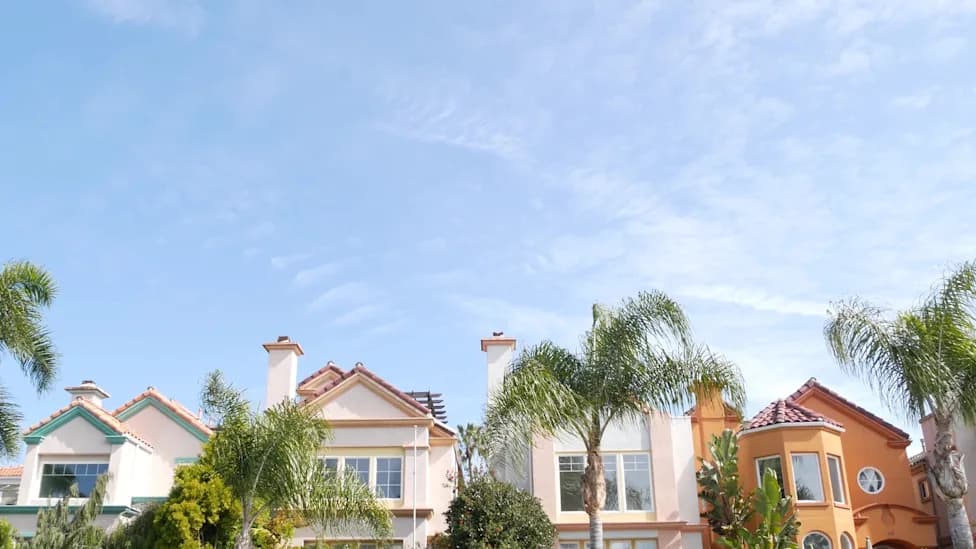
Photo Credit: iStock
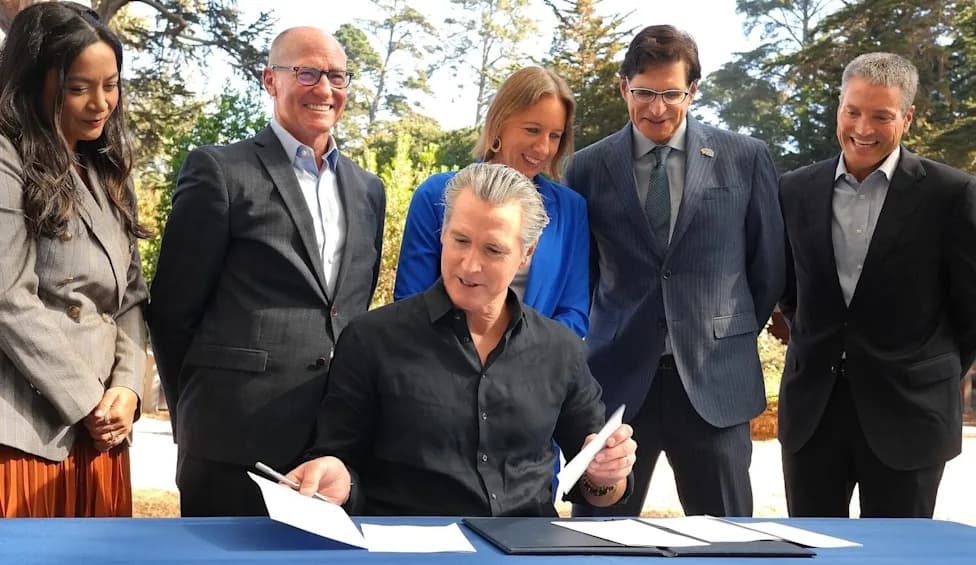
On Sept. 29, California Governor Gavin Newsom signed Assembly Bill 2050, a law that will require many homeowners associations (HOAs) to increase long-term reserves — a change supporters say prevents surprise emergency bills and opponents warn could drive higher monthly dues or special assessments.
What the law requires: Beginning in January 2032, any HOA that projects its reserves will fall below zero at any point over the next 30 years must allocate at least 15% of its gross annual budget to reserves. The measure also requires associations to maintain and periodically review a 30-year reserve fund plan, according to reporting by the New York Post.
If an association cannot fund the required transfer from its existing budget, the bill allows the board to collect the shortfall directly from homeowners via a special assessment. Observers say it remains unclear how those requirements will translate into changes in monthly dues for individual owners.
The new law could affect millions: U.S. Census Bureau data indicate roughly one in four California households pay HOA fees, making reserve policy a broad financial issue for the state.
"We're not against reserving, but it ought to be combined with some reasonable limitations on what could be increased and how rapidly, along with some important guardrails on financial protection and responsibility so the residents don't get ripped off because the board acts like a kangaroo court," said Robert Herrell, executive director of the Consumer Federation of California, to the San Francisco Chronicle.
Supporters — including Newsom, who called the bill a "practical framework" in his signing message — argue that planned, gradual contributions are more sustainable for households than large unexpected bills for emergency repairs. Proponents point to deferred maintenance problems in older condominium buildings and planned developments that require costly work such as roof replacements, structural repairs, paving and elevator upgrades.
Critics counter that many homeowners are already stretched by mortgage payments, insurance and regular HOA dues. They also note that California HOAs can currently raise regular dues by up to 20% per fiscal year without a member vote, a rule that could magnify the financial impact of increased reserve requirements.
The bill lands amid broader debates over HOA authority and homeowner protections. Recent local fights have included challenges to vague HOA rules after rising maintenance charges, proposals to limit HOA control over landscaping and household matters, and separate policy efforts in other states to protect homeowners making cost-saving improvements.
Implementation and outlook: AB 2050 takes effect on the timeline specified but many details — including how boards will calculate required transfers, how enforcement will proceed, and how associations will communicate changes to owners — will be worked out in regulations and association budgets over the coming years. Homeowners and boards will likely face budget planning and communications challenges as the law is implemented.
Help us improve.