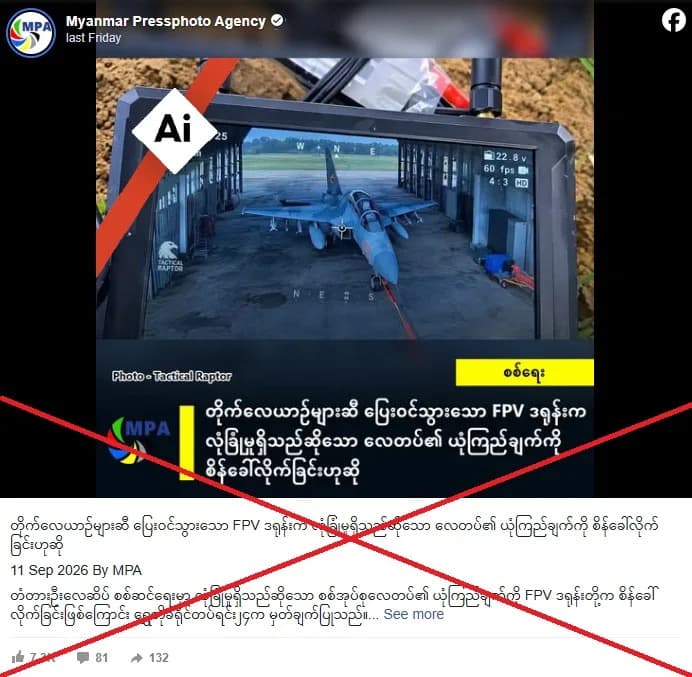
A purported crocodile sighting at Pandan Reservoir on Aug. 20 prompted searches and the suspension of recreational activities before authorities established the photo was fake. Police allege Myanmar national Ye Lin generated the image with an AI app, sent it to a colleague, and later deleted both the image and the app. He faces charges of communicating a false message and obstructing the course of justice and told the court he intends to plead guilty. The false-message charge carries up to three years in prison (or a S$10,000 fine) and obstruction carries up to seven years; the case returns in November.
Man Accused of Using AI to Fake Crocodile Sighting at Singapore Reservoir Faces Criminal Charges
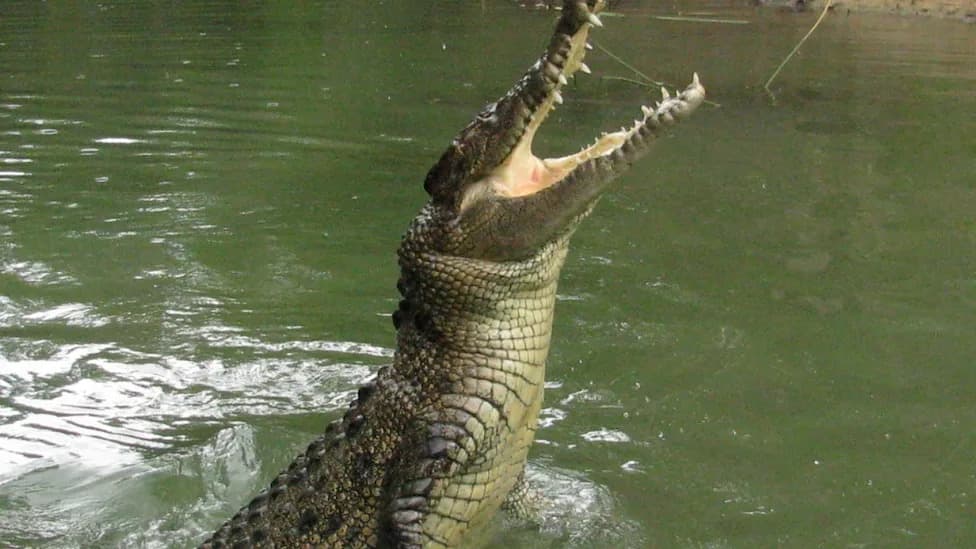
Image by Sue Waters, CC BY-SA 2.0.
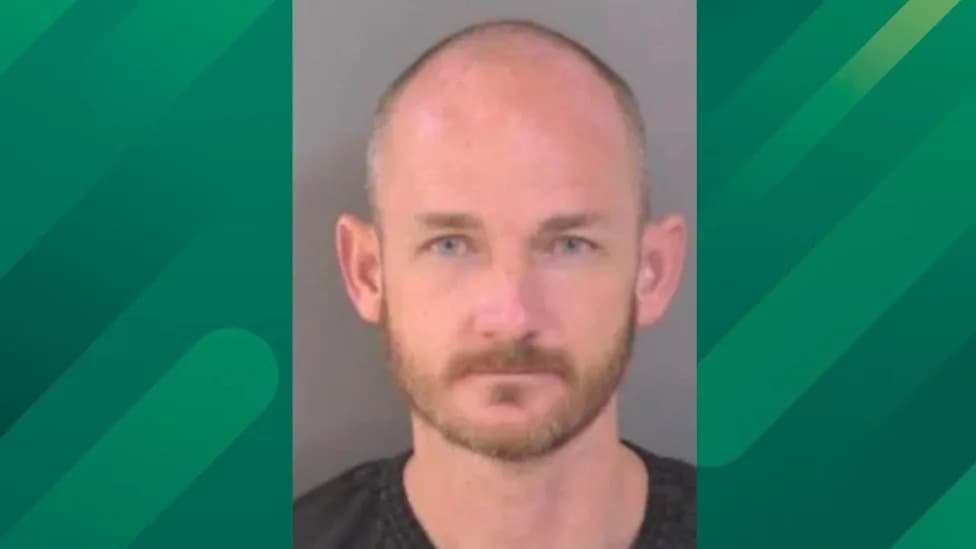
A purported crocodile sighting at Pandan Reservoir on Aug. 20 prompted an official search and the suspension of recreational activities before authorities determined the image was fake. Police allege the photo was generated with an artificial intelligence app and have charged a Myanmar national, Ye Lin, in connection with the incident.
Investigation and Immediate Response
Singapore’s national water agency, PUB, received a report of a possible saltwater crocodile at Pandan Reservoir, a popular spot west of the city centre for joggers and kayakers. Given the potential danger, PUB and National Parks officers mounted searches and capture operations. For safety, the Singapore Rowing Association and the Singapore Canoe Federation were instructed to suspend activities while the area was investigated.
How the Report Unfolded
Authorities say the disruption lasted about two days. By the day after the initial notification, PUB had concluded the photograph was not genuine and referred the matter to police. Investigators allege that Ye Lin created the crocodile image using an AI application and sent it to a colleague. Officials have not publicly explained exactly how the image later reached PUB, leaving unclear whether the colleague forwarded it or someone else passed it along.
“The man subsequently deleted the image and the related application in an attempt to conceal his actions,” the Singapore Police Force said in a statement, according to BBC reporting.
Charges and Possible Penalties
Police have charged Ye Lin with communicating a false message and with obstructing the course of justice. The alleged deletion of the image and the AI application forms the basis of the obstruction charge. Reports say he told the court, via an interpreter, that he intends to plead guilty.
Under Singapore law, communicating a false message carries a penalty of up to three years in prison, a fine of up to S$10,000, or both. Obstructing the course of justice carries a maximum sentence of seven years' imprisonment, a fine, or both. The case is due back in court in November.
Wider Context
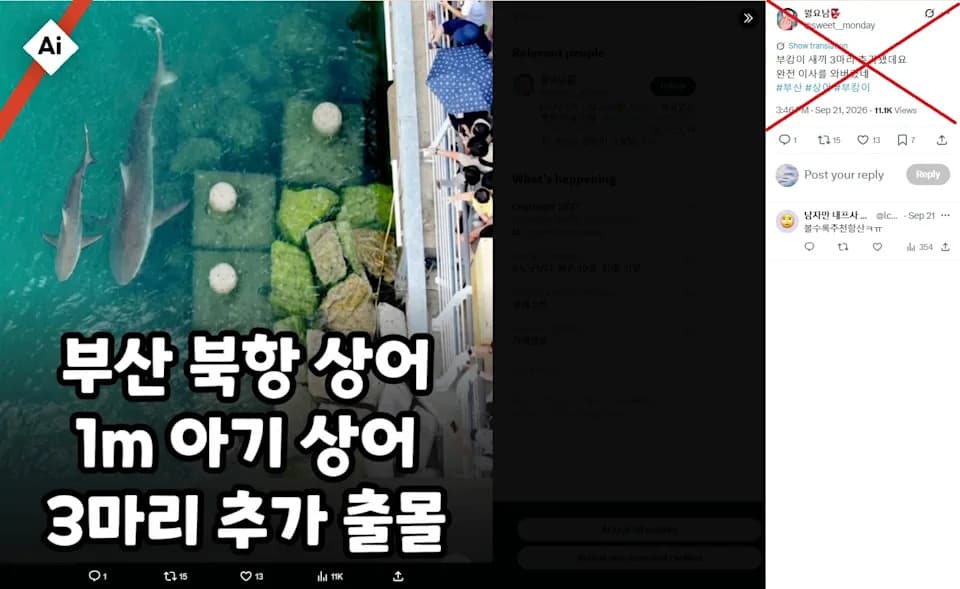
Incidents involving AI-generated images that trigger official responses are increasingly common. Authorities in other jurisdictions have responded to troubling AI-driven trends on social platforms, and promotional materials created with AI have prompted complaints and police attendance elsewhere. This case underscores how synthetic imagery can have real-world consequences for public safety and legal accountability.
What Remains Unclear: Investigators have not publicly established a motive for creating the image, nor have they explained the full chain of how the image reached PUB. Those questions may be addressed as the case proceeds through the courts.
Help us improve.