The claim that Americans "have no reasonable expectation of privacy in public" is overly broad. Key Supreme Court decisions — United States v. Knotts, United States v. Jones, Carpenter v. United States, and Chatrie v. United States — show evolving limits on warrantless tracking, emphasizing trespass, prolonged monitoring, and protections for location data. ALPR networks raise similar constitutional concerns because they can cheaply reconstruct long-term movement histories, prompting lawsuits and ongoing judicial scrutiny.
Your Fourth Amendment Rights Don't Vanish Just Because You're In Public
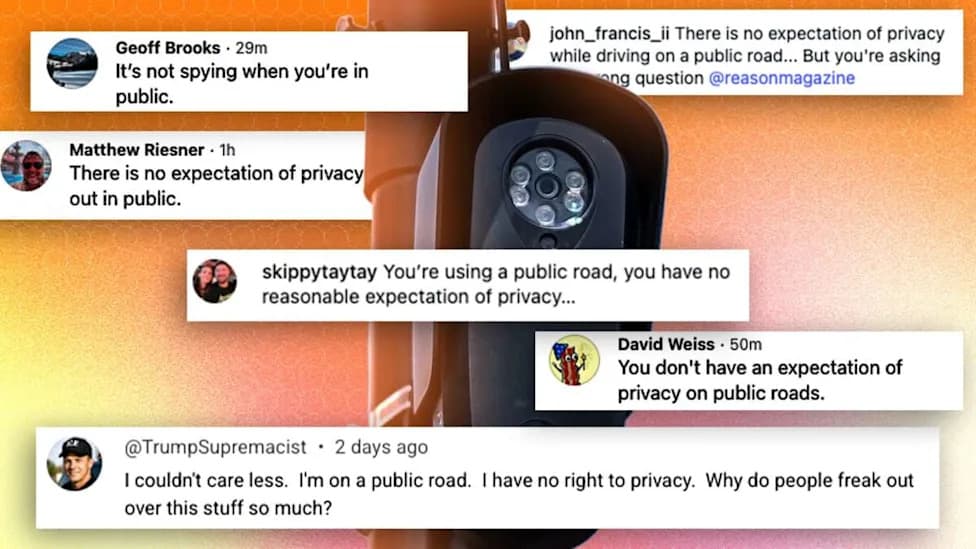
Image: MiracleMiles/Wikimedia Commons. Illustration: Adani Samat
Do Americans lose their Fourth Amendment protections the moment they step into public? The short answer is no. While older precedents sometimes suggested that movements on public roads attract less privacy protection, modern rulings and constitutional limits on police stops make clear that being in public does not erase privacy rights.
Why The "No Privacy In Public" Claim Is Too Broad
Police cannot lawfully stop someone on a public street and demand to know where they are going or where they've been without reasonable suspicion of criminal activity or a traffic violation. Even justified stops must be brief, and individuals may invoke their right to remain silent. These longstanding constraints contradict the blanket claim that people have no expectation of privacy when in public.
Important Supreme Court Decisions
United States v. Knotts (1983) involved officers secretly placing a radio transmitter inside a five-gallon container of chloroform to track a suspect. The Court held that the warrantless use of the transmitter did not violate the Fourth Amendment, observing that "a person traveling in an automobile on public thoroughfares has no reasonable expectation of privacy in his movements from one place to another," and that the device revealed nothing beyond what could have been seen by visual surveillance.
In United States v. Jones (2012), the Court reached a different result involving a GPS device attached to a suspect's vehicle. The unanimous opinion found that physically installing the tracker intruded on private property and therefore constituted a search; justices also emphasized that continuous, 28-day monitoring can reveal intimate details about a person's life and associations.
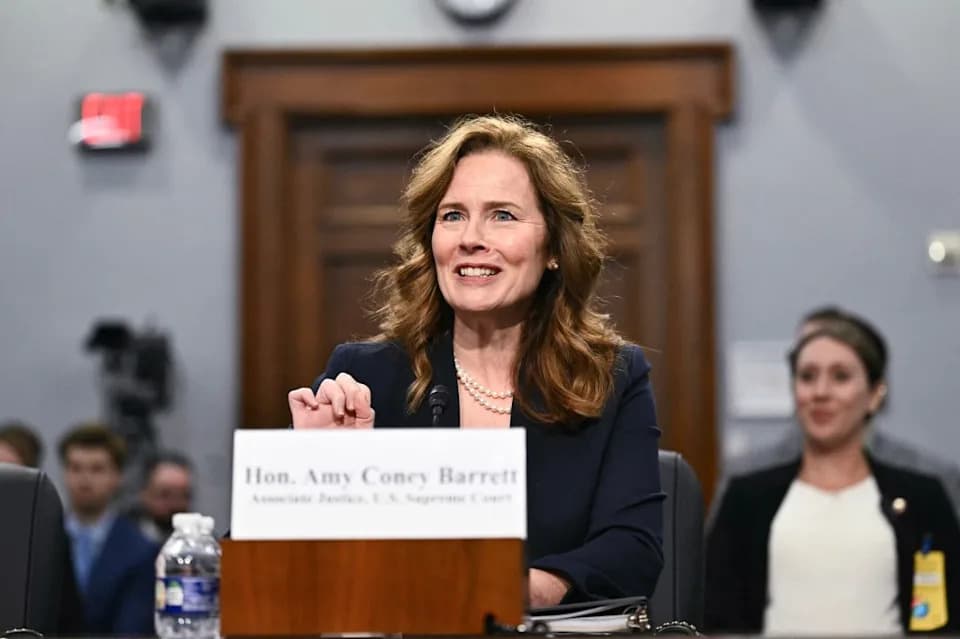
Then in Carpenter v. United States (2018) the Court held that individuals have "a reasonable expectation of privacy in the whole of their physical movements," even when those movements occur in public. More recently, in Chatrie v. United States, the Court reinforced that accessing a person's location history held by a third-party service can amount to a Fourth Amendment search. Together, these cases show growing recognition that modern location-tracking tools can expose deeply personal information that merits constitutional protection.
Where ALPRs Fit In
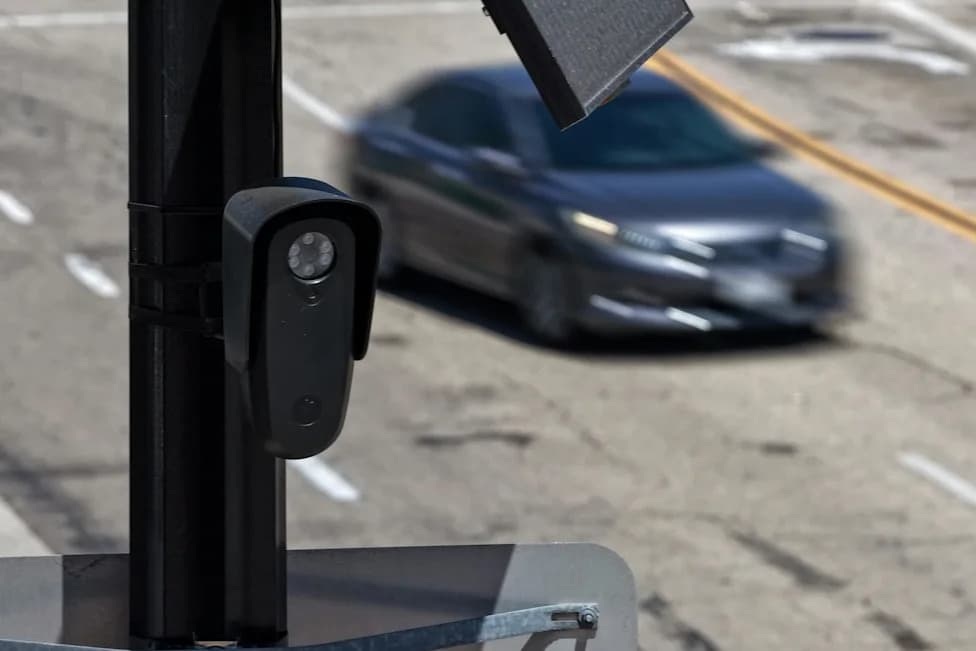
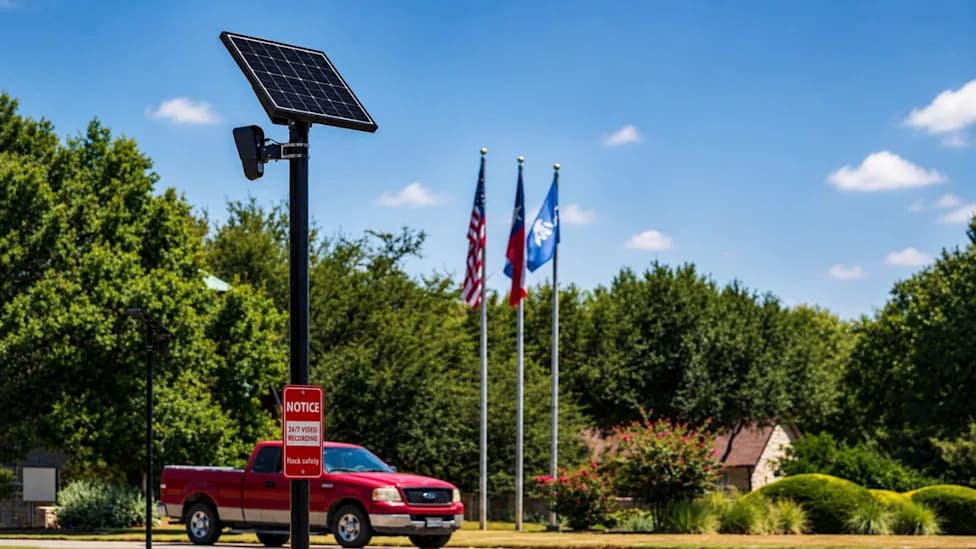
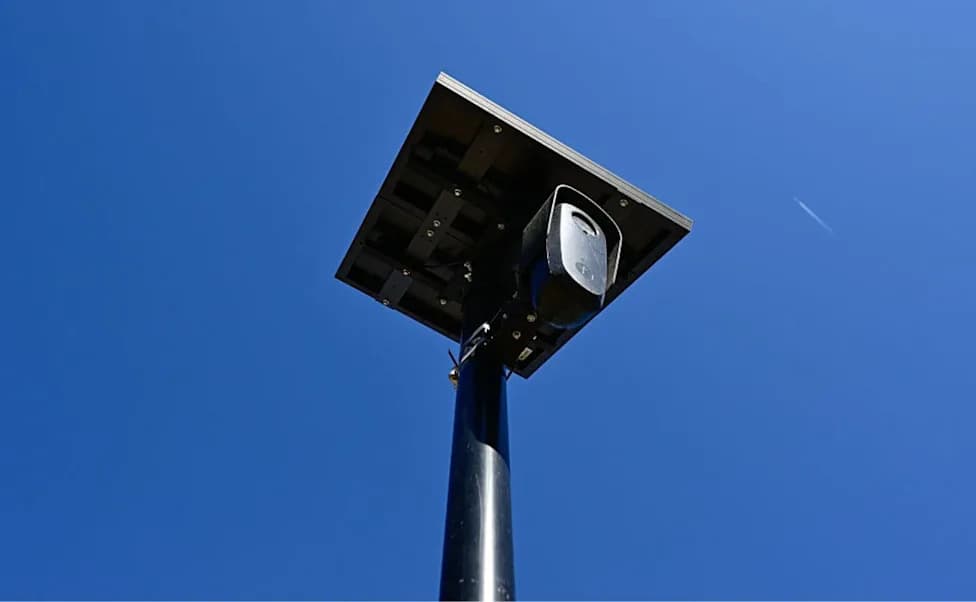
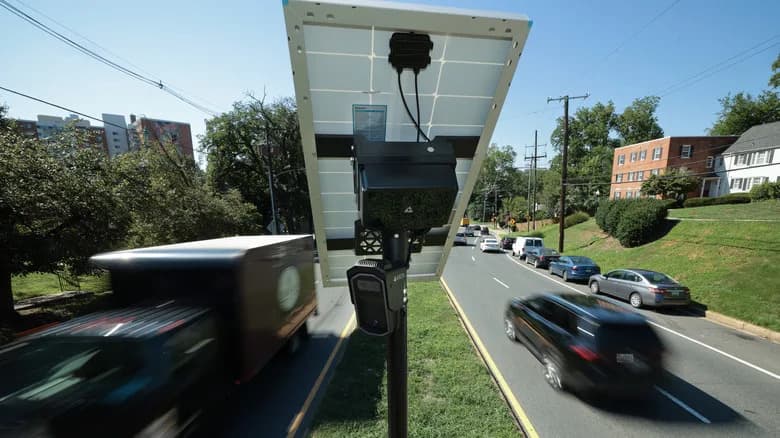
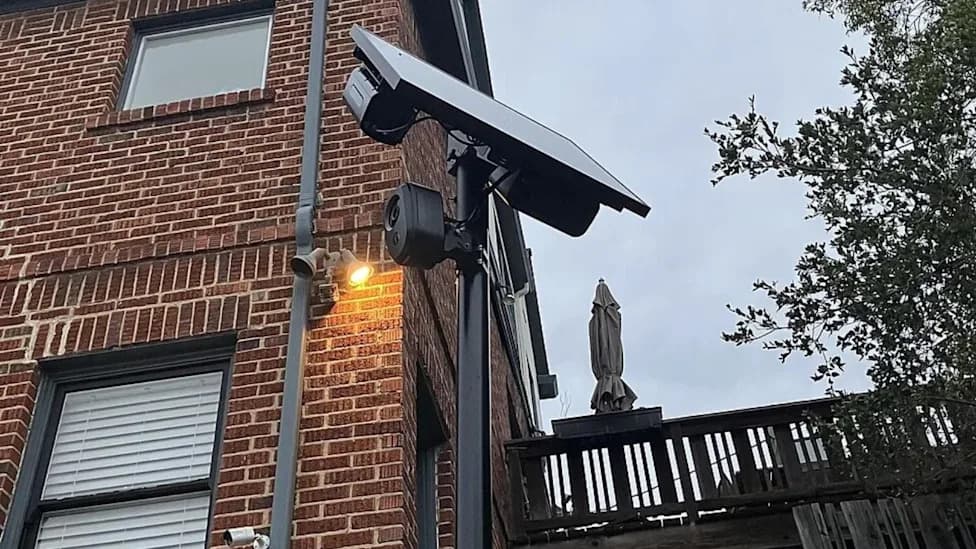
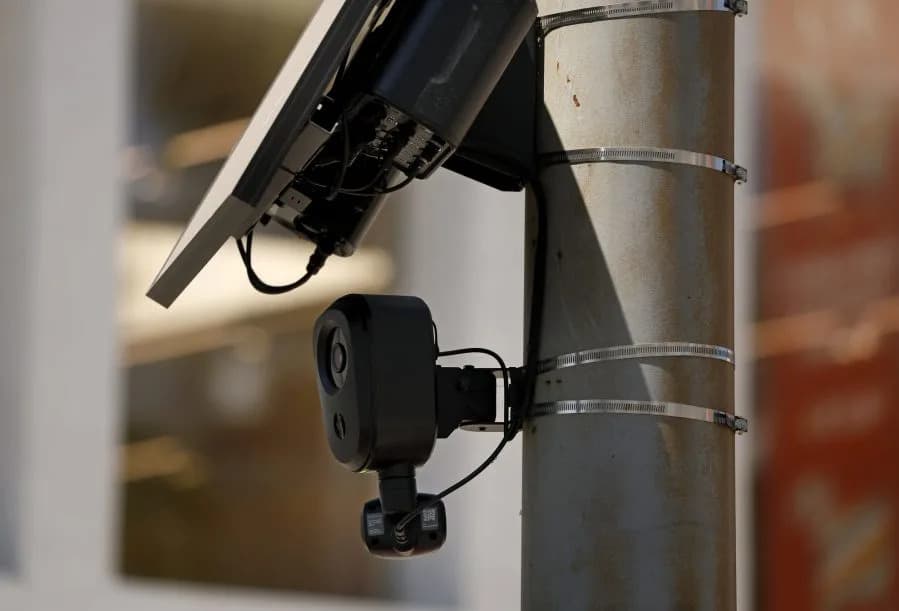
Automatic license plate readers (ALPRs) capture and store large volumes of location data cheaply and at scale. Under the principles the Court has articulated, surveillance is more likely to be treated as a Fourth Amendment search when it:
1) Reveals intimate or comprehensive details about a person's life; 2) Is inexpensive and easy to deploy compared with traditional police methods; and 3) Allows authorities to reconstruct a person's movements from long before they were ever suspected of wrongdoing.
Those characteristics mirror common objections to ALPR networks — including deployments by private vendors such as Flock Safety — and explain why multiple lawsuits argue that unfettered collection, retention, and access to license-plate data can create invasive dossiers without individualized suspicion or adequate oversight.
Courts are still sorting out exactly how the Fourth Amendment applies to ALPRs and other surveillance technologies. What is already clear from recent decisions is that citizens' constitutional rights do not evaporate simply because they are observed in public; the character, duration, and scope of surveillance matter for constitutional analysis.
Help us improve.